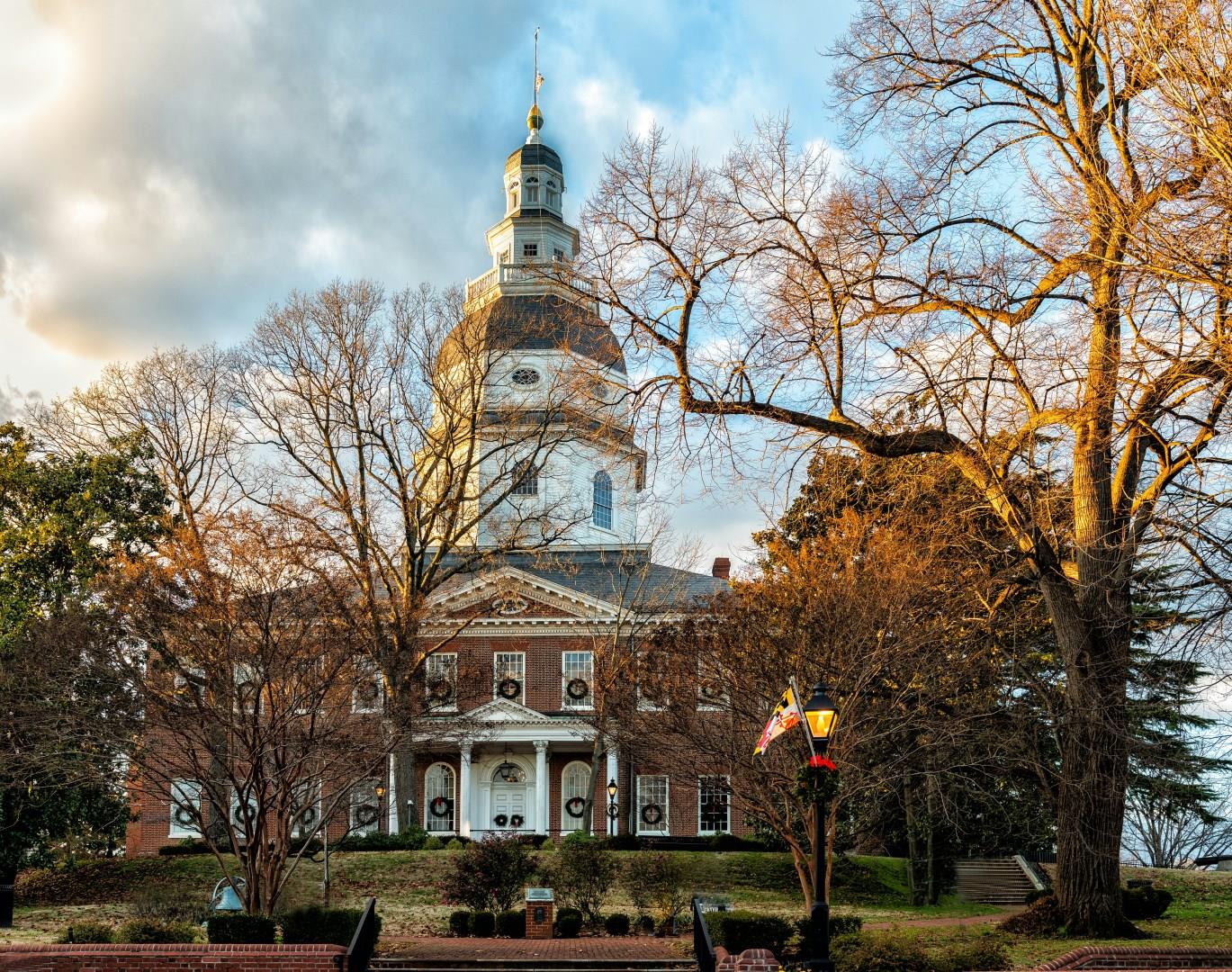
Annapolis
Annapolis may be best known as the state capital, but its real charm lies in its deep maritime history, walkable streets, and Chesapeake Bay lifestyle. Founded in 1649, Annapolis served as the temporary capital of the United States in 1783 and is still home to the oldest state house in continuous legislative use. A visit to the Maryland State House, where George Washington famously resigned his military commission, offers a direct link to the early days of American democracy.
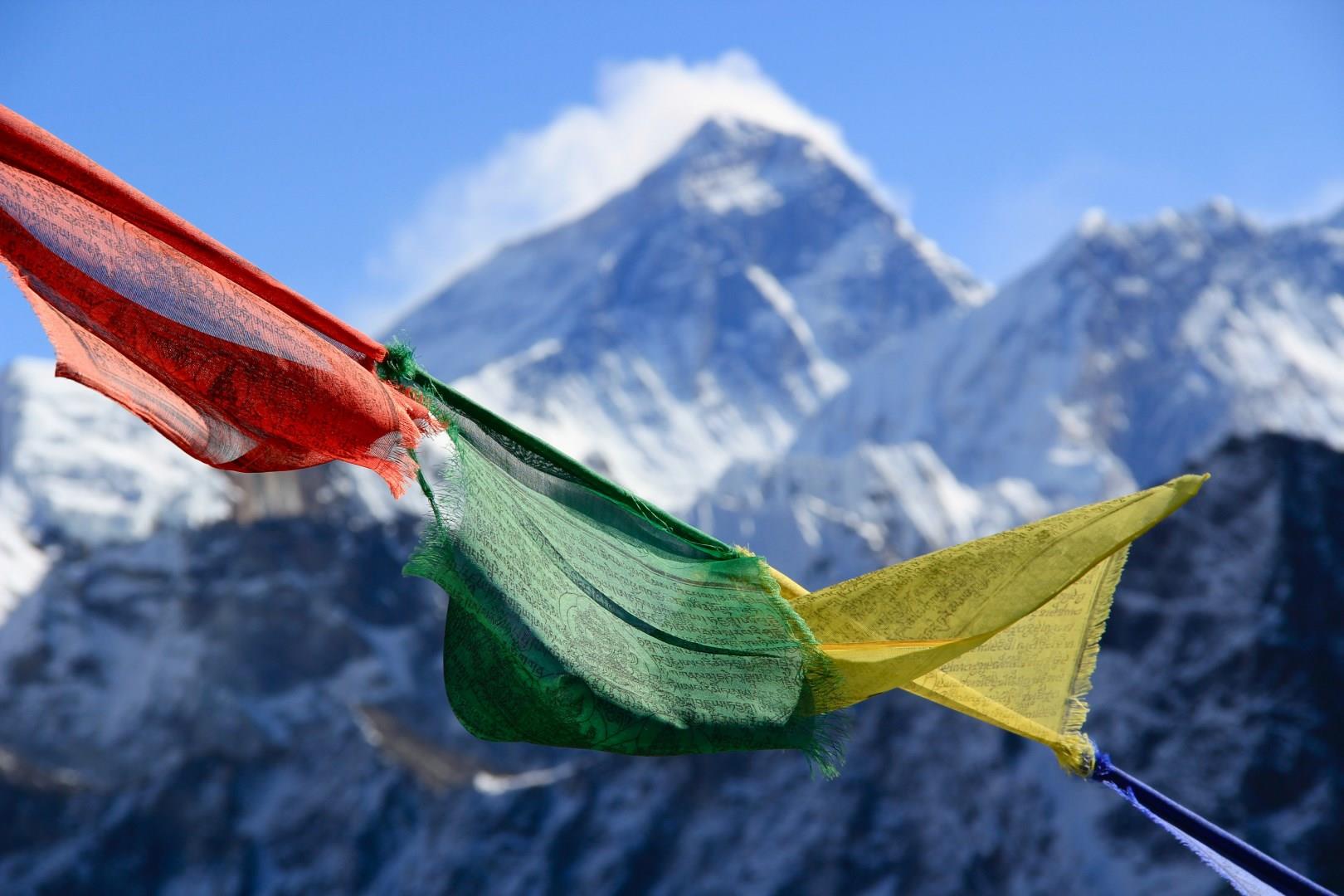
Gokyo
Gokyo is a small settlement high in Nepal’s Khumbu region, set beside a chain of turquoise glacial lakes beneath the Himalaya. Its significance is closely tied to trans-Himalayan trade routes and to Sherpa culture, which has adapted over generations to life at extreme altitude.
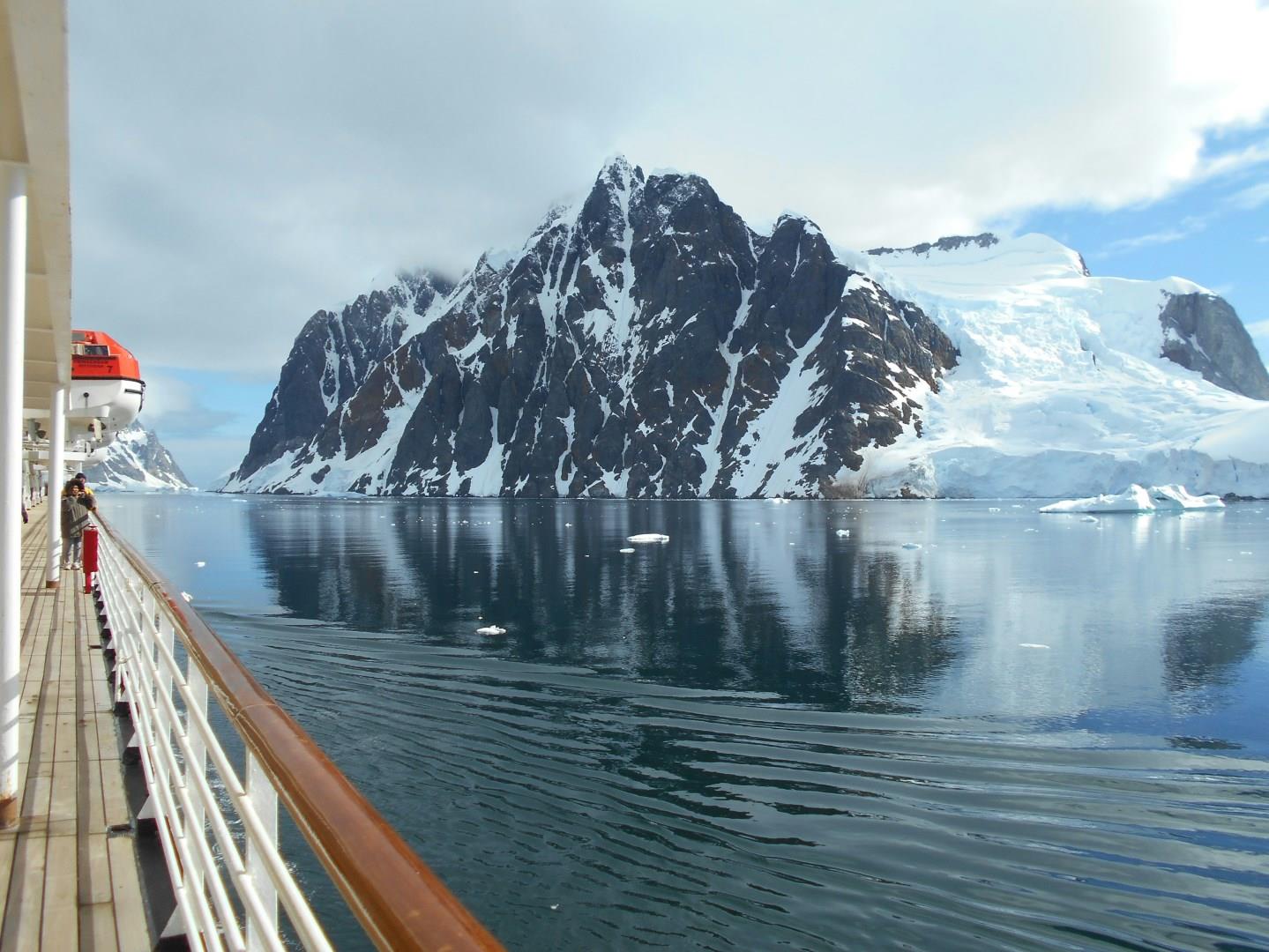
Lemaire Channel
The Lemaire Channel is a spectacular sight with enormous sheer cliffs falling straight into the sea. It's a narrow channel flanked by the Antarctic Peninsula on one side and Booth Island on the other. So photogenic is the channel that it's nicknamed 'Kodak Gap', and it's only once you're well within it that a way through is visible.
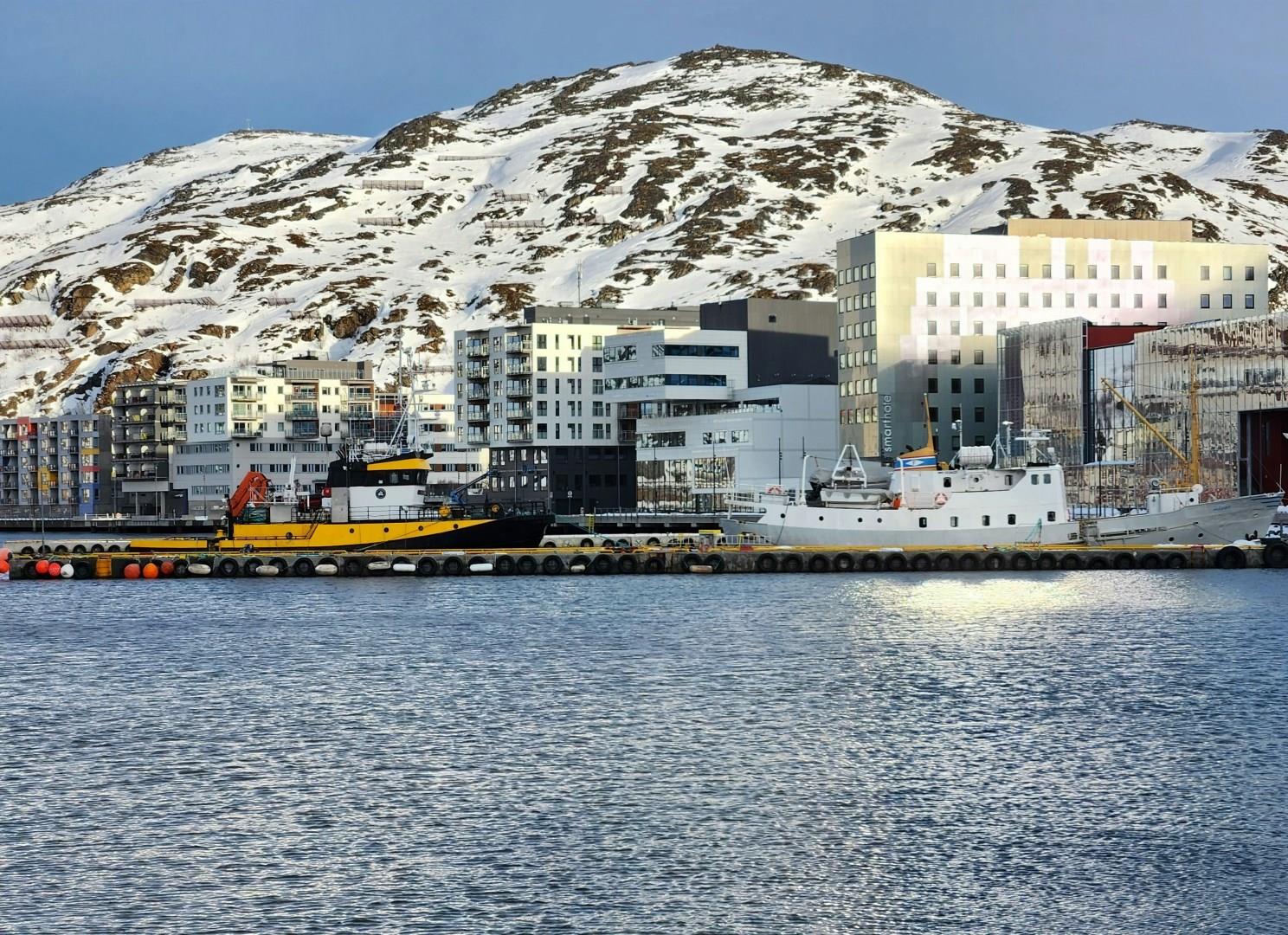
Hammerfest
Hammerfest, located above the Arctic Circle in northern Norway, is one of the northernmost towns in the world with a population of over 10,000. It’s a place where the midnight sun shines from mid-May to late July, and the polar night sets in from late November to mid-January. Historically a hub for Arctic hunting and fishing, Hammerfest was also the first town in Northern Europe to install electric streetlights in 1891.

Zion National Park
Zion National Park, located in southwestern Utah, is known for its massive sandstone cliffs, narrow slot canyons, and unique desert ecosystems. Established in 1919, it was Utah’s first national park and continues to attract visitors with its dramatic elevation shifts and striking rock formations. The park’s most iconic feature, Zion Canyon, stretches for 15 miles and reaches depths of up to 2,640 feet, carved over time by the Virgin River.