Punta del Este
Explore Punta del Este, a popular resort town on the coast of southeastern Uruguay. A favorite summer destination for locals and tourists alike, Punta del Este offers spectacular beaches, delectable eats, fascinating museums, and truly luxurious resorts.

Dominica
Dominica, known as the “Nature Island of the Caribbean,” is a haven for eco-tourists and adventure seekers. Nestled between the French islands of Guadeloupe and Martinique, this lush island boasts a remarkable landscape of volcanic mountains, dense rainforests, and stunning waterfalls. Dominica’s most iconic natural wonder is the Boiling Lake, the second-largest hot spring in the world.

Papeete
The capital of French Polynesia, Papeete is a veritable island paradise with bright cerulean waters, iconic overwater bungalows, and palm trees galore.
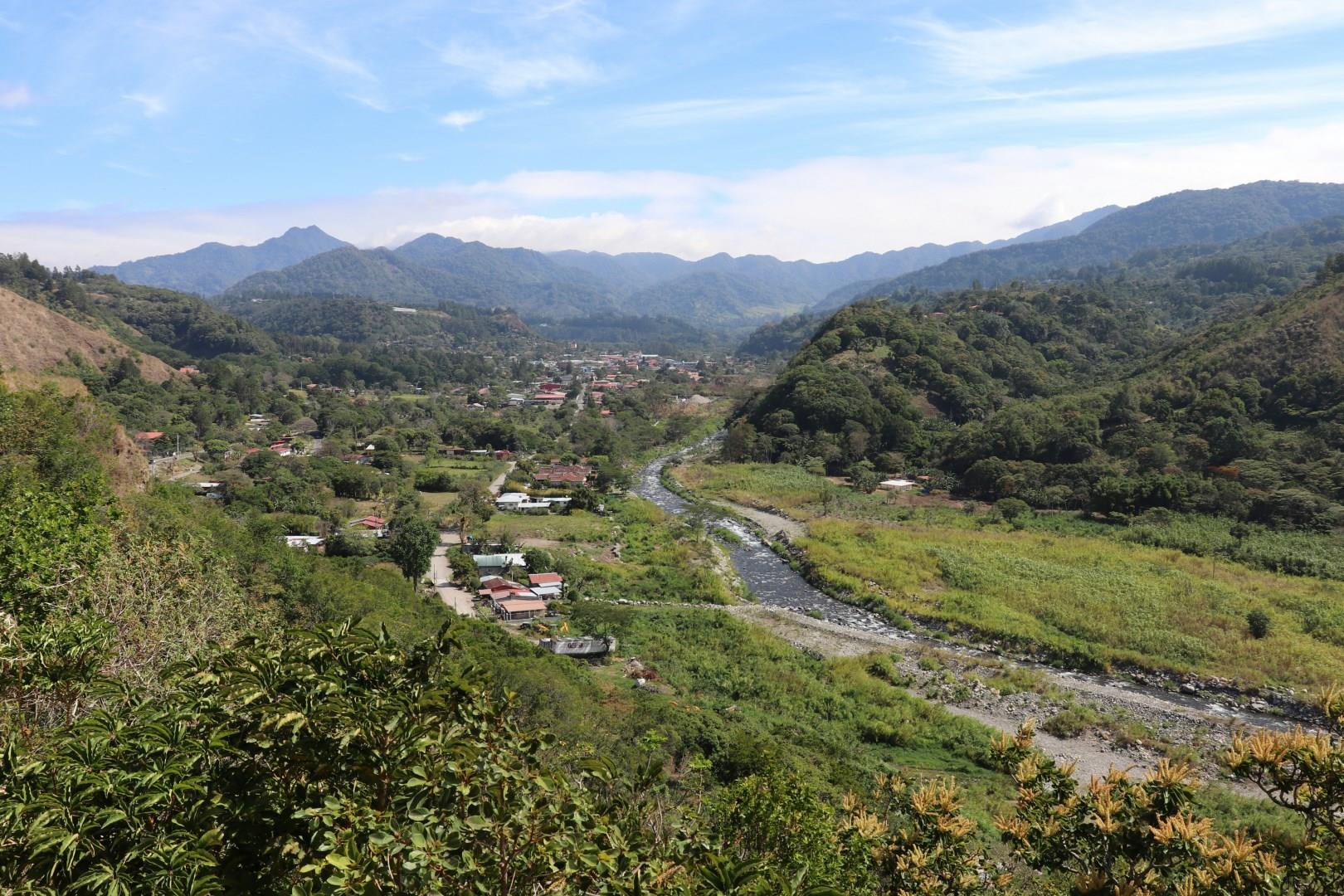
Chiriqui
Chiriquí, a province in western Panama, offers a striking variety of landscapes, from highland cloud forests to golden Pacific beaches. Bordered by Costa Rica to the west, it’s known for its rich agriculture, coffee plantations, and impressive volcano views. The capital city, David, serves as the main hub for travelers, but many of the region’s most memorable experiences are found in its rural towns, mountain valleys, and coastal areas.

Chiapas
This southern Mexican state borders Guatemala. Its mountainous highlands and dense rainforest are dotted with several Mayan archaeological sites and Spanish colonial towns.