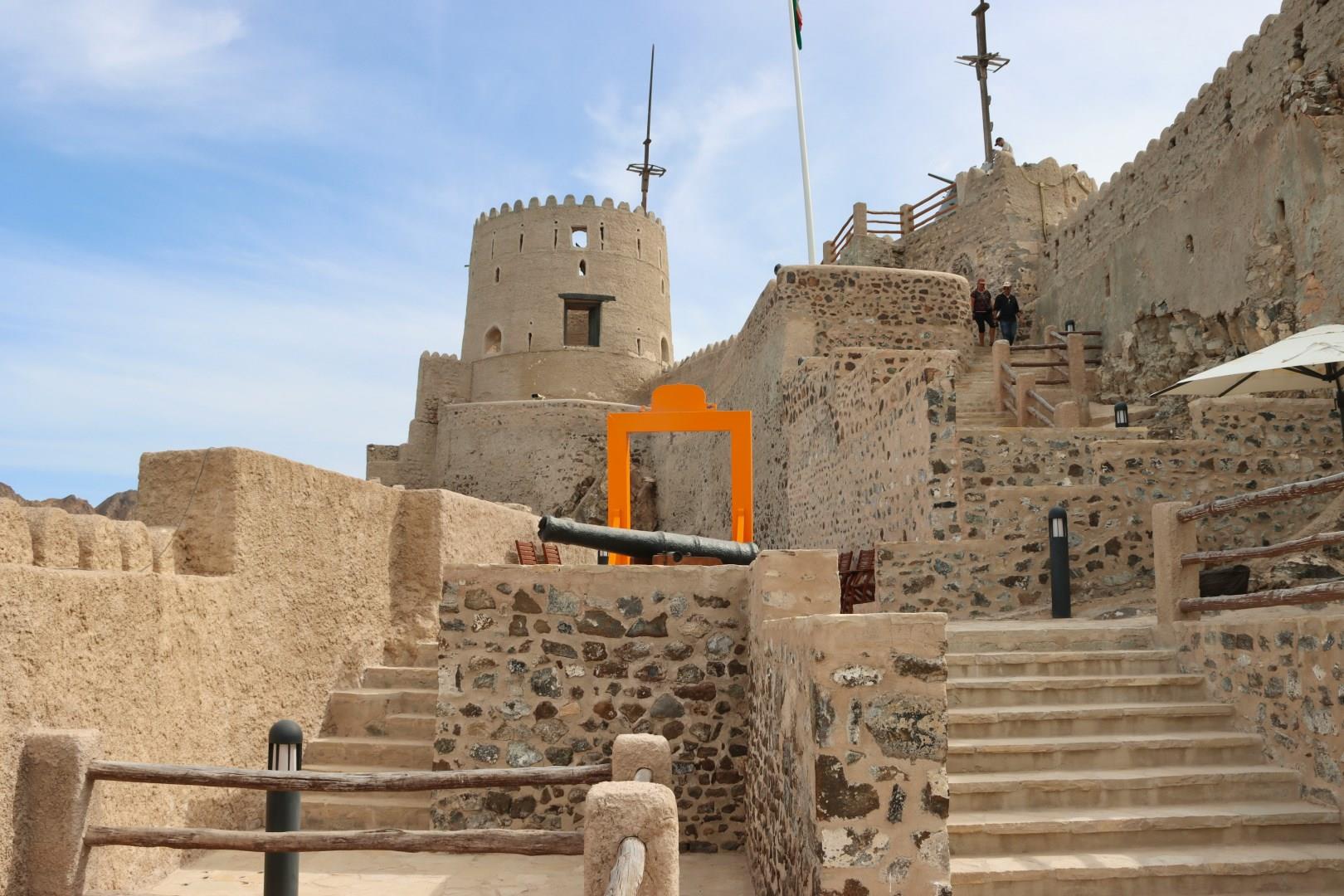
Nakhal
Located in northern Oman, Nakhal is best known for its impressive fort set dramatically against the backdrop of the Hajar Mountains. Originally built centuries ago and later expanded, the fort showcases traditional Omani architecture and offers sweeping views of the surrounding palm groves and rugged landscapes.
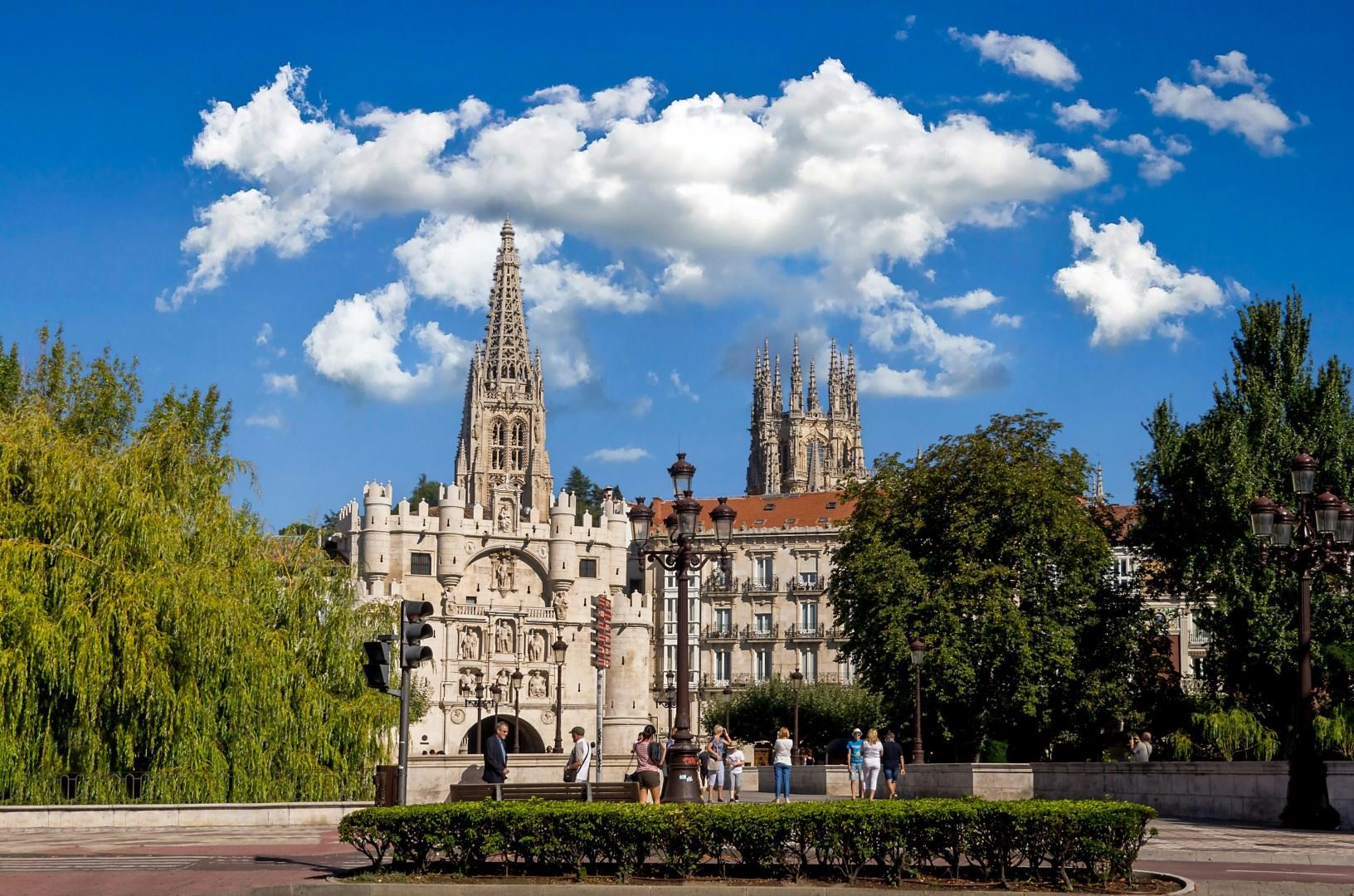
Burgos
Burgos, located in northern Spain, is a city where medieval heritage is still part of daily life. At its heart stands the Burgos Cathedral, a UNESCO World Heritage Site and one of the most striking examples of Gothic architecture in Europe. Construction began in 1221 and continued for over 300 years, resulting in a cathedral that features elaborate spires, stained glass, and the tomb of El Cid, Spain’s legendary military leader.

Saint-Tropez
Saint-Tropez, located on the glamorous French Riviera, epitomizes luxury and allure. Once a quaint fishing village, this iconic destination has evolved into a playground for celebrities and discerning travelers. Visitors are greeted by the picturesque Old Port, lined with elegant yachts and vibrant cafés where you can savor the Mediterranean ambiance. The colorful façades and narrow streets of the old town offer a charming backdrop for leisurely strolls and lively markets.

Visby
Medieval city with walls, defense towers and several churches. Every August, a medieval week is held, with jousting, food and authentic wardrobes.

Kinderdijk
Replete with windmills and old-world charm, the village of Kinderdijk lies east of Rotterdam on the Lek River and is a popular stop for European river cruises. Home to the largest concentration of old windmills in the Netherlands, Kinderdijk was designated a UNESCO World Heritage Site in 1997.