Brecon Beacons
The Brecon Beacons, officially known as Bannau Brycheiniog, rise through south-central Wales as a landscape shaped by myth, grazing, and long human presence.
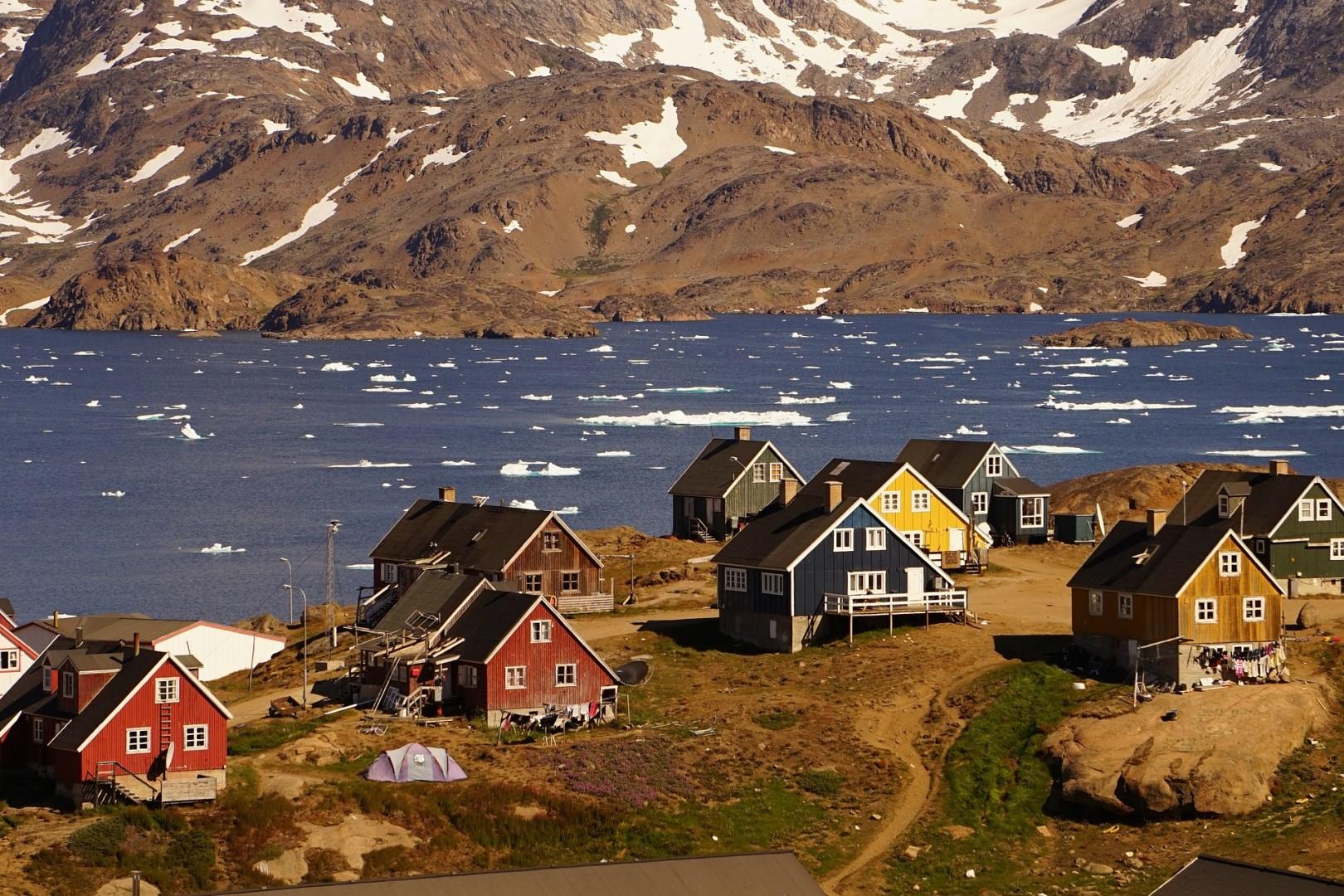
Tasiilaq
Tasiilaq is the largest town in East Greenland, situated on Ammassalik Island beside a sheltered fjord and surrounded by steep mountains. Its remote setting gives the town a distinct character, with colorful houses scattered across hilly terrain and waterways leading into a rugged Arctic landscape. Tasiilaq serves as a base for exploring the surrounding fjords, glaciers, valleys, and smaller settlements.
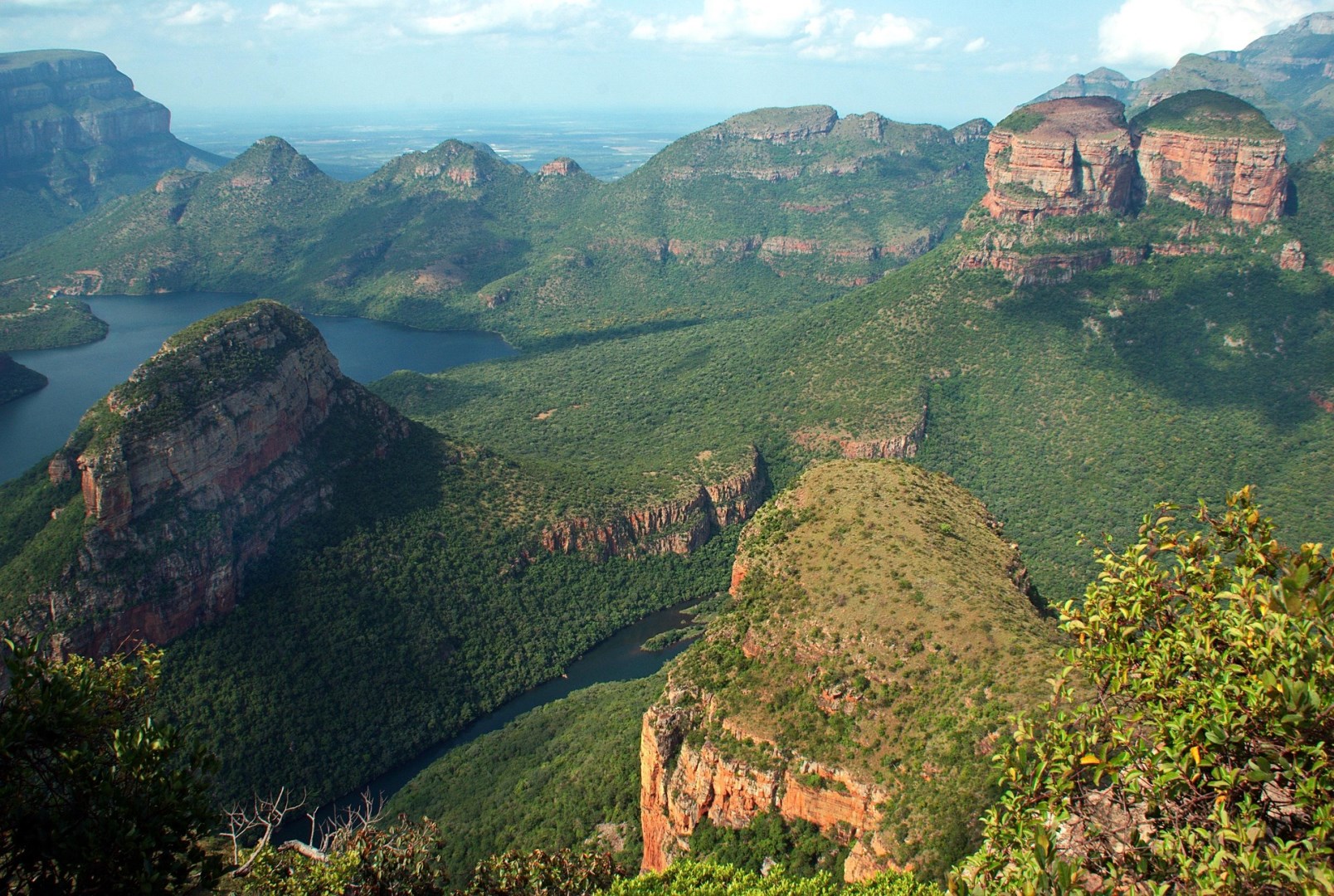
Drakensberg
Drakensberg in Lesotho forms part of the country’s dramatic highland landscape, where steep mountains, deep valleys, and high plateaus dominate the scenery. The range is especially prominent in the eastern part of Lesotho, with peaks rising above broad upland areas and remote settlements. The Maloti Mountains, as they are known within Lesotho, are closely linked to the country’s geography and way of life. Much of the highland terrain is covered by grassland, while rivers and streams cut through

Pompeii
Pompeii, Italy, is a mesmerizing time capsule that invites travelers to step back into the world of ancient Rome. Once a thriving city, Pompeii was abruptly buried under volcanic ash and pumice following the catastrophic eruption of Mount Vesuvius in 79 AD. This tragic event preserved the city in remarkable detail, allowing visitors today to walk the cobbled streets and witness a snapshot of Roman life, from grand villas and bathhouses to bakeries and amphitheaters.

Samoa
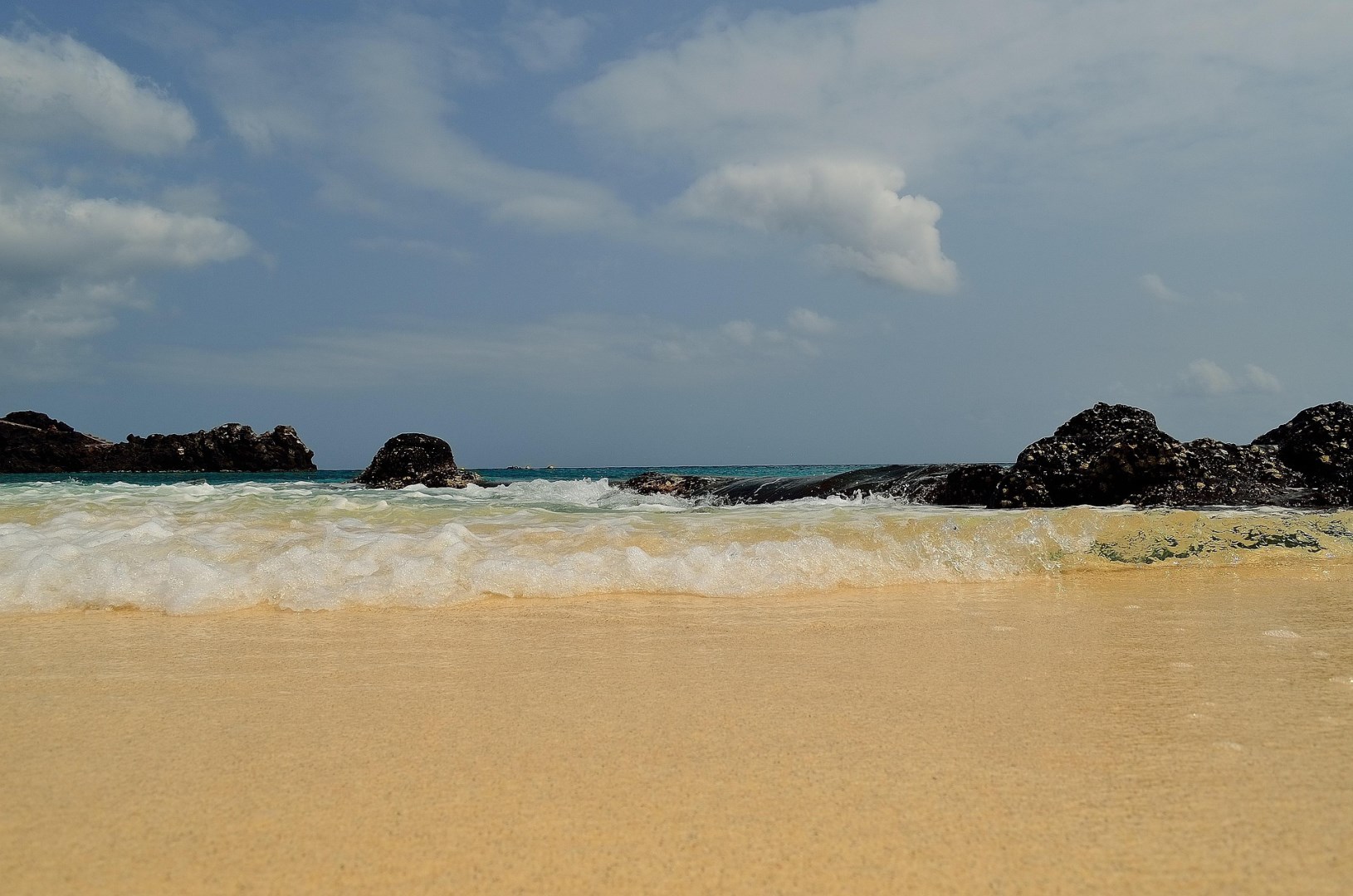
Samoa, a stunning island nation in the South Pacific, invites travelers with its rich cultural traditions and breathtaking landscapes—stunning rainforests, towering waterfalls, and dramatic coastlines that seem to stretch endlessly into the horizon. Made up of two main islands, Upolu and Savaii, along with seven smaller islands, Western Samoa is a vibrant hub of Polynesian culture.