Idaho
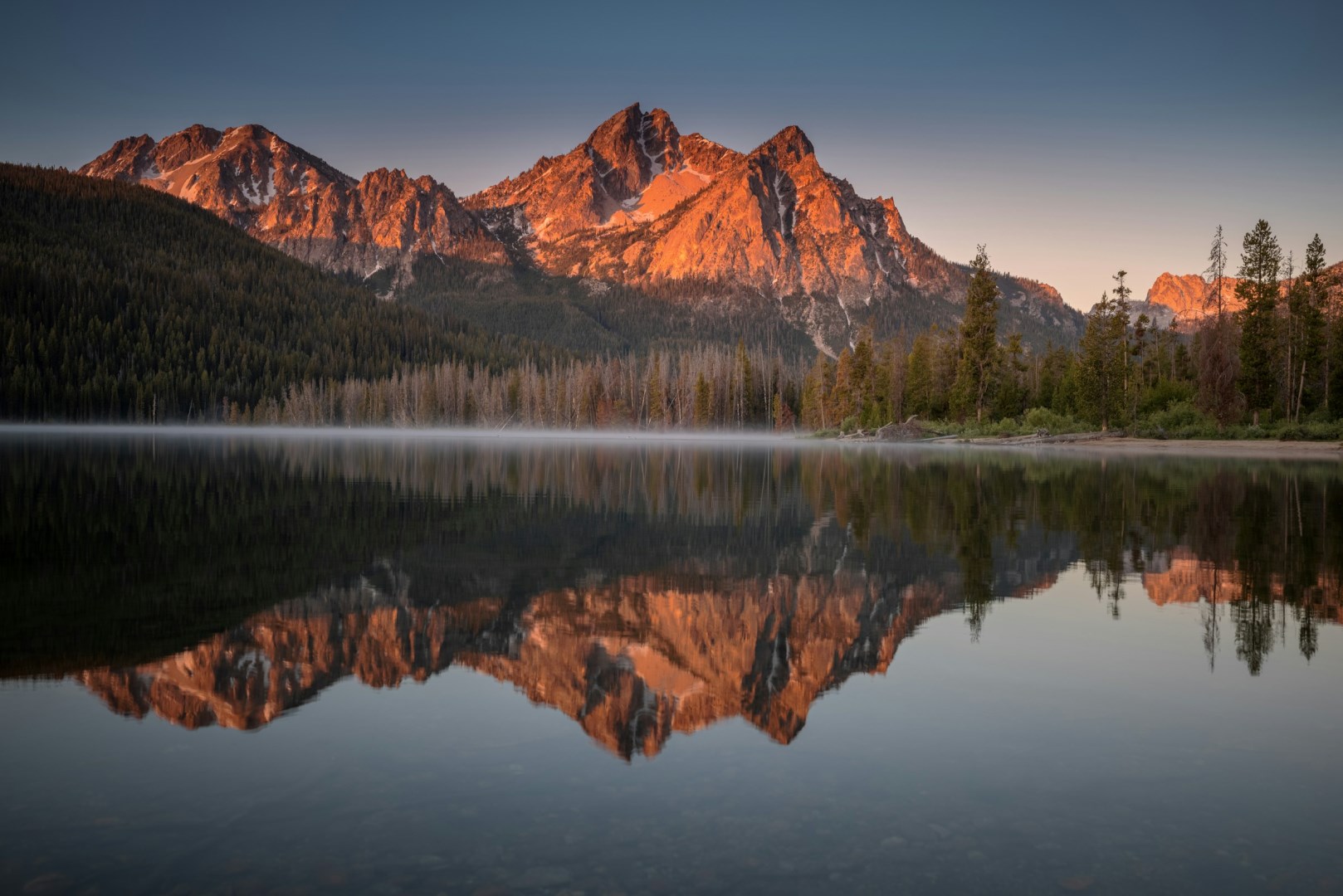
Idaho, known for its rugged landscapes and outdoor adventures, offers visitors a blend of natural beauty and cultural charm. Boise, the state capital, is a vibrant city that boasts a thriving arts scene and a rich history. Explore the Boise Art Museum, which features contemporary and modern works, or take a stroll along the Boise River Greenbelt for scenic views and recreational opportunities.

Shimizu
Shimizu, a picturesque port in Shizuoka City, offers stunning views of Mount Fuji on clear days. Shimizu is known for its rich maritime history, and a culinary highlight is its fresh seafood, particularly tuna. The port boasts the highest tuna catch in Japan, making it a prime destination for sushi fans.
Valladolid
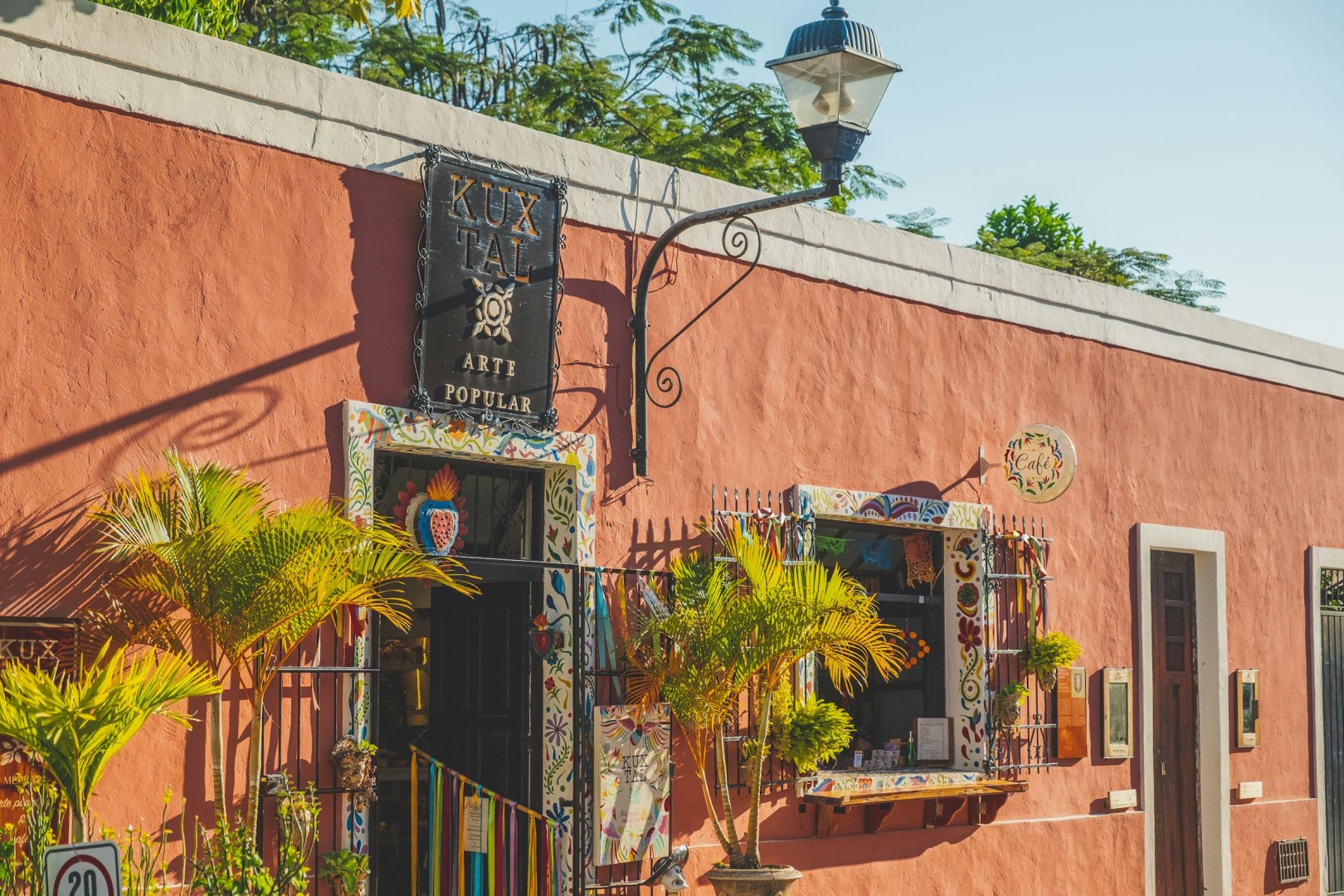
Valladolid is the name of both a province and the city that is its capital. It is the current capital of Castilla y León and the largest city in the region. It is famous for its beautiful gardens and the solemnity and grace of its Holy Week celebrations. The people of Valladolid claim to speak "the pure Spanish."

Manila
Philippines capital located in the South China Sea. Fort Santiago and Baroque church San Agustin are among the city's attractions.
Elvas
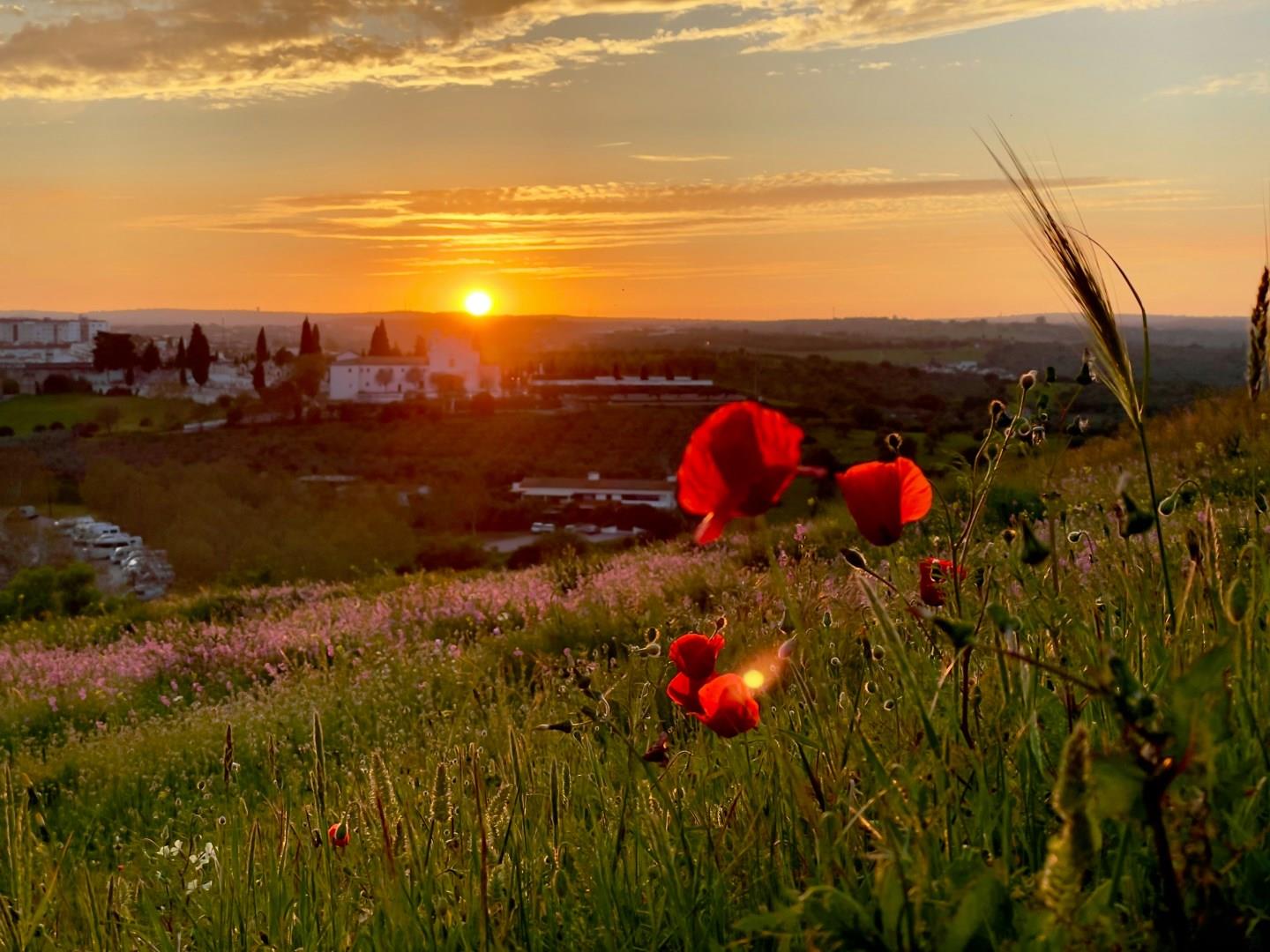
Elvas rises from the Alentejo plains near the Spanish border as one of Portugal’s most striking fortified towns, shaped by centuries of defense, resilience, and daily life along the frontier. Encircled by an immense network of walls, bastions, and hilltop forts, the town tells a clear story of strategy and survival, from the sweeping views at Forte da Graça to the quiet streets within the historic center.