Le Gosier
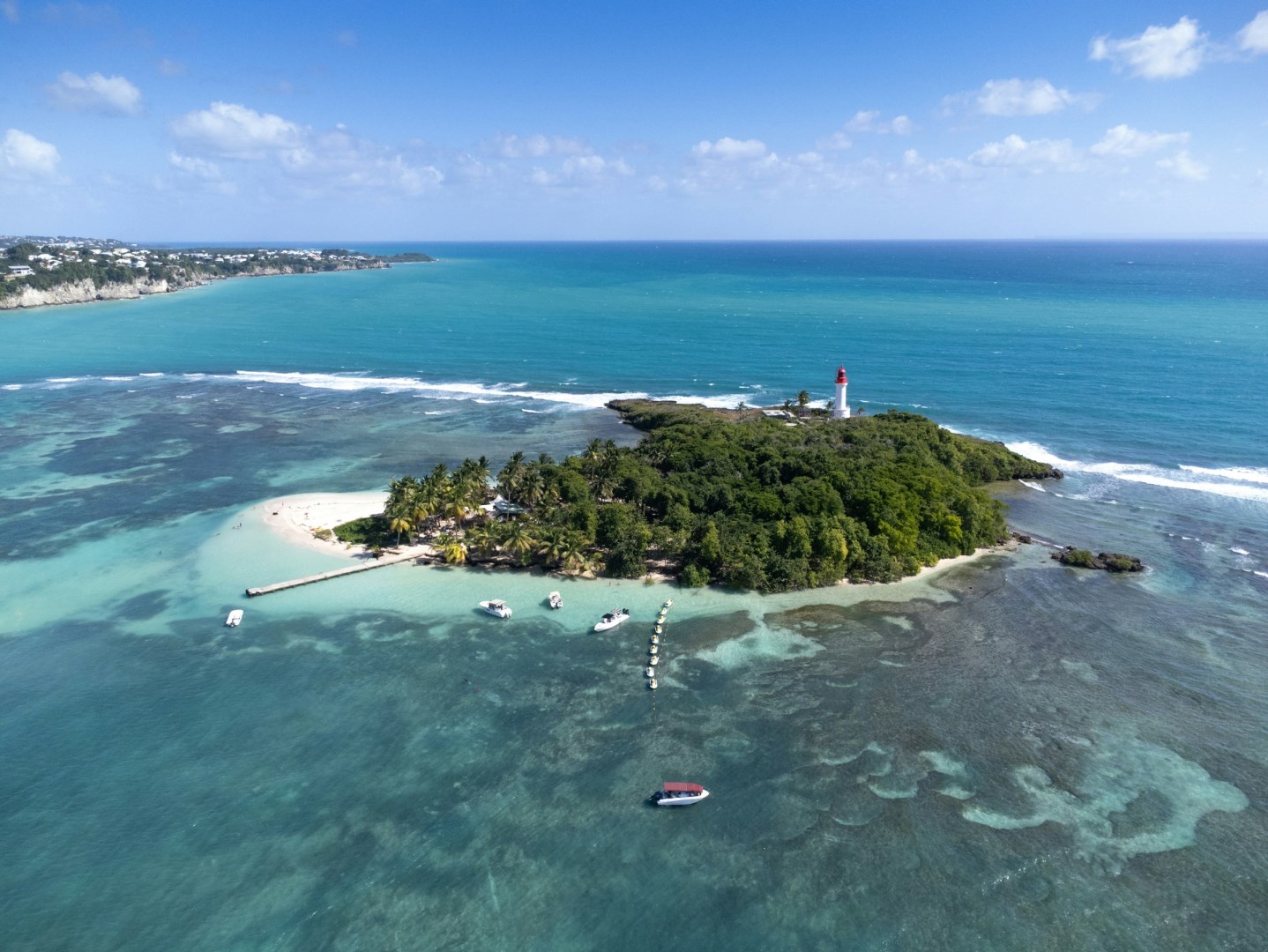
Gosier, the largest tourist area, has the works - casino, resort hotels, scalloped sandy coves and an original village center which has managed to retain its local character.

Bosnia & Herzegovina
Bosnia and Herzegovina is a republic in southeastern Europe. Bosnia & Herzegovina, a republic in southeastern Europe, is a captivating destination in the heart of the Balkans offering a rich blend of history, culture, and natural beauty that promises an unforgettable travel experience.

Provence
Situated in the French administrative region of Provence-Alpes-Côte d'Azur, Provence is a picturesque delight and one of France's most beloved provinces. Replete with sprawling lavender fields, lush vineyards, cobbled streets, and medieval architecture, Provence will surely capture your heart and mind.
Guadalajara
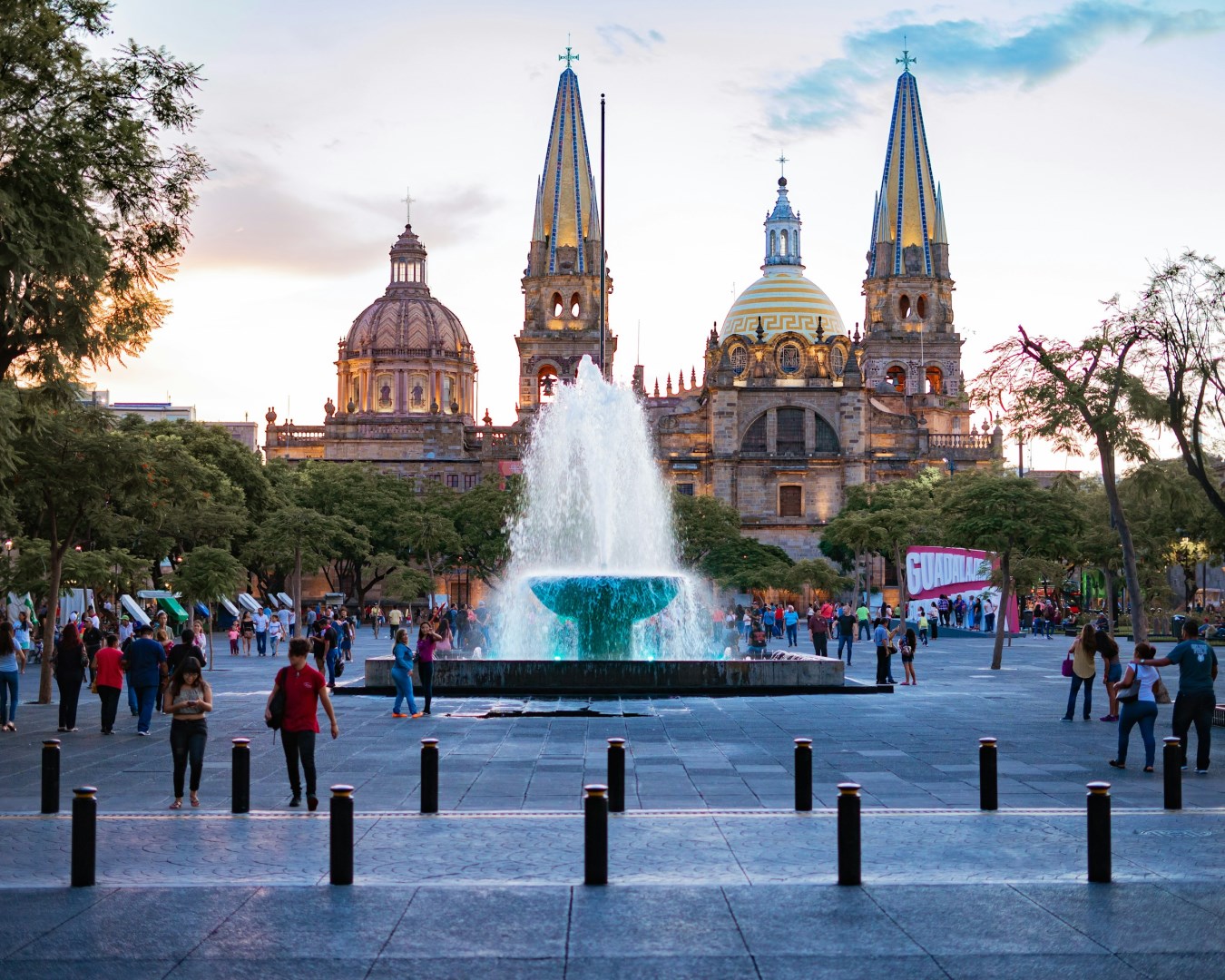
In the central highlands of Mexico lies a rich city, with a culture as colorful as its past. Guadalajara, Mexico's second largest city, may be best known for its tequila, mariachis and the hat dance, all part of its celebrations. The downtown area is dominated by a huge public square, the Plaza del la Liberacion. Guadalahara's most impressive historical sights are found along this square, as well as museums tracing Mexico's long history.
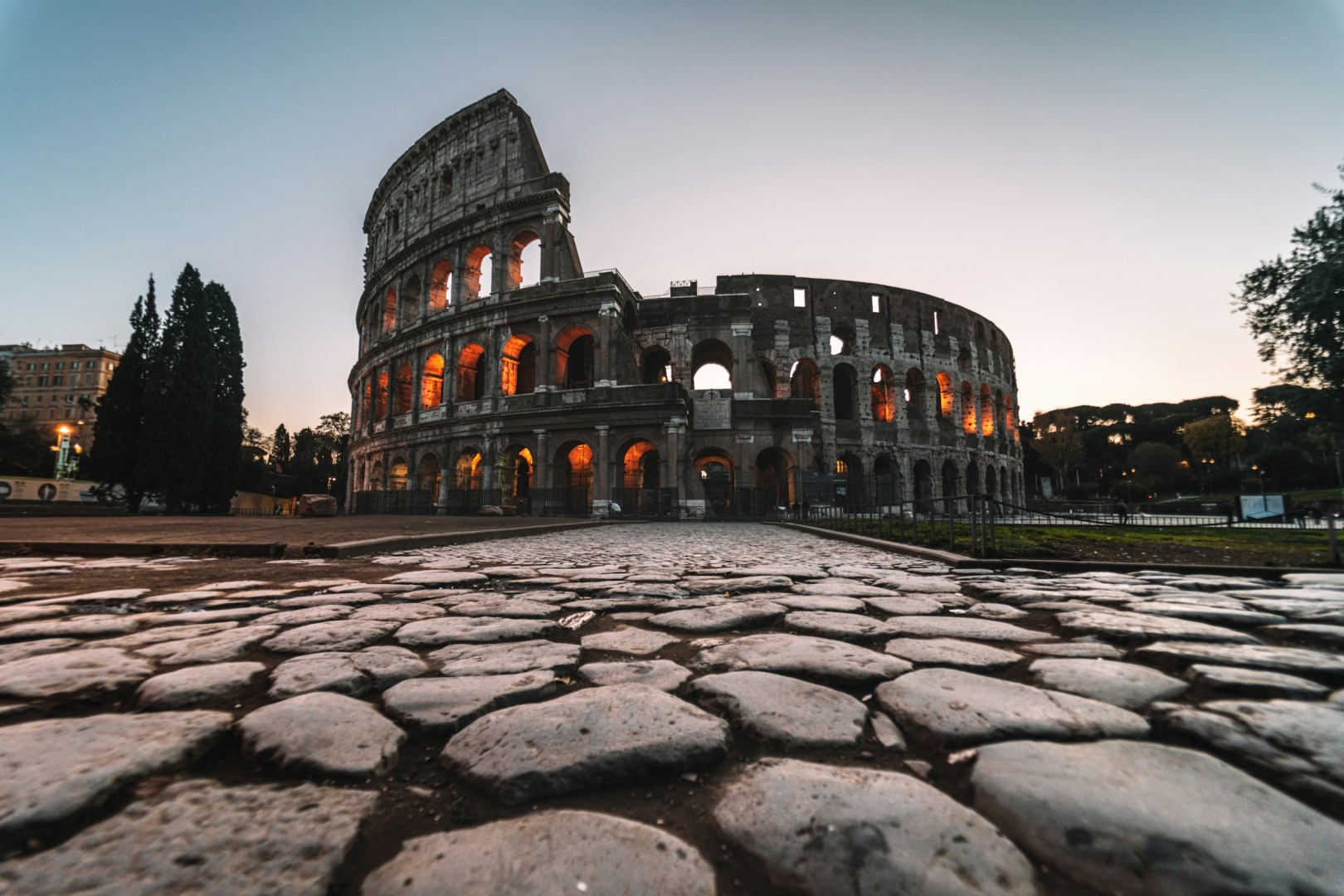
Rome
Often called the Eternal City, Rome stands alone as Italy's most visited destination. The third most populated city in the European Union, Rome boasts ancient sites, yet has a modern flair — an exhilarating mix of the Old World and the new.