St. Louis
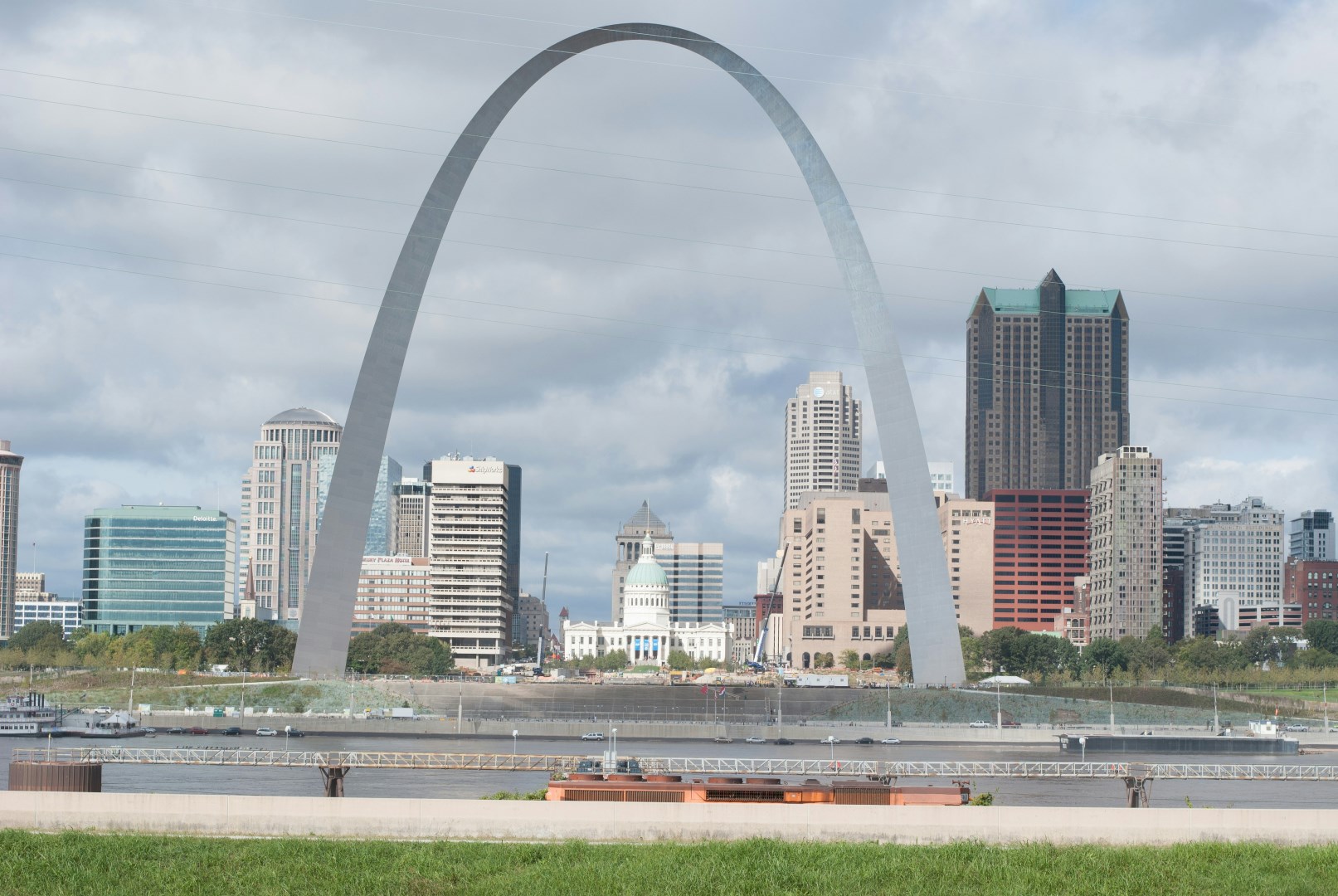
St. Louis is a major city in the state of Missouri, United States, located along the western bank of the Mississippi River. It is widely recognized for the Gateway Arch, which defines its skyline and reflects its historical role as a point of movement toward the western parts of the country.
Cambridge
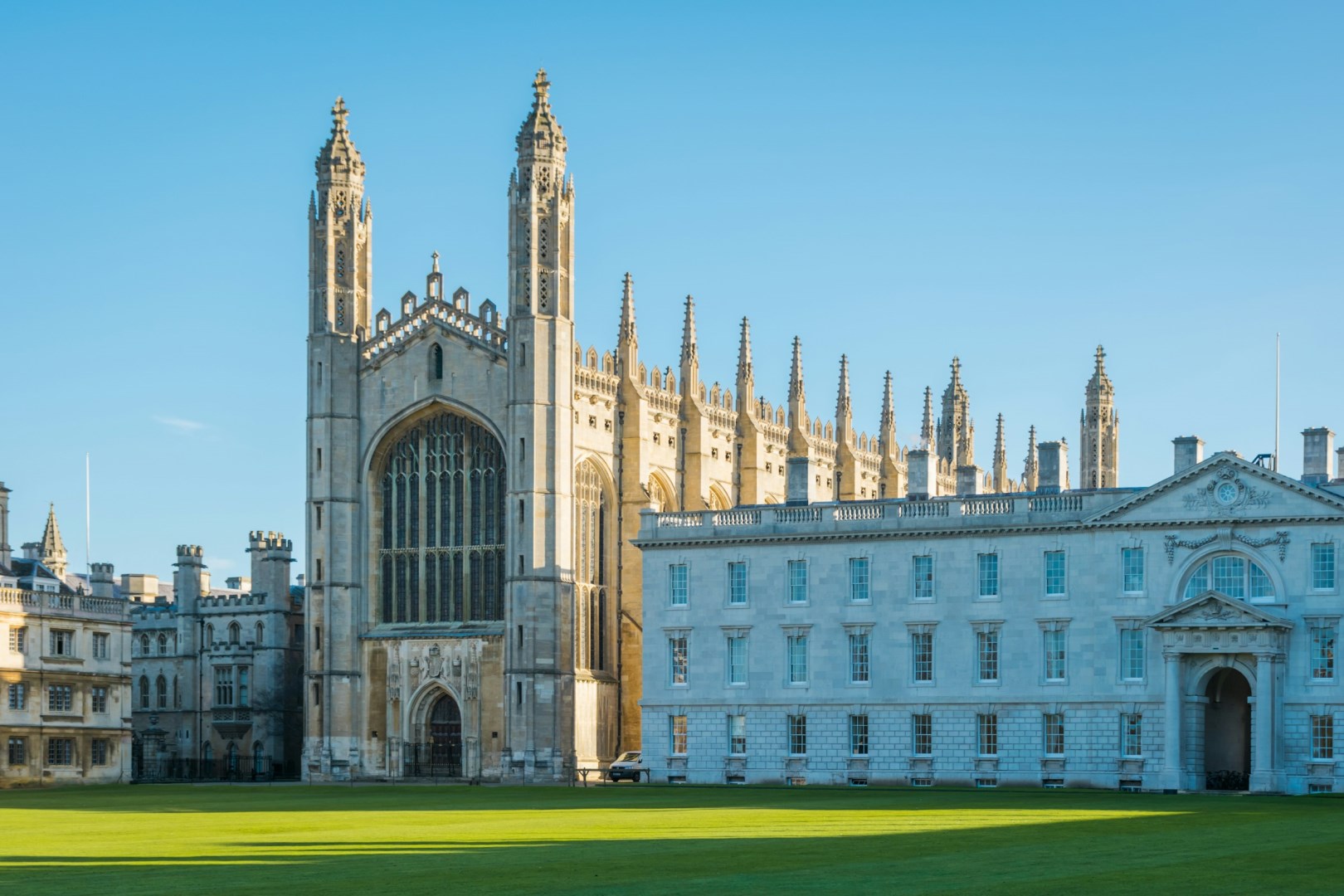
Cambridge, located in eastern England along the River Cam, is world-renowned for its prestigious university, historic architecture, and vibrant cultural scene. The city’s cobbled streets, centuries-old colleges, and medieval churches reflect a rich academic and architectural heritage, making it one of the most iconic university towns in the world.
Miyazaki
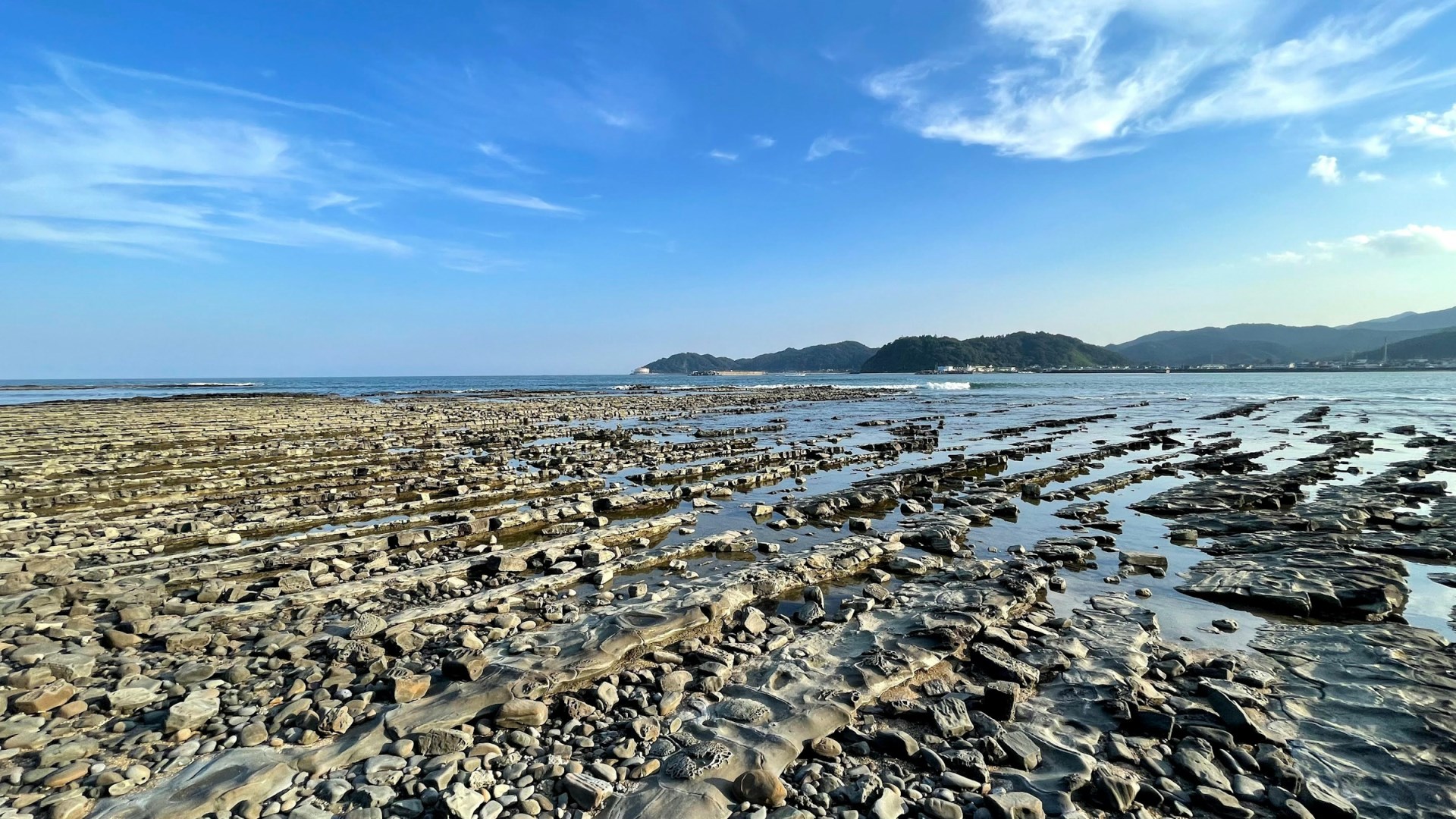
Miyazaki is a coastal city on the southeastern side of Kyushu, facing the Pacific Ocean. Its setting combines sandy beaches, rivers, palm-lined streets, agricultural areas, and nearby hills, giving the city a distinct subtropical character within Japan. Miyazaki is the capital of Miyazaki Prefecture and serves as a regional center for commerce, culture, and transportation.
Laikipia Plateau
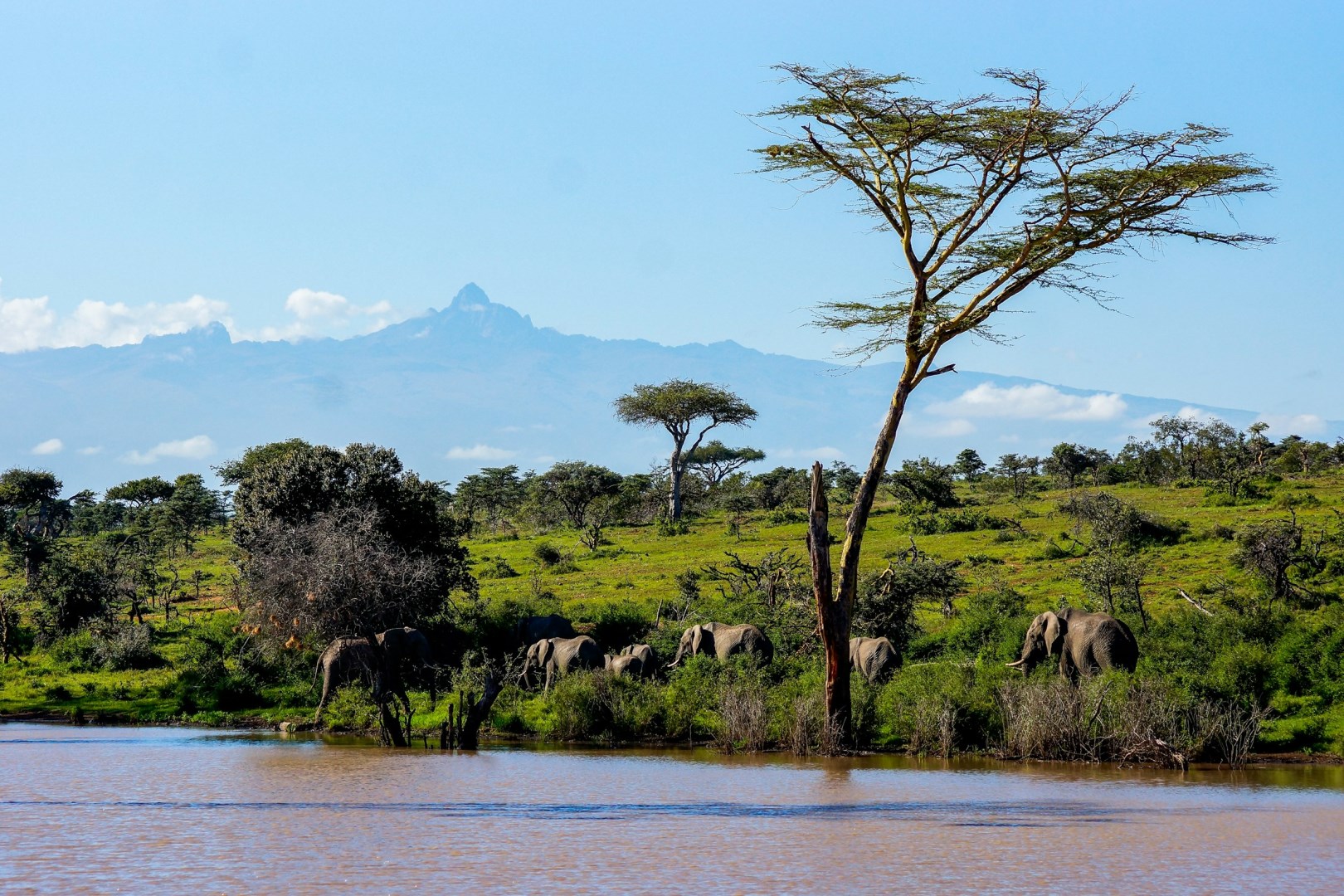
Laikipia Plateau is a highland region in central Kenya, lying between Mount Kenya and the northern Kenyan lowlands. Its broad grasslands, acacia woodland, rocky valleys, and volcanic soils create a varied landscape shaped by seasonal rainfall and altitude. Rather than being a single protected park, Laikipia is a mosaic of private conservancies, community lands, ranches, and farms.
Quetzaltenango
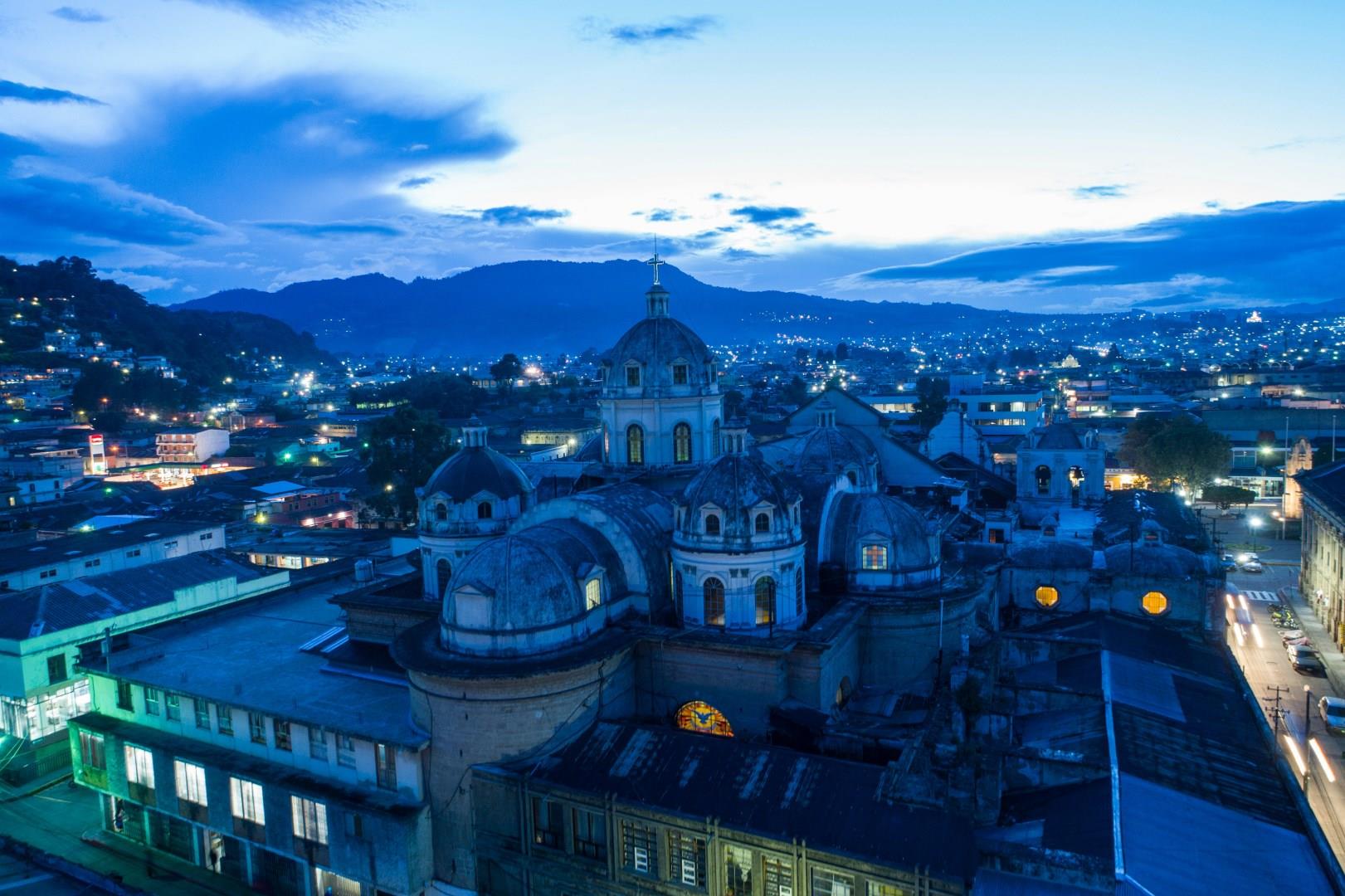
Quetzaltenango, often called Xela by locals, is Guatemala’s second-largest city and a hub of indigenous culture, colonial history, and highland landscapes. Surrounded by volcanoes, including the towering Santa María, the city sits at over 7,600 feet above sea level, giving it a crisp mountain climate that contrasts with the country’s tropical lowlands.