Capestang
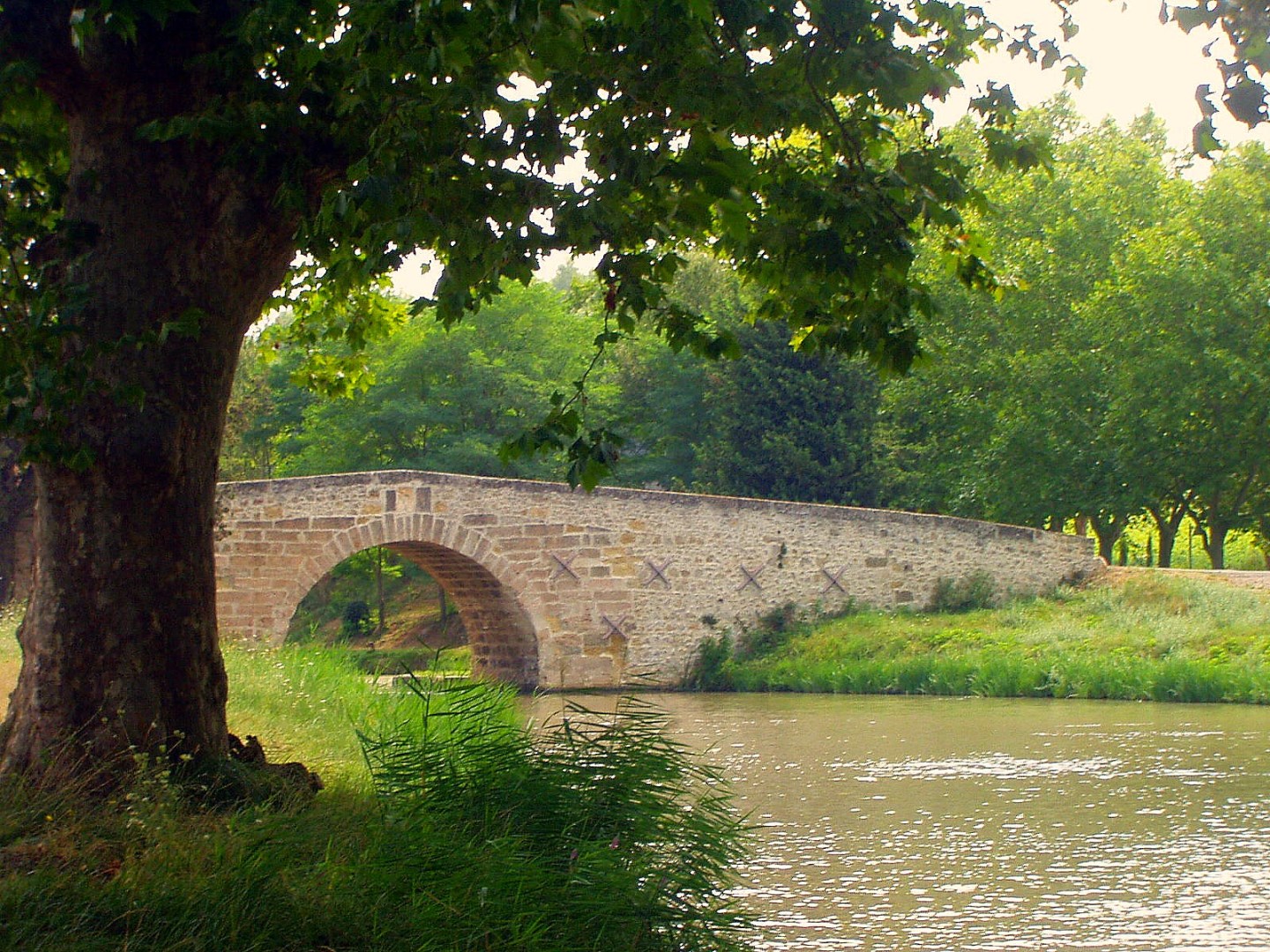
Capestang sits beside the Canal du Midi, surrounded by vineyards and marked by the soaring Collégiale Saint-Étienne. Its medieval heritage, canal port and nearby Étang de Capestang give the village a strong identity rooted in water, wine and local history.
Blair Atholl
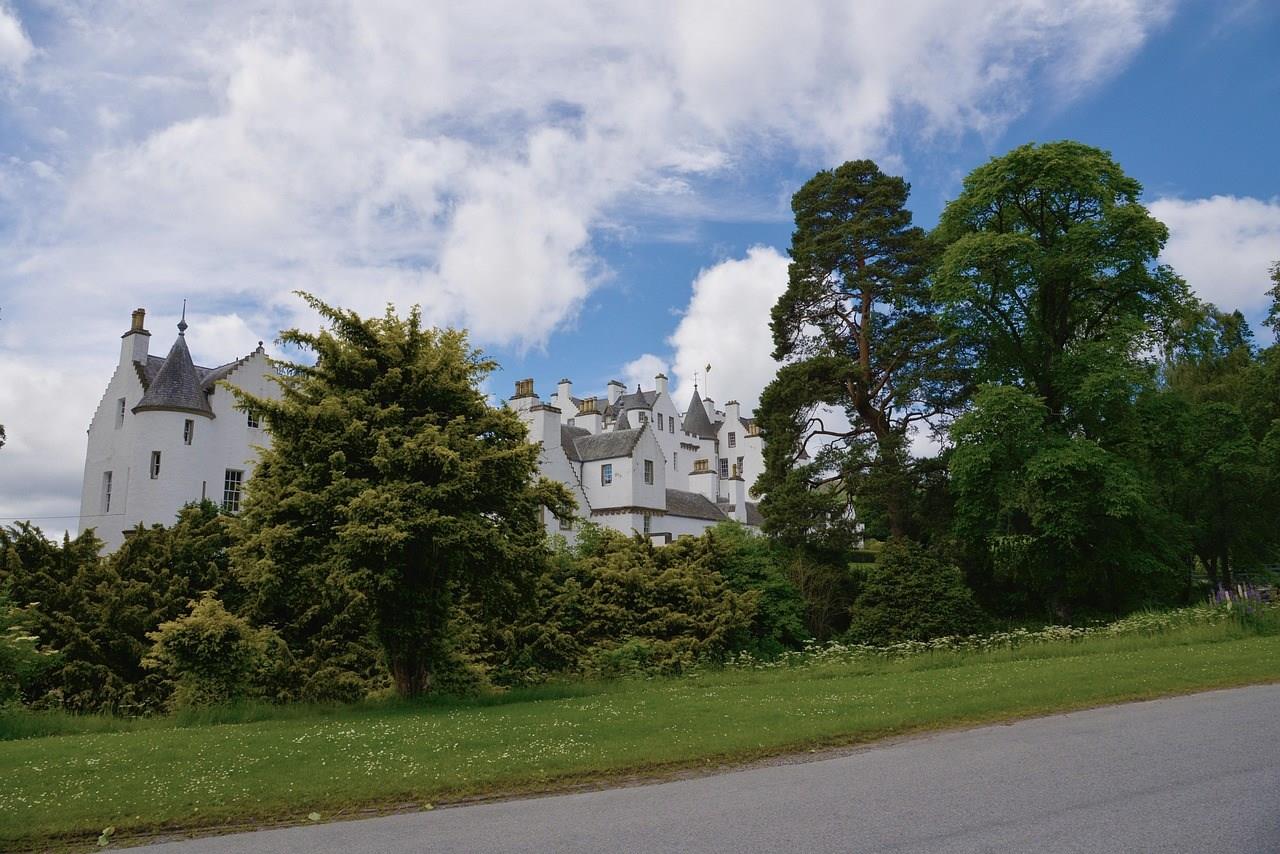
Blair Atholl, a village in the heart of Highland Perthshire, Scotland, is best known as the home of Blair Castle, a striking white-walled fortress that has stood for over seven centuries.
Balikpapan
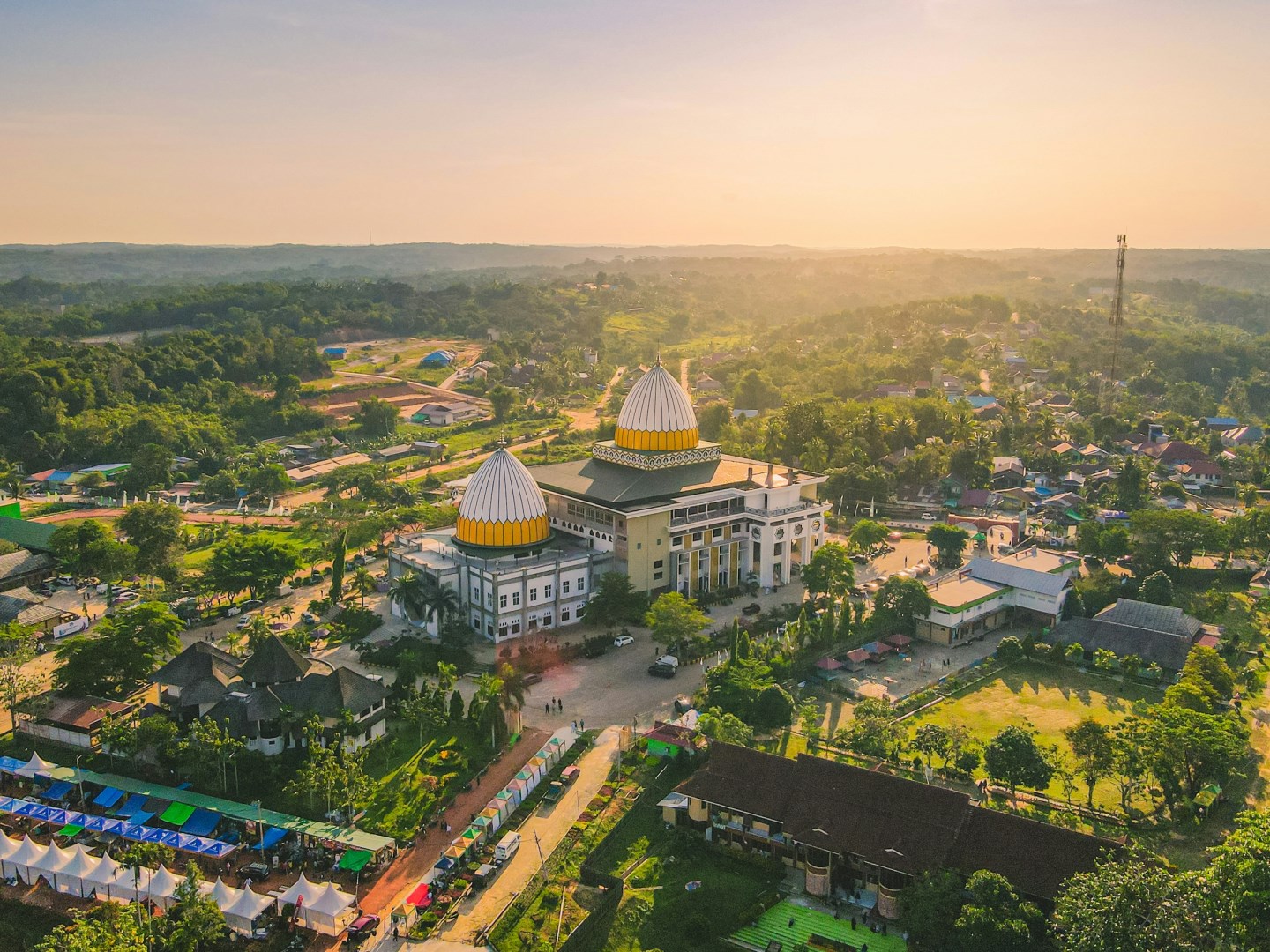
Located in southeast Borneo on the inlet of Makassar Strait. It is a major port and oil center for Indonesia.
Lambert's Bay
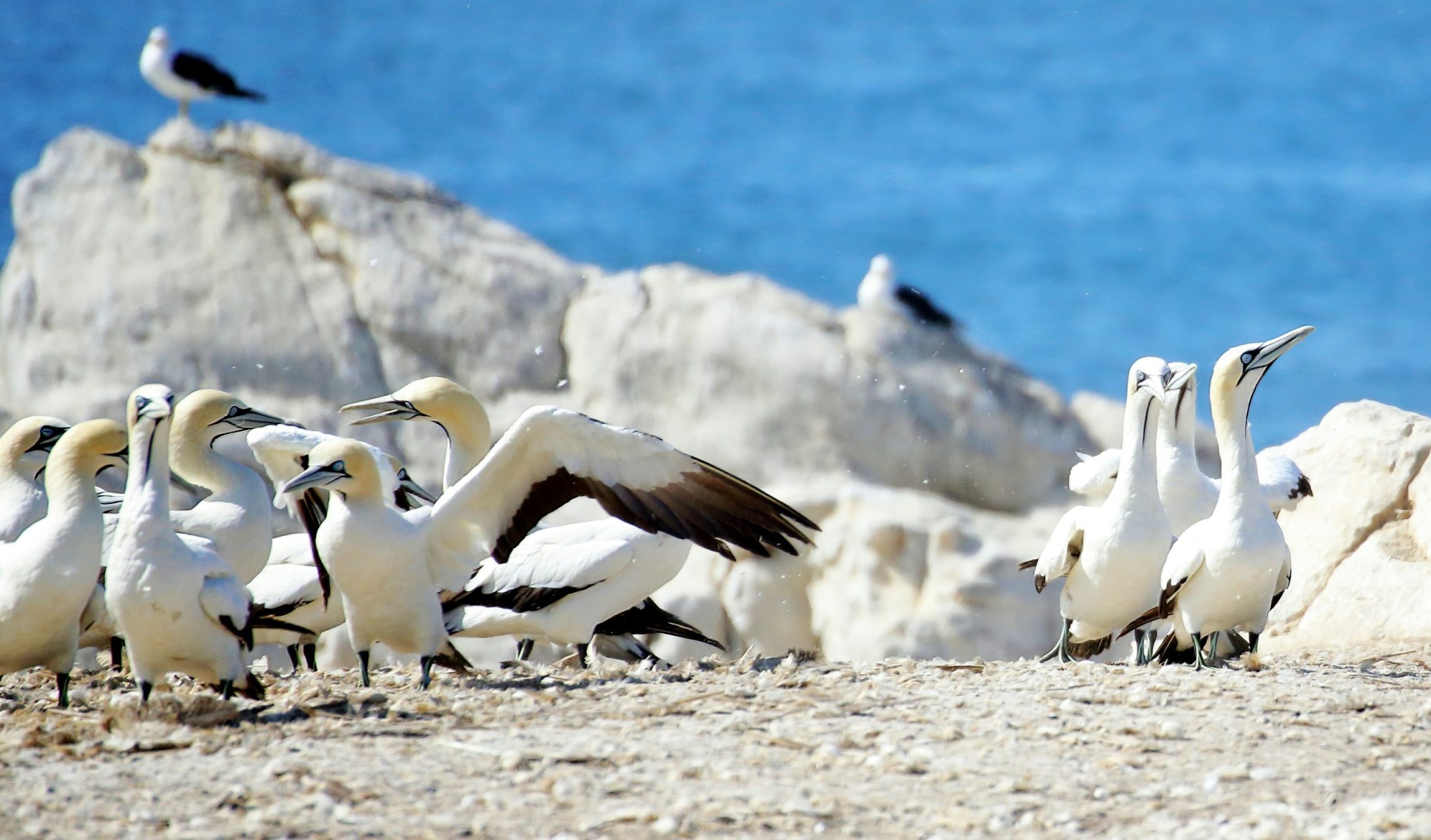
Lambert’s Bay is a small fishing town on South Africa’s West Coast in the Western Cape, positioned beside the Atlantic Ocean. Its setting is defined by a working harbour, sandy beaches, rocky shoreline, and the low, dry vegetation of the West Coast. The town is part of the Cape West Coast Biosphere region and is particularly known for its seabird colonies and fishing industry.

Ol Doinyo Lenga
Ol Doinyo Lengai, often called the "Mountain of God," is an active volcano located in northern Tanzania and is a must-visit for adventurous travelers. Towering over the Great Rift Valley, this majestic peak is unique due to its lava composition. Unlike most volcanoes that produce molten lava, Ol Doinyo Lengai emits natrocarbonatite lava, which is unusually cool and flows like water. This rare phenomenon makes it one of the most intriguing volcanic landscapes on Earth.