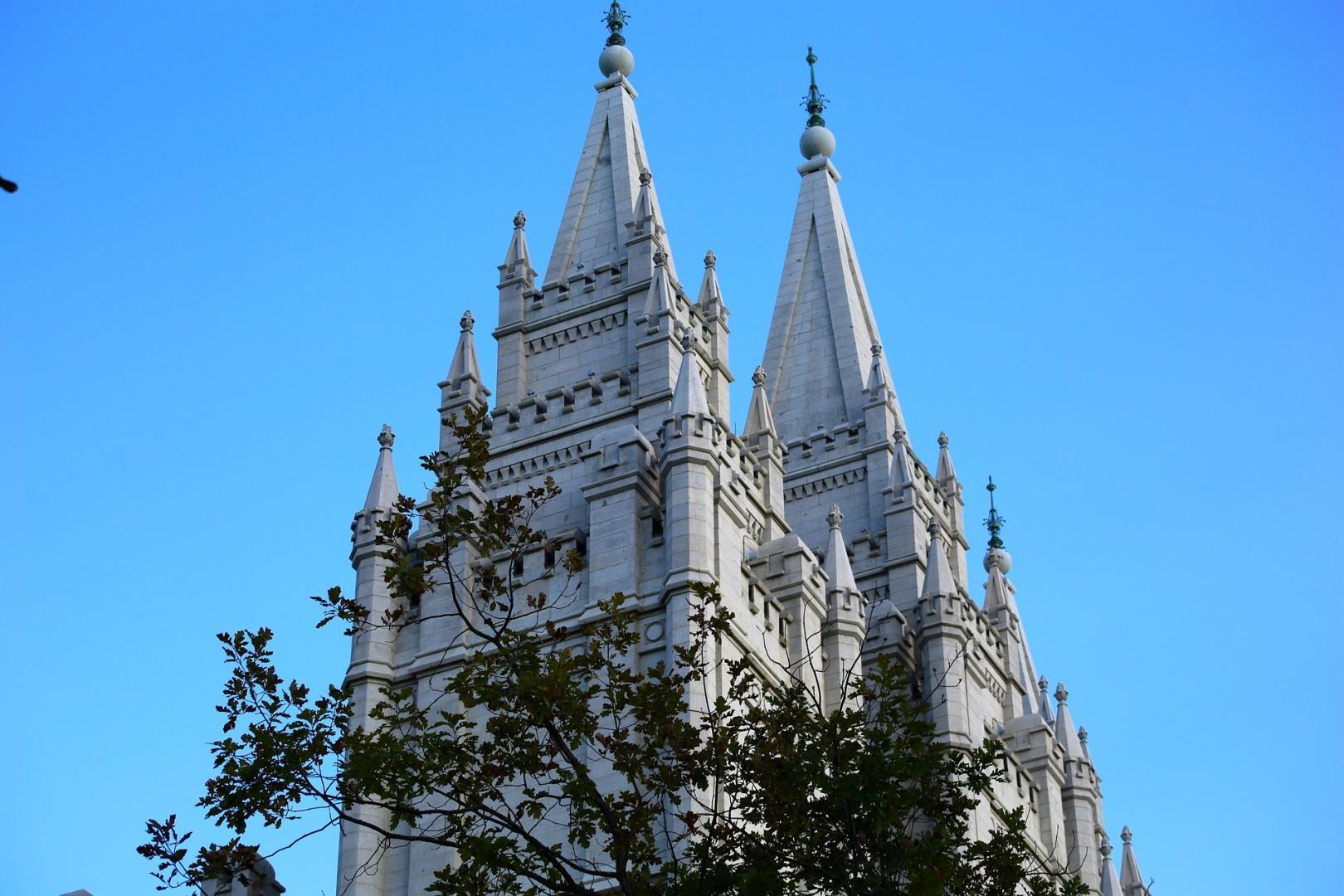
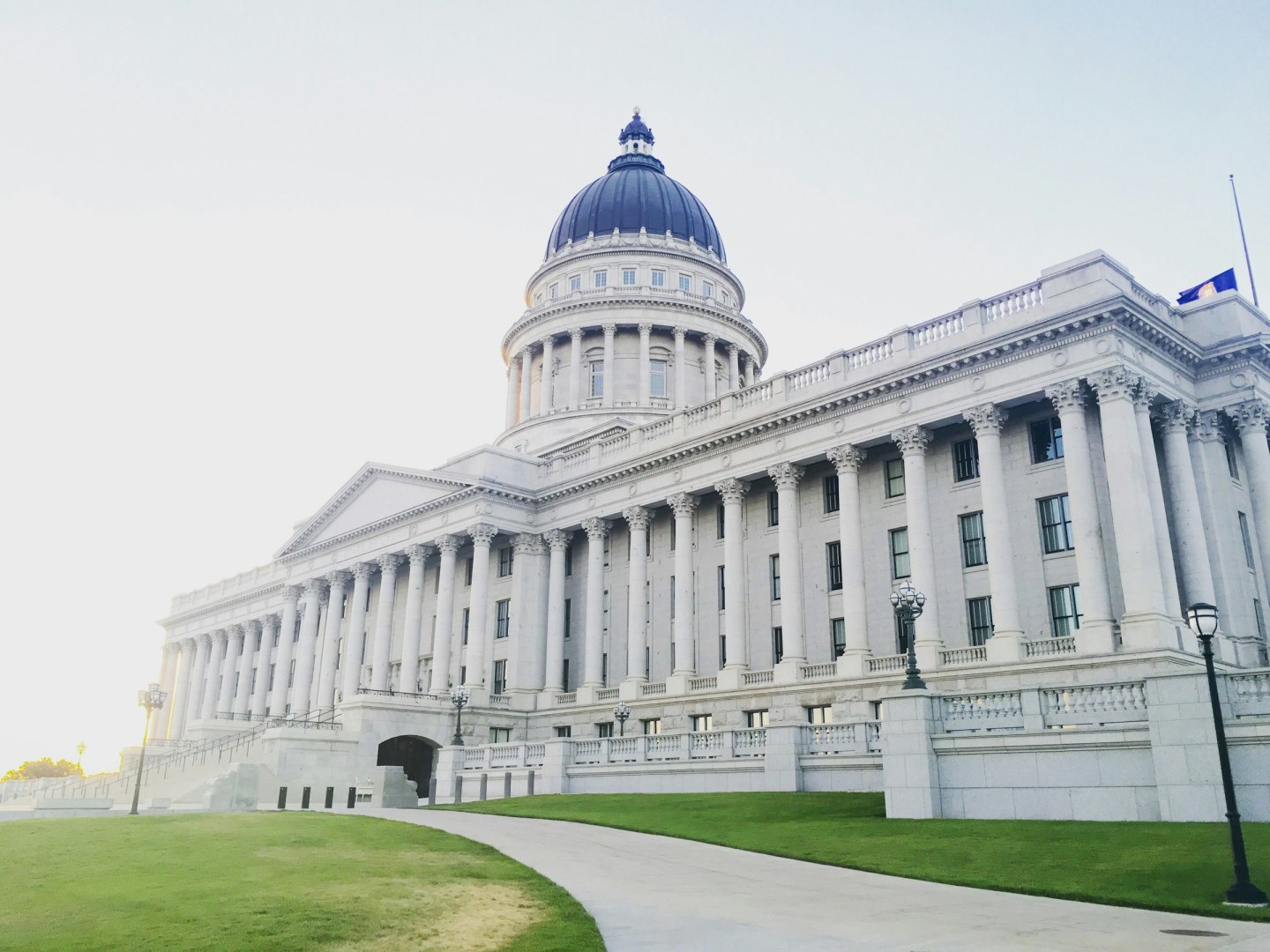
Tulum
Tulum, a jewel of the Riviera Maya, is a blend of ancient history, vibrant culture, and pristine natural beauty. Perched on a cliff overlooking the turquoise Caribbean Sea, the Tulum Ruins stand as one of the last cities built and inhabited by the Maya civilization. The well-preserved El Castillo, Temple of the Frescoes, and Temple of the Descending God offer insight into the architectural prowess and spiritual life of the ancient Maya.

Ljubljana
Ljubljana, Slovenia's charming capital, offers a delightful blend of historical allure and modern vibrancy. Nestled along the Ljubljanica River, this picturesque city invites visitors to explore its well-preserved medieval architecture and vibrant cultural scene. At the heart of Ljubljana is the iconic Ljubljana Castle, perched on a hilltop with stunning panoramic views of the city.
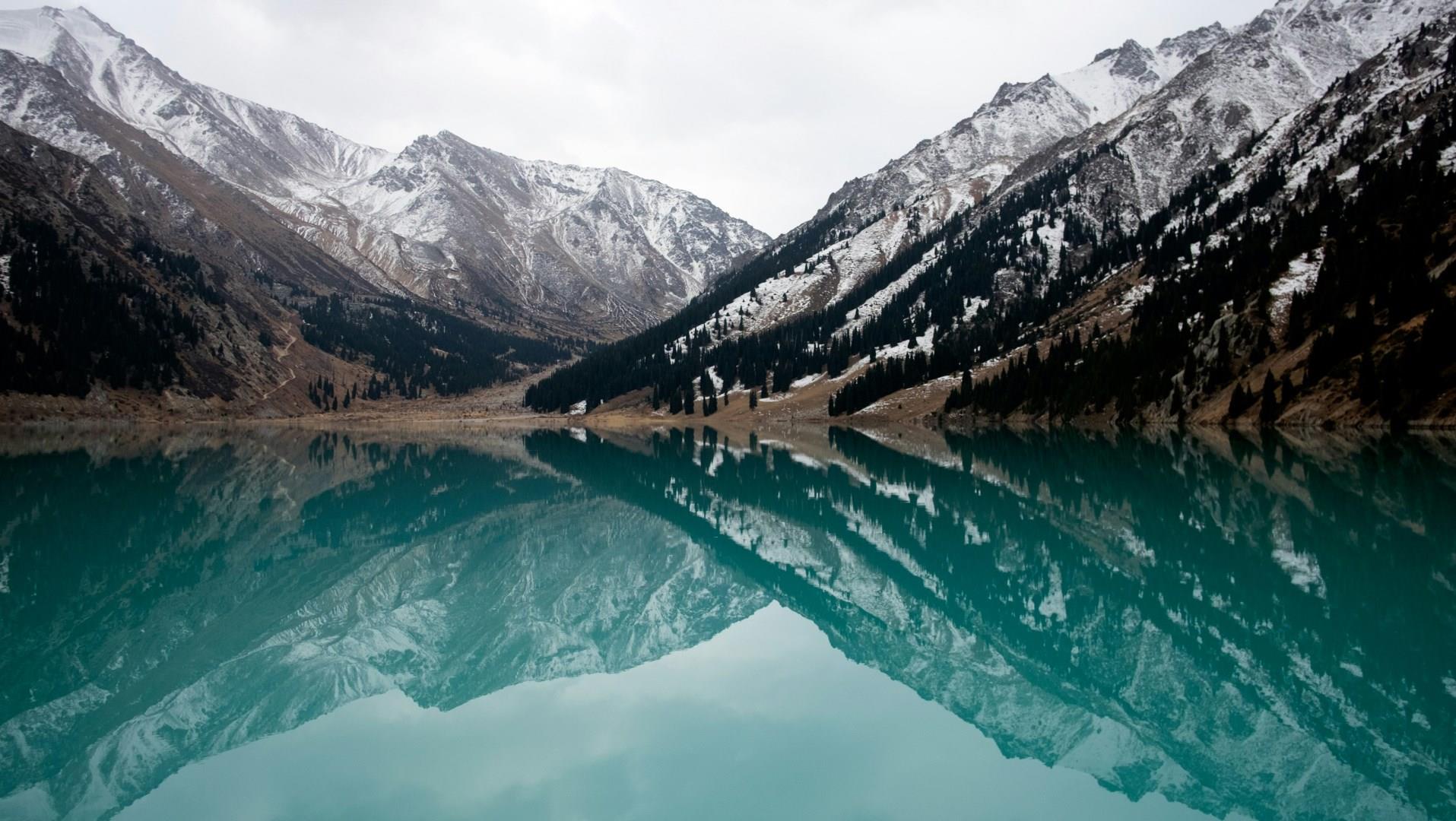
Kazakhstan
Kazakhstan, the world’s ninth-largest country, offers travelers a striking mix of sweeping steppe landscapes, modern cities, and deep-rooted nomadic traditions.
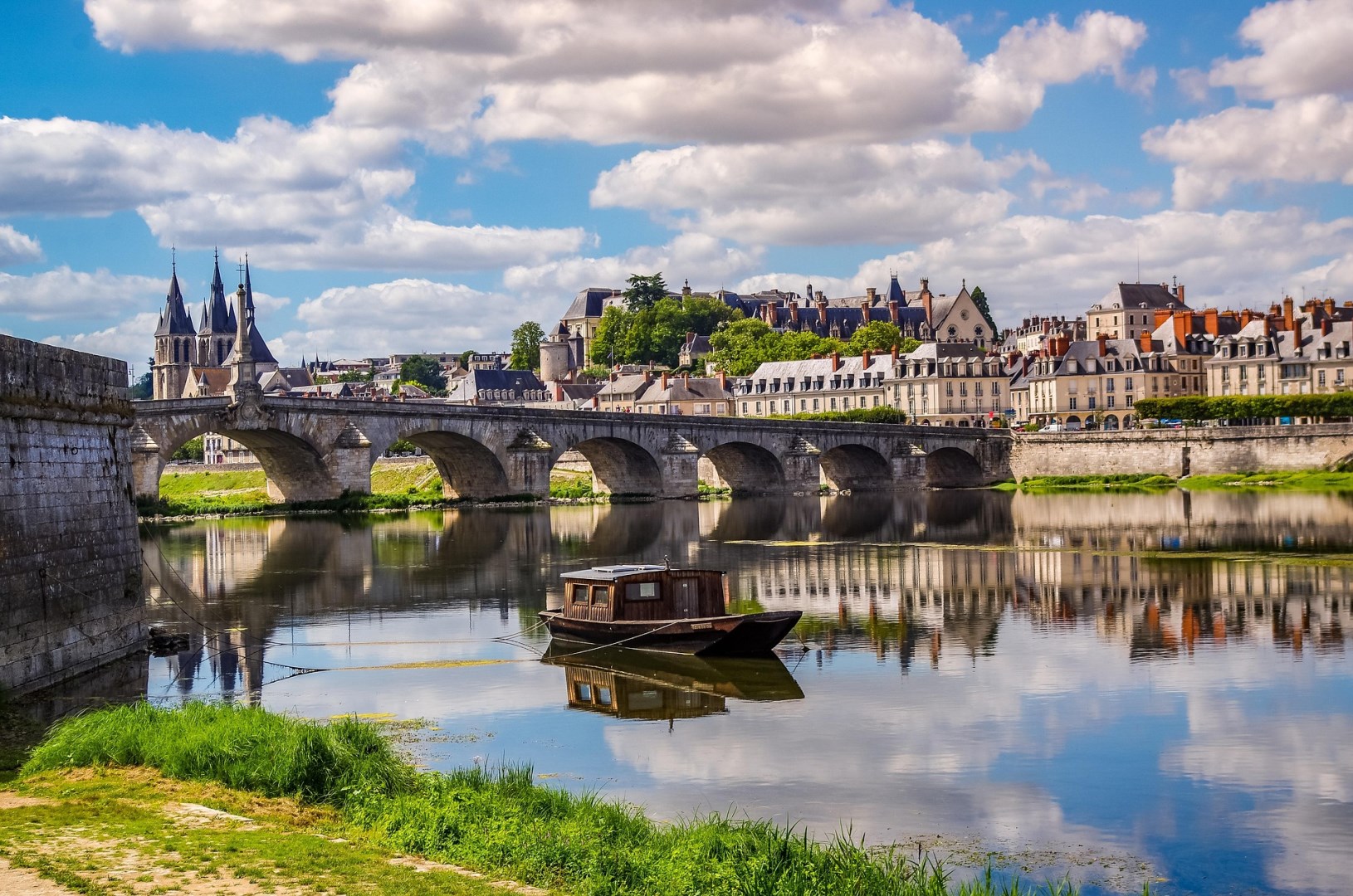
Blois
Blois is a historic city on the Loire River in central France, set among the vineyards, forests, and château country of the Loire Valley. Its old centre rises from the river toward the Château Royal de Blois, creating a landscape of steep streets, stairways, and terraces. Half-timbered houses stand alongside Renaissance townhouses, stone churches, and later buildings, while the river provides open views across the city.
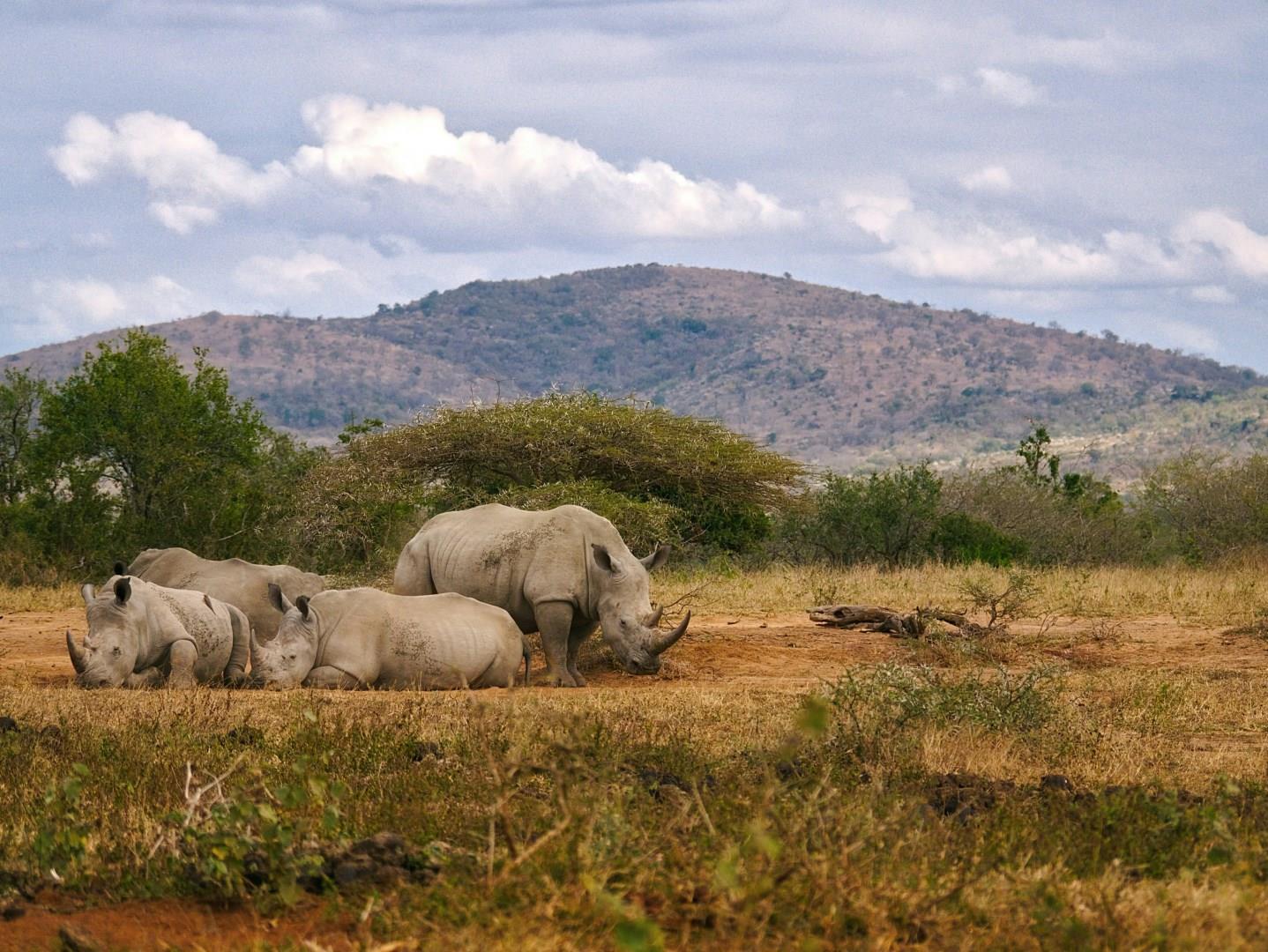
Hluhluwe-iMfolozi Park
Hluhluwe–iMfolozi Park, in South Africa’s KwaZulu-Natal province, is one of the country’s oldest protected areas and holds deep historical importance in conservation.