Koloa, Kauai
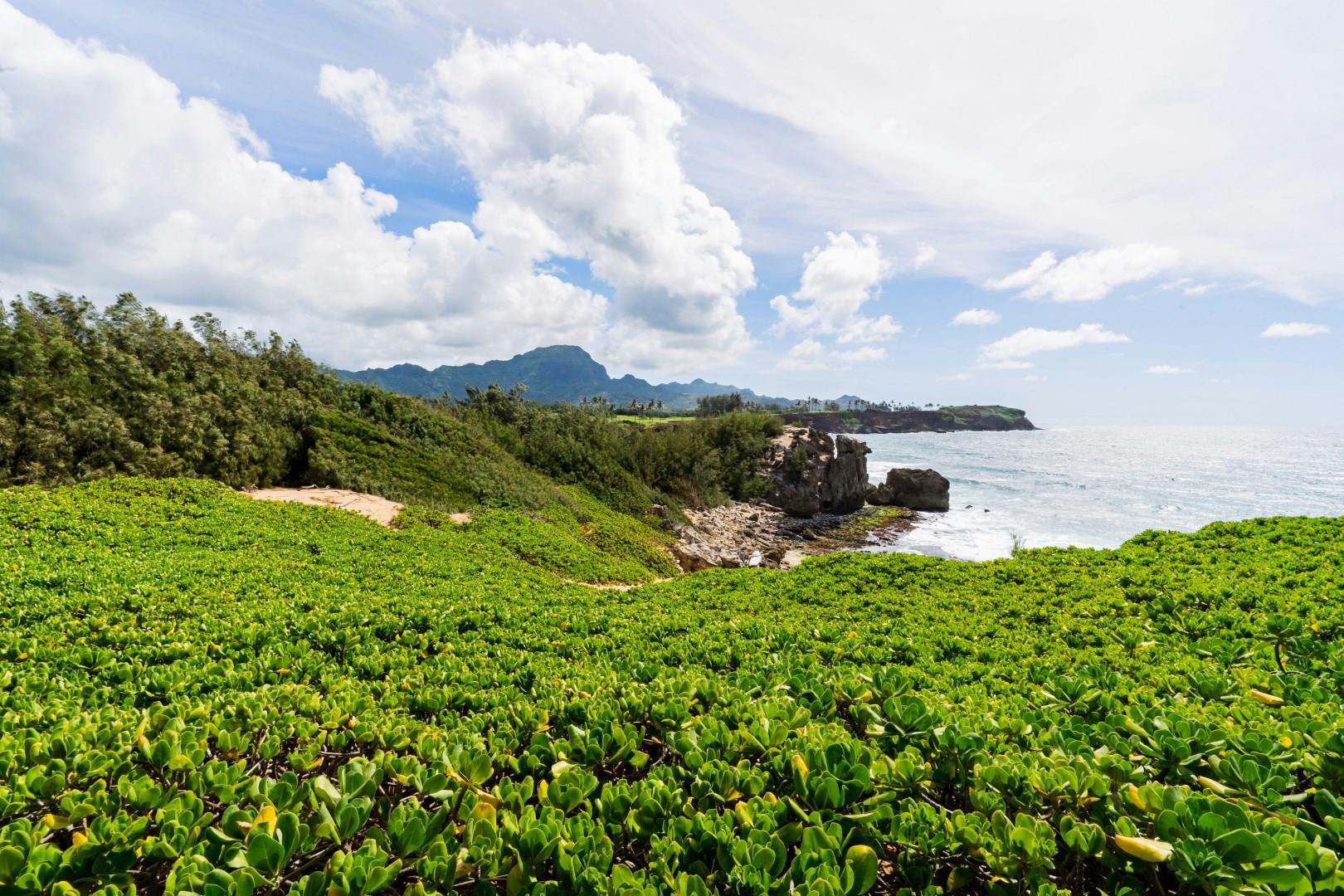
Koloa sits on Kauai’s south shore and holds a special place in Hawaiian history as the site of the islands’ first successful sugar plantation.
Bujumbura
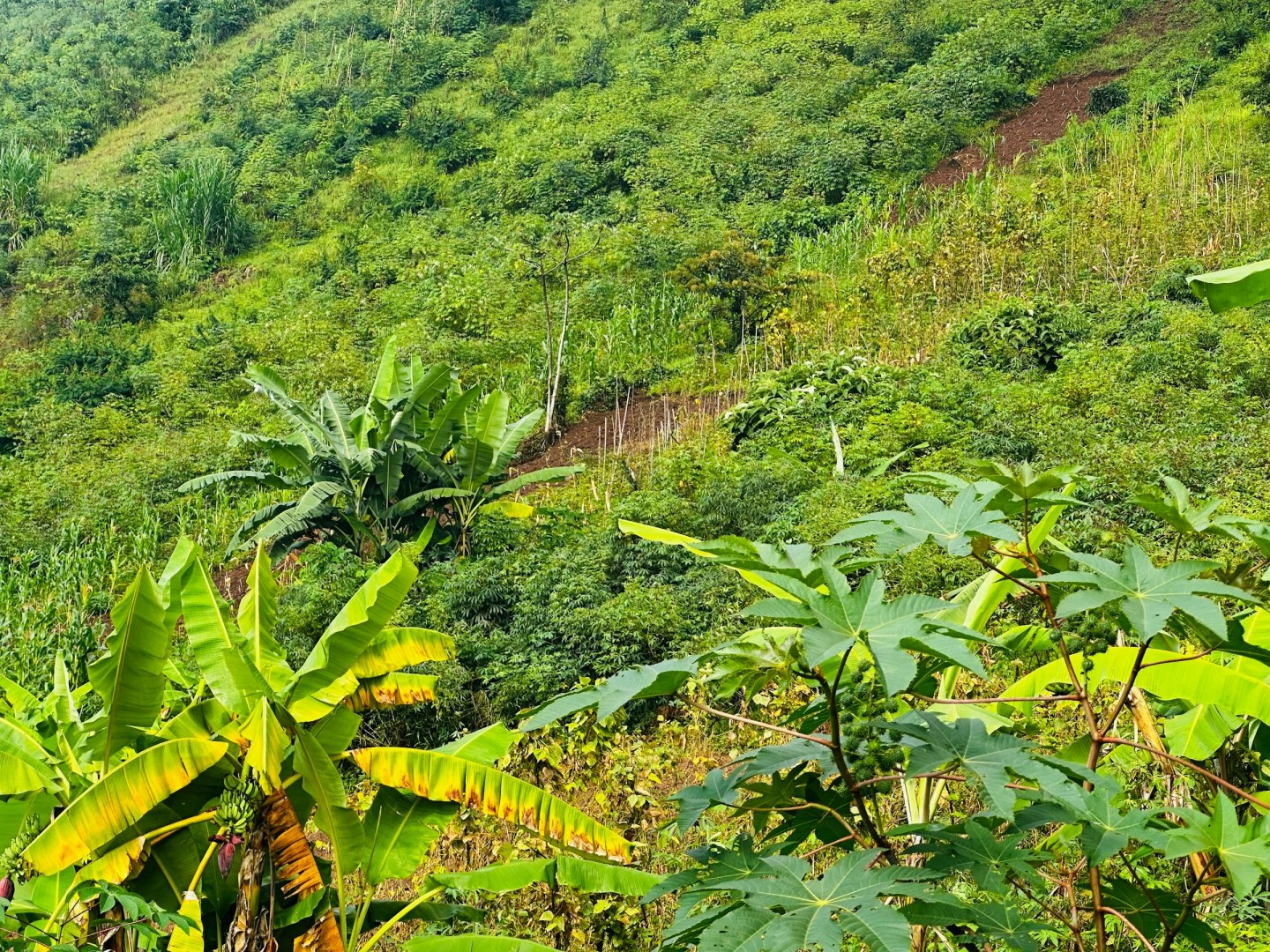
Bujumbura is Burundi’s largest city and economic centre, extending along the northeastern shore of Lake Tanganyika beneath the hills of western Burundi.
Pinnawala Elephant Orphanage
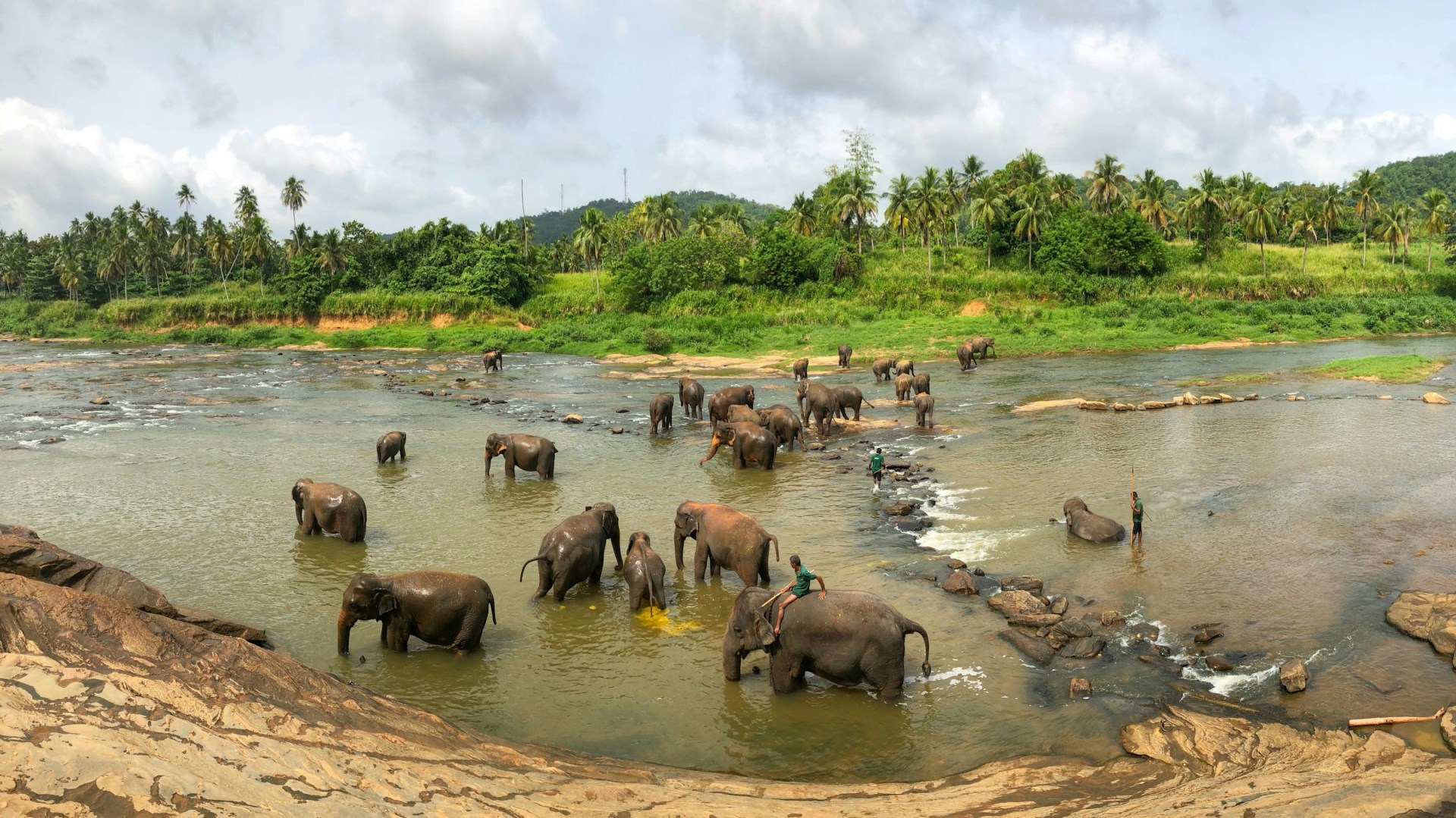
Pinnawala Elephant Orphanage is a well-known elephant care facility in Pinnawala village, in Sri Lanka’s Sabaragamuwa Province, about 13 kilometers northeast of Kegalle. Set on a large property beside the Maha Oya River, the facility provides care for Asian elephants and has become one of the country’s most recognized wildlife attractions. Its setting combines open grounds, coconut trees, and riverbanks where elephants can be observed during parts of their daily routine. The facility is managed

Molde
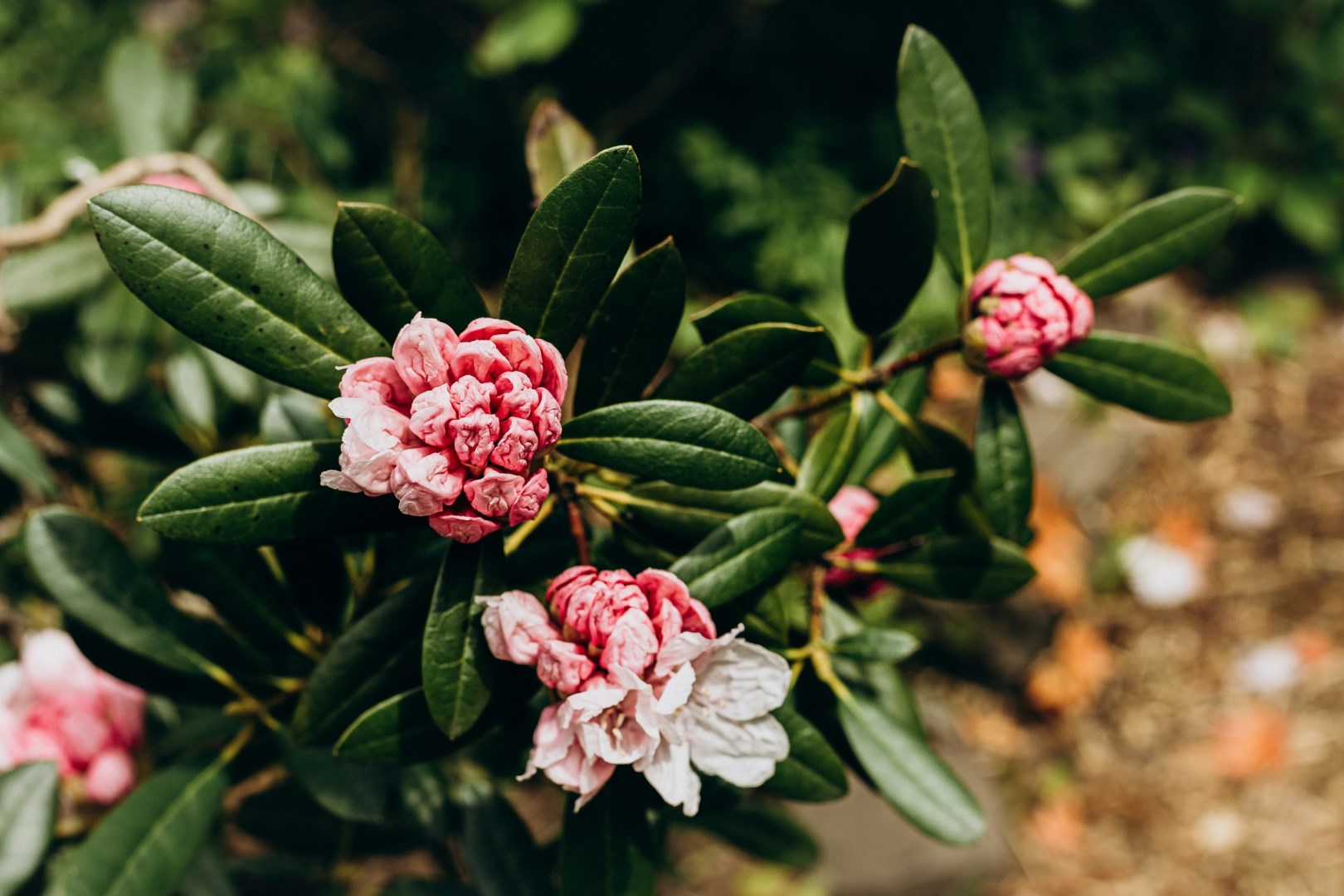
Nestled along the fjord-studded coastline of Norway, Molde is renowned for its breathtaking natural beauty and rich cultural heritage. Often called the "City of Roses" for its flourishing gardens and floral displays, Molde offers visitors a stunning panorama of 222 mountain peaks visible from its scenic viewpoints, including the renowned Varden Viewpoint. This spot provides an unparalleled vista of the surrounding fjords and peaks, making it a must-see for any nature enthusiast.
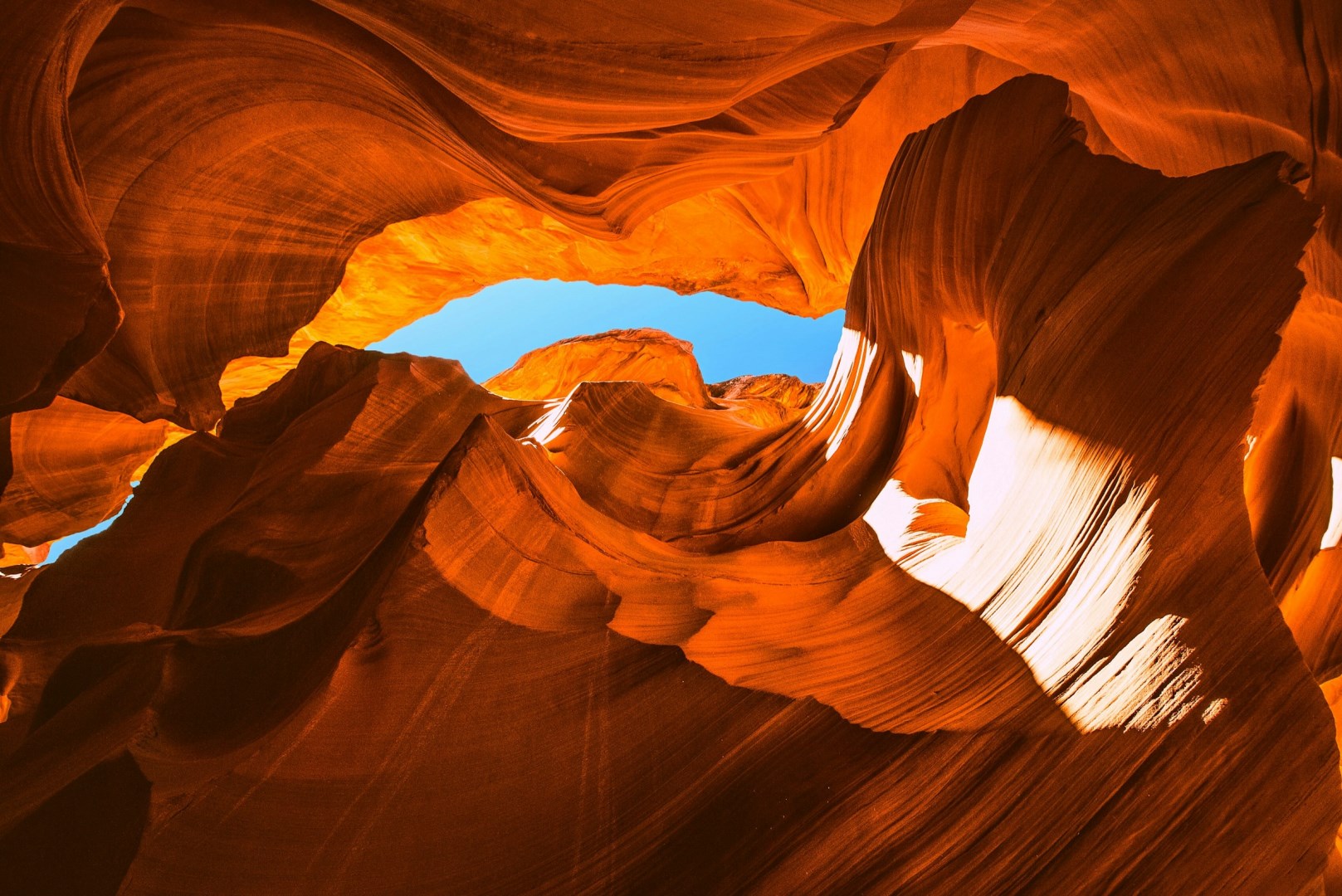
Antelope Canyon
Antelope Canyon is a narrow sandstone slot canyon on the Navajo Nation in northern Arizona, near Page and Lake Powell. It is divided into two main sections, Upper Antelope Canyon and Lower Antelope Canyon, both shaped by water erosion through Navajo Sandstone. The canyon is known for flowing walls, narrow passages, and shifting patterns of light and shadow.