Bernkastel
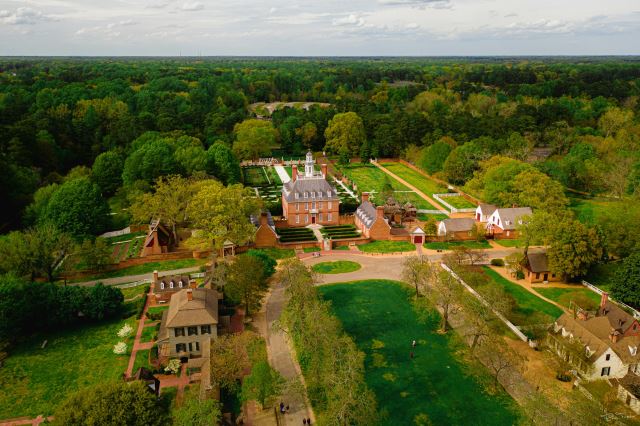
Timbered homes and winemaking are some of the defining characteristics of Bernkastel-Kues.
Episkopi
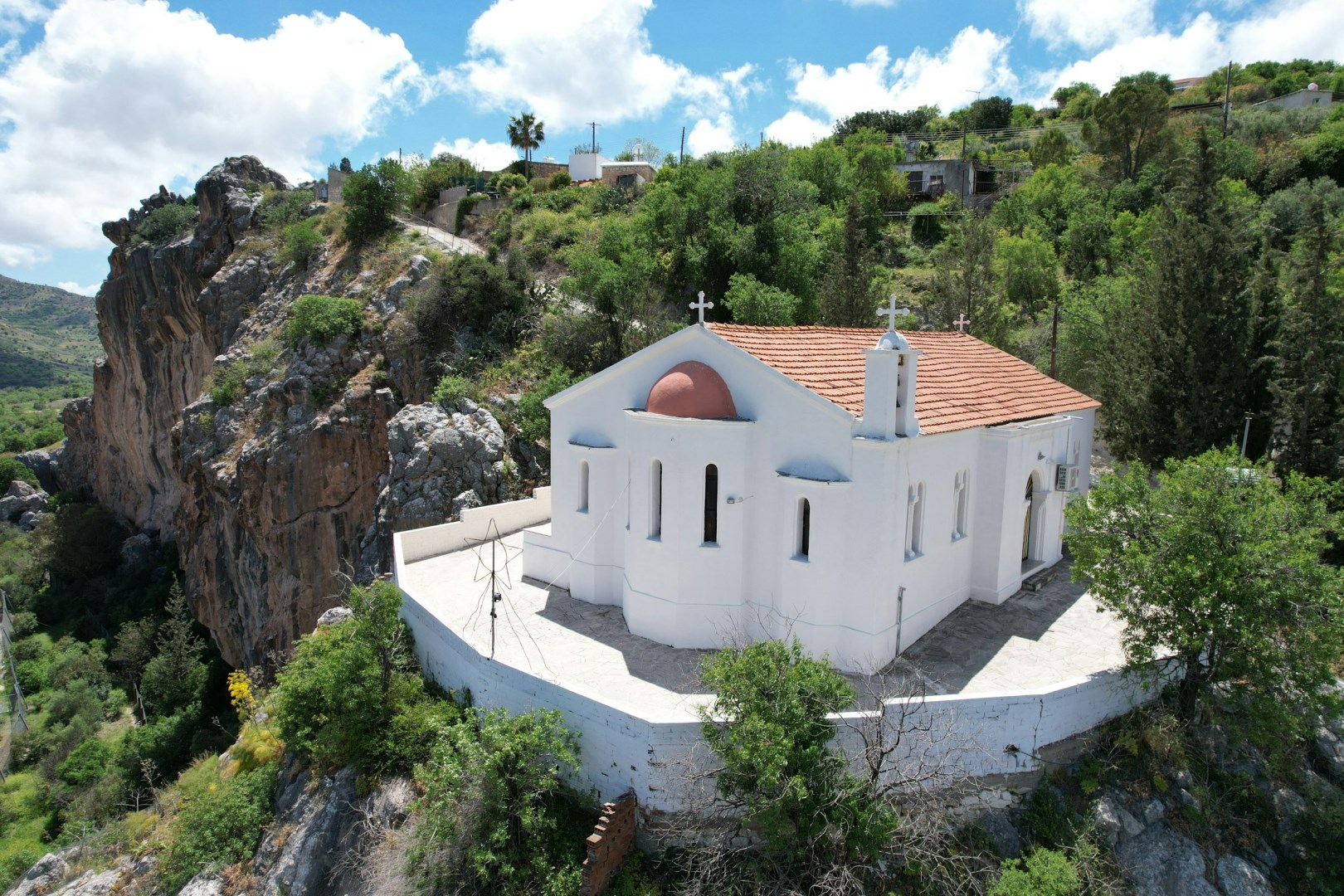
In southern Cyprus, this ancient area includes the Kolossi Castle, Kourion Basilica and Museum, and many other historical sites.
Blarney
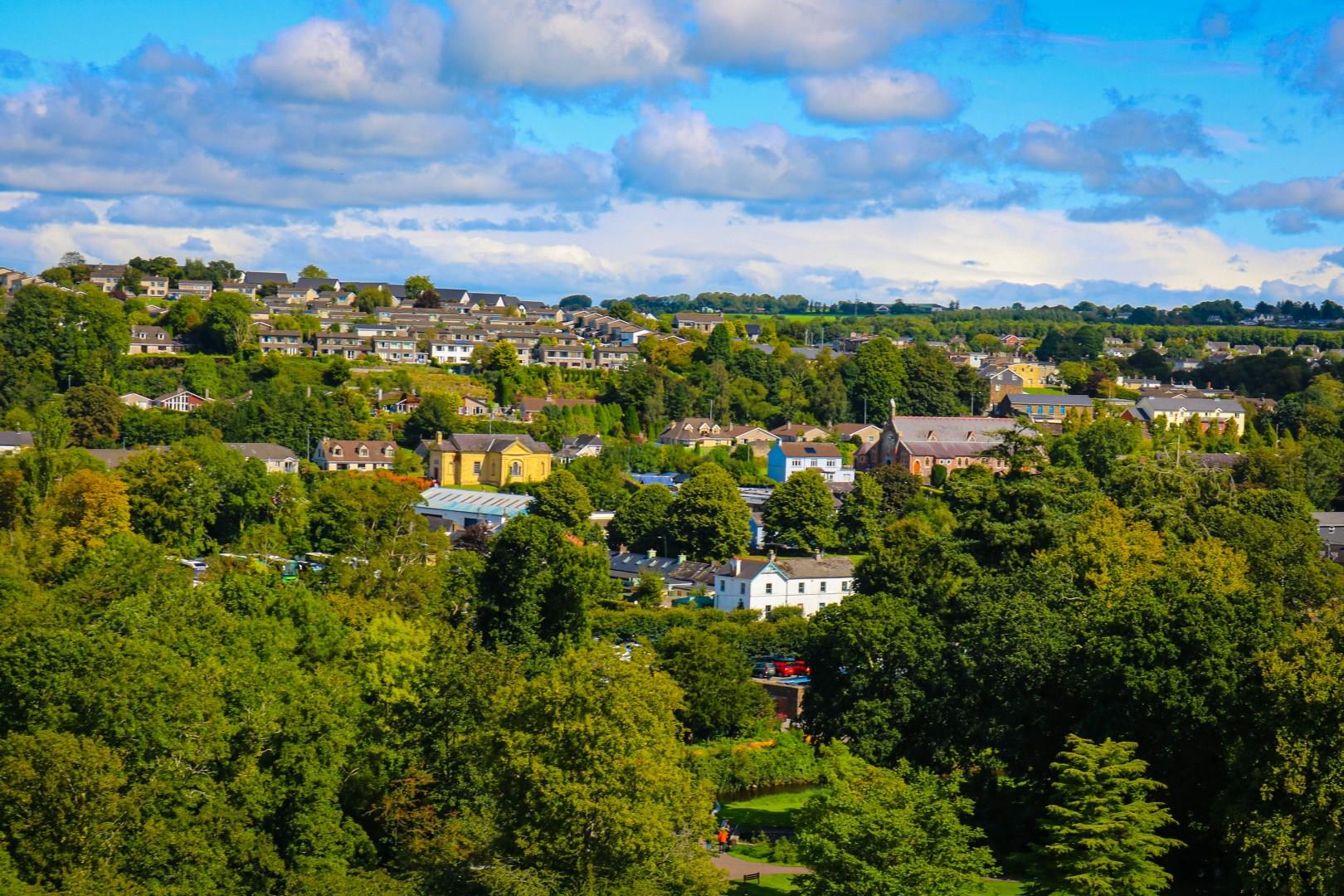
Blarney, a village just outside Cork in Ireland, is best known for its legendary Blarney Castle, where travelers from around the world come to kiss the famous Blarney Stone.
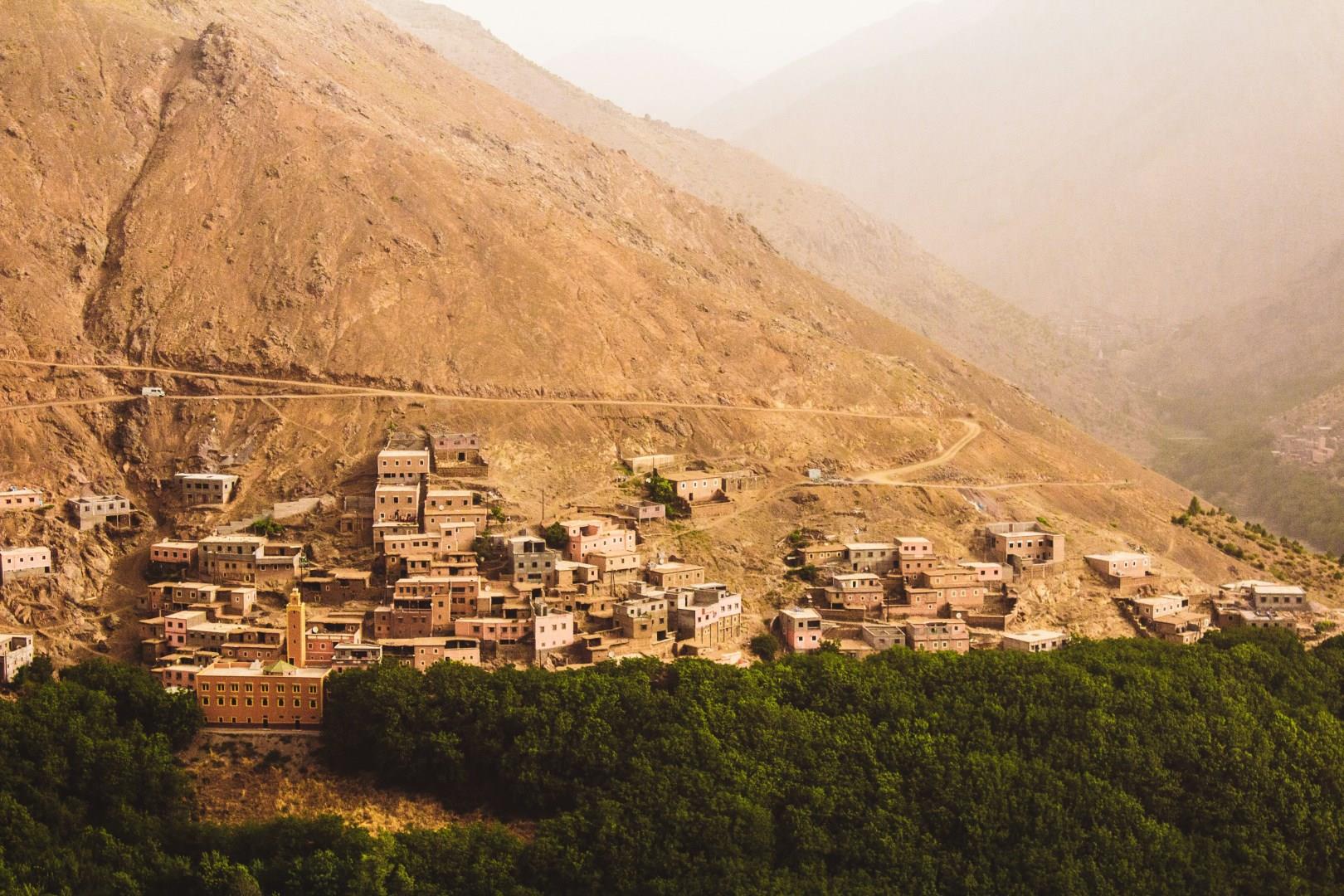
Imlil
Imlil is a small Berber village nestled in the High Atlas Mountains of Morocco, serving as a gateway to the Toubkal National Park. Its history is tied to mountain agriculture and traditional life, with stone houses and terraced fields reflecting centuries of adaptation to the rugged terrain.

Tournon
A popular stop on river cruises down the Rhône, Tournon, France is a picturesque town south of Lyon. Despite its small size, this French ville is instantly charming. From historic buildings like the Château-Musée de Tournon and the Église Saint-Julien de Tournon, to the lush botanical splendor of the Jardin d’Eden, Tournon’s quaint beauty is guaranteed to enchant.