Perched on the northern shore of Lake Geneva, Lausanne is a city that blends centuries of history with a strong cultural identity. It served as a Roman military camp called Lousanna before evolving into a key medieval settlement. Today, visitors can still climb the tower of Lausanne Cathedral, widely regarded as the most impressive Gothic structure in Switzerland. From the top, the view stretches over the rooftops of the Old Town to the vineyards of Lavaux and across the lake to the French Alps.
The whole south of Morocco is summarized in the historical, traditional and exotic sounding word "Ouarzazate". In Ouarzazate everything is calm, beautiful and fresh - the very image of the authentic south of Morocco, where time has stood still for centuries. The town has been located in three different places during its existence, two of them still inhabited today.
Modena is a historic city in the Emilia-Romagna region of northern Italy, celebrated for its deep culinary heritage, elegant architecture, and automotive excellence. It lies in the fertile Po Valley and is often considered one of Italy’s most livable cities.
Oranjestad, Aruba’s colorful capital, blends Dutch colonial charm with the island’s easygoing Caribbean character. The city’s pastel-painted buildings, adorned with gables and decorative facades, recall its Dutch heritage while housing modern boutiques, cafés, and museums.
On Greenland’s west coast, Ilulissat (once known as Jakobshavn) welcomes travelers with astonishing ice scenery and a sense of scale that feels almost otherworldly. The town sits beside Disko Bay, where immense icebergs drift silently past, glowing pink and gold in the Arctic light. The name “Ilulissat” means “icebergs,” and it could not be more fitting. Here, every turn toward the sea offers a fresh view of towering ice forms, each one sculpted by nature into something fleeting and beautiful.
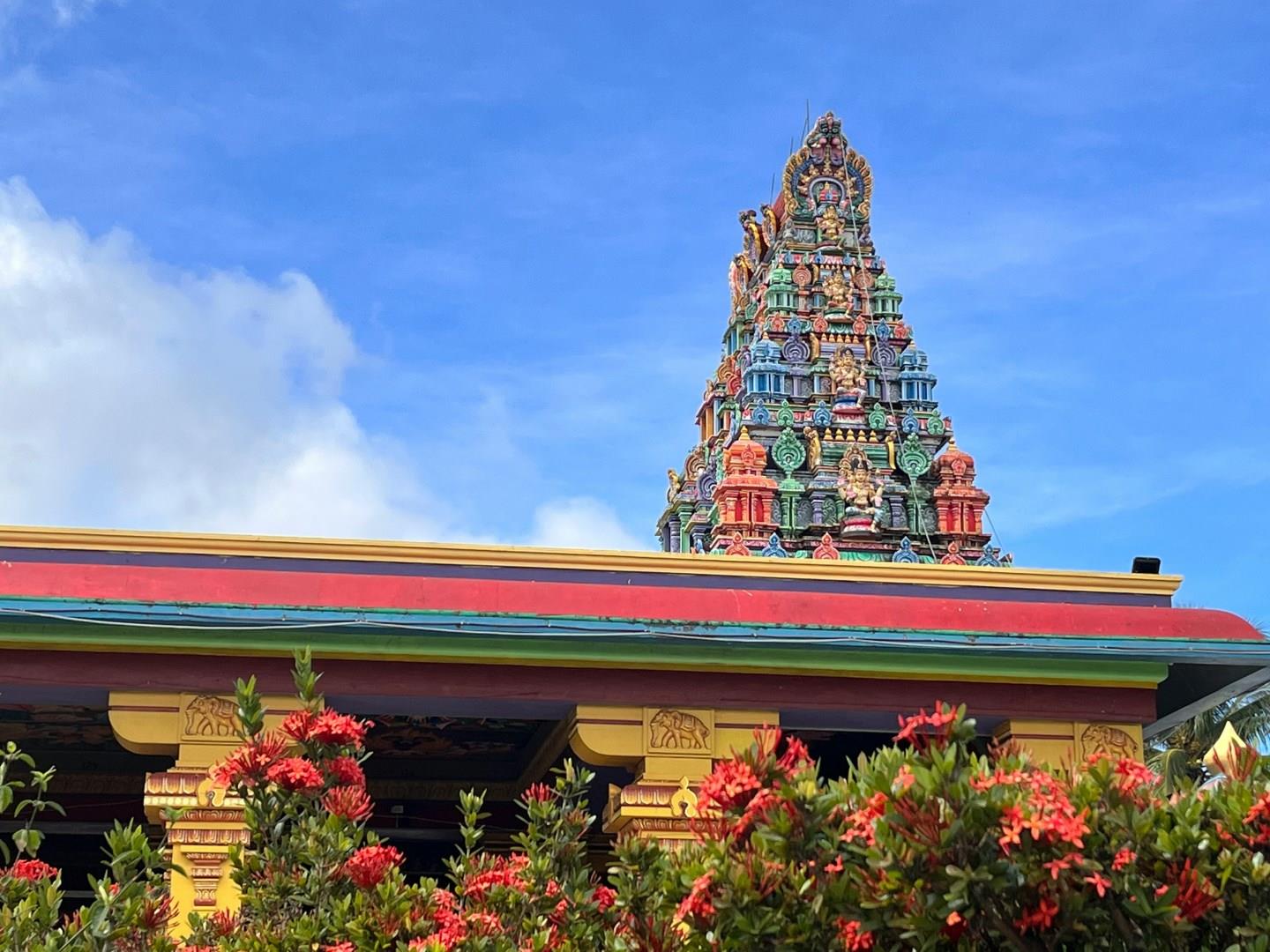
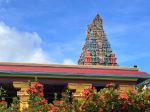
Nadi, a vibrant city on Fiji's western coast, offers a gateway to some of the South Pacific's most enchanting experiences. Known for its bustling markets and lively atmosphere, Nadi is a hub of culture and activity. A must-see is the Sri Siva Subramaniya Temple, the largest Hindu temple in the Southern Hemisphere, renowned for its intricate Dravidian architecture and colorful frescoes. The temple’s vibrant and spiritual ambiance provides a glimpse into Fiji's rich Indian heritage.
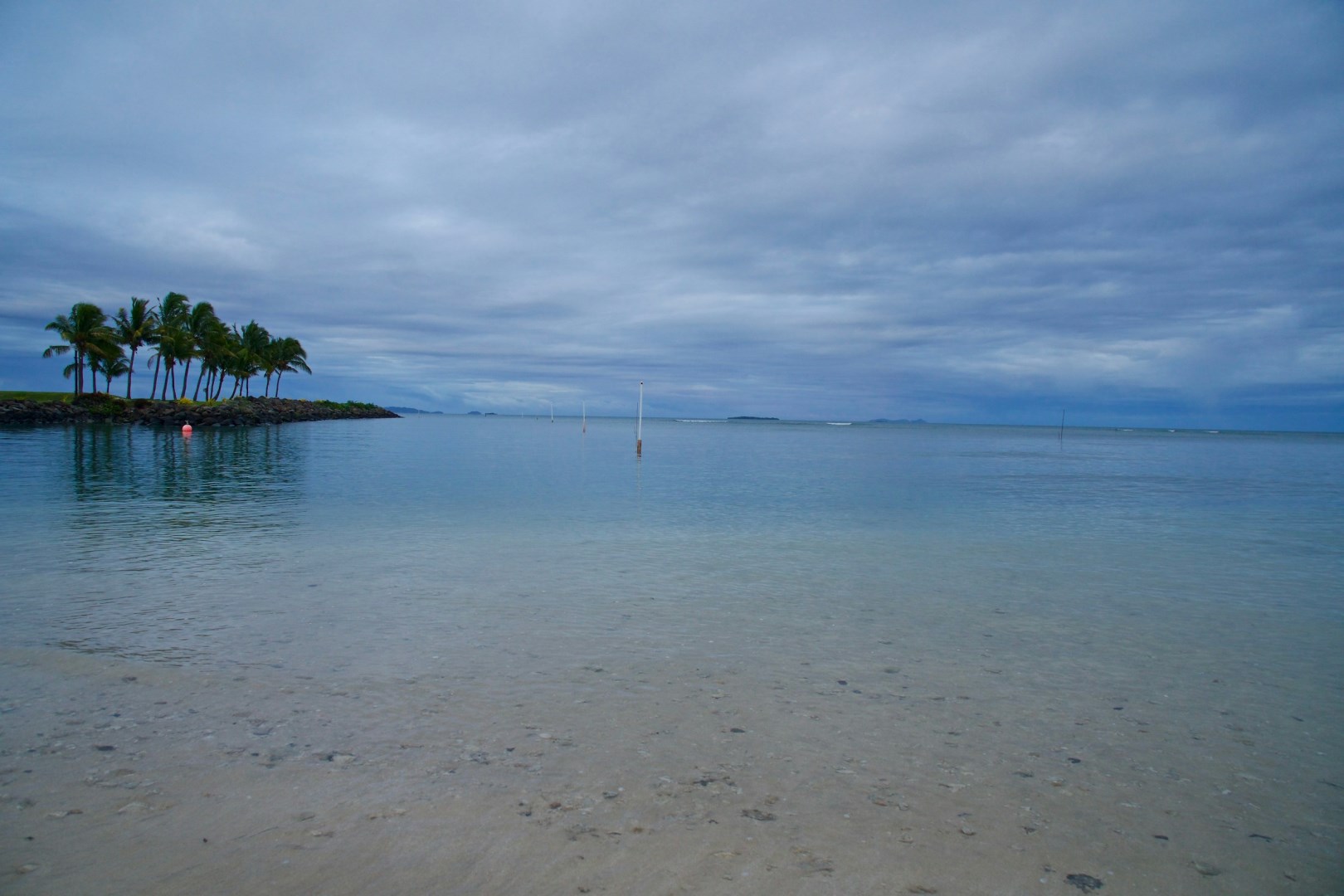
Beyond cultural landmarks, Nadi is a launchpad for exploring the stunning natural beauty of the Fijian archipelago. The nearby Mamanuca Islands and Yasawa Islands offer pristine beaches, crystal-clear waters, and world-class snorkeling and diving opportunities. The islands' idyllic settings are perfect for relaxation and adventure alike, with options ranging from island-hopping tours to water sports and spa treatments.
For those interested in local life, a visit to the Nadi Market is essential. This bustling market is a sensory delight, offering everything from fresh produce and spices to handcrafted souvenirs. It's a great place to experience Fijian hospitality and pick up unique gifts. The lively environment and colorful stalls reflect the city's diverse cultural tapestry.
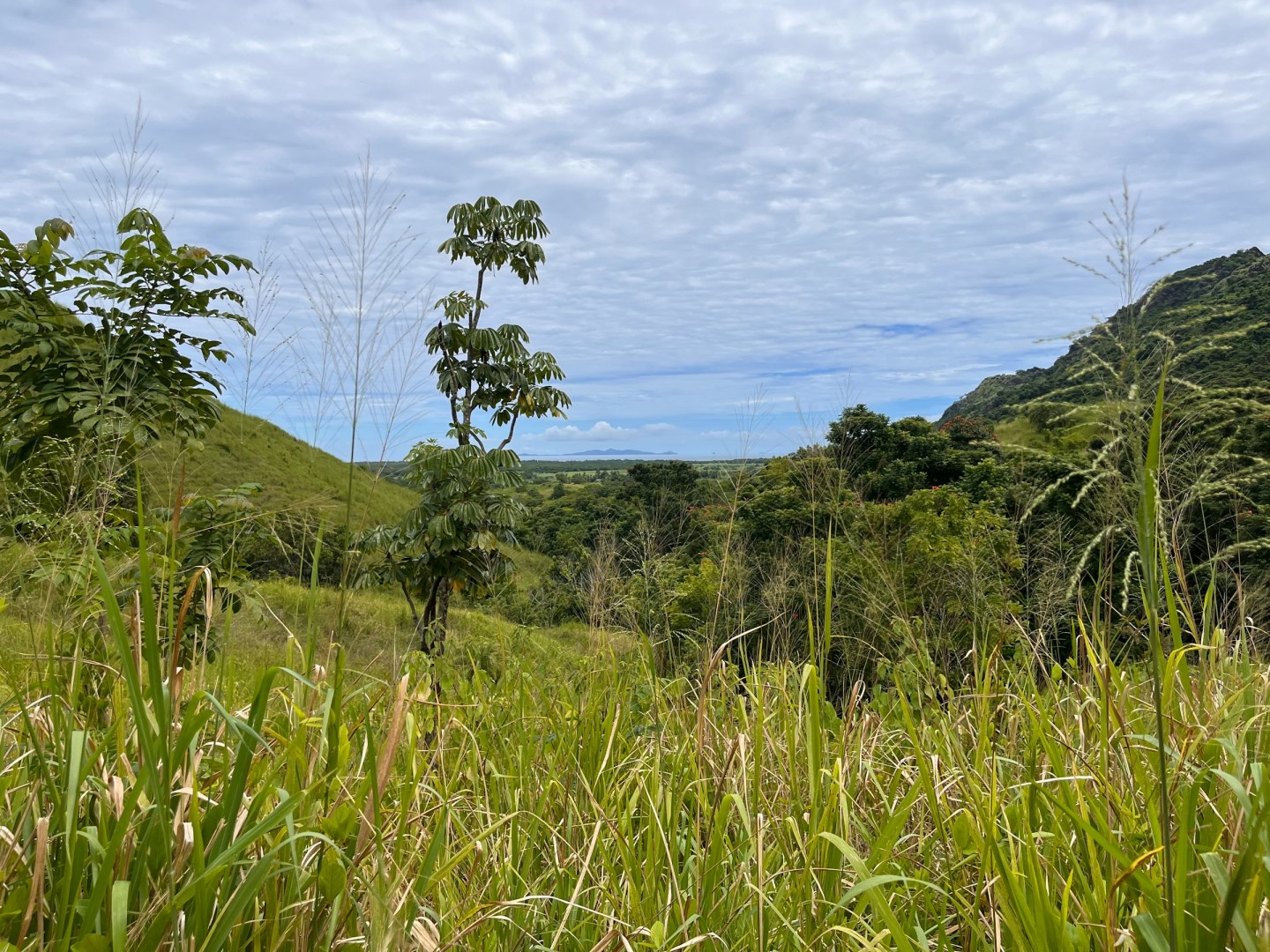
Nadi's tropical climate and sunny weather make it a year-round destination. The city enjoys an average temperature of 81°F (27°C) and boasts more than 300 sunny days each year. This pleasant weather ensures that visitors can enjoy outdoor activities and beachside relaxation virtually anytime they choose.