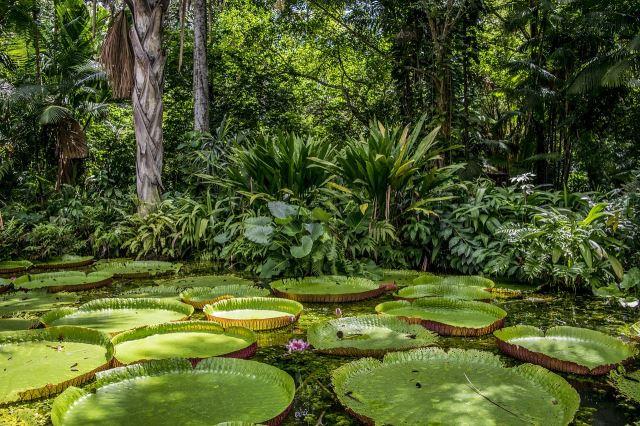
Manzanillo
Manzanillo, located on Mexico’s Pacific coast, is a port city known for its beautiful beaches, excellent seafood, and world-class fishing. It is one of the country’s busiest ports, and is often called the "Sailfish Capital of the World."
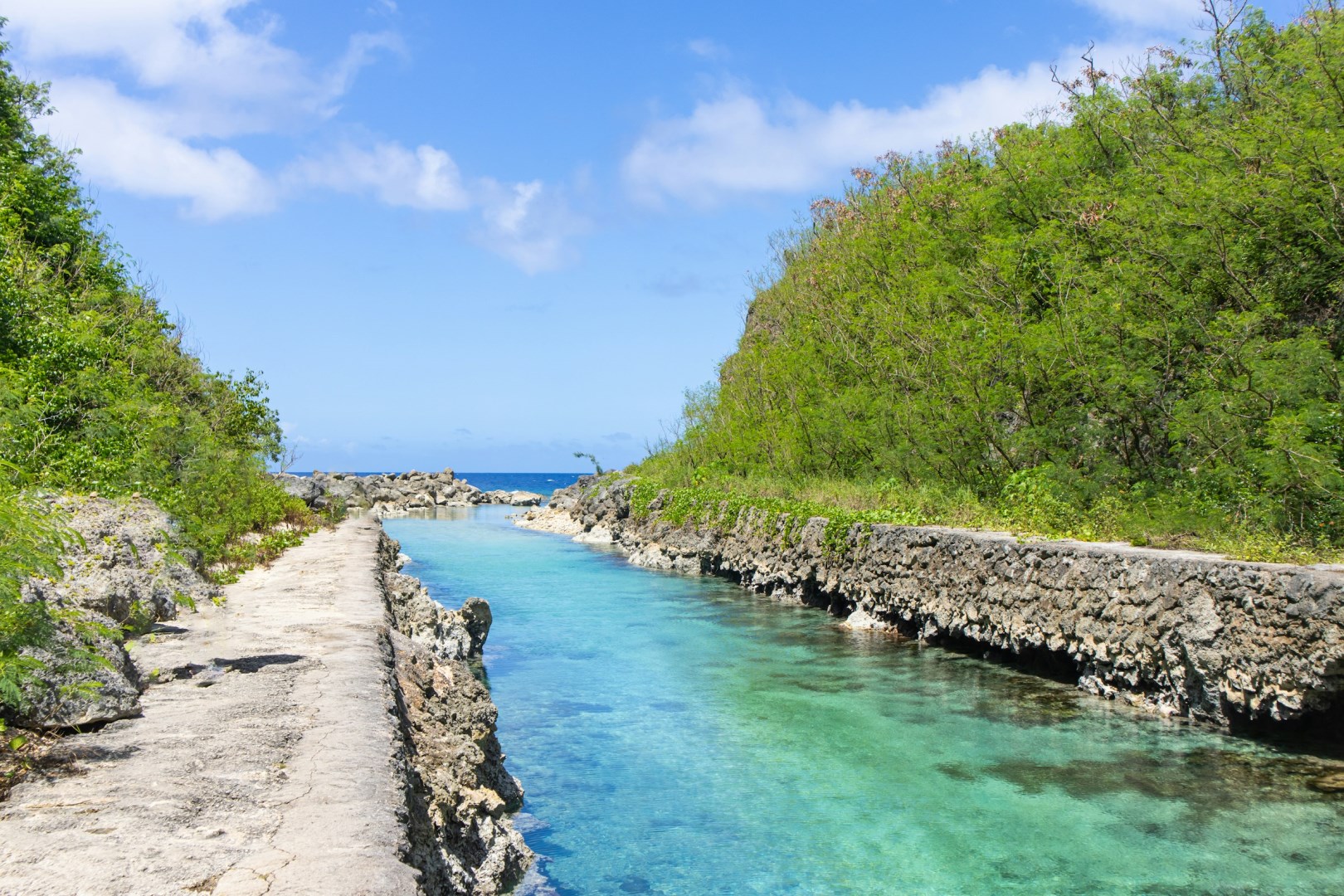
Guam
Guam, a vibrant island territory in the Western Pacific, offers travelers more than just sandy beaches and turquoise water. As the largest island in Micronesia, Guam has a dynamic past that’s shaped its present. Evidence of ancient Chamorro settlements can be found at sites like Latte Stone Park, where limestone pillars dating back over a thousand years stand tall.
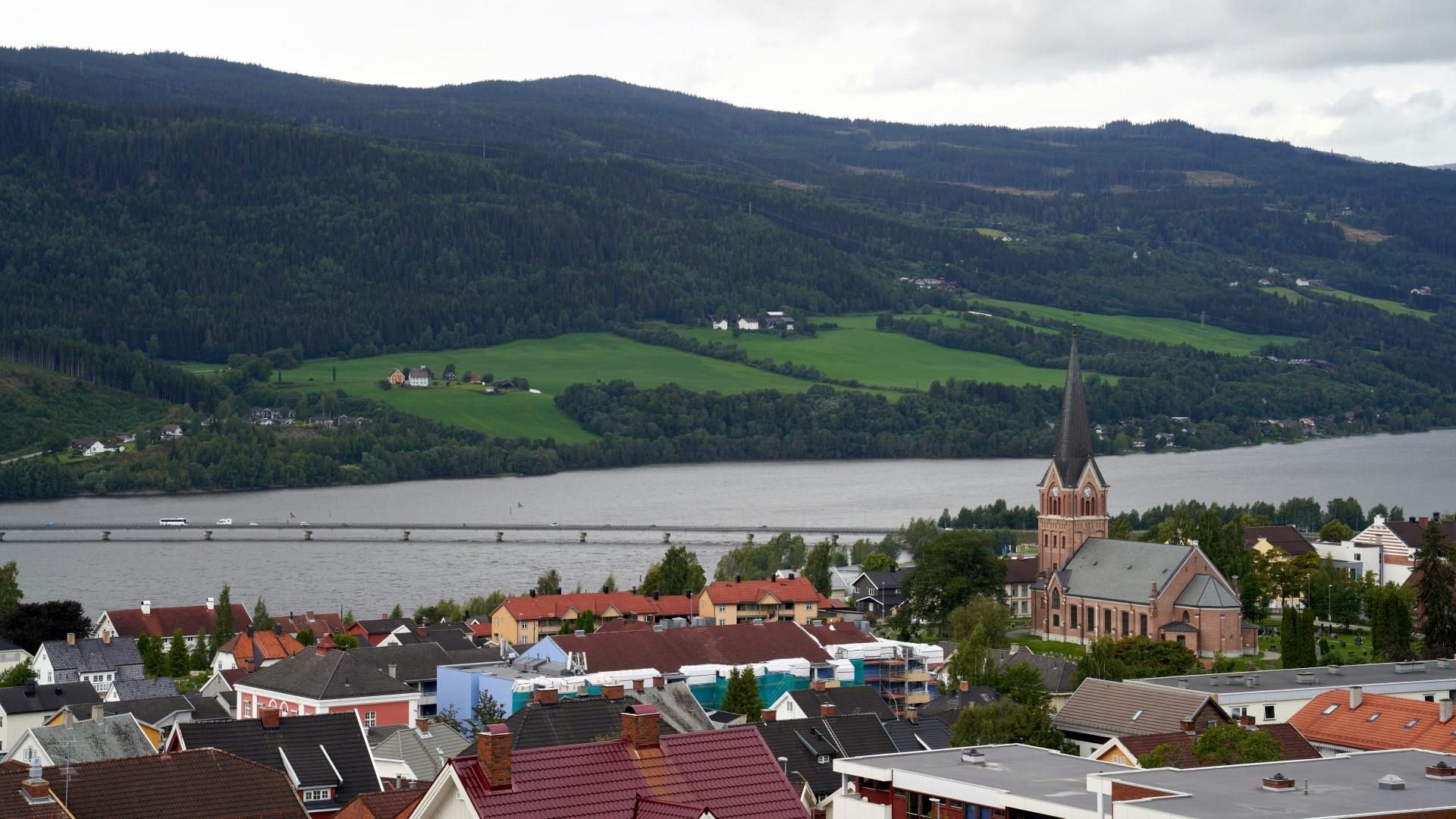
Lillehammer
Lillehammer, nestled along the northern shores of Norway’s Lake Mjøsa and framed by pine-covered hills, is a town that blends natural beauty with cultural richness. Famous for hosting the 1994 Winter Olympics, Lillehammer has leveraged its global spotlight to cultivate attractions that celebrate both its sporting legacy and artistic heritage.
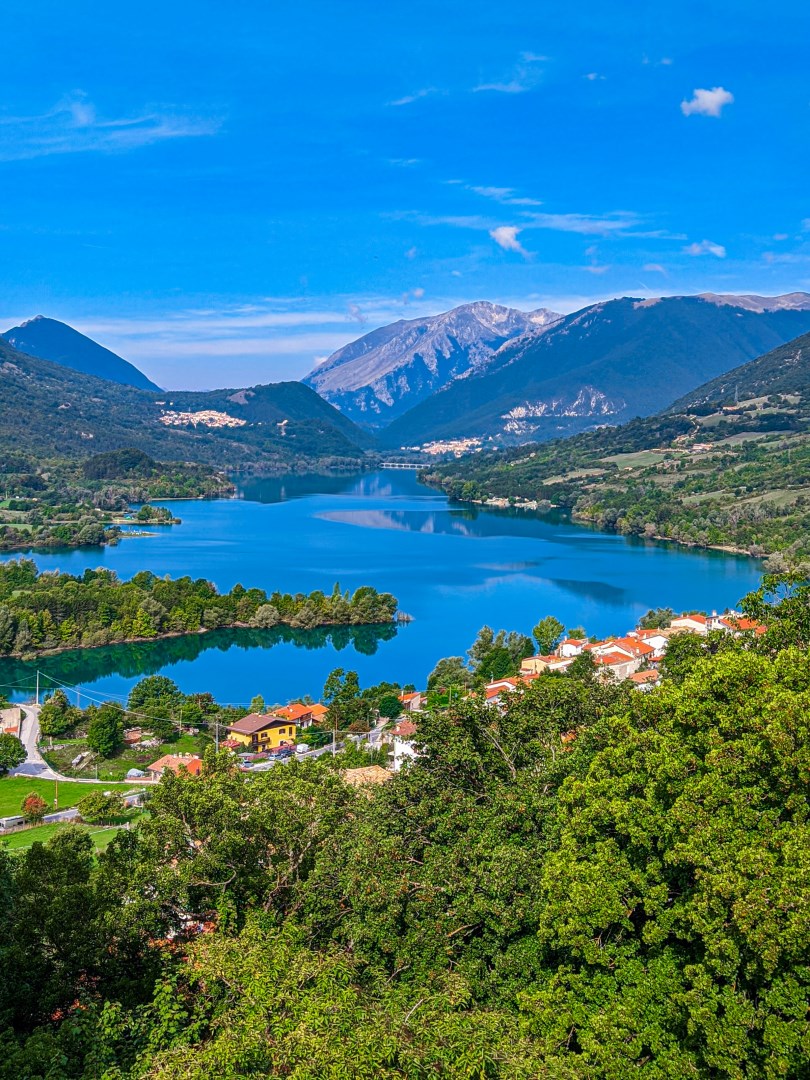
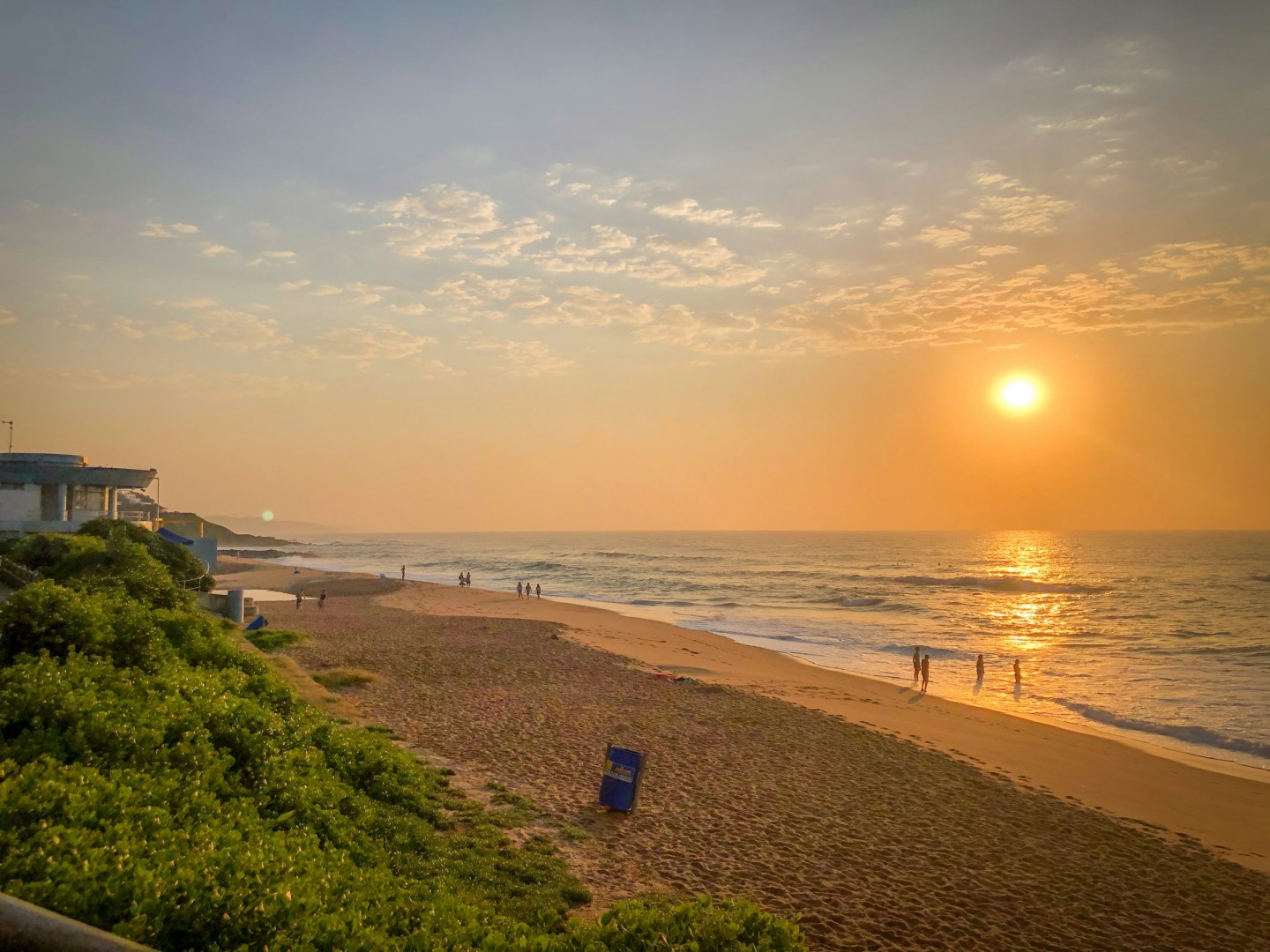
Ballito
Ballito is a coastal town on South Africa’s KwaZulu-Natal North Coast, forming part of the area commonly known as the Dolphin Coast. It lies north of Durban along a subtropical stretch of the Indian Ocean, with sandy beaches, rocky coves, and warm coastal waters defining much of its setting. The town has grown from a small holiday and farming community into a busy residential and visitor centre, with restaurants, cafés, shopping areas, and accommodation. Its position also makes it a useful base