Winnipeg
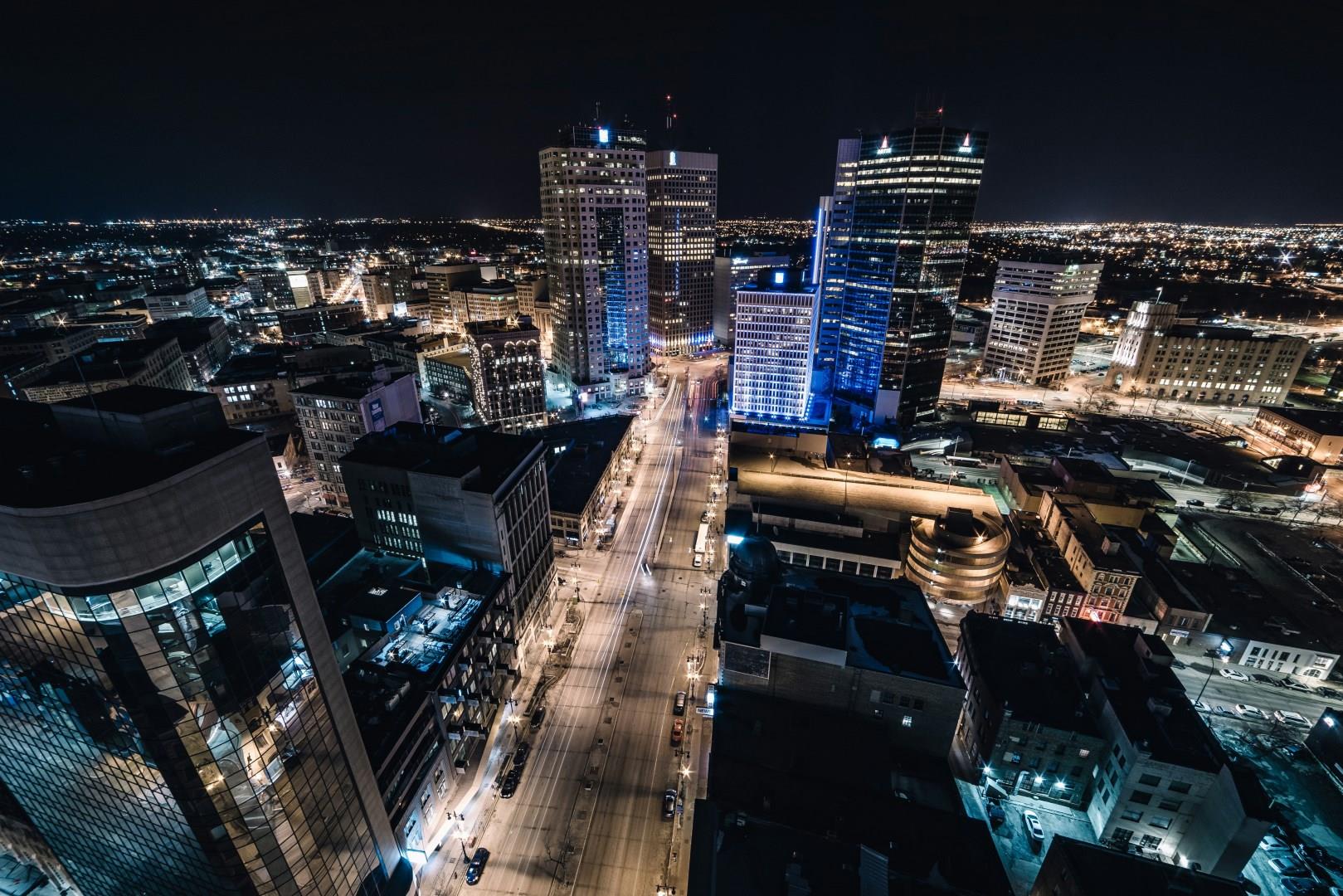
Winnipeg sits at the meeting point of the Red and Assiniboine rivers, a location that has shaped its role as a gathering place for thousands of years. Long before it became a modern city, the area was central to Indigenous trade networks, a legacy that remains visible today through institutions like The Forks and the Canadian Museum for Human Rights.

Wellington
On Cook Strait sits Wellington, New Zealand's charming windy city. Must-sees here include the waterfront, the lovely beaches, and the Wellington Cable Car that takes riders to botanical gardens. For cultural exposure, visit The Museum of New Zealand Te Papa Tongarewa, with its Maori national treasures and art gallery. Wellington Zoo is another key attraction, and features Tahi, a one-legged kiwi, as its mascot.
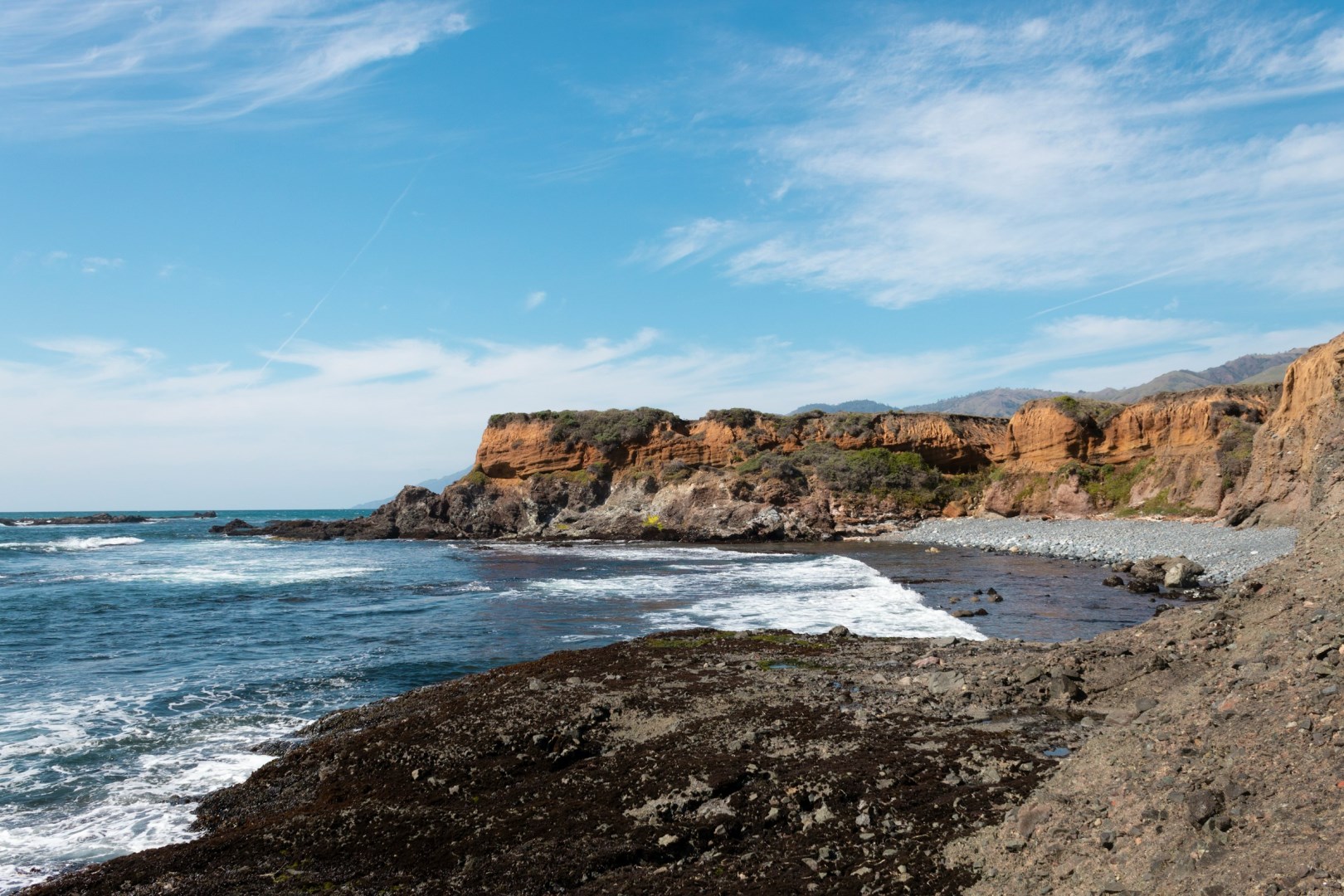
San Simeon
San Simeon is a small coastal community on California’s Central Coast, set along the Pacific Ocean between Cambria and Big Sur. The area is known for rugged shoreline, coastal grasslands, forested hills, and offshore rocks, with the Santa Lucia Mountains rising inland.

Death Valley
Death Valley, California, is a land of extremes that captures the imagination with its striking desert landscapes and surreal beauty. Located in the Mojave Desert, it is the hottest, driest, and lowest national park in the United States. Visitors are drawn to its iconic features, such as the vast salt flats of Badwater Basin, which at 282 feet below sea level, mark the lowest point in North America.
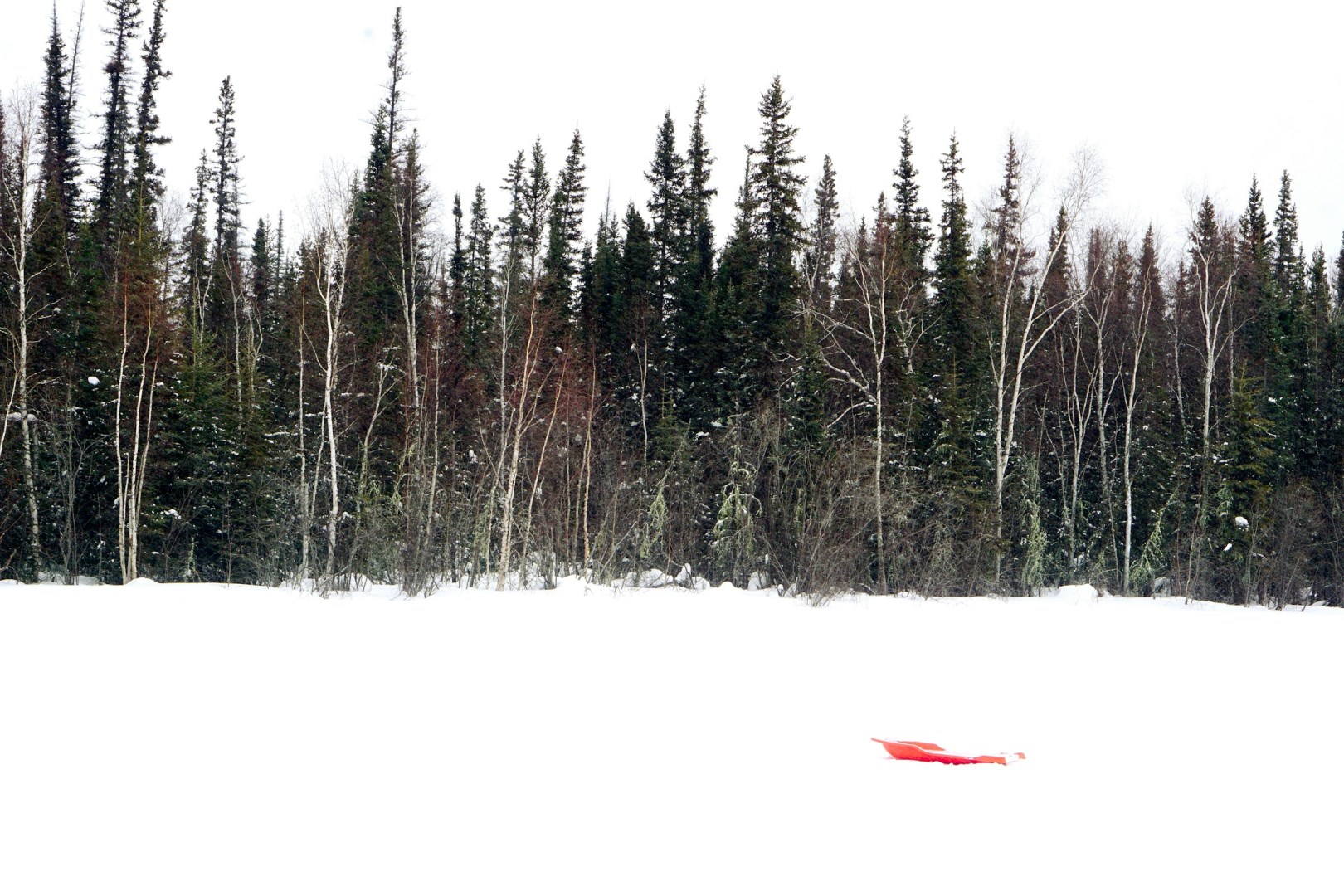
Northwest Territories
The Northwest Territories is a vast northern region of Canada defined by open tundra, boreal forests, major rivers, and some of the country’s largest lakes. Yellowknife, the territorial capital, sits on the northern shore of Great Slave Lake and serves as a central hub for travel, government, arts, and northern commerce. Farther north, communities such as Inuvik and Tuktoyaktuk provide access to the Arctic landscape and coastal regions. T