Kahului, Maui
Located on the island of Maui, Kahului serves as the island's vibrant commercial hub and a gateway to many of its top attractions, offering visitors an exciting blend of local culture, historic sites, and easy access to Maui’s stunning landscapes. The town is a short drive from some of the island’s most striking destinations, including the majestic Haleakalā National Park and the nearby Hana Highway, with its lush rainforests and hidden waterfalls.
Manali
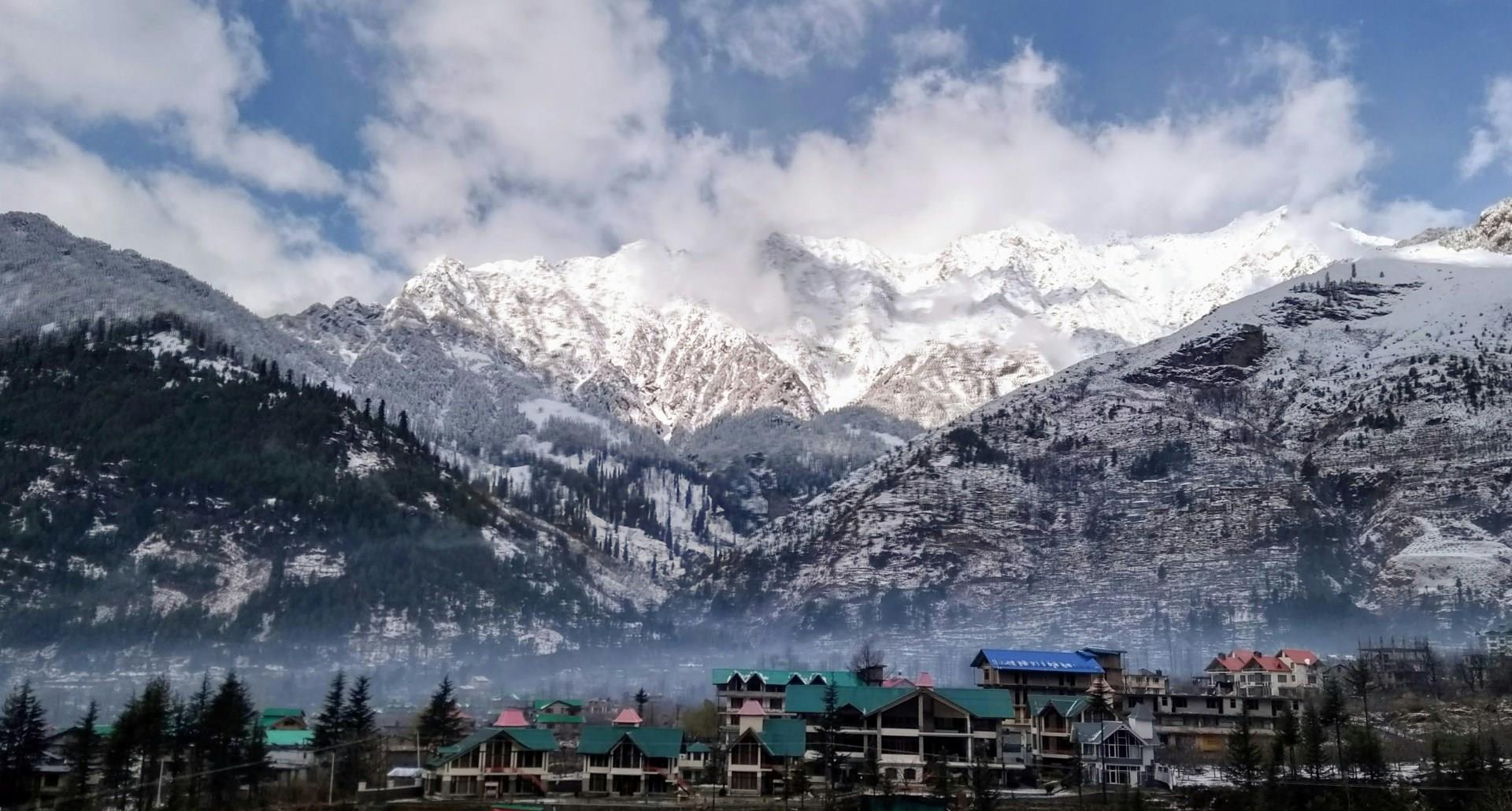
High in the Kullu Valley of Himachal Pradesh, Manali is where snow-dusted peaks, rushing rivers, and quiet cedar forests come together to create a destination full of experiences. The town sits beside the Beas River at nearly 2,000 meters above sea level, offering a refreshing escape from India’s plains. Legend says the name “Manali” comes from “Manu-Alaya,” meaning the home of sage Manu, who is believed to have repopulated the world after a great flood.

Bwindi Impenetrable National Park
Bwindi Impenetrable National Park, located in southwestern Uganda, is one of Africa’s most extraordinary natural treasures. Its dense rainforest, often draped in mist, shelters a wealth of biodiversity and has been recognized as a UNESCO World Heritage Site for both its ecological significance and natural beauty. This ancient forest is among the few places on earth where travelers can come face-to-face with mountain gorillas in their natural habitat.

Puerto Montt
The city of Puerto Montt sits on the coast of Chile's Lake District and is considered a gateway to some of the country's most breathtaking natural beauty, including the fjords of Patagonia and the impressive Andes mountain range. Puerto Montt often serves as a port for South American cruises.
Baffin Island
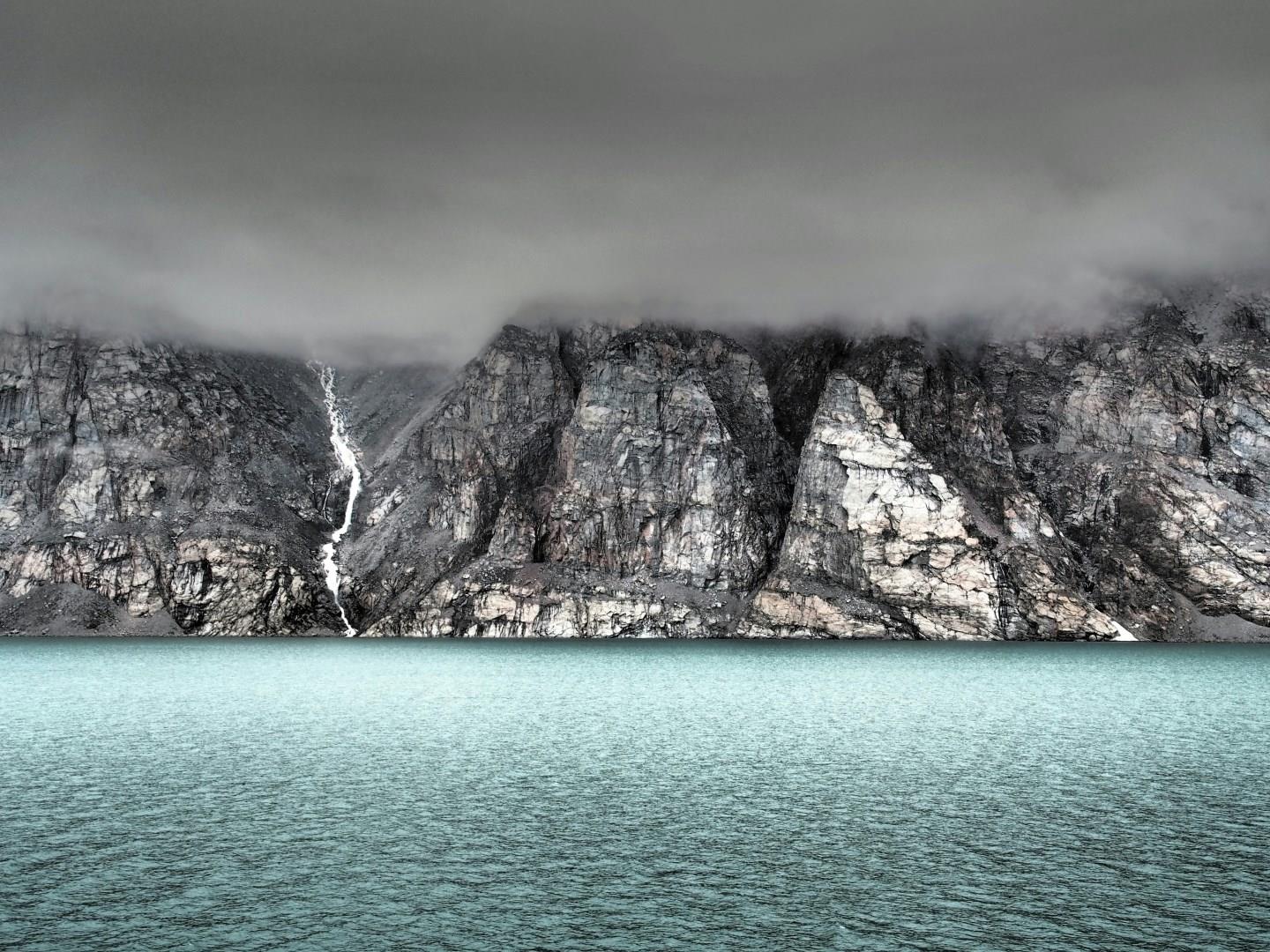
Baffin Island, the largest island in Canada and the fifth largest in the world, is a land of dramatic contrasts and profound beauty. Located within Nunavut, above the Arctic Circle, it’s a place where vast fjords cut into rugged coastlines, icy peaks rise above glacial valleys, and the Northern Lights dance across winter skies.