Kenai Fjords National Park
Kenai Fjords National Park in Alaska is a stunning showcase of glaciers, rugged coastlines, and pristine wilderness, making it a dream destination for outdoor enthusiasts and nature lovers. Located near the town of Seward, this park is home to the Harding Icefield, one of the largest icefields in North America, feeding over 40 glaciers that spill into the sea.
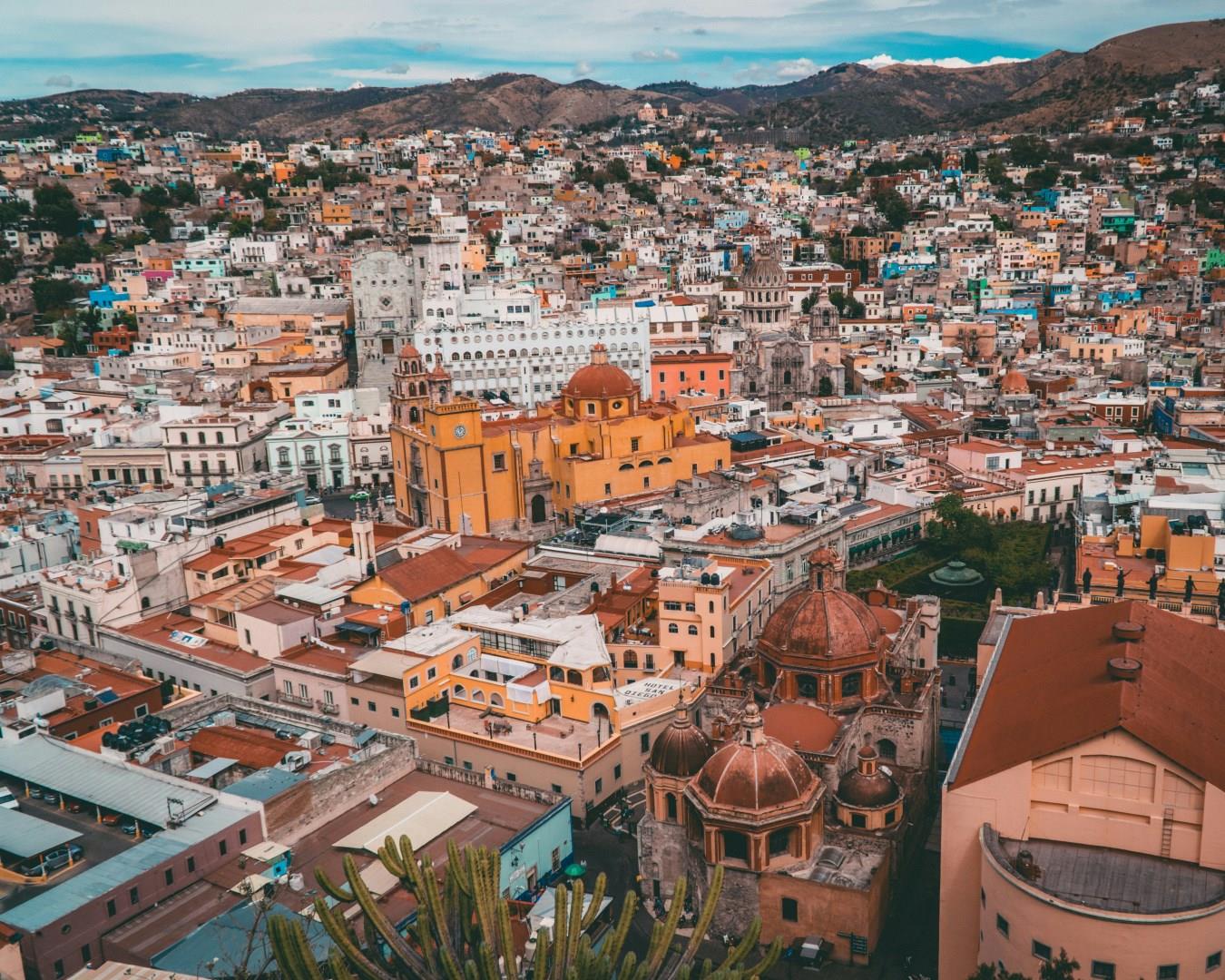
Guanajuato
Guanajuato, a UNESCO World Heritage City nestled in the mountains of central Mexico, is a place where history is built into every hillside alley and underground tunnel. Today, visitors can still tour La Valenciana Mine, where centuries-old tunnels and original mining equipment offer a glimpse into the city's wealth-driven past. The nearby Templo de San Cayetano, built by mine owners in the mid-1700s, is a stunning example of baroque design, lined with gilded altars and intricate woodwork.

Angkor Ban
A visit to Angkor Ban offers a unique opportunity to step back in time and witness a Cambodia that remains untouched by modern development. Whether admiring the historic wooden houses, visiting the temple, or engaging with friendly locals, travelers will find this riverside village a rewarding cultural experience.

Grundarfjörður
Situated on the north coast of the Snæfellsnes peninsula between a mountain range and the sea is the small town of Grundarfjordur, Iceland. Though certainly now the most well-known town on the peninsula, its nearby mountain Kirkjufell ("church mountain" in Icelandic) is perhaps Iceland's most famous.

Latvia
Latvia invites visitors to explore a land where medieval streets meet vast forests and a lively coastline. Riga, the country’s capital, is home to one of the largest and best-preserved collections of Art Nouveau architecture in Europe. Walking through the Old Town, visitors can admire intricate facades and cobblestone streets that lead to landmarks like the House of Blackheads and St. Peter’s Church, whose tower offers panoramic views of the city.