
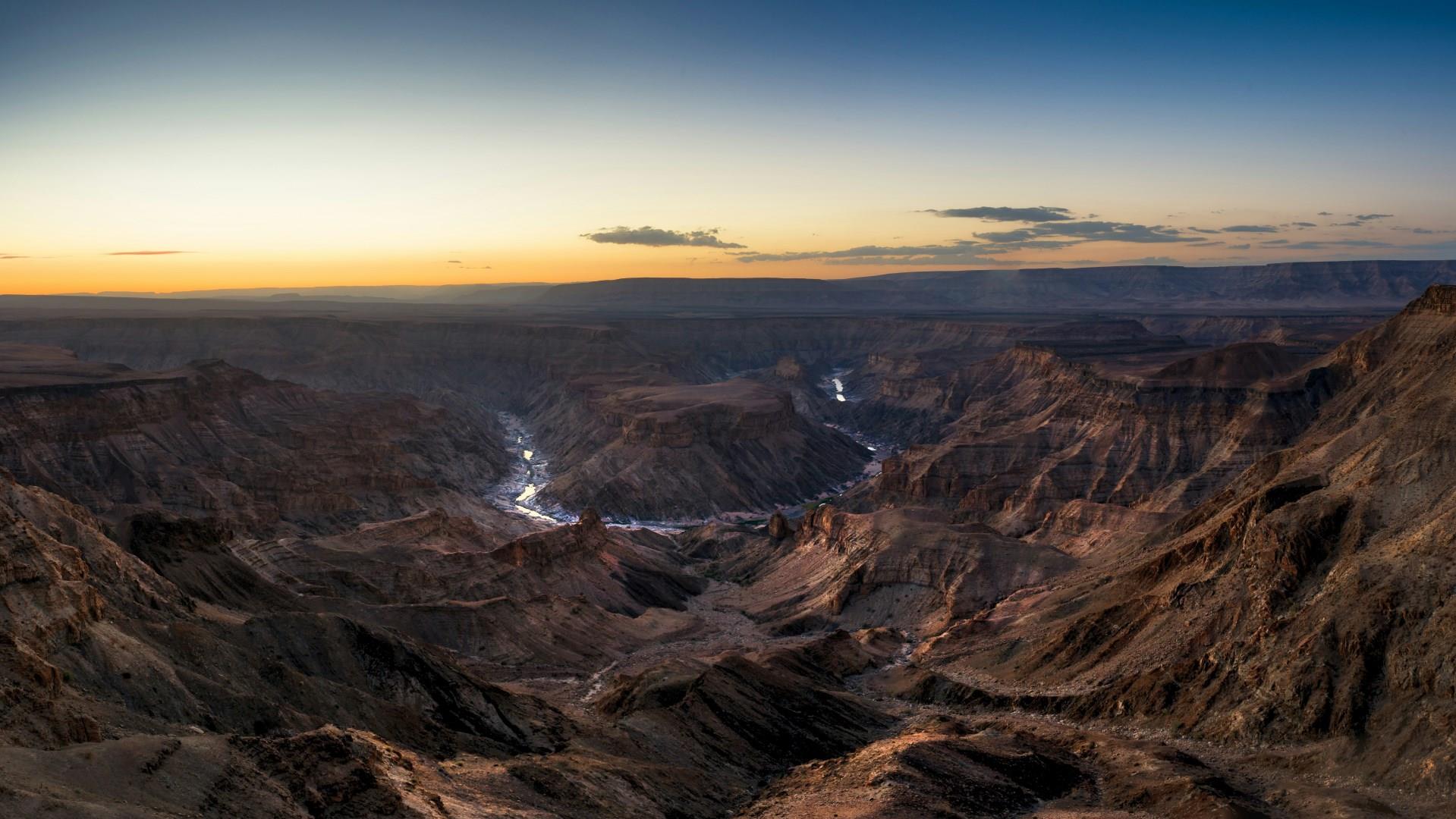
Fish River Canyon
The Fish River Canyon in southern Namibia is one of the planet’s most remarkable landforms, stretching across vast terrain in the Richtersveld Transfrontier Park. It is one of Africa’s largest canyons, carved over millions of years by the Fish River as it etched a deep, twisting gorge into the desert plateau. From high viewpoints like Hell’s Bend, visitors can see layers of rock dropping away to reveal ridges and ravines that seem to go on forever, all under wide, open skies.
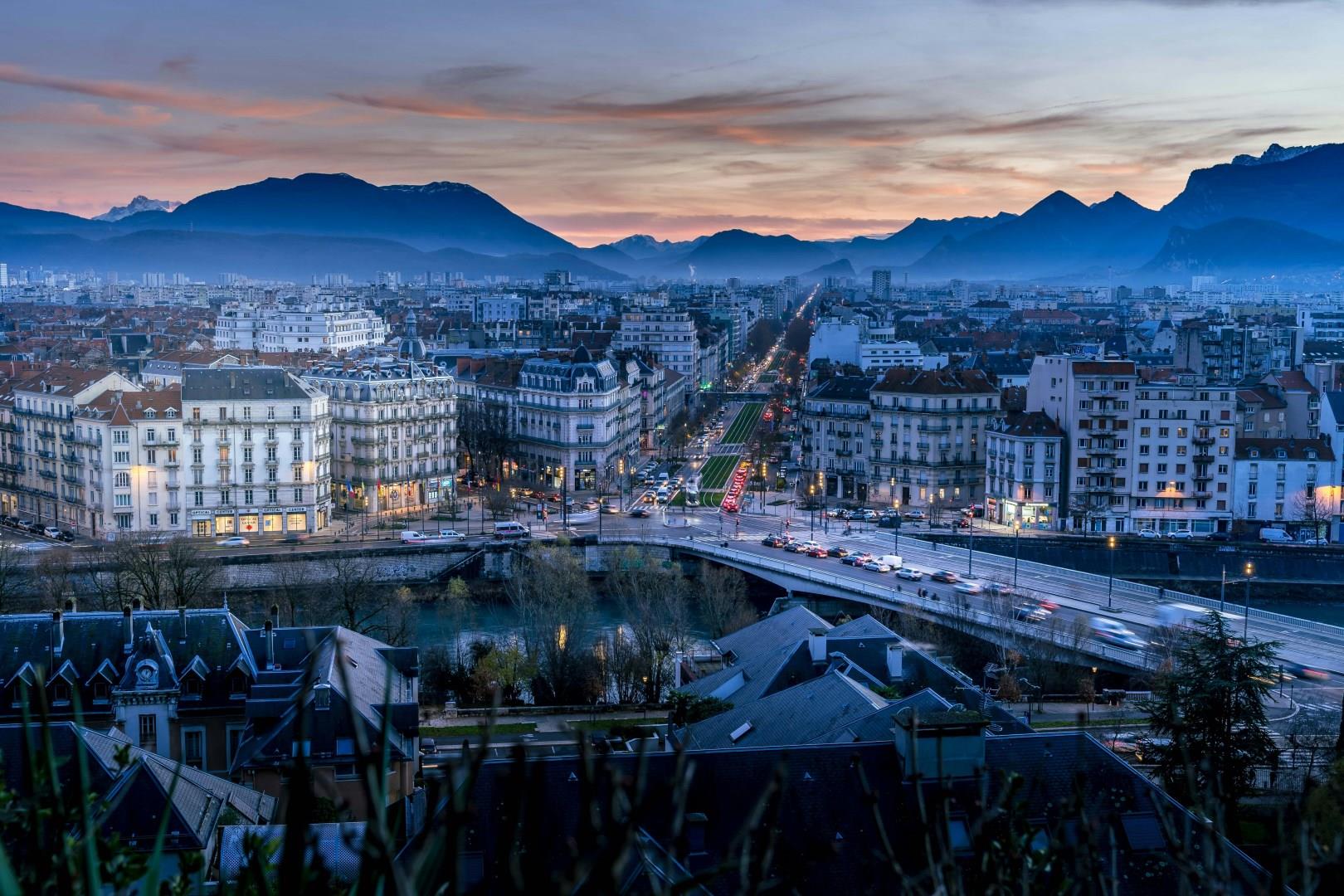
Grenoble
Grenoble sits at the meeting point of three Alpine mountain ranges in southeastern France, giving it a setting that feels both dramatic and lived-in. With origins dating back to Roman times, the city has long been a crossroads of trade, science, and political thought.
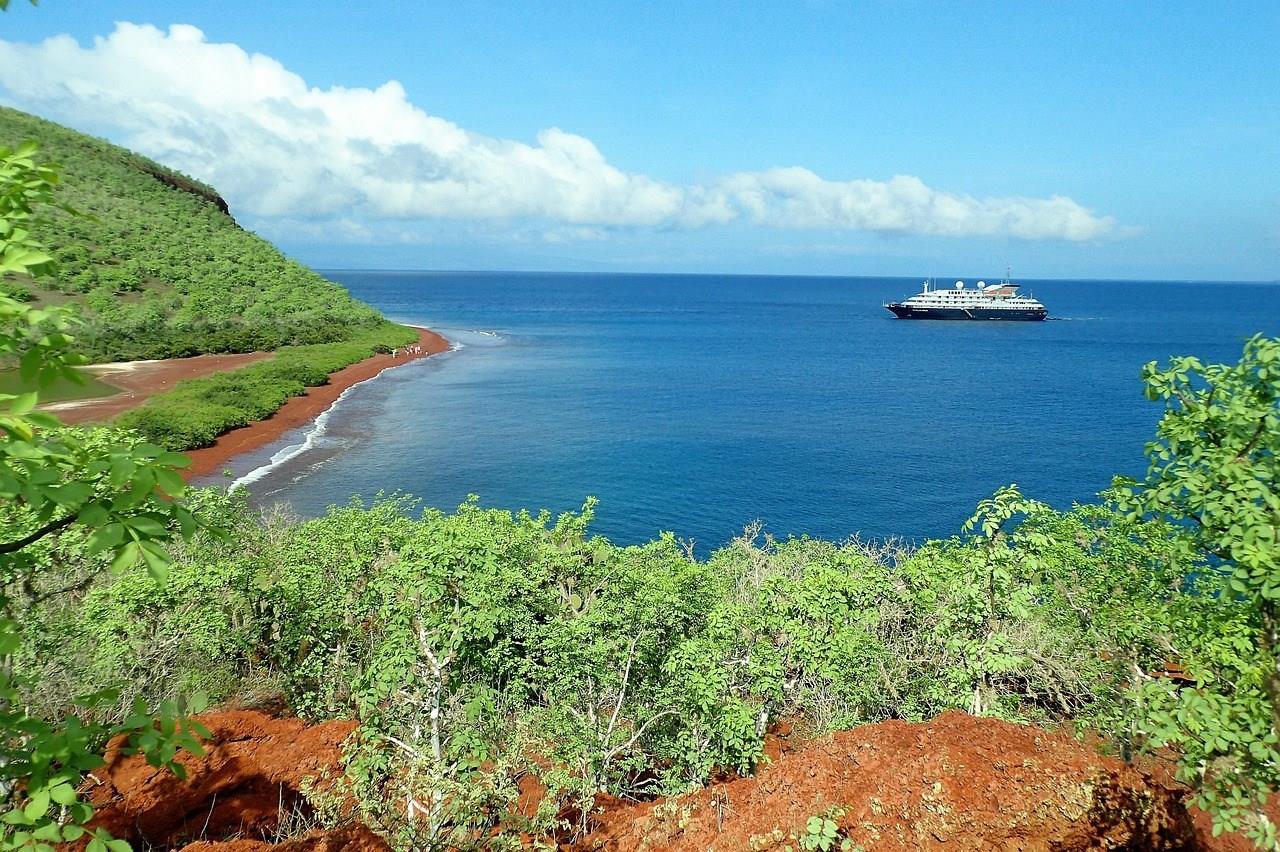
Rabida Island
Rábida Island is one of the most visually striking islands in the Galápagos, known for its deep red volcanic shoreline and quiet, unspoiled atmosphere. Located near the center of the archipelago, the island is geologically young, with iron-rich lava giving its beaches a dramatic rust-colored hue.

Virgin Islands
The Virgin Islands, an archipelago in the northeastern Caribbean, are divided between the United States and the United Kingdom, each offering a distinct flavor while sharing the same breathtaking landscapes. These islands are known for their lush hillsides, crescent-shaped beaches, and some of the clearest waters in the region.

Inside Passage
This coastal route runs between the Gulf of Alaska and Puget Sound, and is a popular route for cruise ships. Cruise passengers can expect to see a breathtaking amount of wildlife, as well as Ketchikan, Wrangell, Prince of Wales, Sitka, Juneau, Haines, Skagway and Glacier Bay.


