

Kampot
Kampot is a riverside town in southern Cambodia with a story that stretches from a bustling 19th-century seaport to a calm center for travelers seeking real local experiences. Wandering these streets reveals faded pastel facades, shuttered balconies, and hints of a past where merchants from China, Malaysia, and Europe met on this quiet stretch of the Cambodian coast.

Reykjavik
On coastal Iceland, the globe's northernmost capital, Reykjavík, invites visitors to discover its unique charms. Iceland is rife with natural wonders: geysers, geothermic spas, waterfalls and the spectacular Northern Lights. Reykjavik, dating back to 870 AD, offers world-class museums, restaurants, shopping and nightlife.
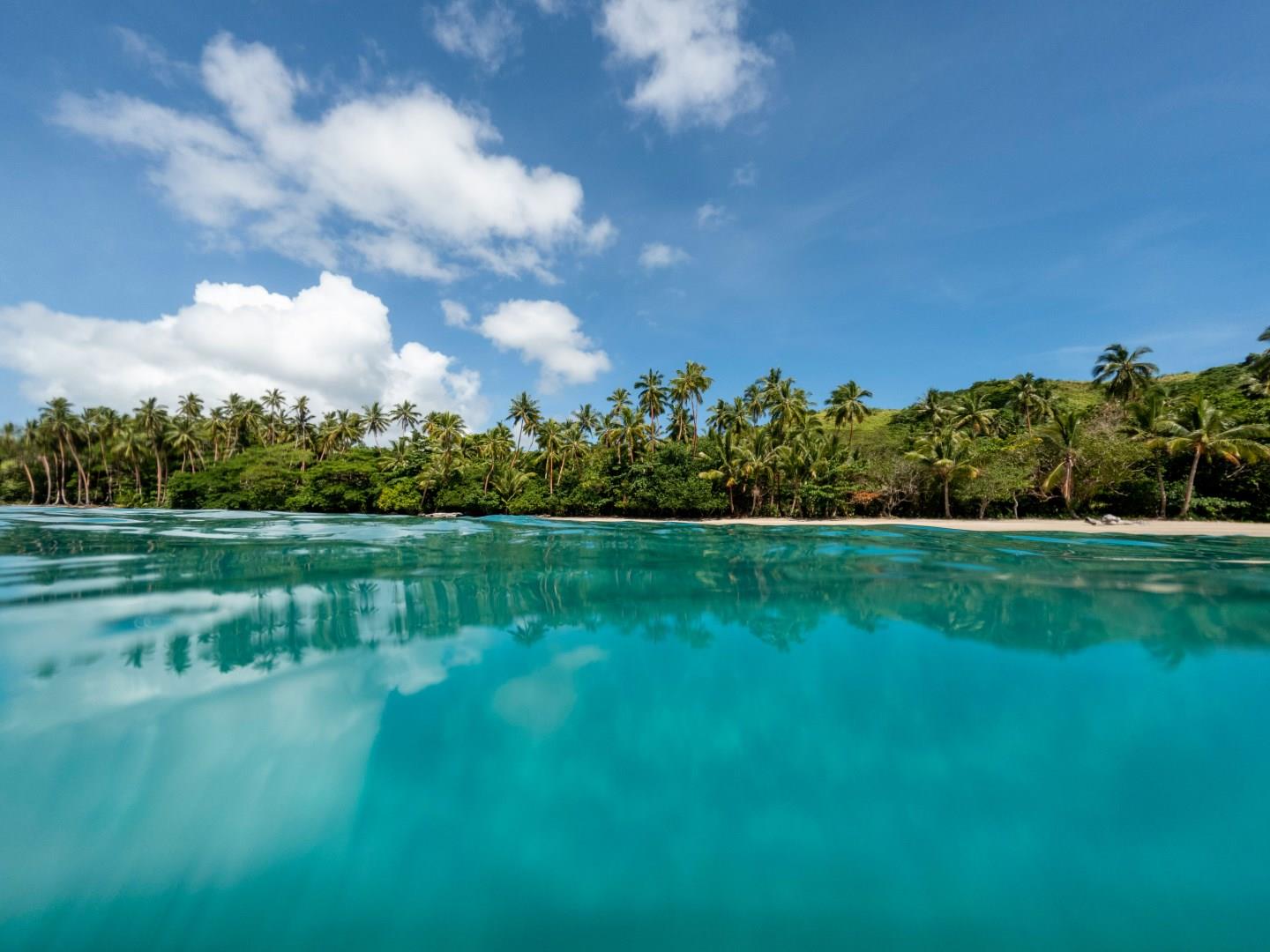
Vanua Balavu Island
Vanua Balavu is one of the Lau Islands in eastern Fiji, a secluded gem where traditional Fijian culture and natural beauty flourish in harmony. Surrounded by turquoise waters and coral reefs, the island offers a serene escape from bustling tourist areas, with small villages, coconut groves, and rugged hills shaping its peaceful landscape.

Santa María Huatulco
Located in Oaxaca, Mexico, Huatulco is famous for its beaches and the sparkling blue water of surrounding bays.

Grundarfjörður
Situated on the north coast of the Snæfellsnes peninsula between a mountain range and the sea is the small town of Grundarfjordur, Iceland. Though certainly now the most well-known town on the peninsula, its nearby mountain Kirkjufell ("church mountain" in Icelandic) is perhaps Iceland's most famous.


