Glacier National Park
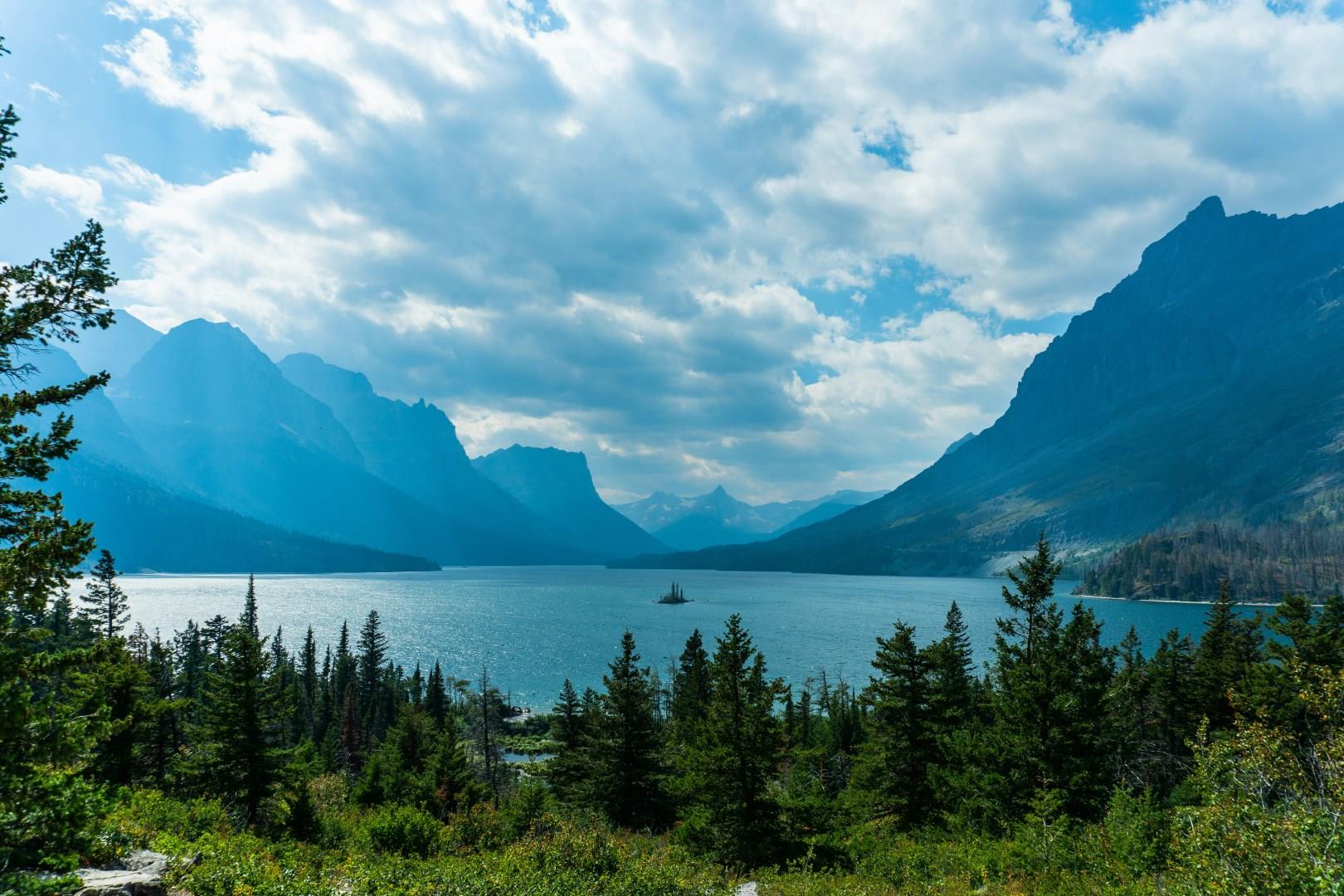
Glacier National Park is a stunning natural wonderland renowned for its dramatic landscapes and abundant wildlife. This vast expanse of pristine wilderness covers over a million acres and is a sanctuary for outdoor enthusiasts and nature lovers alike. The park is famous for its iconic Going-to-the-Sun Road, a scenic drive that winds through the heart of the park and offers breathtaking views of towering peaks, lush valleys, and pristine lakes.

Zululand
Zululand, located in South Africa's KwaZulu-Natal province, is a region steeped in history and natural beauty. Known as the heartland of the Zulu nation, Zululand offers visitors a chance to explore the rich cultural heritage of the Zulu people.

Dominica
Dominica, known as the “Nature Island of the Caribbean,” is a haven for eco-tourists and adventure seekers. Nestled between the French islands of Guadeloupe and Martinique, this lush island boasts a remarkable landscape of volcanic mountains, dense rainforests, and stunning waterfalls. Dominica’s most iconic natural wonder is the Boiling Lake, the second-largest hot spring in the world.

Vancouver
This vibrant, diverse British Columbia seaport is one of the jewels of Canada. Surrounded by ocean and mountains alike, Vancouver offers breathtaking vistas, not to mention world-class outdoor activities, culinary delights, fine art, and cultural events.

Morelia
Morelia, the capital of Michoacán, is a city that wears its history in stone. Built in the 16th century and recognized as a UNESCO World Heritage Site, its historic center is filled with over 200 colonial-era buildings made from pink cantera, a soft volcanic stone that gives the city its distinct look. The centerpiece is the Morelia Cathedral, a massive baroque structure that features twin towers that light up every Saturday night with a fireworks and music display.