

Tennessee
Tennessee welcomes visitors with a rhythm that shifts from Appalachian mountain towns to Memphis blues clubs, all while telling stories that have shaped the American experience. In East Tennessee, the Great Smoky Mountains National Park is the most visited national park in the country, known for its mist-covered peaks, preserved log cabins, and seasonal displays of wildflowers and fireflies.
Mysore
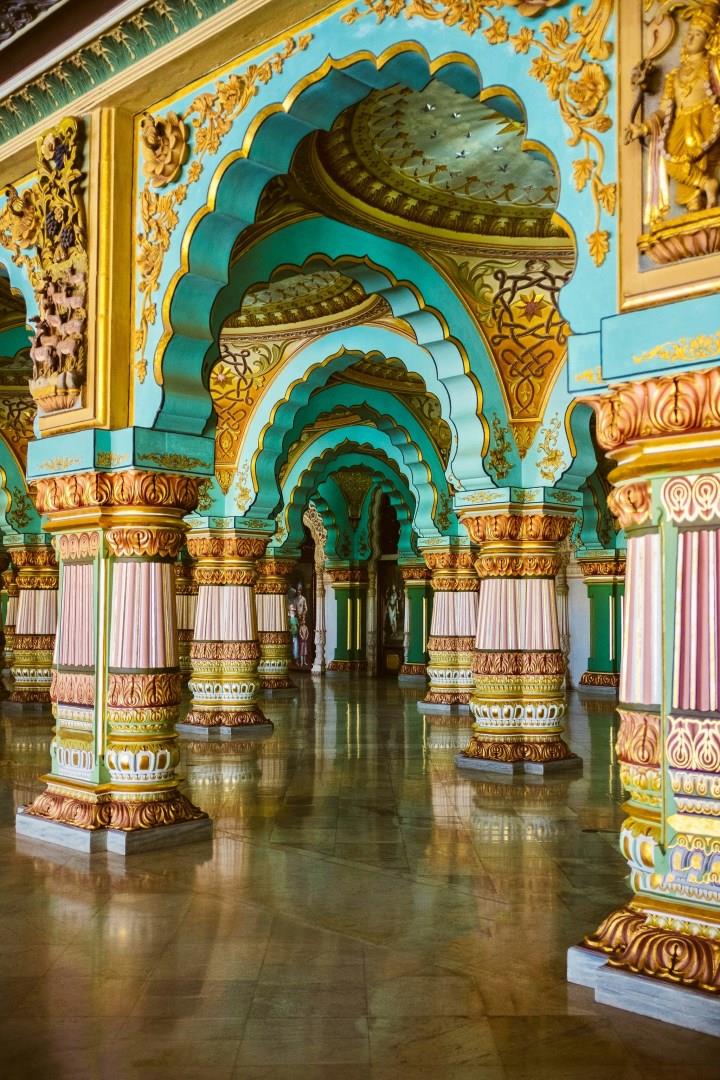
Mysore, often called the “Cultural Capital of Karnataka,” is a city where centuries-old royal heritage meets living tradition. Located at the foothills of the Chamundi Hills, it is best known for its palaces, wide boulevards, and colorful festivals. Once the seat of the Wadiyar dynasty, Mysore still carries an unmistakable royal influence that can be seen in its architecture, markets, and cultural celebrations.
Botswana
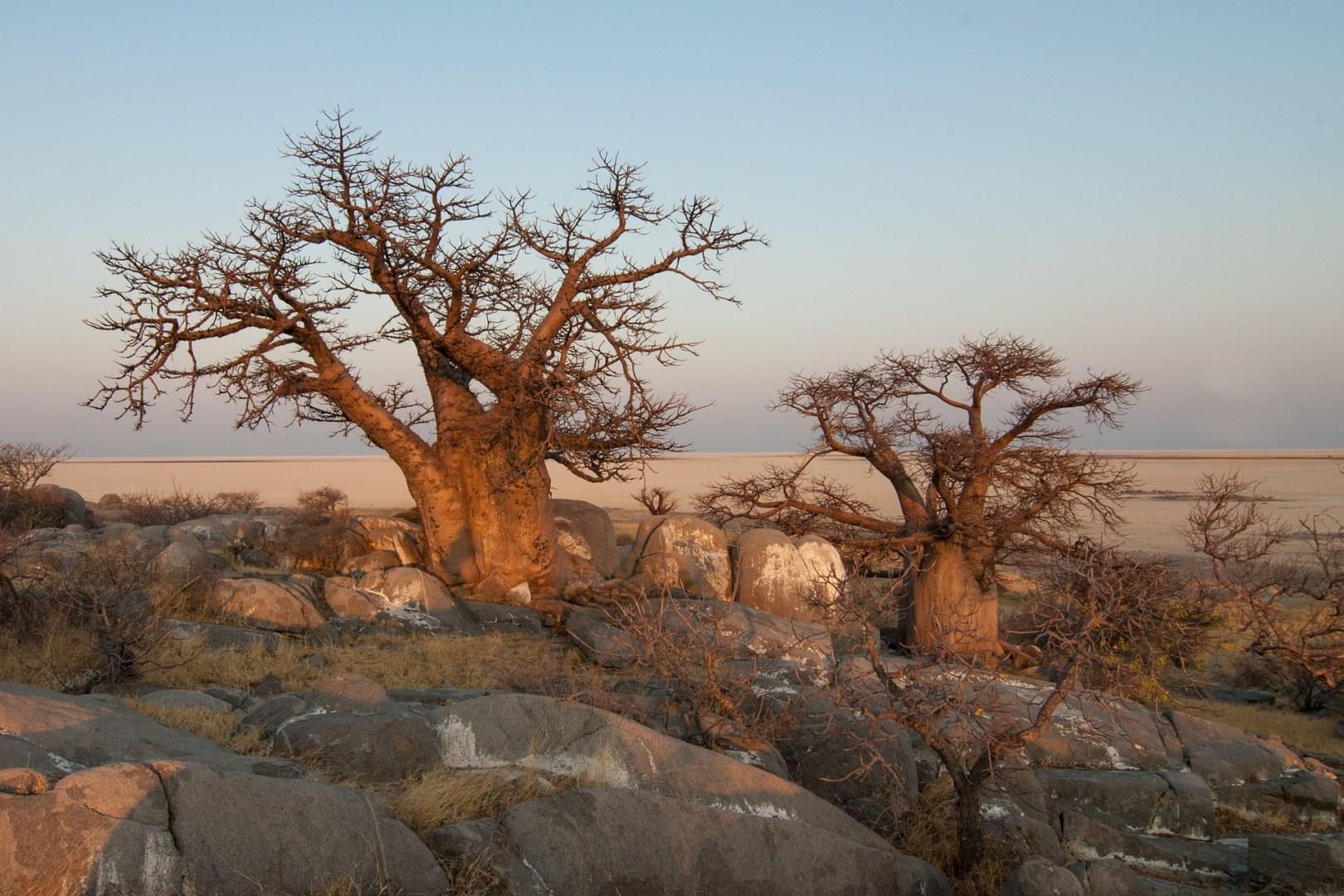
Botswana, a jewel of southern Africa, offers a captivating blend of natural beauty and unique wildlife experiences. The country is renowned for its pristine wilderness areas, including the Okavango Delta, a UNESCO World Heritage site. This sprawling inland delta floods annually, creating a lush oasis in the Kalahari Desert. Here, visitors can explore a maze of waterways and lagoons by traditional mokoro canoe, spotting a rich array of wildlife such as elephants, hippos, and various bird species.

Taormina
Taormina, with its hilltop location above the Ionian Sea, is easily one of Italy's most beautiful places. As it's packed with people in the summertime, recommended months to visit include April and September.

Puebla
Puebla, a city nestled in the heart of Mexico, is a captivating blend of colonial charm, vibrant culture, and rich history. Known as the "City of Angels," Puebla's well-preserved historic center is a UNESCO World Heritage site, filled with stunning baroque architecture, colorful tiled buildings, and bustling markets. Puebla is also a haven for food lovers, celebrated as the birthplace of some of Mexico’s most iconic dishes.


