Nestled high in the Pyrenees, Soldeu is a mountain village in the principality of Andorra, best known for its access to Grandvalira, which is one of the largest ski areas in Southern Europe. At 1,800 meters above sea level, Soldeu has grown from a quiet farming village into a winter destination with over 200 kilometers of slopes. It hosted World Cup alpine ski races in 2019 and is scheduled to host the Finals again in 2029.
A true gem on the Caribbean coast, the port city of Cartagena (Cartagena de Indias) welcomes visitors with its charming old town, colonial buildings, and exceptional beaches. A popular cruise ship stop, many seafarers find themselves honorary Cartagenans, as they stroll shady, cobblestone lanes and gaze upon impressive churches.
Calvi, a picturesque gem on the northwest coast of Corsica, France, enchants visitors with its blend of rich history, rugged landscapes, and sparkling Mediterranean waters. This charming seaside town is dominated by its iconic citadel, a formidable 15th-century fortress that stands sentinel over the turquoise bay.
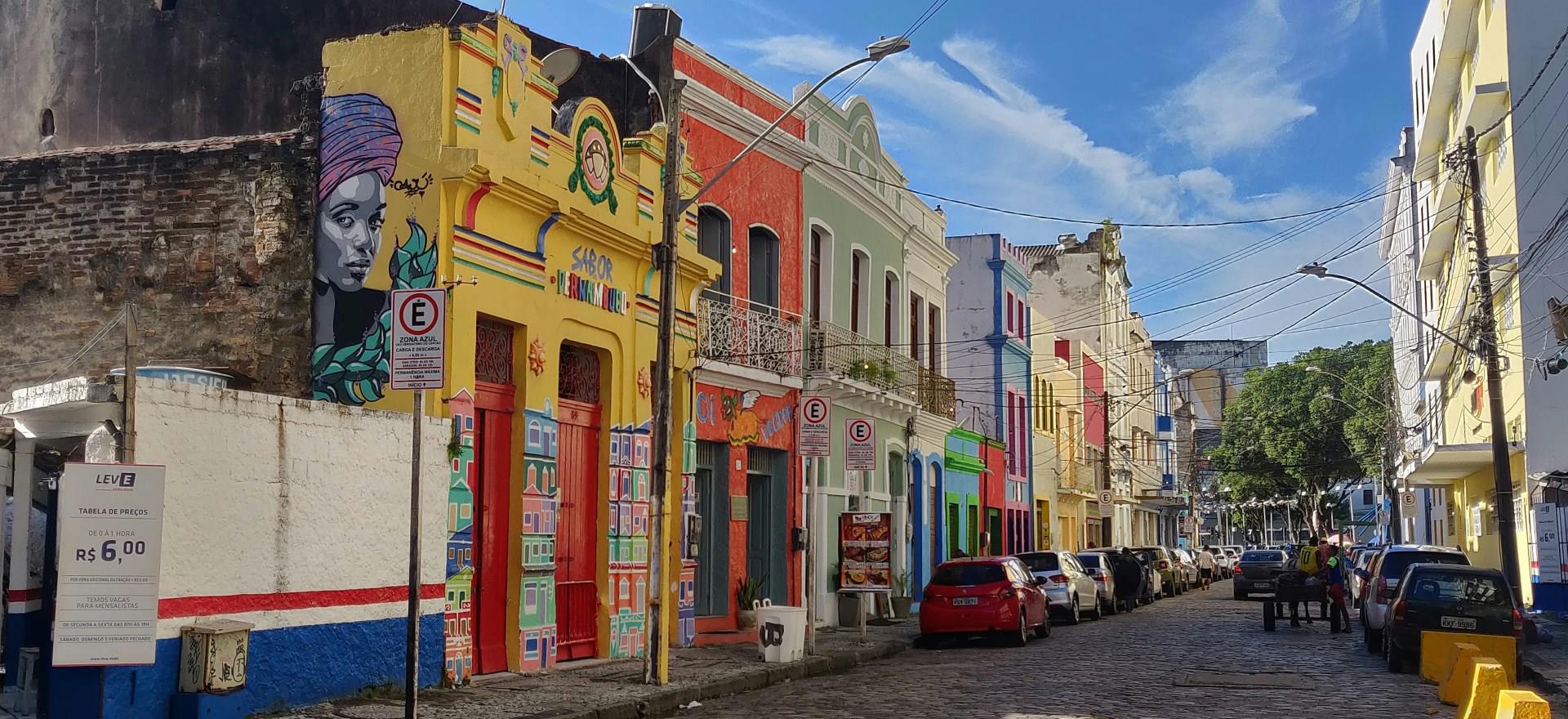
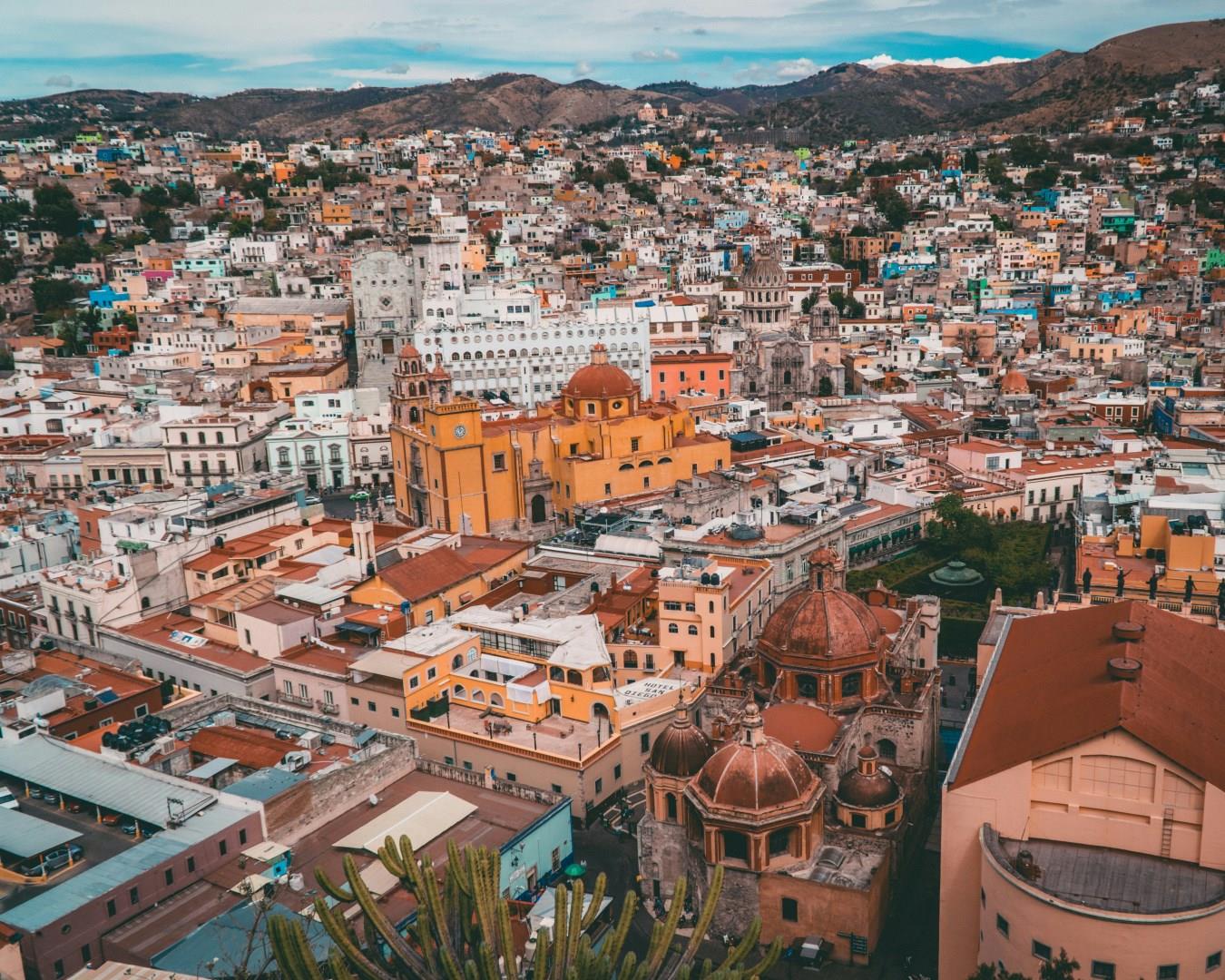
Durango, located in north-central Mexico, is a destination rich in history, dramatic landscapes, and cultural traditions that date back centuries. Once a key outpost during Spanish colonization, Durango played an important role in the development of northern Mexico. The city of Victoria de Durango, the state capital, features cobblestone streets and more than 1,000 officially registered historical structures.
With its dramatic fjord setting, access to hiking trails, and cultural significance, Skjolden is a destination that showcases Norway’s wild beauty. Whether embarking on an outdoor adventure or simply enjoying the beautiful landscapes, visitors will find plenty to experience.
Easter Island, or Rapa Nui, is a remote gem in the southeastern Pacific Ocean that promises an extraordinary journey into the mysteries of Polynesian culture and history. Famous for its monumental stone statues known as moai, Easter Island captivates visitors with its enigmatic past. These colossal statues, crafted between 1400 and 1650 AD, are scattered across the island and are a testament to the islanders' sophisticated artistry and social organization. The moai can be explored at various archaeological sites, such as Rano Raraku, the quarry where these statues were carved, and Ahu Tongariki, which boasts the island’s largest moai platform with 15 statues.
The island’s rich cultural heritage is also on display at the Rapa Nui National Park, a UNESCO World Heritage Site that encompasses most of the island’s archaeological treasures. Visitors can delve into the island's history at the Museo Antropológico Sebastián Englert, which houses artifacts and exhibits on the island's unique Polynesian culture and the history of the moai statues. The island’s traditional dance and music performances offer an immersive experience into the local customs and traditions, with vibrant, rhythmic performances that bring the island’s cultural tapestry to life.
Natural beauty complements the historical allure of Easter Island. The island features stunning landscapes, including the volcanic craters of Rano Kau and the lush scenery of the island’s interior. The beaches of Anakena, with their white sand and turquoise waters, provide a perfect spot for relaxation and swimming. Hiking enthusiasts can enjoy trails leading to panoramic views from the island’s volcanic peaks or explore hidden caves and lava tubes.
Fun fact: Easter Island is one of the most remote inhabited islands in the world, situated over 2,000 miles (3,200 kilometers) from the nearest continental landmass, making it a true journey to the edge of the world.