Deshaies
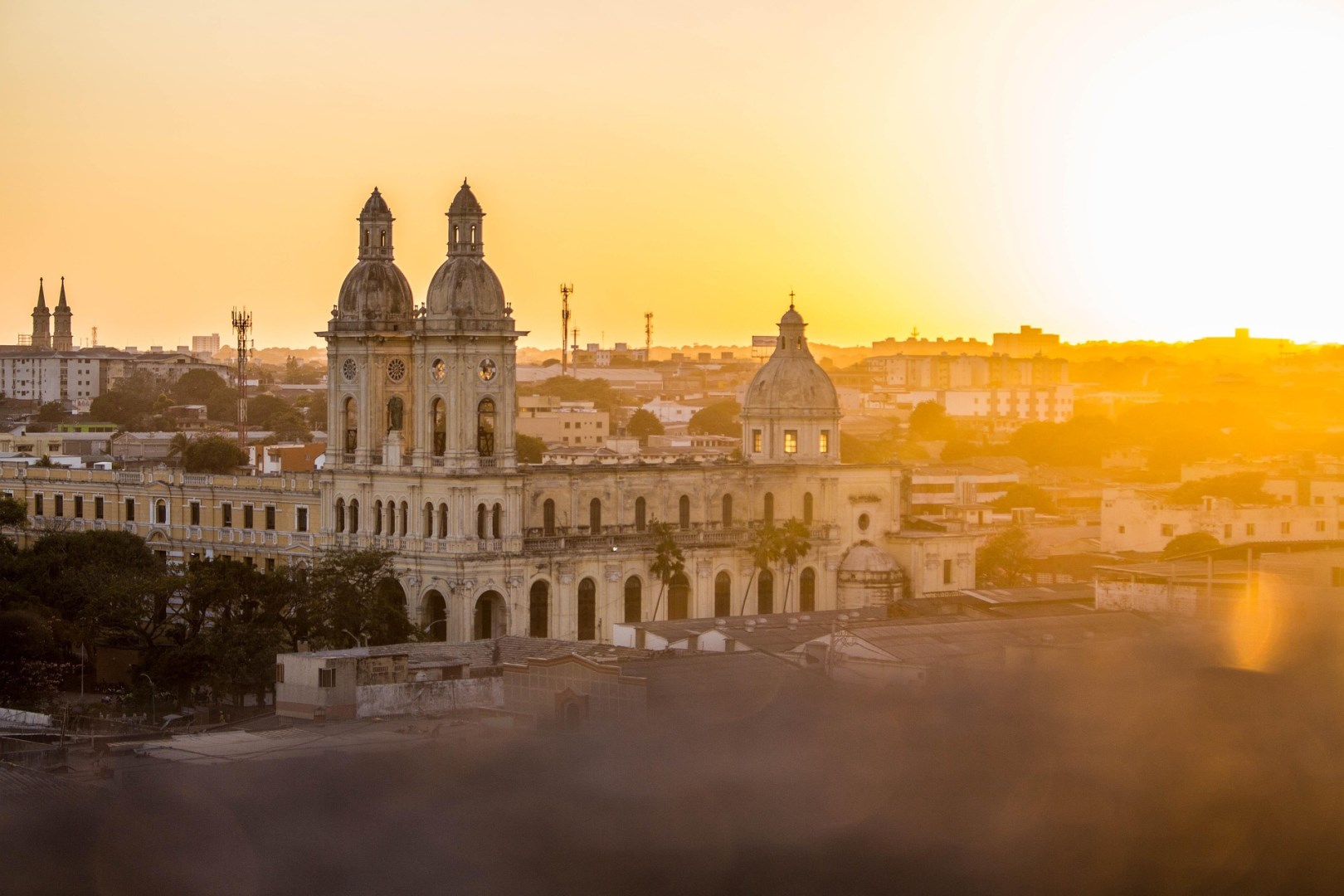
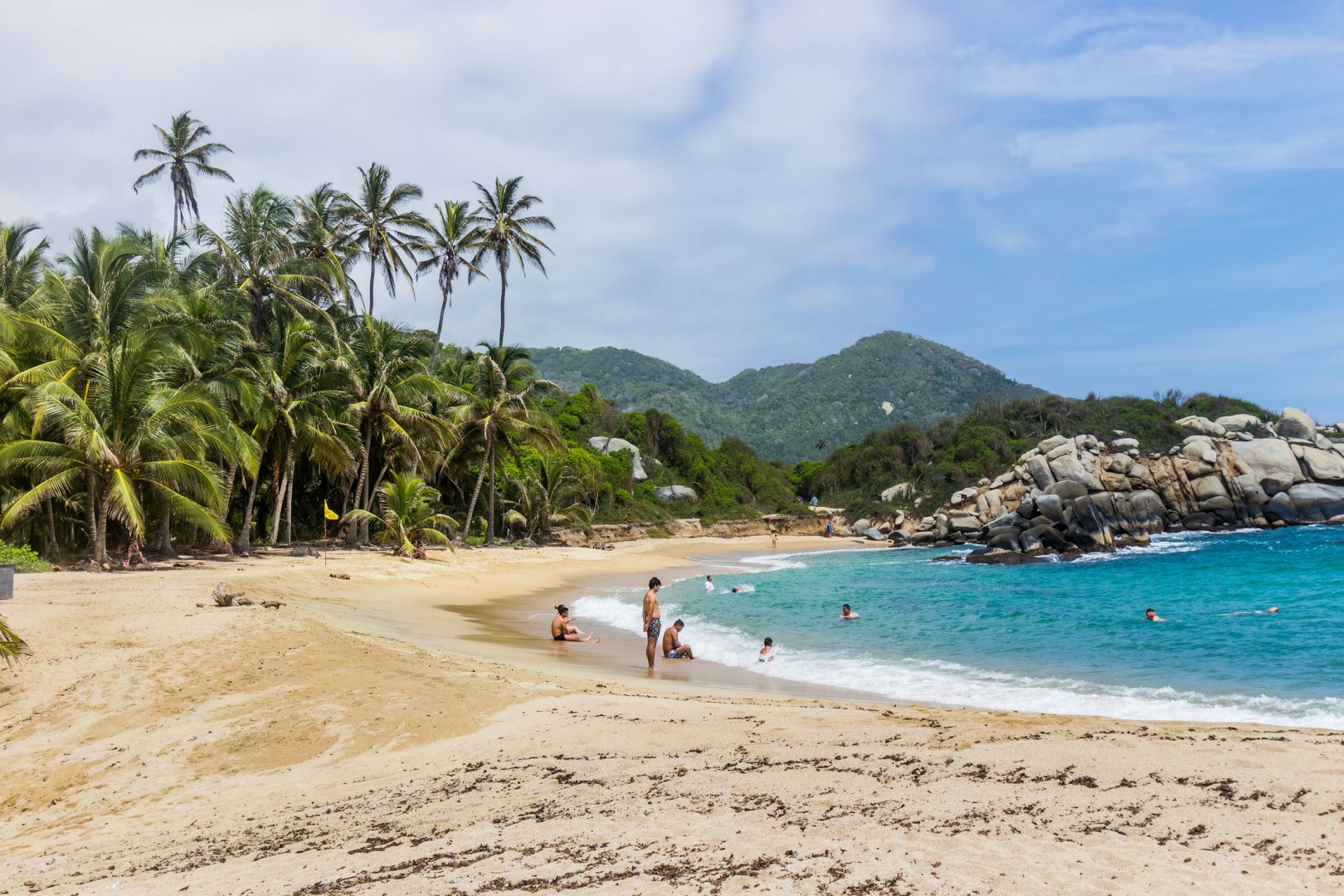
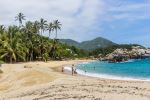
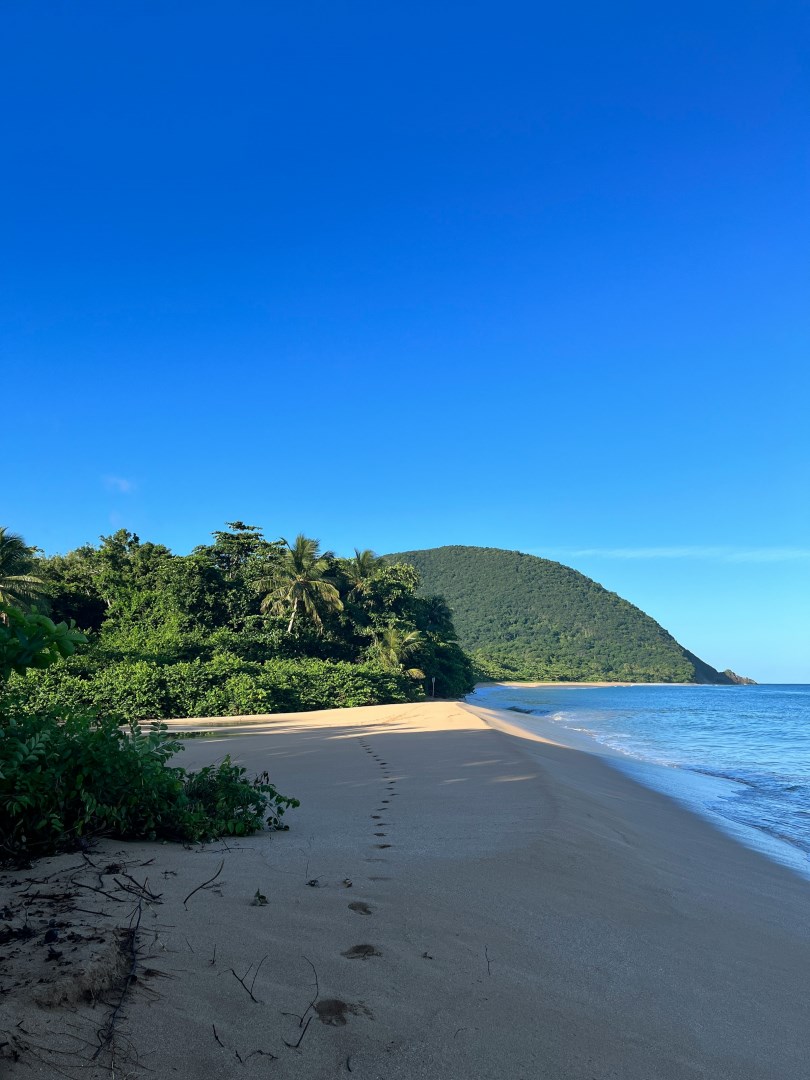
Deshaies, a picturesque village on the northwest coast of Guadeloupe, offers a quintessential Caribbean experience with its stunning beaches, lush landscapes, and charming local culture. Nestled between verdant hills and the sparkling Caribbean Sea, this town is renowned for its idyllic scenery and relaxed atmosphere. One of its main attractions is the beautiful Plage de Grande-Anse, a long, golden-sand beach perfect for swimming, sunbathing, and enjoying the vibrant marine life.
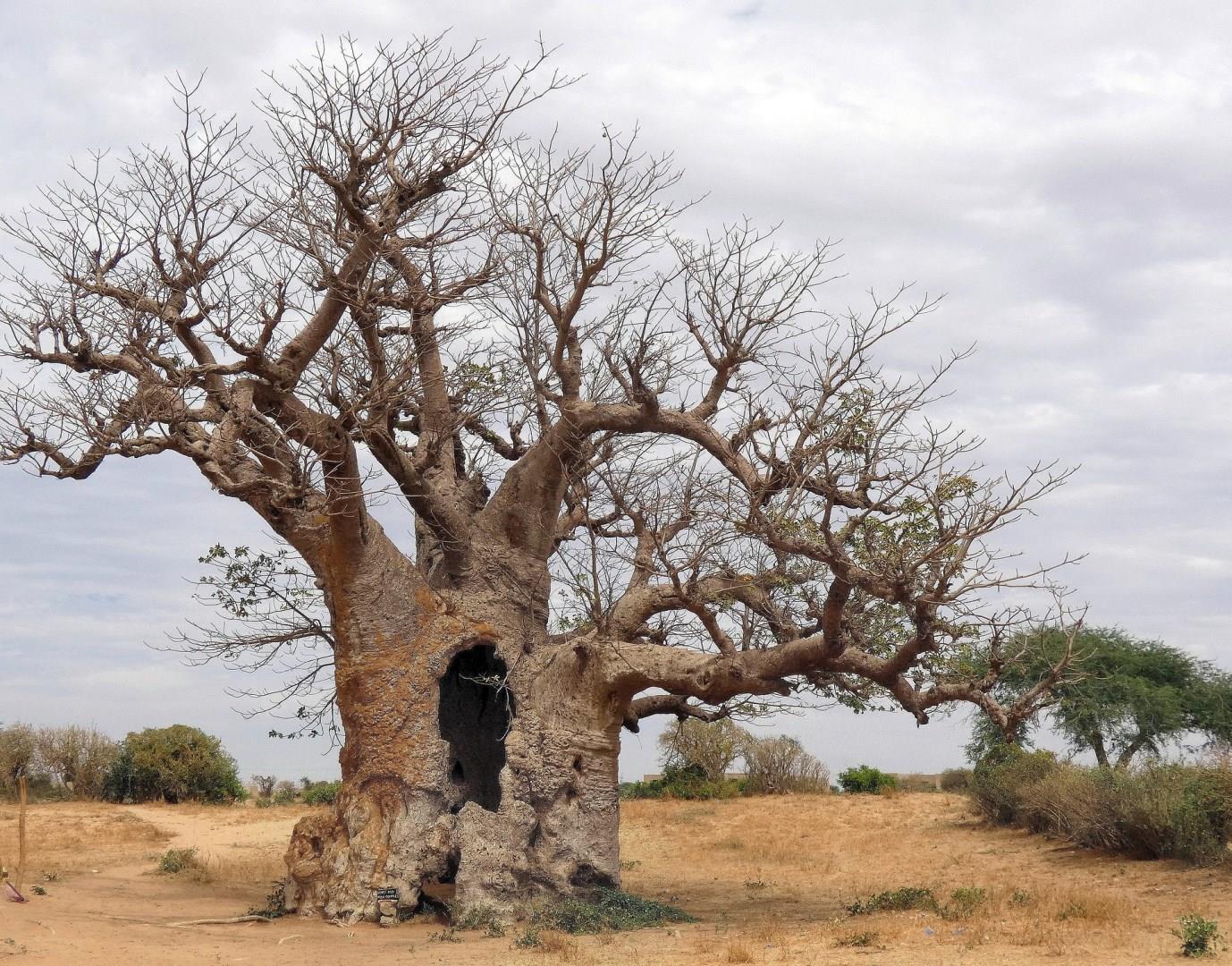
Senegal
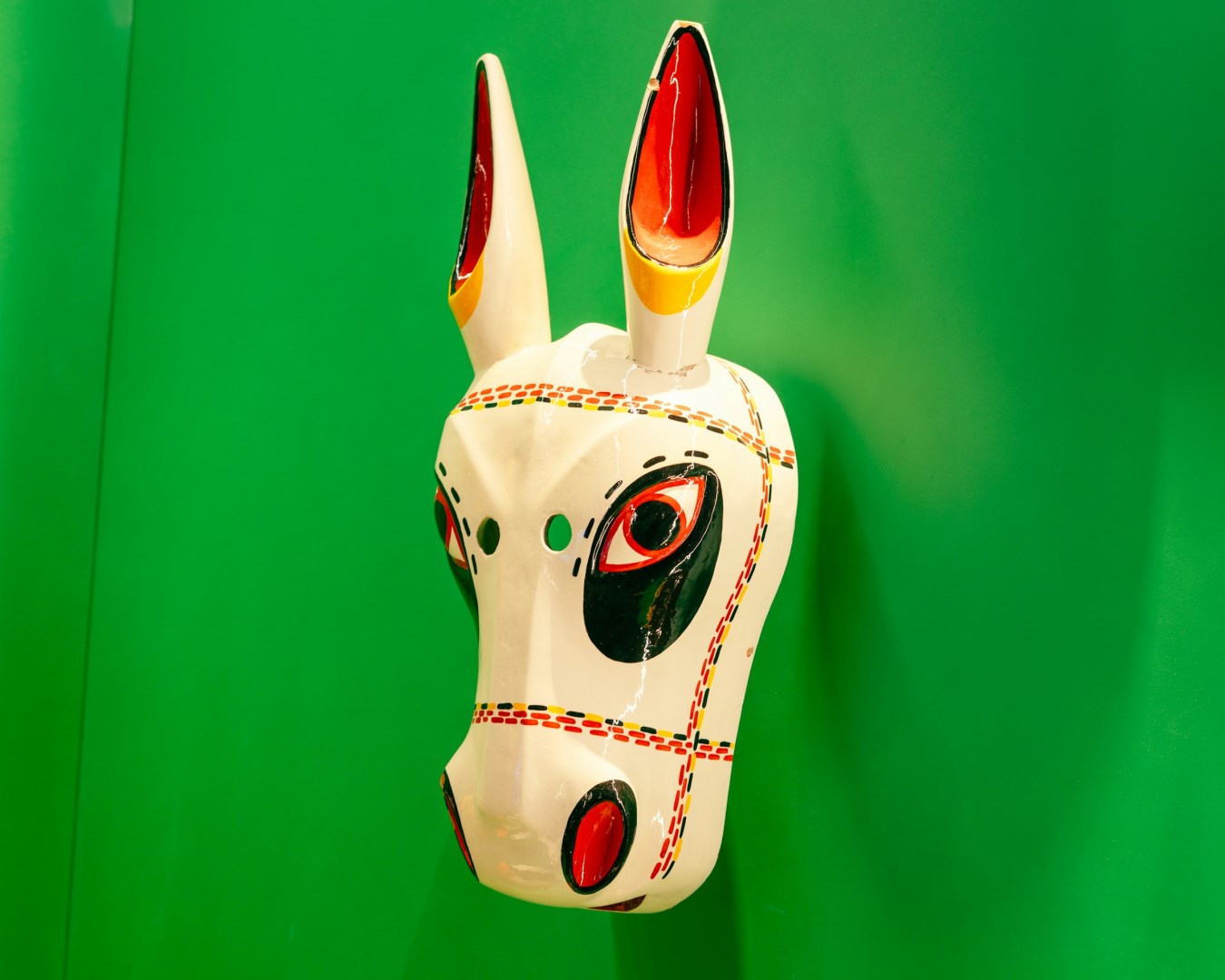
Senegal, located on the westernmost tip of Africa, is a country where vibrant traditions meet striking natural beauty. Its capital, Dakar, sits on the Cape Verde Peninsula and is known for its bustling markets, lively music scene, and impressive art galleries.
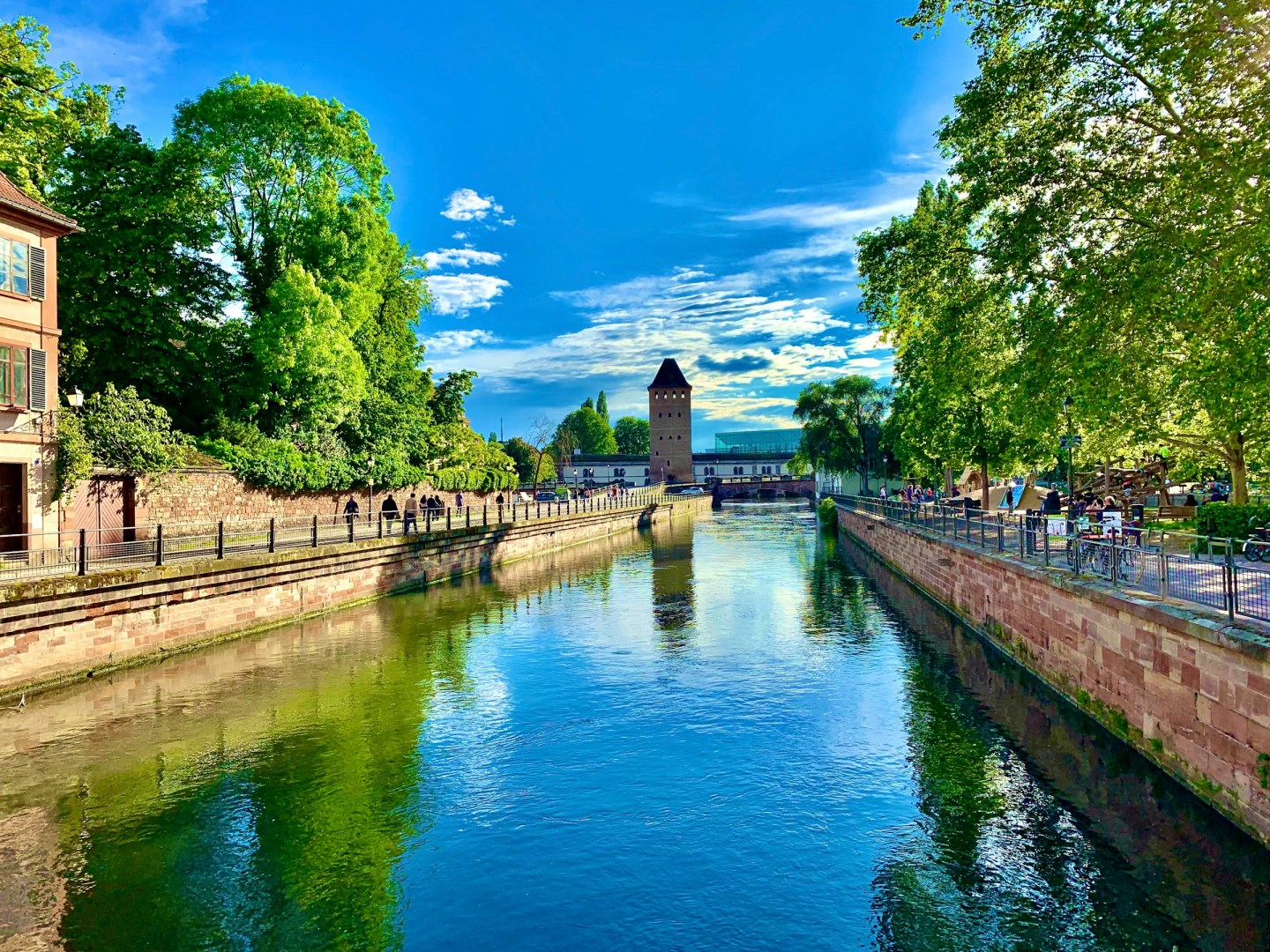
Strasbourg
This vibrant and picturesque city sits near the German border and is the 2nd most popular tourist city in France. Its historic city center is classified a World Heritage Site by UNESCO, and the Stasbourg Cathedral is one of the finest examples of Rayonnant Gothic architecture.
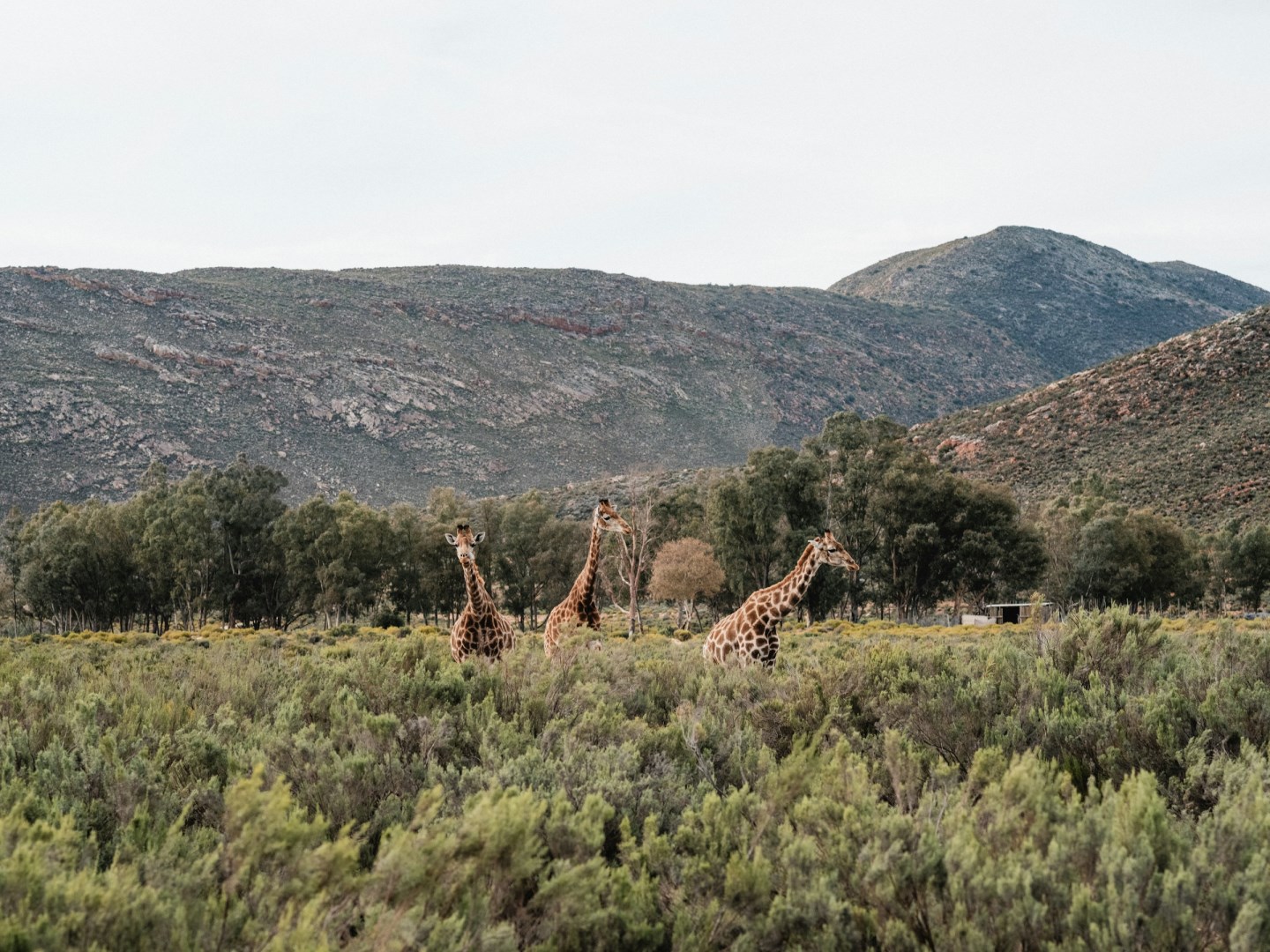
Aquila Private Game Reserve
Aquila Private Game Reserve is a wildlife reserve in South Africa’s Western Cape province, located near Touws River, approximately two hours by road from Cape Town. Set within the semi-arid landscapes of the Karoo, the reserve covers roughly 10,000 hectares of mountains, valleys, open plains and scrubland.

Whitsunday Island
The Whitsunday Islands sit in the heart of Australia’s Great Barrier Reef, where more than 70 islands rise from wide blue seas and offer an invitation to explore. Whitsunday Island itself is the largest of this group, known internationally for its ribbon of white silica sand stretching over seven kilometers at Whitehaven Beach. This sand feels cool underfoot even in warm sunshine because it’s made of nearly pure silica carried there by ancient ocean currents.