Porto Torres
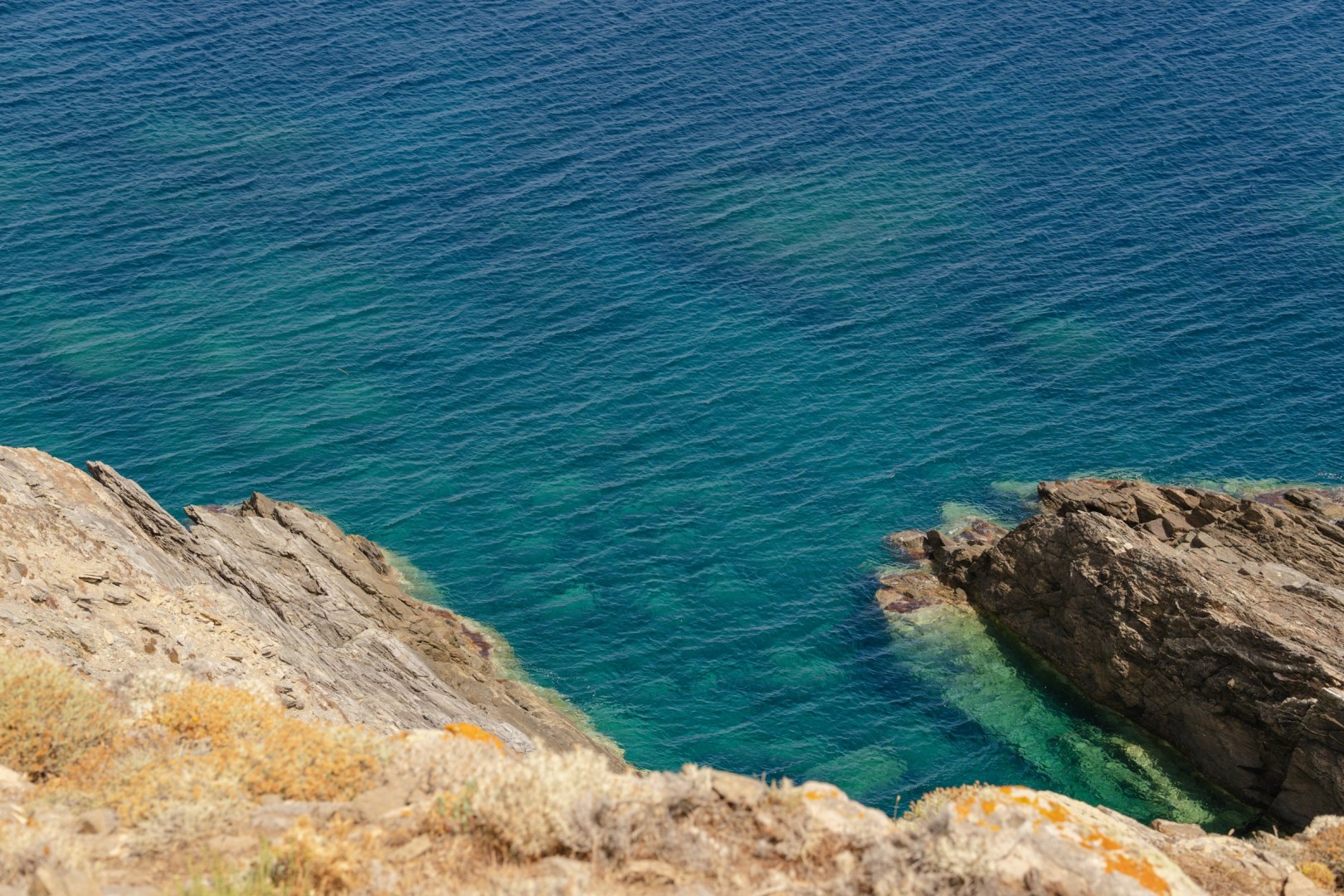
Porto Torres is a city in northern Sardinia, situated on the bay of the Gulf of Asinara. It is home to a number of historical sights: the Basilica of San Gavino, an 11th-century Romanesque church, the largest in Sardinia; the necropolis of Su Crucifissu Mannu, an archaeological site from the Neolithic age; the remains of the Roman bridge on the Rio Mannu; and the ancient megalithic edifices known as nuraghi which have become a symbol of the Sardinian region.

Ponta do Ouro
Ponta do Ouro is a coastal settlement in southern Mozambique, close to the South African border and the southern end of the Mozambique Channel. The town is known for its broad sandy beach, warm waters, coastal dunes, and strong connection to marine activities. It lies within the Ponta do Ouro Partial Marine Reserve, which protects reefs, seagrass beds, estuaries, mangroves, and surrounding waters.

Jackson
Known as "The City with Soul," Jackson is a popular hub for a variety of music genres, including jazz, gospel, and blues music. Highlights include the Jackson Zoo, the Mississippi Museum of Art, and the Mississippi Civil Rights Museum.
Boumalne Dades
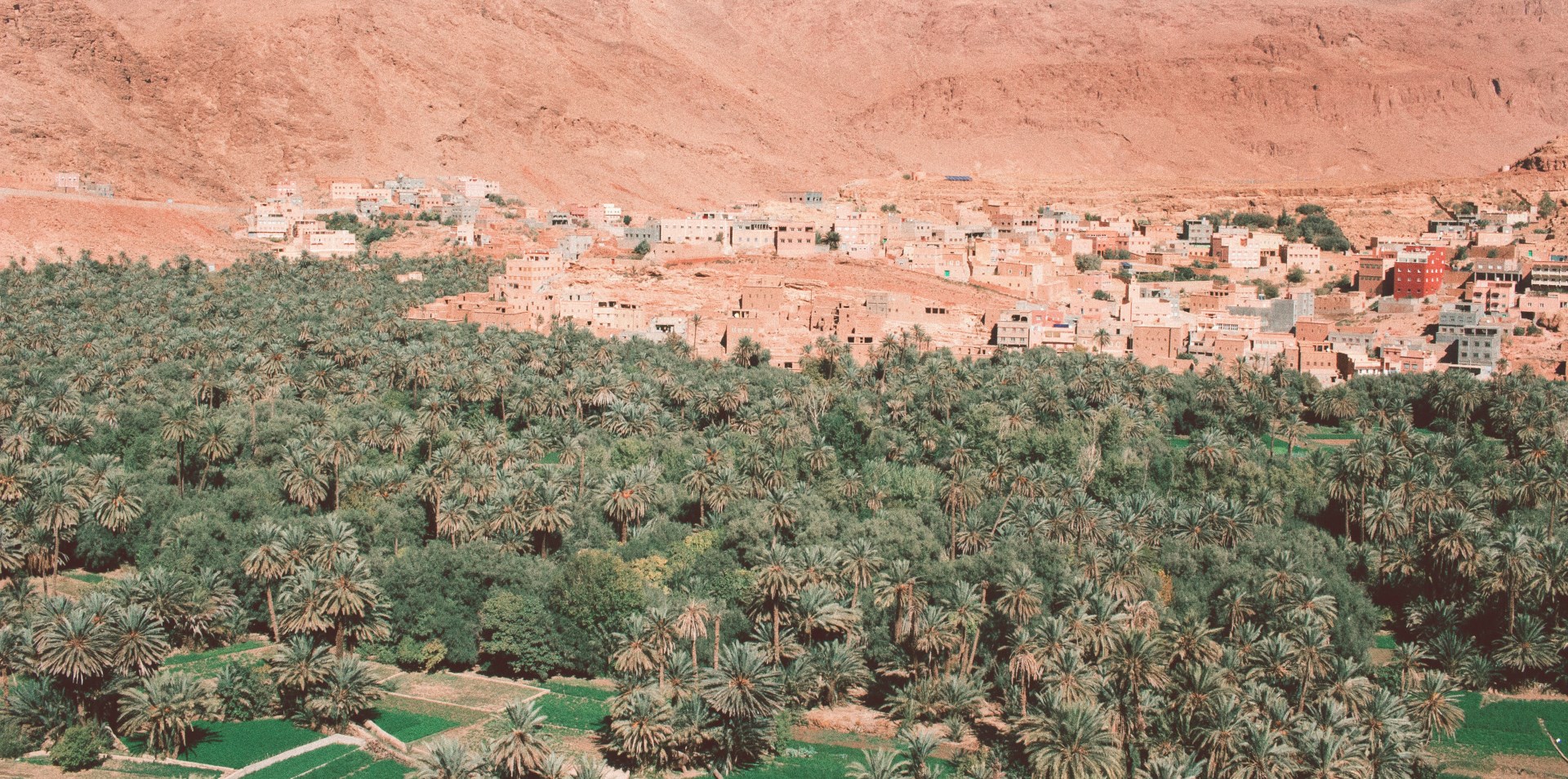
At the edge of the High Atlas Mountains, Boumalne Dades stands as a gateway to one of Morocco’s most striking landscapes. The town stretches along a broad valley where the Dades River cuts through layers of red and ochre rock. This setting creates a dramatic backdrop that shifts in color throughout the day. Travelers often arrive here as a stopping point, but many stay longer after discovering the slower rhythm of village life and the easy access to nearby valleys and gorges.
Erfoud
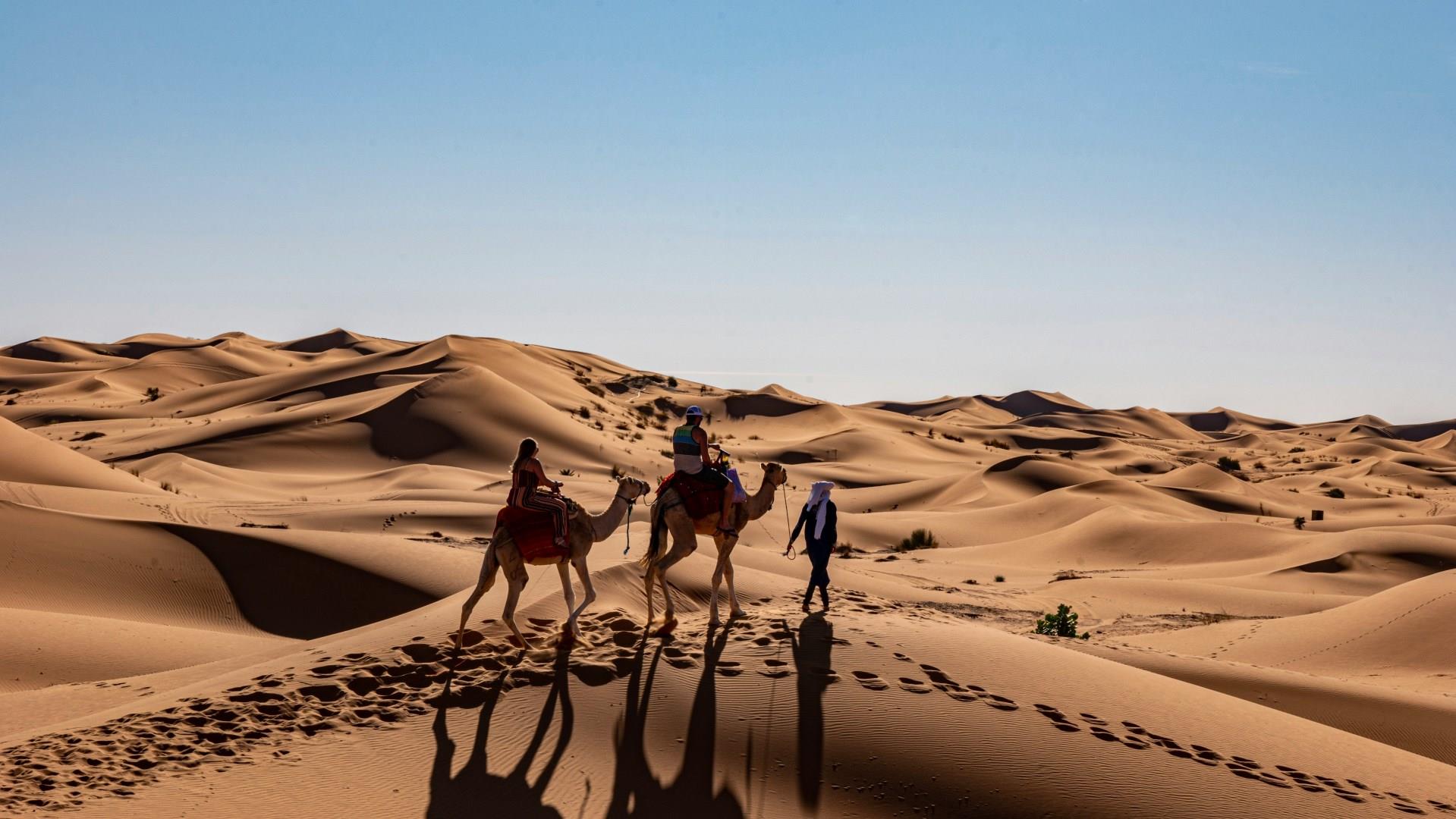
Erfoud, a desert town in eastern Morocco, is often seen as the last stop before the endless dunes of the Sahara begin. But this oasis holds more than just a convenient location. Known as the "Gateway to the Desert," Erfoud is steeped in history that predates the modern borders of Morocco. It was once a French colonial outpost, and today, its dusty streets and adobe buildings offer a glimpse into a slower, older way of life that still shapes the region’s identity.