Cameroon
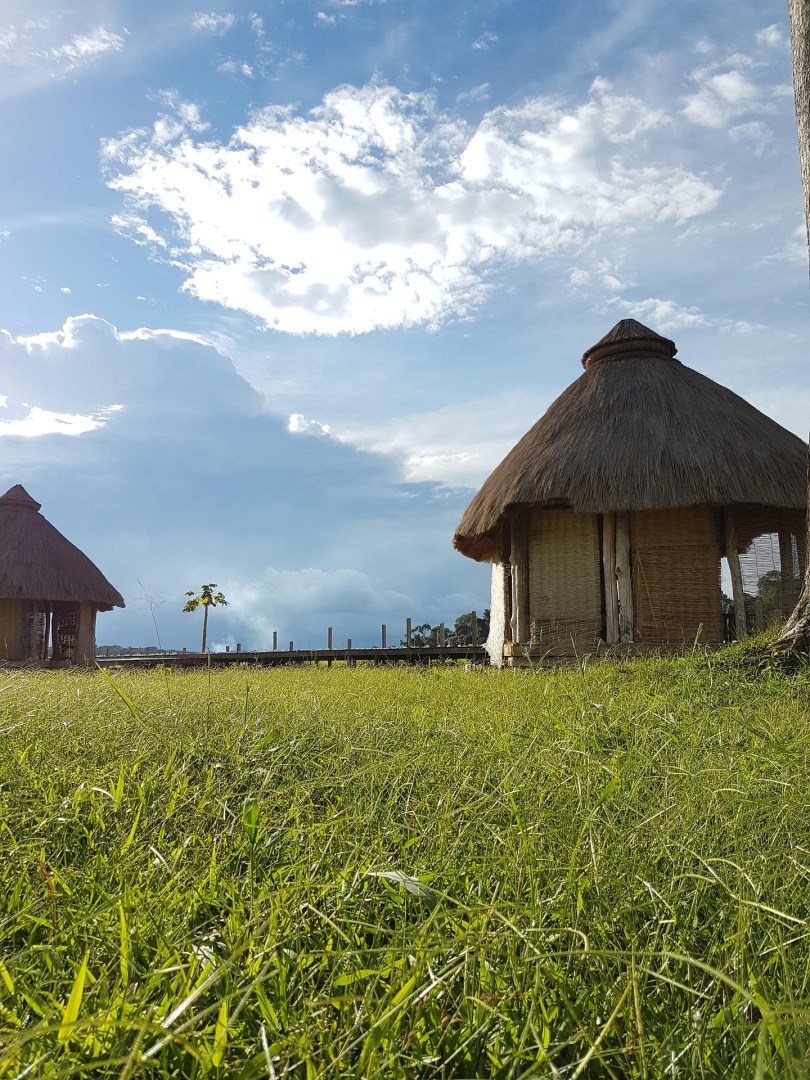
Cameroon is often called “Africa in miniature” for good reason. Within its borders, travelers can explore coastal beaches, dense rainforests, vast savannas, active volcanoes, and snow-capped peaks, all without crossing a border. The country’s most iconic landmark, Mount Cameroon, is the highest mountain in West Africa and an active volcano that draws hikers from around the world.
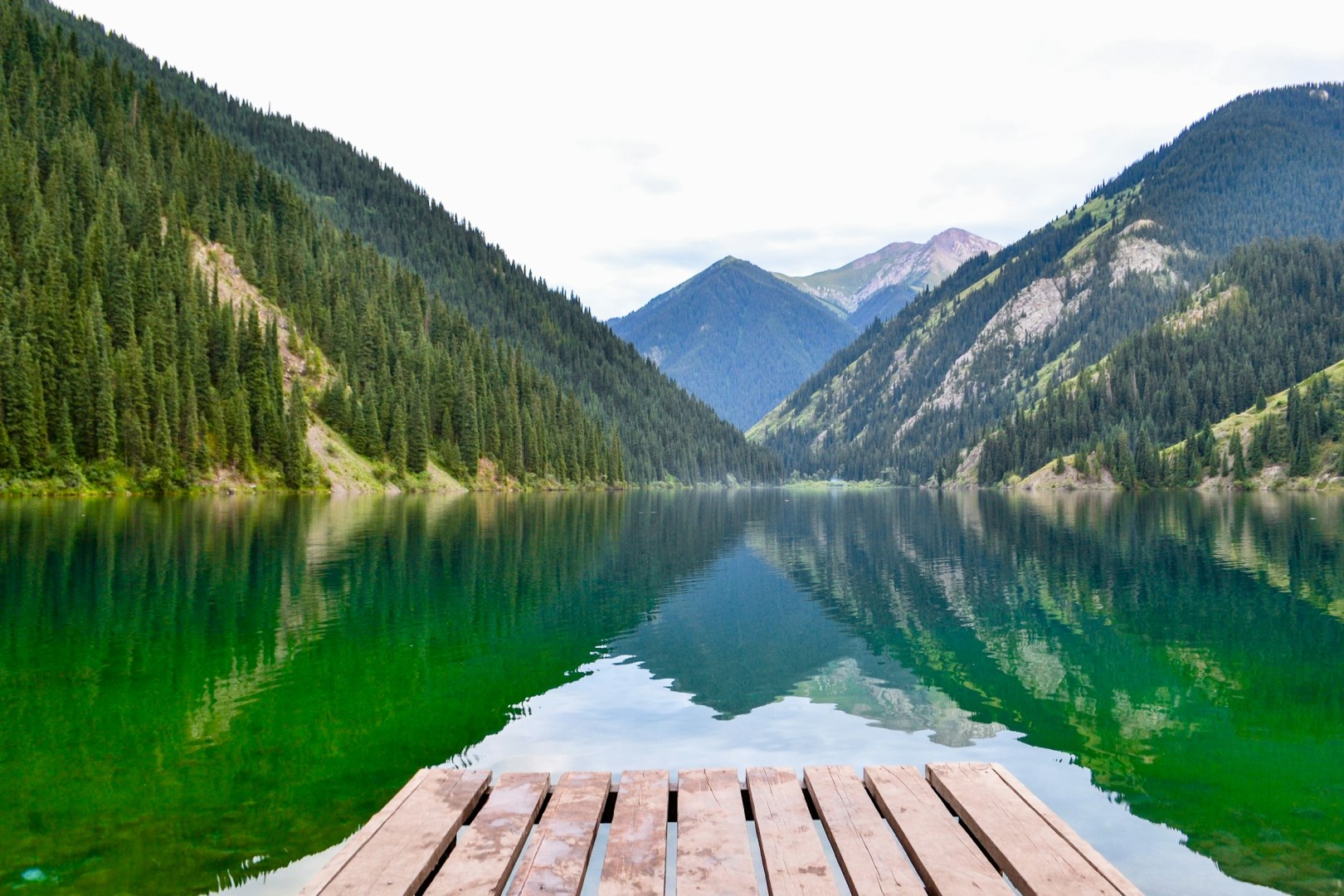
Kolsai Lakes National Park
Kolsai Lakes National Park is a protected mountain area in southeastern Kazakhstan, located in the northern Tian Shan east of Almaty. The park is centered on a chain of alpine lakes surrounded by steep forested slopes, rocky peaks, and mountain valleys. The three Kolsai Lakes occupy different elevations along the Kolsai River, with the landscape changing from coniferous forest at lower levels to alpine terrain higher in the mountains.

Šiaulia
Šiauliai, often referred to as the "City of the Sun" due to its high number of sunny days, is a vibrant gem in northern Lithuania. The city's most iconic landmark is the Hill of Crosses, a profound site of pilgrimage adorned with thousands of crosses placed by visitors over the decades. This unique and moving monument, which has been recognized by UNESCO for its cultural significance, symbolizes the resilience and spirit of the Lithuanian people.
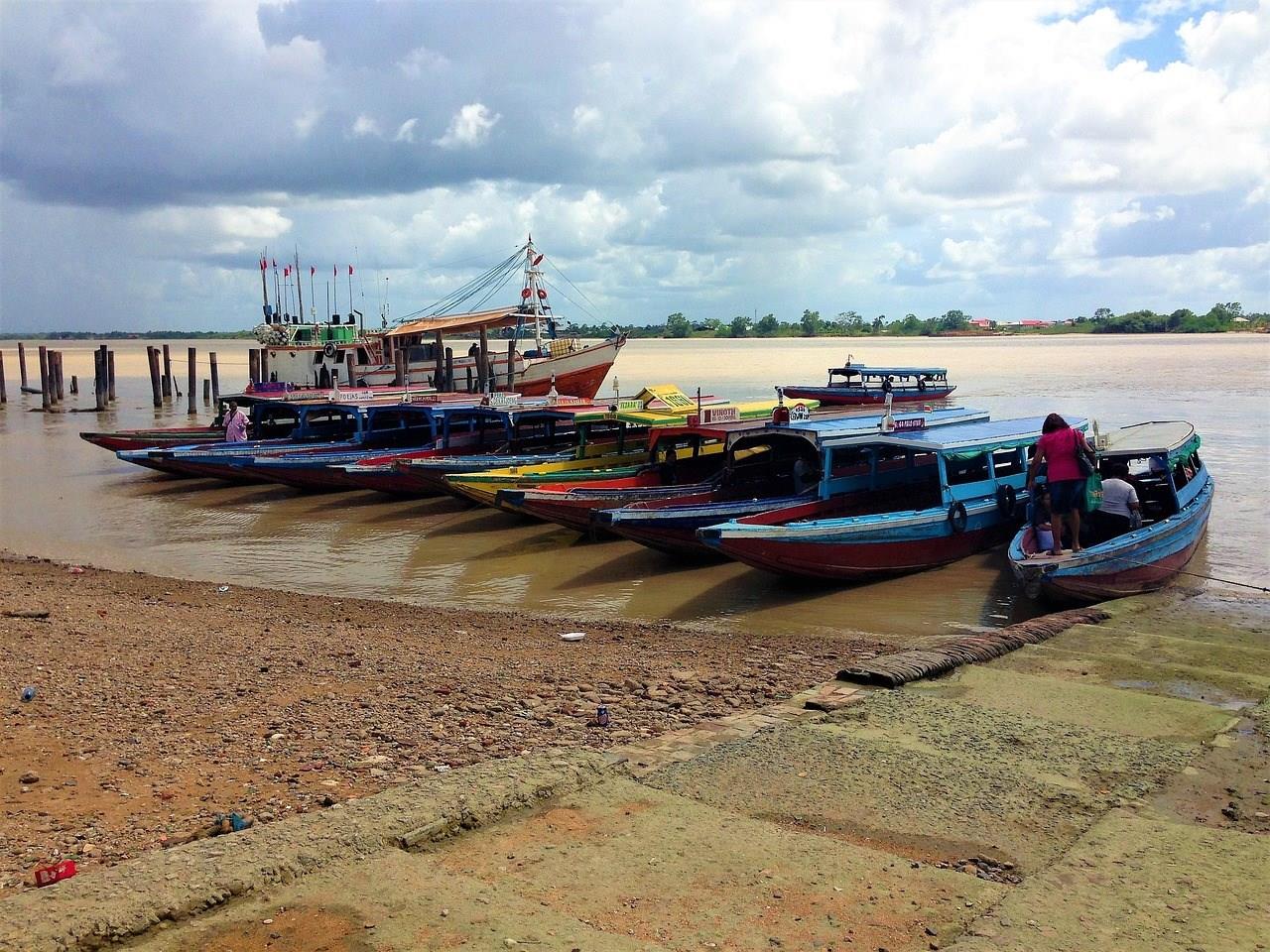
Paramaribo
Paramaribo, Suriname’s capital, unfolds like a living storybook along the Suriname River, where wooden structures from the 17th and 18th centuries still stand today. This historic heart reveals a rare fusion of Dutch design and local craftsmanship. Visitors can stroll the Waterkant, a riverside avenue, and take in landmarks such as Fort Zeelandia, the neoclassical Reformed Church, and the lofty wooden Cathedral of St. Peter and Paul.

Jasper
Explore Jasper, Alberta and gaze in awe at one of Canada’s most beautiful national parks in the Canadian Rockies. A veritable paradise for the bold traveler, Jasper National Park has no shortage of natural marvels guaranteed to take your breath away.