Córdoba
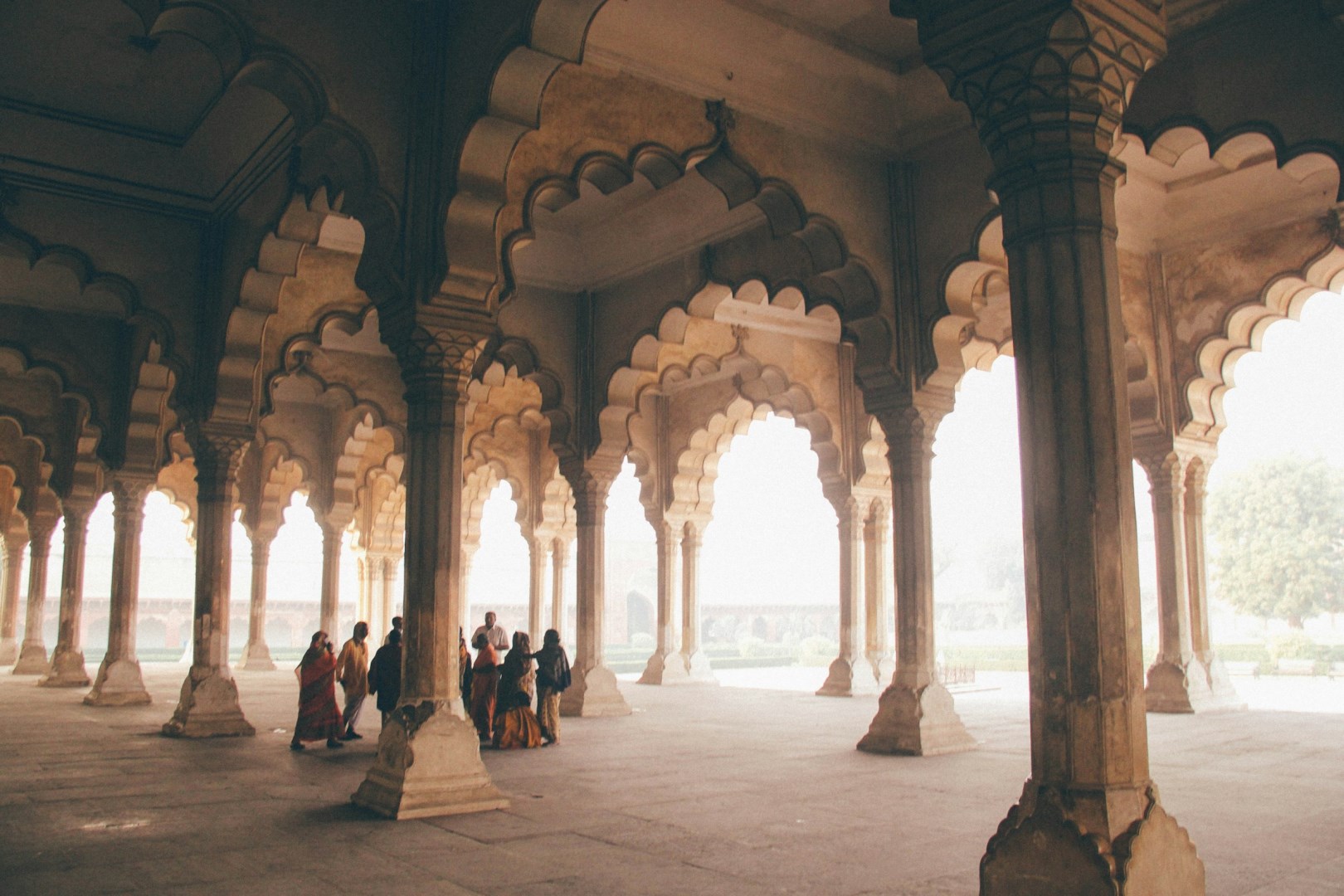
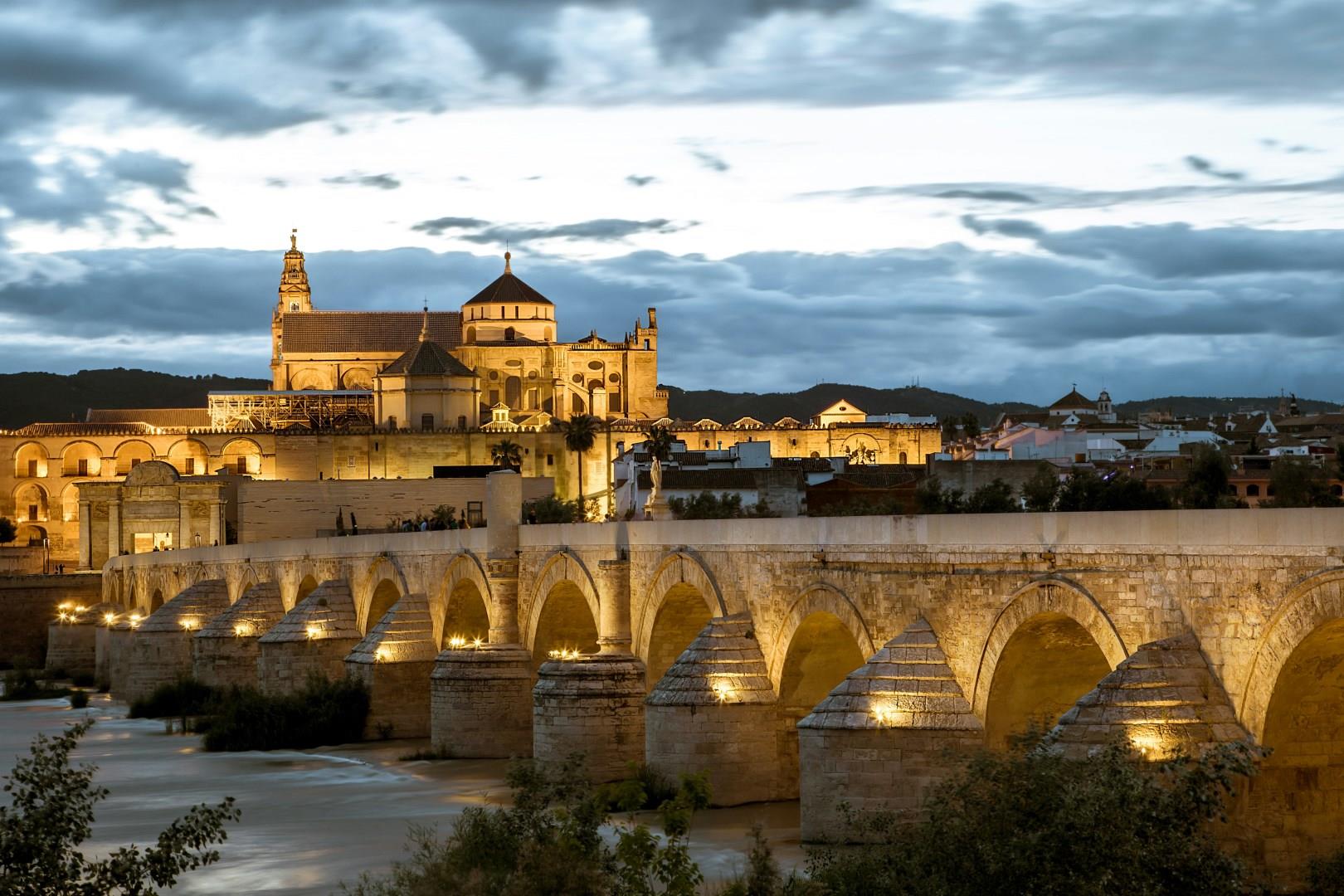
Córdoba, located in the heart of Andalusia, was once the most advanced city in Western Europe. During the 10th century, it served as the capital of Al-Andalus and was a center for learning, science, and art. Today, visitors walk the same streets that philosophers, poets, and physicians once crossed. The city’s most famous landmark, the Mezquita-Catedral, reflects its layered past. The red and white horseshoe arches inside are one of the most photographed interiors in Spain.
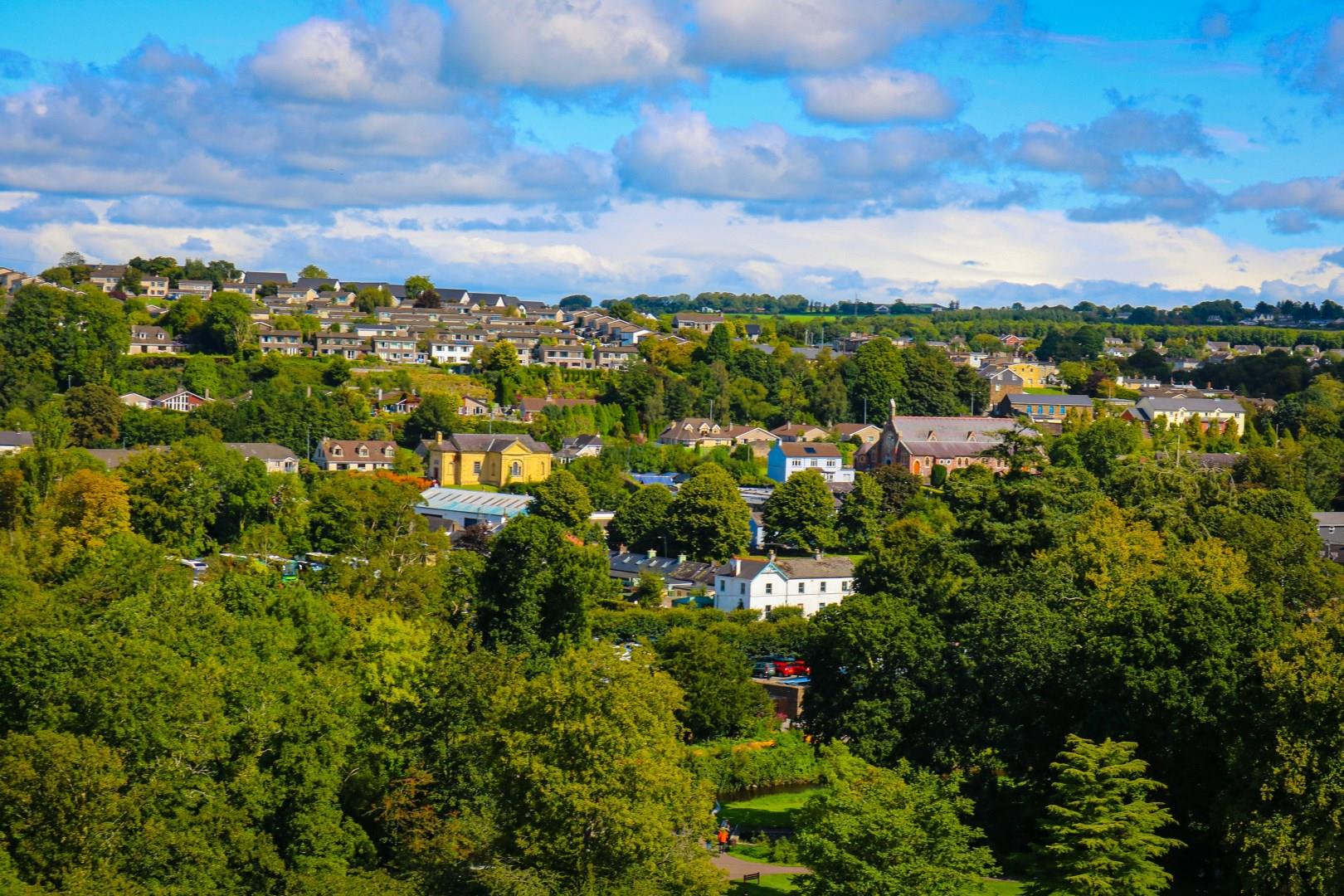
Blarney
Blarney, a village just outside Cork in Ireland, is best known for its legendary Blarney Castle, where travelers from around the world come to kiss the famous Blarney Stone.

Andorra
Nestled high in the Pyrenees between France and Spain, Andorra is a hidden gem that beckons nature lovers, adventure seekers, and history enthusiasts alike. This tiny principality, known for its dramatic mountainous landscapes, offers world-class skiing at resorts like Grandvalira and Vallnord, making it a winter sports haven. In the warmer months, hiking trails open up, providing access to pristine valleys, glacial lakes, and panoramic vistas that seem to stretch forever.
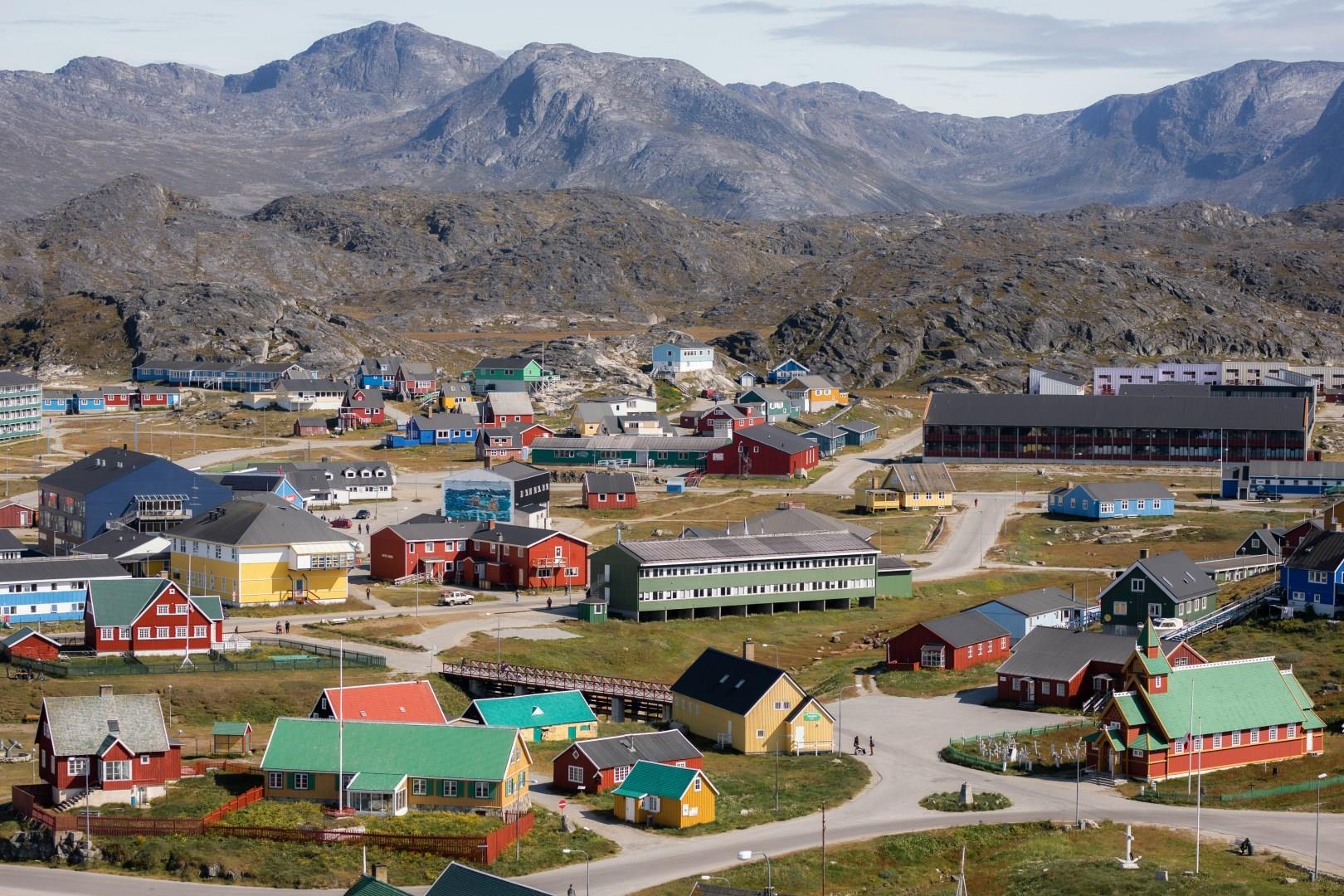
Paamiut
Paamiut lies on Greenland’s southwest coast, where the Labrador Sea meets a rocky, fjord-cut shoreline. Established in the 18th century as a Danish trading post and mission, the town developed around fishing and sealing, activities that continue to shape daily life.

Mobile
Mobile, Alabama, offers a unique blend of Southern charm, rich history, and vibrant culture, making it an enticing destination for travelers. Situated along the Gulf Coast, Mobile is known for its well-preserved antebellum architecture and its role in America's early history. Visitors can explore the Mobile Historic District with its beautiful oak-lined streets and stately homes, or visit the USS Alabama Battleship Memorial Park to tour a World War II-era battleship, submarine, and aircraft, off