Maloti-Drakensberg Park
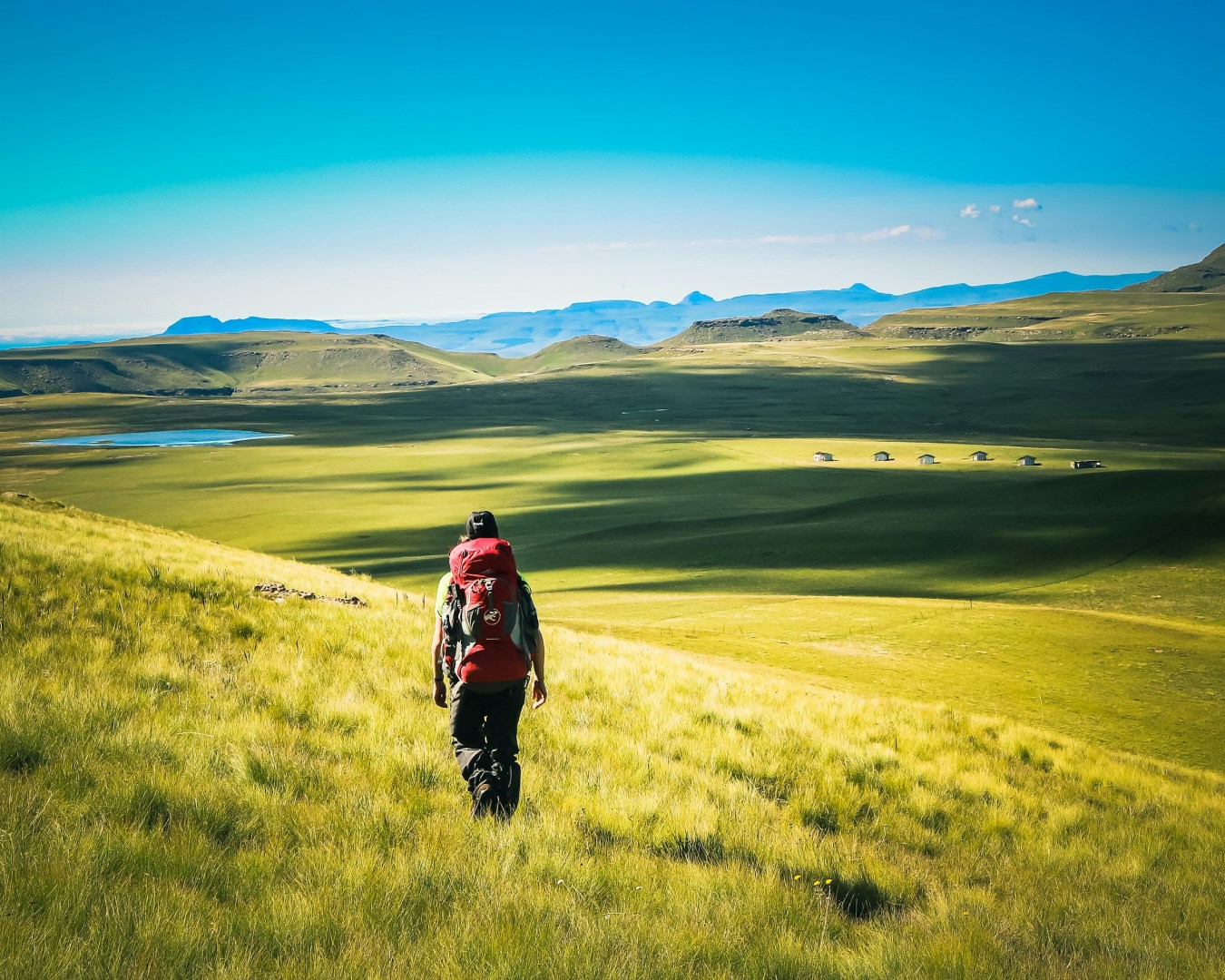
Maloti-Drakensberg Park spans the mountainous borderlands of Lesotho and South Africa, forming a large protected landscape of high plateaus, steep cliffs, sandstone formations, grasslands, and river valleys. The Lesotho section is centered on Sehlabathebe National Park, while the South African portion includes uKhahlamba-Drakensberg Park. The area is recognized as a UNESCO World Heritage property for both its natural and cultural importance.

Dominica
Dominica, known as the “Nature Island of the Caribbean,” is a haven for eco-tourists and adventure seekers. Nestled between the French islands of Guadeloupe and Martinique, this lush island boasts a remarkable landscape of volcanic mountains, dense rainforests, and stunning waterfalls. Dominica’s most iconic natural wonder is the Boiling Lake, the second-largest hot spring in the world.
El Valle de Antón
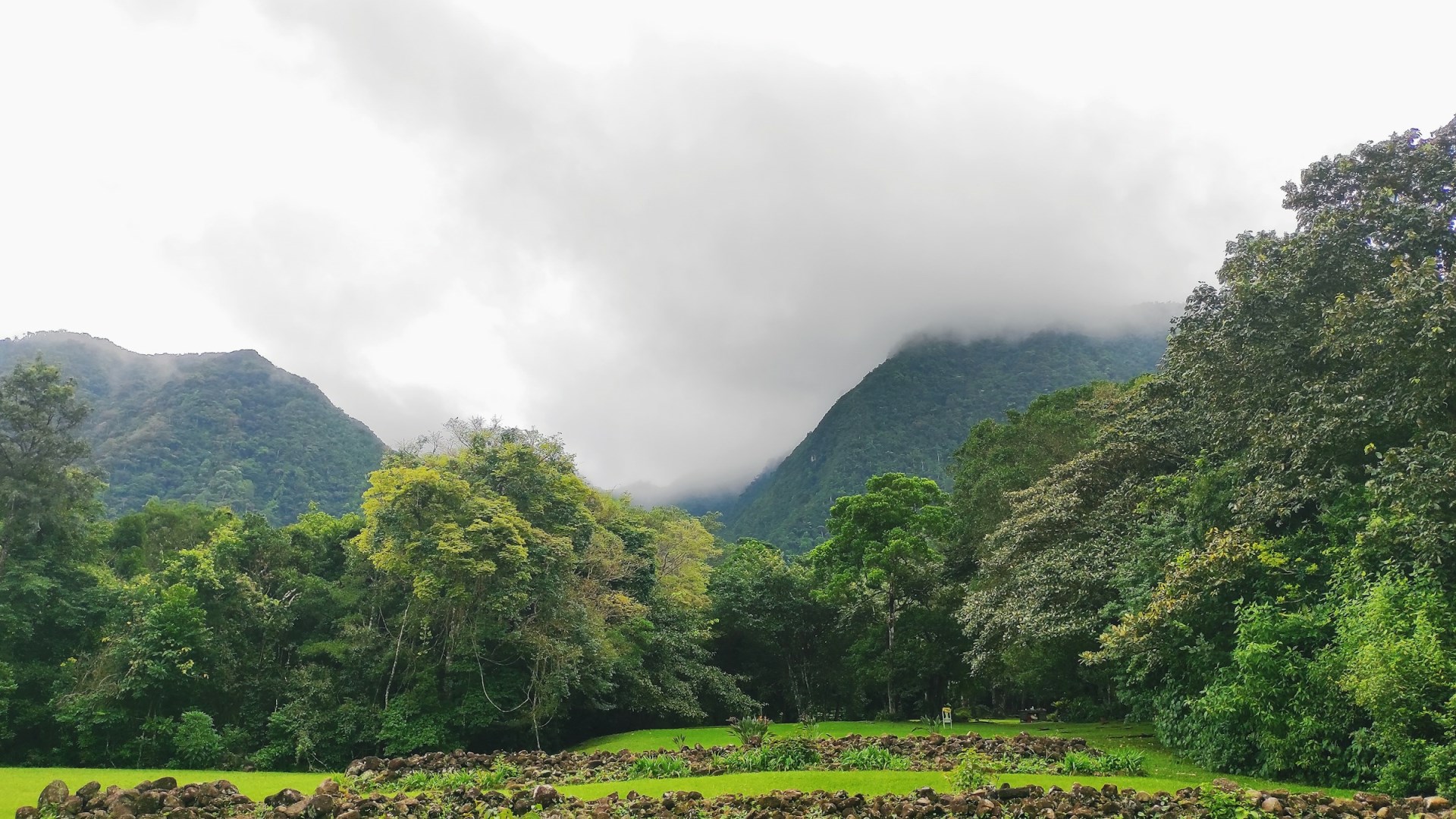
El Valle de Antón is a mountain town in Panama’s Coclé Province, set within the broad crater of an inactive volcano. Its elevated setting gives the area a cooler climate than much of the surrounding lowlands, while mountains and forested slopes surround the town. Streams, waterfalls, gardens, farms, and wooded areas are found throughout the valley, creating a landscape shaped by volcanic geology and tropical vegetation.
O'ahu Island
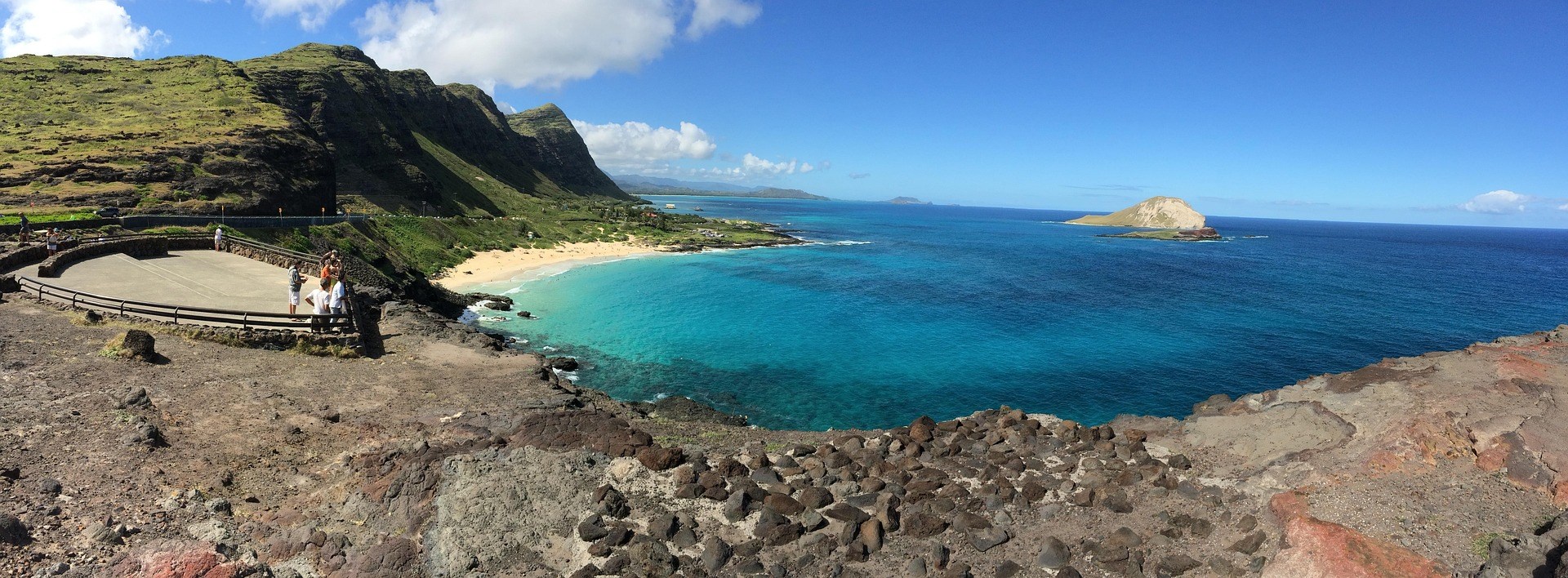
The most heavily populated of the Hawaiian islands, Oahu is known as the Gathering Place. Two parallel mountain ranges, the Koolau Range and the Waianae Range, cross Oahu from northwest to southeast. . Among the many popular beaches is the renowned Waikiki, backed by the famous Diamond Head, an extinct volcano.

Amantani
Amantani is an island in Lake Titicaca, Peru, known for its high-altitude landscapes, agricultural terraces, and Quechua-speaking communities. Located in the lake’s Peruvian waters, the island is home to small settlements spread across hillsides that rise above the water. Unlike larger lakeside destinations, Amantani has few paved roads and no major commercial center, so daily life remains closely connected to farming, weaving, and community activities.