As a UNESCO World Heritage site, Stone Town boasts narrow, winding streets lined with towering stone buildings adorned with beautifully carved wooden doors, reflecting its rich history as a major trading hub.
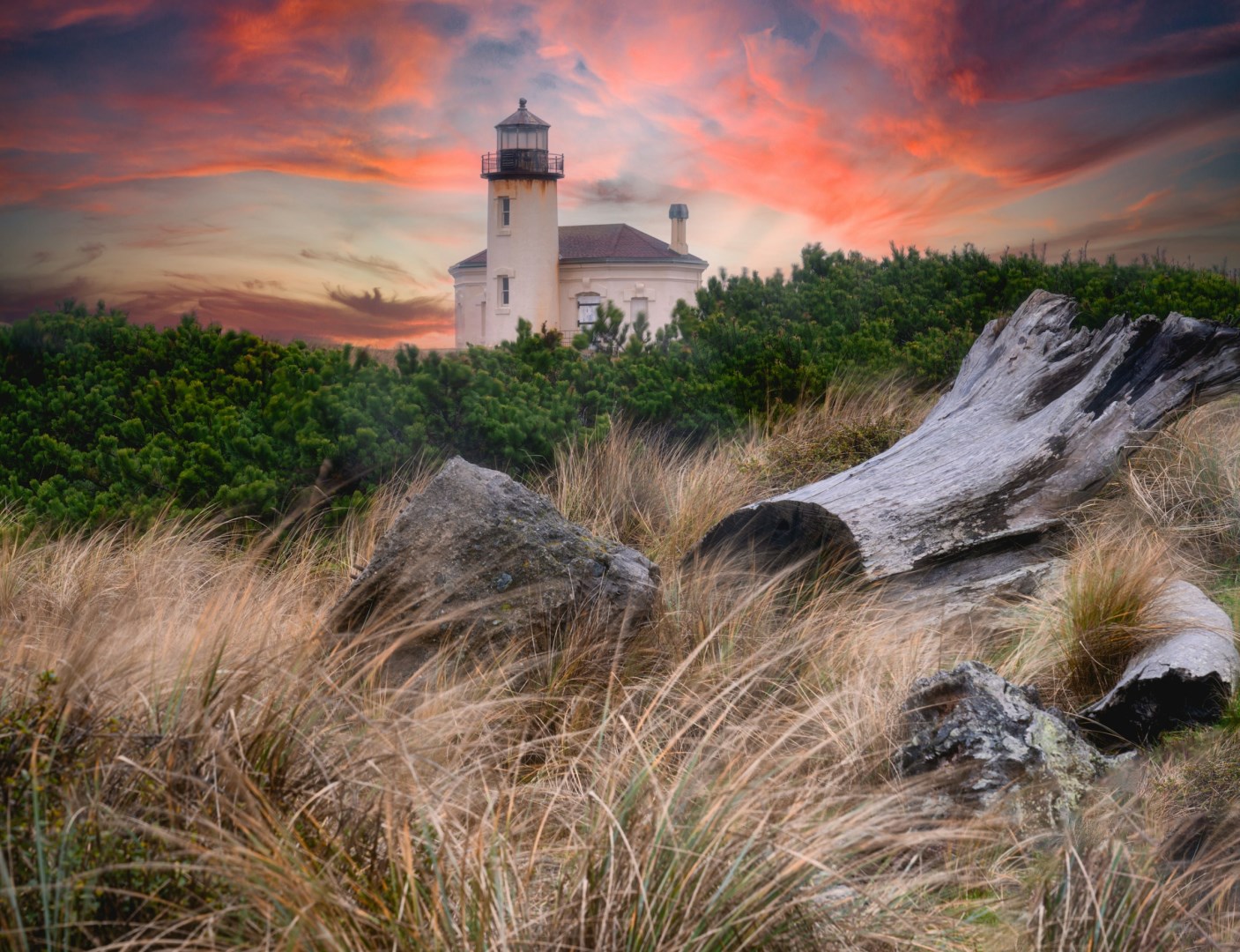
Bandon is a coastal city on Oregon’s southern coast, positioned beside the Coquille River and the Pacific Ocean. Its setting combines a small harbor, sandy beaches, forested areas, and a rugged shoreline marked by offshore sea stacks. The city is known for its relaxed coastal character and its connection to the surrounding landscape rather than large-scale development. Bandon’s Old Town district contains shops, galleries, restaurants, and historic buildings, while the waterfront provides access
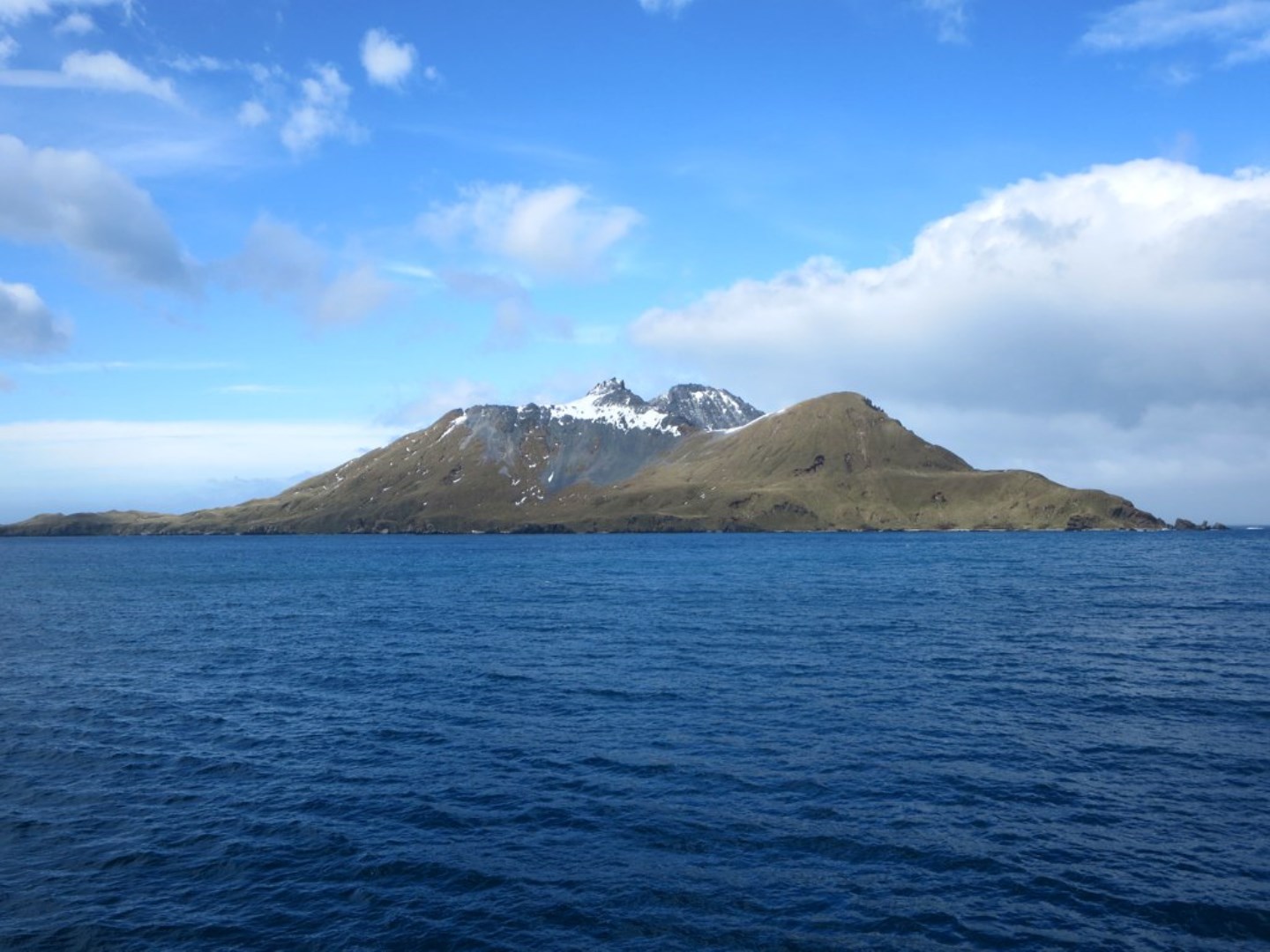
Cooper Island is a small, rugged island off the southeastern coast of South Georgia, lying near the entrance to Drygalski Fjord. Its landscape combines steep rocky slopes, snowfields, glaciers, and sheltered coastal areas, with the island surrounded by cold waters often containing sea ice. The island is part of the protected South Georgia environment and is visited primarily for its wildlife and scenery. Expedition vessels may approach or land when conditions permit, although access depends on w
Šiauliai, often referred to as the "City of the Sun" due to its high number of sunny days, is a vibrant gem in northern Lithuania. The city's most iconic landmark is the Hill of Crosses, a profound site of pilgrimage adorned with thousands of crosses placed by visitors over the decades. This unique and moving monument, which has been recognized by UNESCO for its cultural significance, symbolizes the resilience and spirit of the Lithuanian people.
Salvador da Bahia, often simply called Salvador, is a city where the soul of Brazil truly shines. As the capital of the state of Bahia and one of the oldest colonial cities in the Americas, Salvador offers a rich tapestry of Afro-Brazilian culture, vibrant music, and historic architecture.
Photo Credit: Photo by Mylène Haudebourg on Unsplash
Photo Credit: Photo by Lightscape on Unsplash
Photo Credit: Photo by James Seddon on Unsplash
Photo Credit: Photo by Vidar Nordli-Mathisen on Unsplash
Photo Credit: Photo by Lightscape on Unsplash
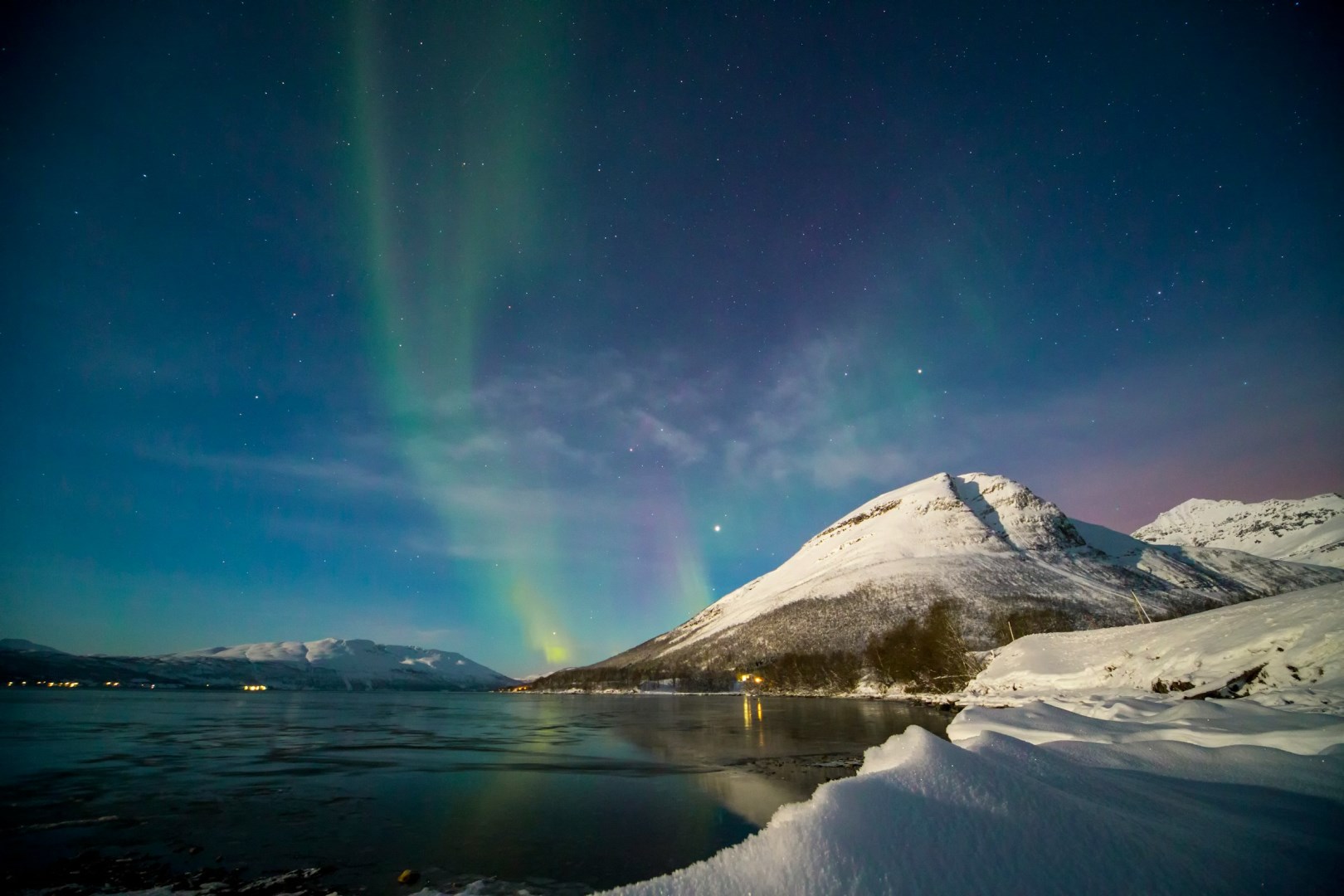
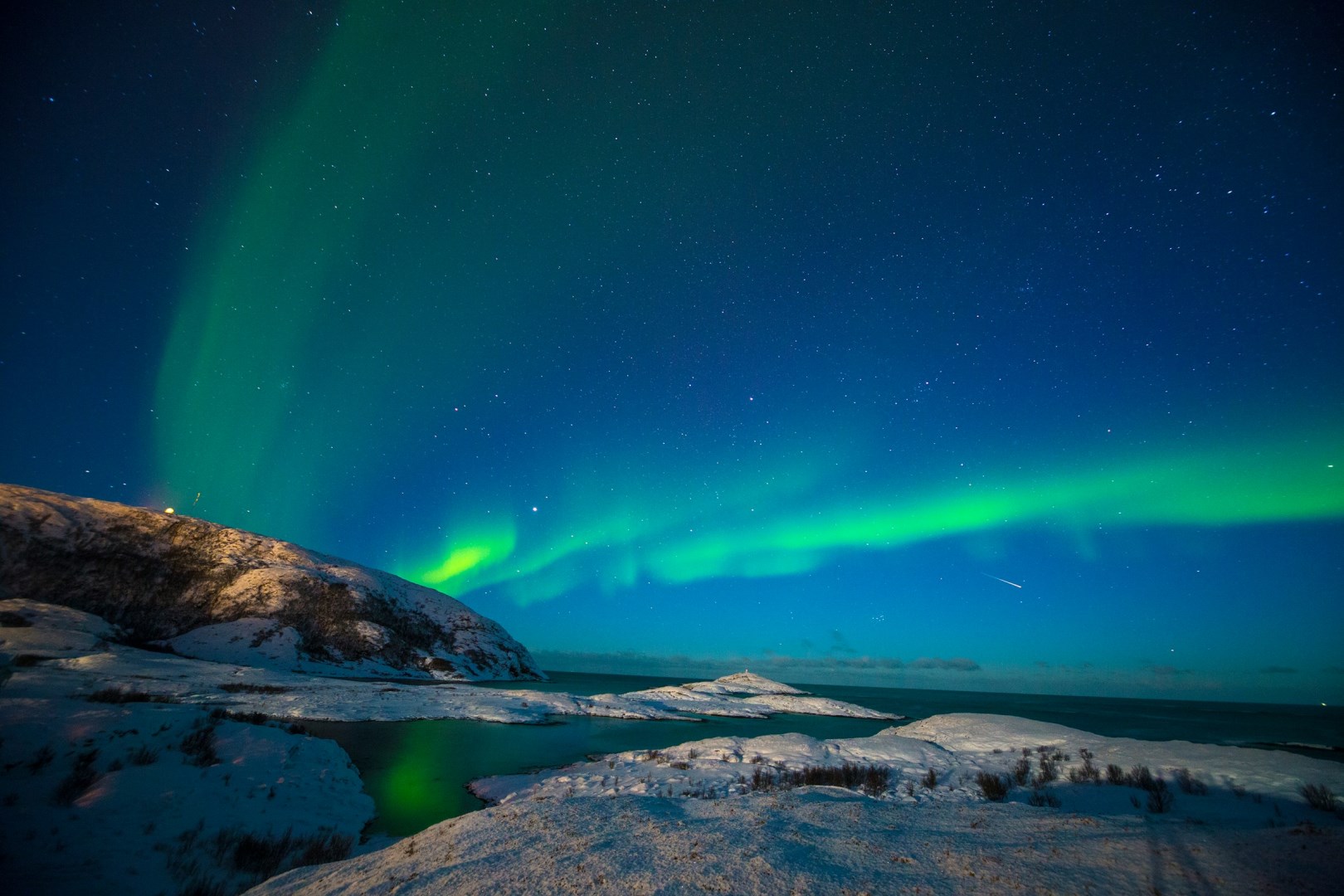
Tromsø, a gem nestled in the Arctic Circle, offers an unparalleled blend of natural wonders and cultural richness. Known as the "Gateway to the Arctic," this Norwegian city is famed for its spectacular Northern Lights. Between September and April, Tromsø becomes a prime location for witnessing the aurora borealis, a mesmerizing display of green, purple, and pink lights dancing across the polar sky.
A stroll through Tromsø’s city center reveals a vibrant blend of modern and historical architecture. The striking Arctic Cathedral, with its distinctive triangular shape and stained-glass windows, stands as a testament to the city's unique aesthetic. The Polar Museum provides fascinating insights into Tromsø’s history as a base for Arctic expeditions, including those of famed explorers like Roald Amundsen.
Tromsø is also a gateway to Arctic adventures. From whale watching tours that offer glimpses of orcas and humpback whales to snowshoeing and dog sledding across the snow-covered landscapes, the city offers a wealth of outdoor activities. For those keen on experiencing the midnight sun, Tromsø is one of the best places to enjoy this phenomenon from late May to late July.
Fun Fact: Tromsø is home to the world’s northernmost university, UiT The Arctic University of Norway. This makes Tromsø a hub of both academic and cultural activity in the Arctic region.
Other Popular Destinations in Norway
Bergen
Charming Bergen will sweep you away with its picturesque architecture and breathtaking natural beauty. Nestled between stunningly verdant mountains and the winding fjords of the North Sea, this scenic town will delight you at every turn.
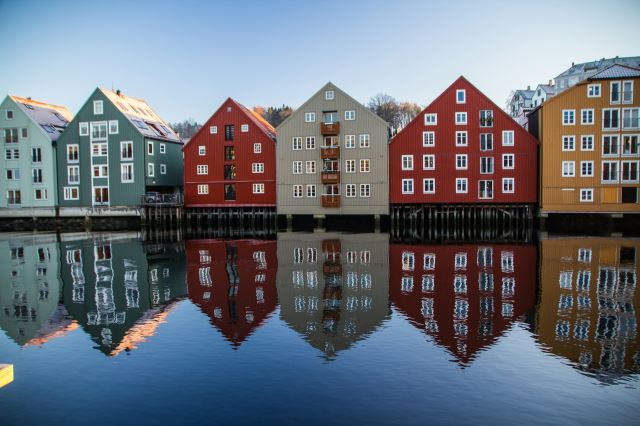
Trondheim
Nestled along the Trondheim Fjord in central Norway, Trondheim offers a captivating blend of rich history and vibrant modern life. As Norway’s first capital, Trondheim boasts a legacy that includes the striking Nidaros Cathedral, an iconic landmark whose construction began in the 11th century.