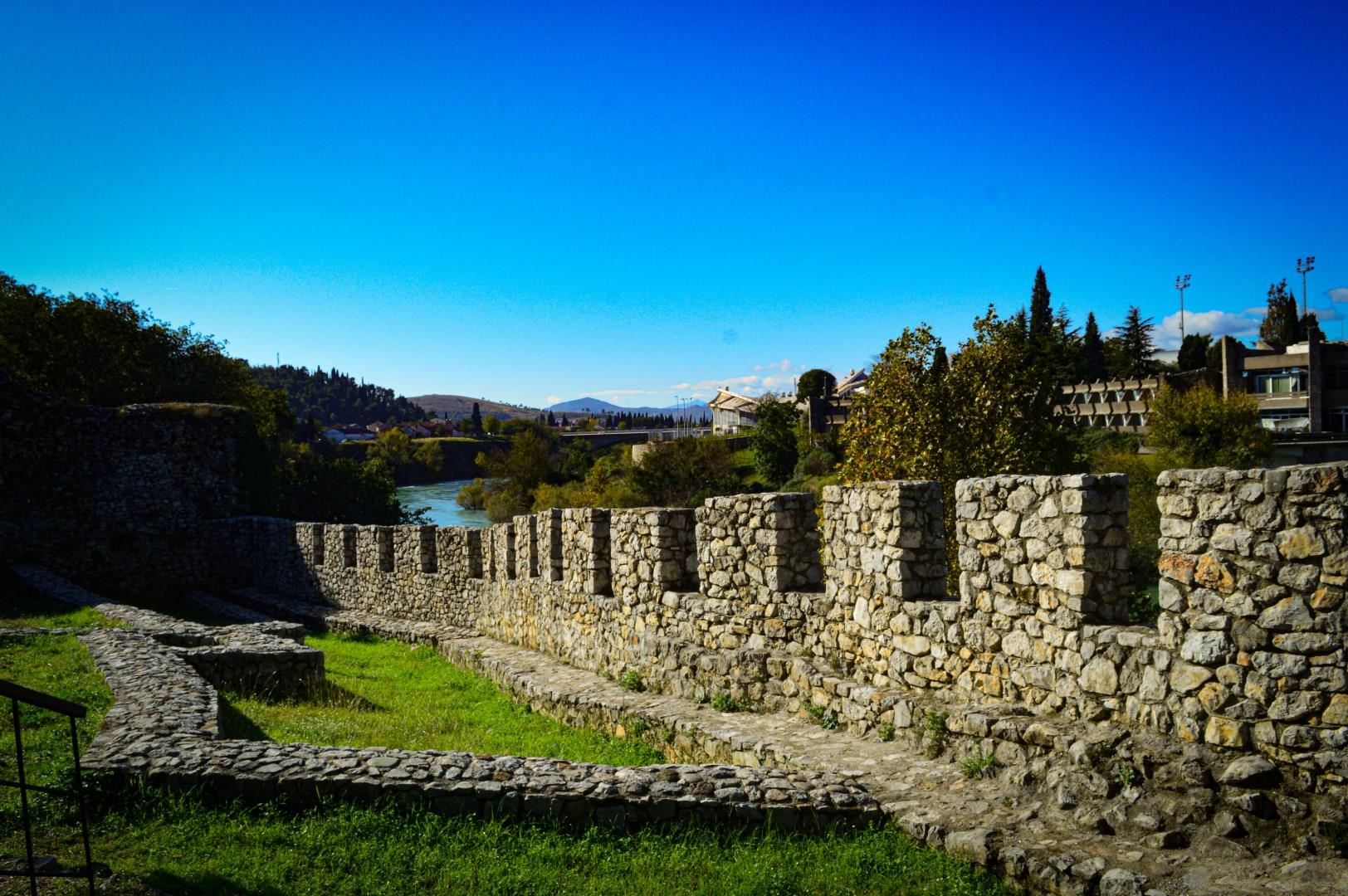
Podgorica, the capital of Montenegro, showcases the country’s contrasting landscapes and deep-rooted history. Although much of the city was rebuilt after World War II, traces of its Roman and Ottoman past still remain. Visitors can explore the ruins of Doclea, a Roman settlement just outside the city, where surviving columns and mosaics give a glimpse into life nearly two millennia ago.
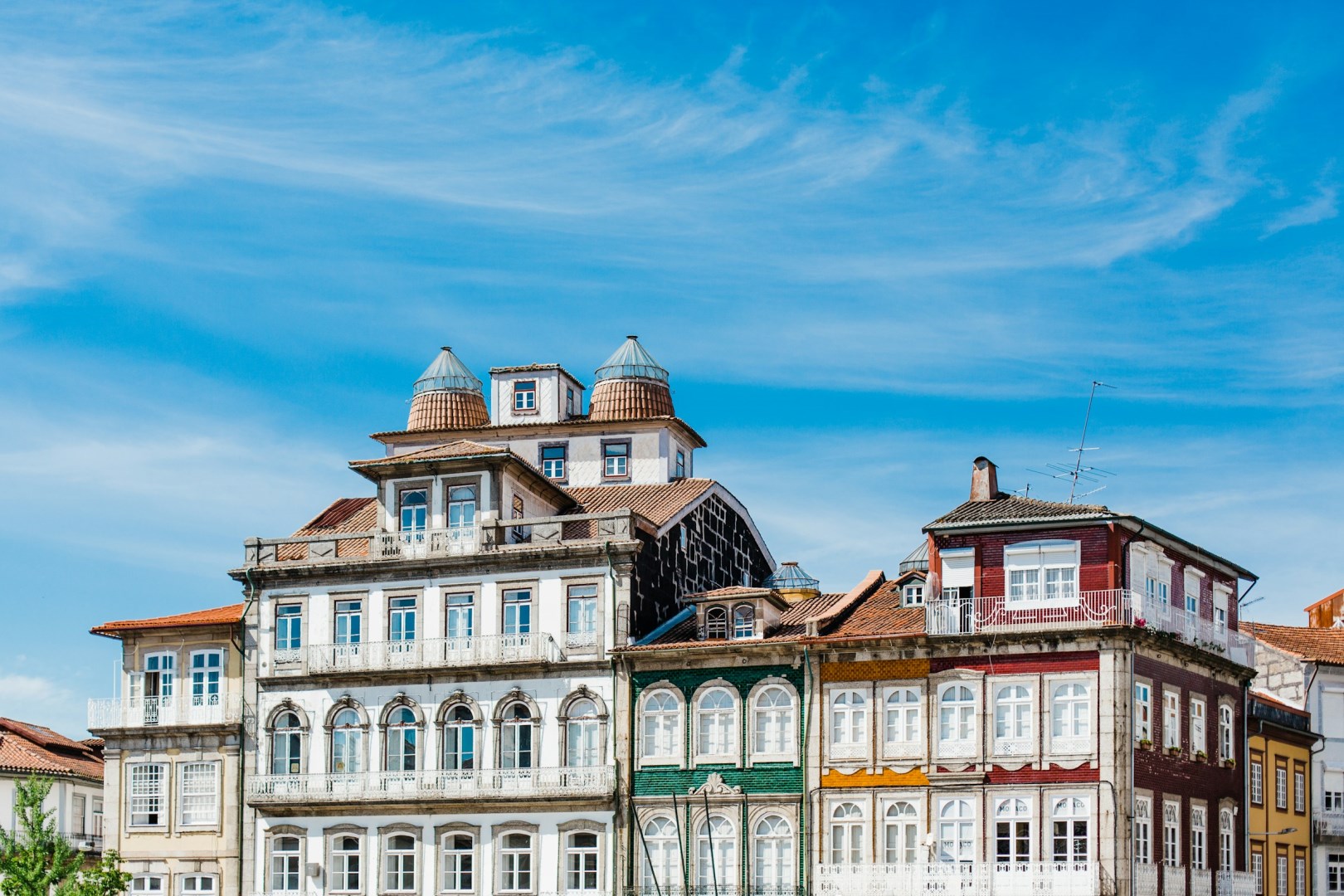
Guimarães is a historic city in northern Portugal closely associated with the origins of the Portuguese nation. Known as the “Cradle of Portugal,” it developed around a medieval settlement whose historic center remains exceptionally well preserved. Narrow streets, granite buildings, arcaded squares, and traditional houses give the old town a distinctive architectural character.
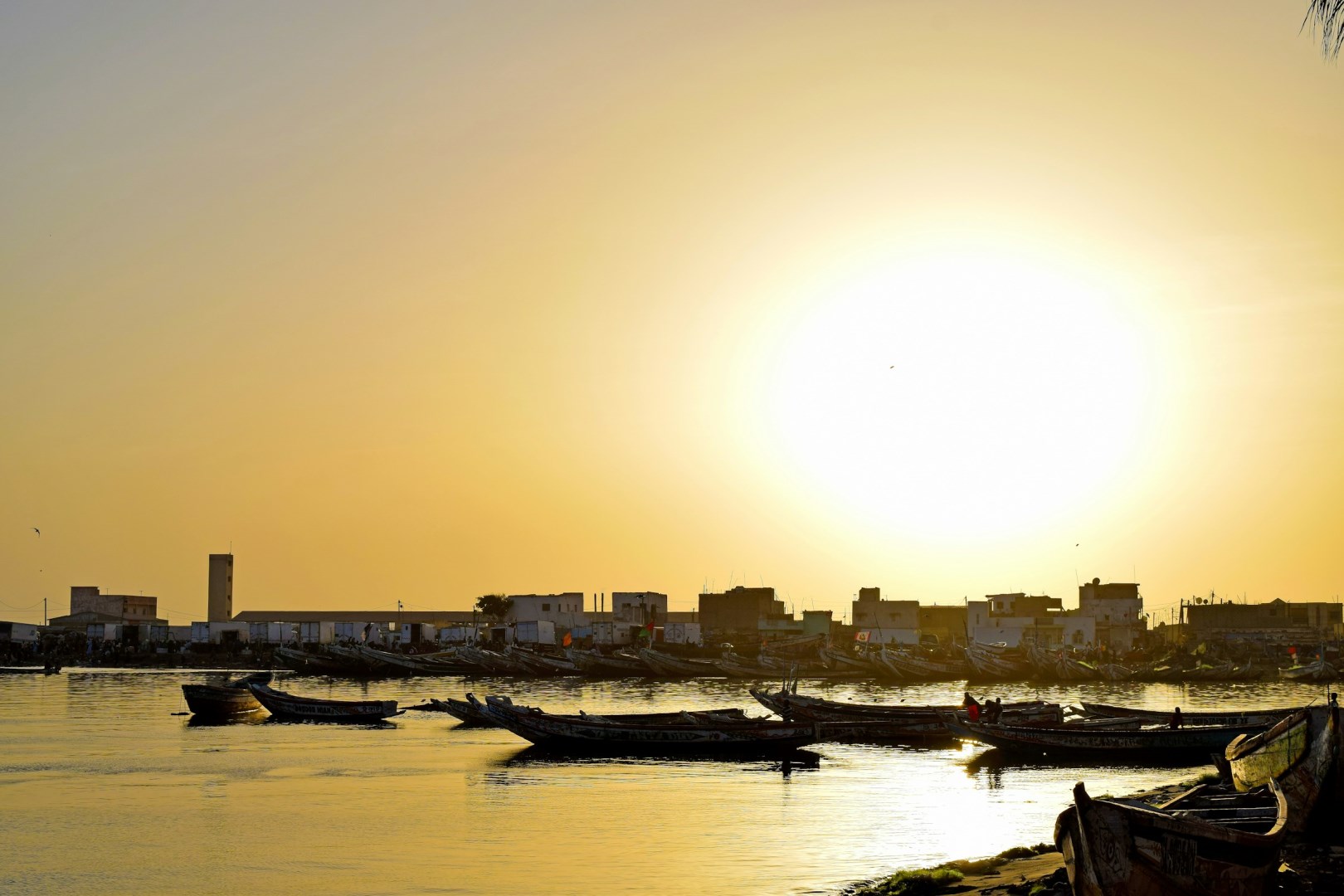
Saint-Louis is a historic city in northern Senegal, positioned on an island at the mouth of the Senegal River where the river meets the Atlantic Ocean. Its distinctive setting between waterways has shaped the city’s architecture, economy, and daily life. The historic island is recognized as a UNESCO World Heritage Site for its regular street plan, waterfront quays, colonial buildings, and distinctive balconies and galleries.
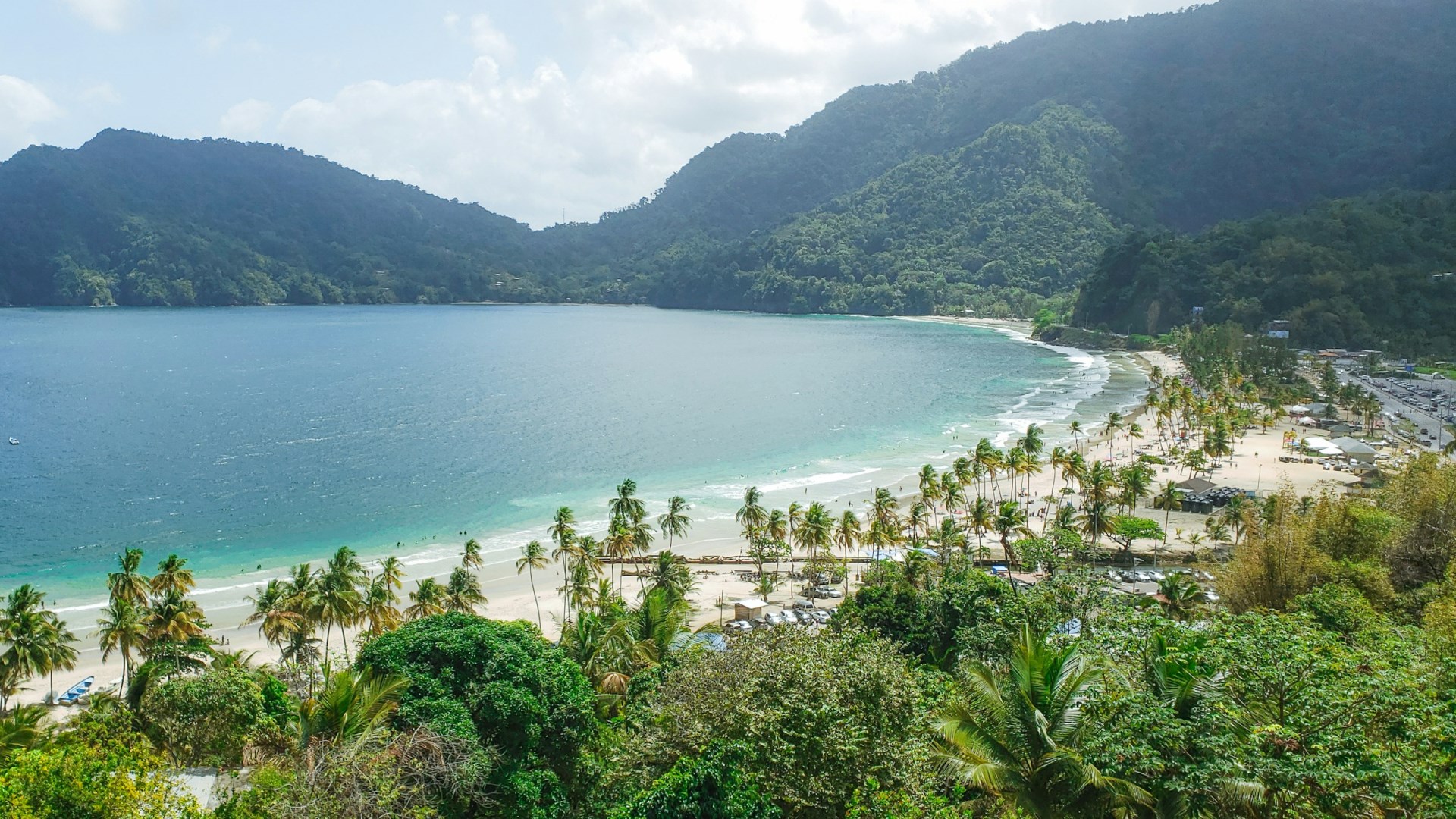
Maracas Bay Village is a small coastal community on Trinidad’s north coast, set around the well-known Maracas Bay and surrounded by the forested Northern Range. The village lies at the end of the Maracas Valley, where steep green hills descend toward the Caribbean Sea. Its economy and daily life are closely connected with the beach, fishing, small businesses, and visitors from across Trinidad.
Photo Credit: Photo by Mylène Haudebourg on Unsplash
Photo Credit: Photo by Lightscape on Unsplash
Photo Credit: Photo by James Seddon on Unsplash
Photo Credit: Photo by Vidar Nordli-Mathisen on Unsplash
Photo Credit: Photo by Lightscape on Unsplash
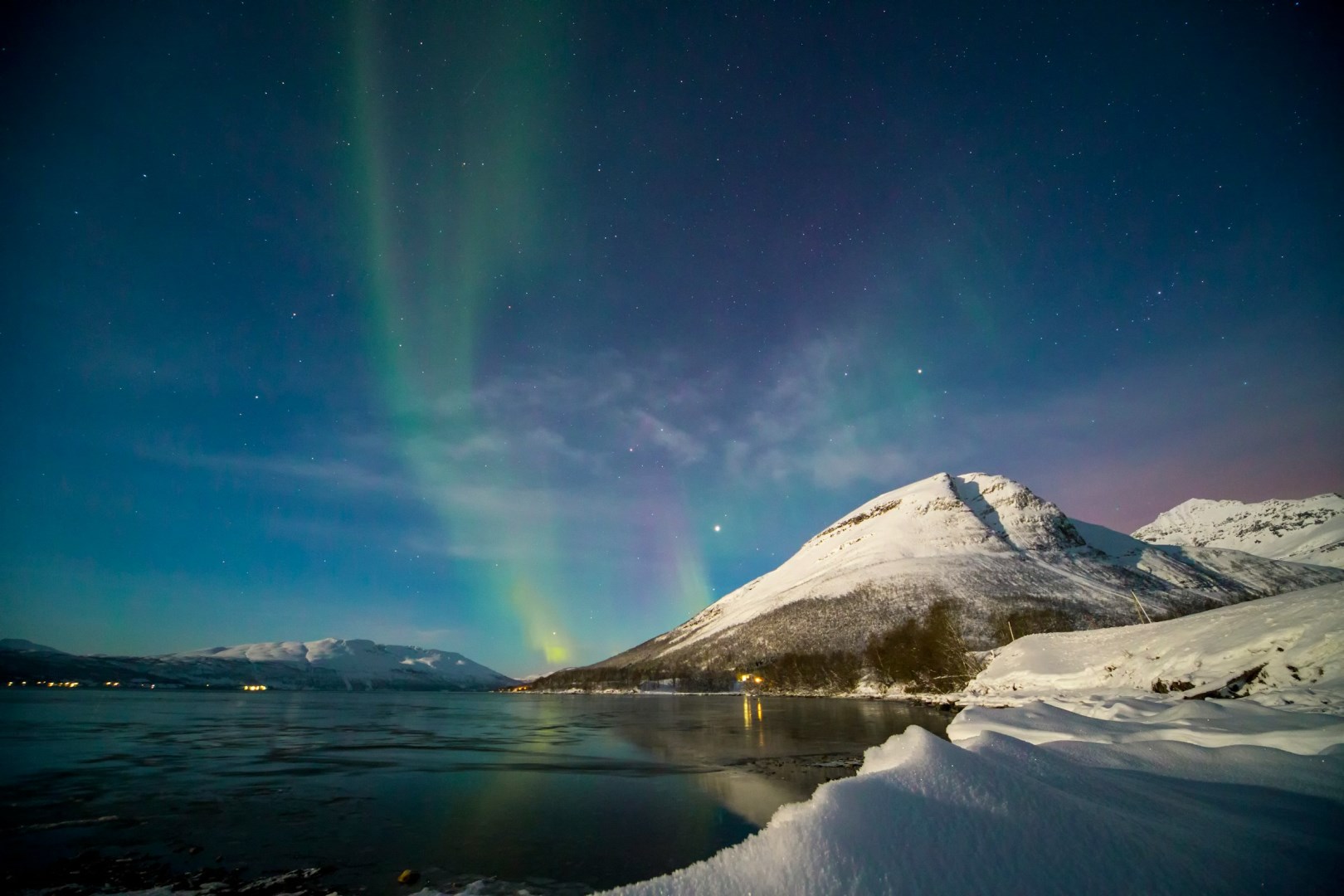
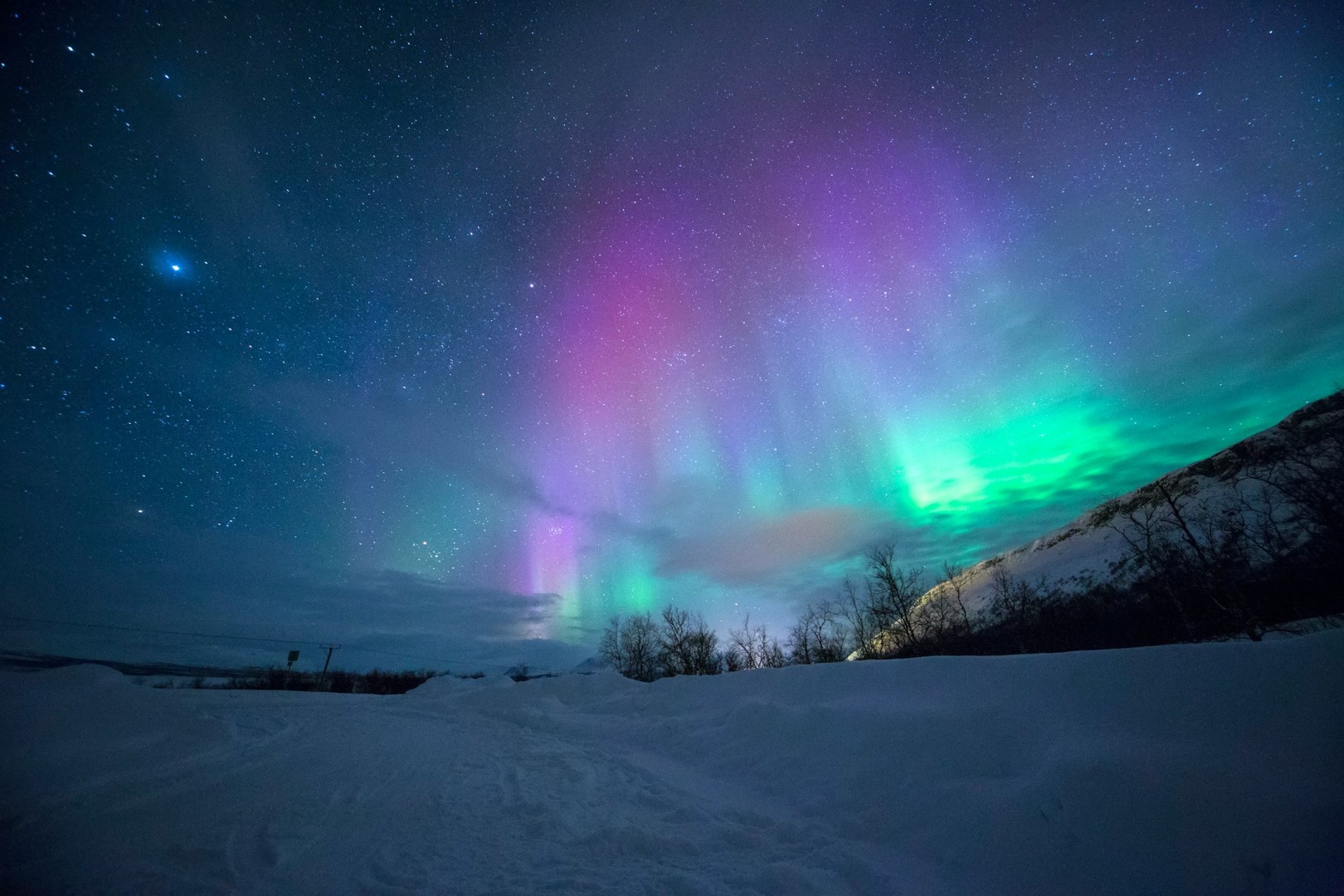
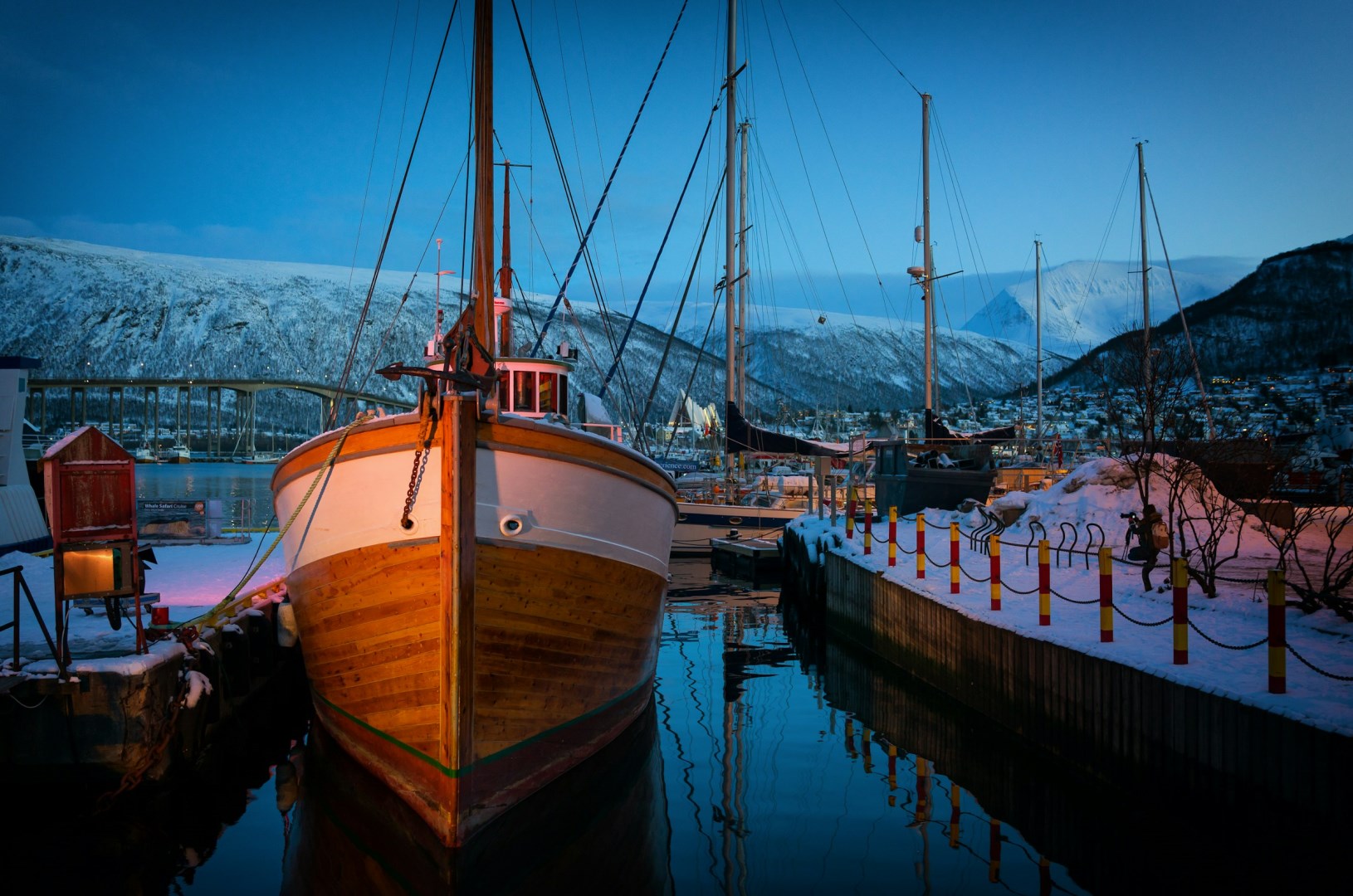
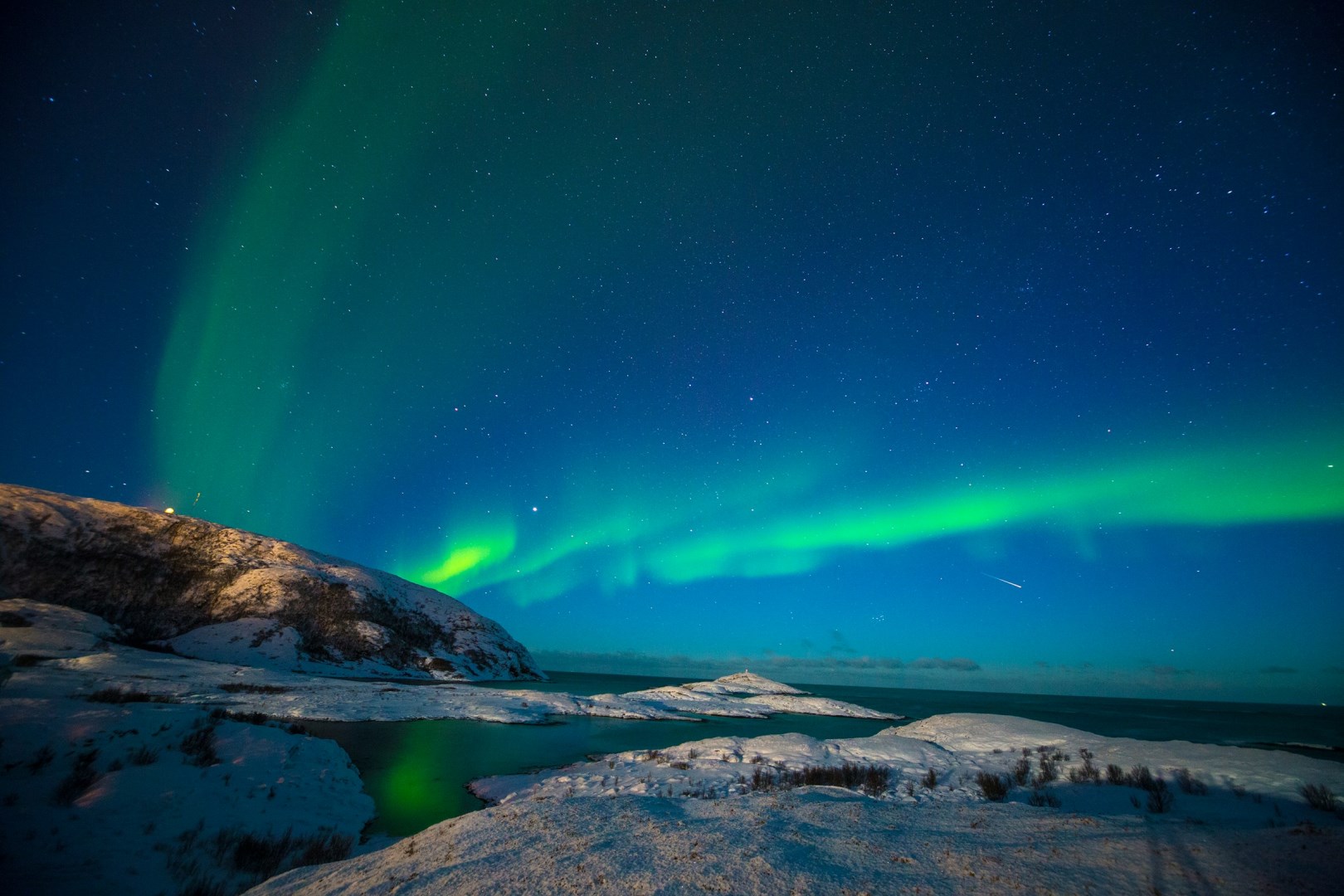
Tromsø, a gem nestled in the Arctic Circle, offers an unparalleled blend of natural wonders and cultural richness. Known as the "Gateway to the Arctic," this Norwegian city is famed for its spectacular Northern Lights. Between September and April, Tromsø becomes a prime location for witnessing the aurora borealis, a mesmerizing display of green, purple, and pink lights dancing across the polar sky.
A stroll through Tromsø’s city center reveals a vibrant blend of modern and historical architecture. The striking Arctic Cathedral, with its distinctive triangular shape and stained-glass windows, stands as a testament to the city's unique aesthetic. The Polar Museum provides fascinating insights into Tromsø’s history as a base for Arctic expeditions, including those of famed explorers like Roald Amundsen.
Tromsø is also a gateway to Arctic adventures. From whale watching tours that offer glimpses of orcas and humpback whales to snowshoeing and dog sledding across the snow-covered landscapes, the city offers a wealth of outdoor activities. For those keen on experiencing the midnight sun, Tromsø is one of the best places to enjoy this phenomenon from late May to late July.
Fun Fact: Tromsø is home to the world’s northernmost university, UiT The Arctic University of Norway. This makes Tromsø a hub of both academic and cultural activity in the Arctic region.
Other Popular Destinations in Norway
Bergen
Charming Bergen will sweep you away with its picturesque architecture and breathtaking natural beauty. Nestled between stunningly verdant mountains and the winding fjords of the North Sea, this scenic town will delight you at every turn.
Trondheim
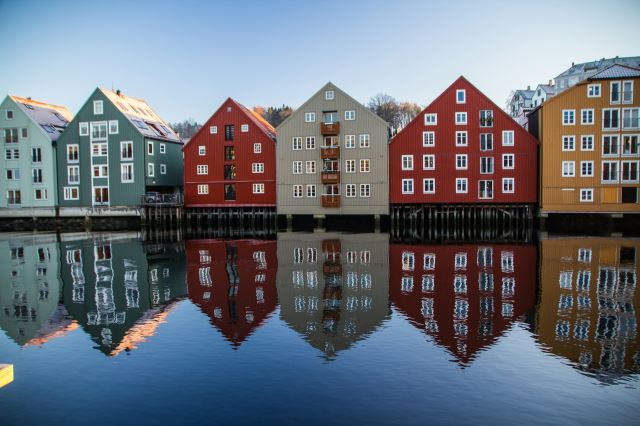
Nestled along the Trondheim Fjord in central Norway, Trondheim offers a captivating blend of rich history and vibrant modern life. As Norway’s first capital, Trondheim boasts a legacy that includes the striking Nidaros Cathedral, an iconic landmark whose construction began in the 11th century.