

Tajikistan
Tajikistan, a landlocked country in Central Asia, is defined by its dramatic mountain landscapes, including the towering Pamir and Fann ranges. These rugged peaks and deep valleys create a striking backdrop for ancient Silk Road sites and traditional villages, reflecting the country’s historical importance as a crossroads of cultures.

Lijiang
Lijiang sits in northwest Yunnan, shaped by its role as a trading town on routes linking Tibet, Sichuan, and Southeast Asia. It is closely associated with the Naxi people, whose language, music, and traditions remain central to local identity.

Willemstad
Willemstad, the capital of Curaçao, is unlike any other city in the Caribbean. With its pastel-colored buildings lining the waterfront and a layout shaped by Dutch colonial planning, the city blends European design with Caribbean culture. Its historic center, divided by Sint Anna Bay into Punda and Otrobanda, has been recognized as a UNESCO World Heritage Site.
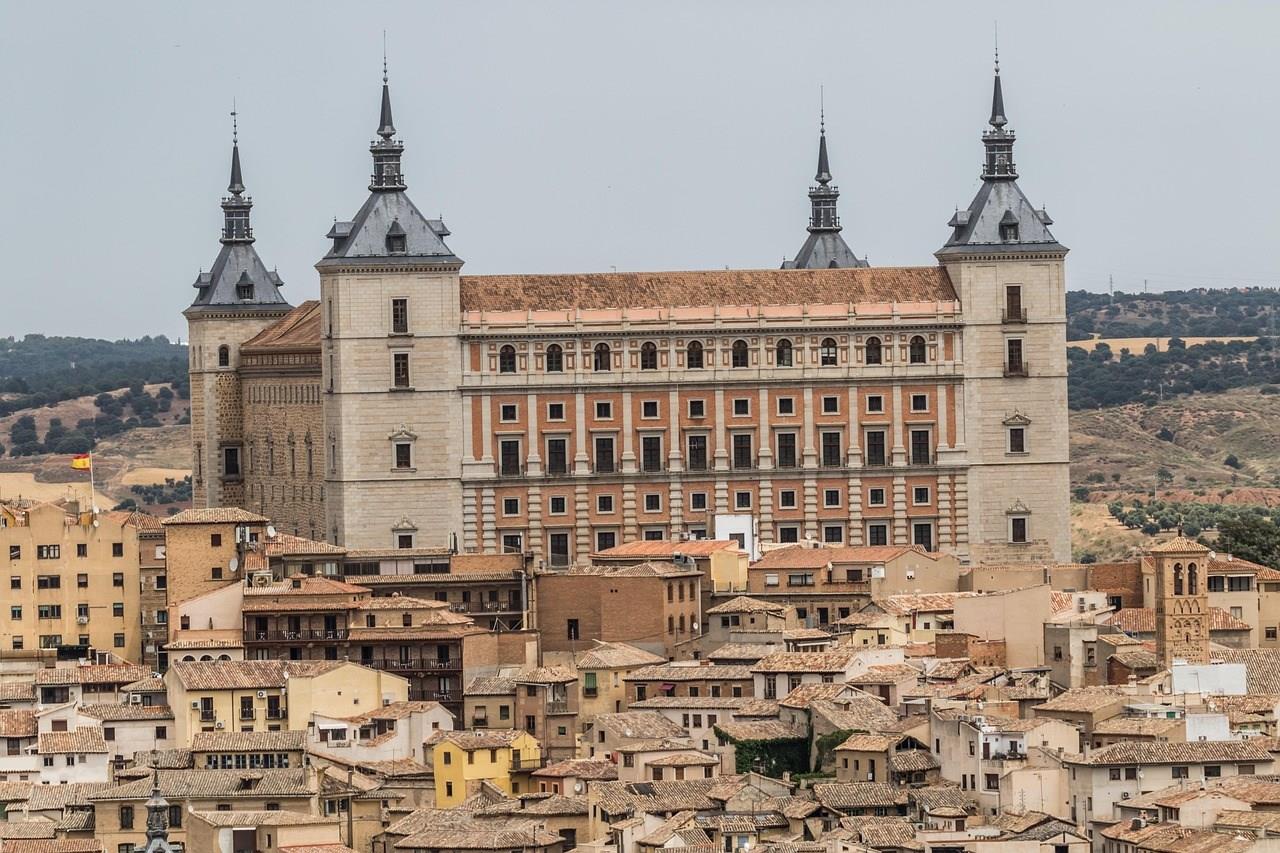
Toledo
Toledo, high above the Tagus River in central Spain, is a city where layers of history are visible around every corner. For centuries it was an important Roman settlement, a Visigothic capital, and later a stronghold during the medieval Christian reconquest, before becoming the seat of royal power and a crossroads of cultures. Because of this long span of stories and architectural richness, the whole old town has been recognized as a UNESCO World Heritage Site.

Darwin
Tropical beaches, green space, wildlife, and dazzling sunsets all draw tourists to Darwin. Visitors should also discover the city's art museums, Mindil Beach's night markets and the local seafood. And did you know that this area of Australia has more crocodiles than anywhere on the planet?


