Addo Elephant National Park
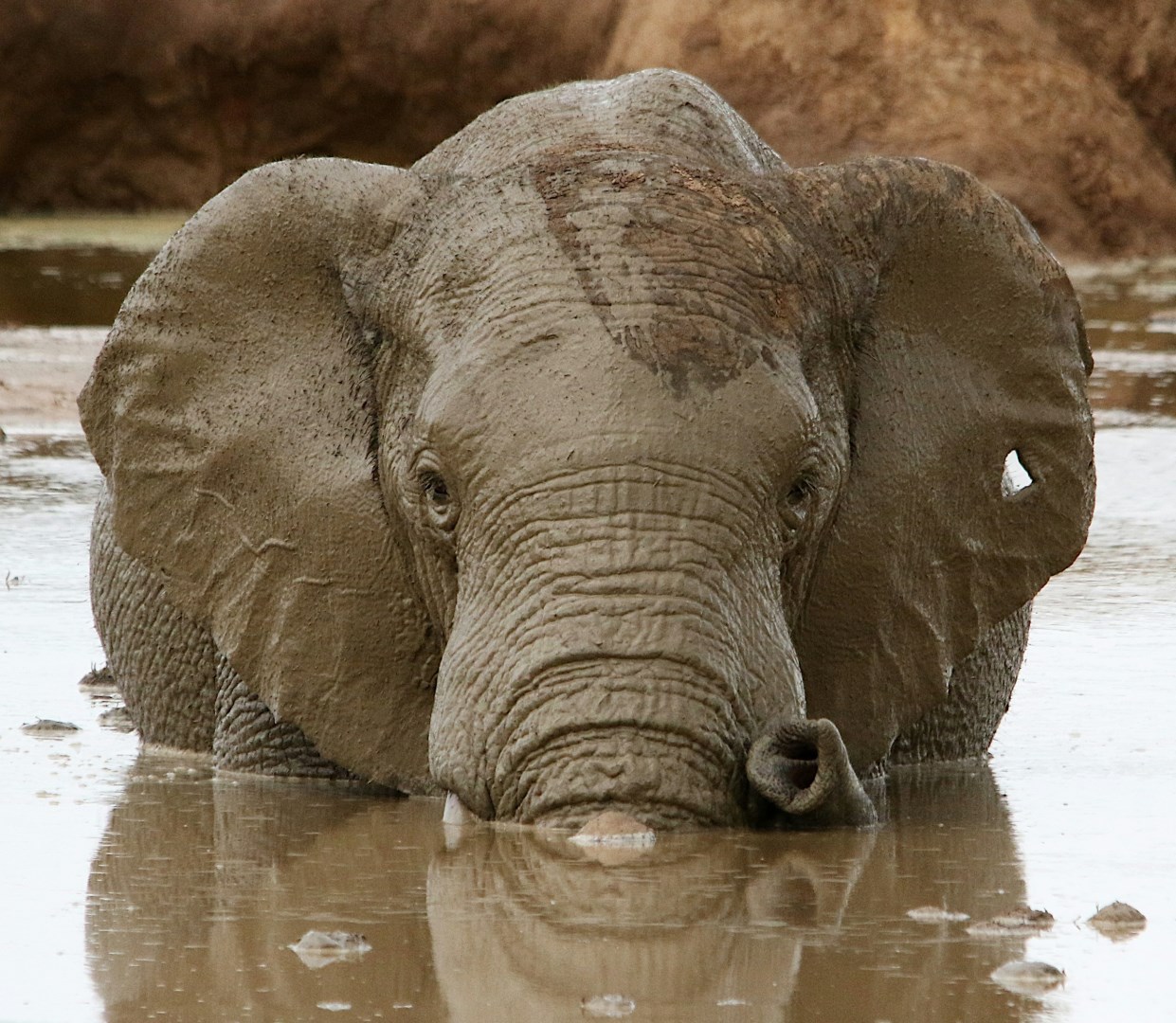
Nestled in the Eastern Cape of South Africa, Addo Elephant National Park offers a unique safari experience centered around one of the country’s most impressive wildlife spectacles. Established in 1931 to protect the last remaining elephants of the region, the park now spans over 1,640 square kilometers and is home to a thriving population of more than 600 elephants.

Dominica
Dominica, known as the “Nature Island of the Caribbean,” is a haven for eco-tourists and adventure seekers. Nestled between the French islands of Guadeloupe and Martinique, this lush island boasts a remarkable landscape of volcanic mountains, dense rainforests, and stunning waterfalls. Dominica’s most iconic natural wonder is the Boiling Lake, the second-largest hot spring in the world.

Patagonia
Patagonia, Argentina, is a land of untamed beauty, where jagged peaks, expansive glaciers, and crystal-clear lakes come together to create one of the most awe-inspiring landscapes on Earth.

South Korea
South Korea is a land where ancient traditions live alongside futuristic cities. From Seoul’s grand palaces and vibrant arts scene to the volcanic landscapes of Jeju Island and the tranquil reflection of rice paddies in rural valleys, the country balances its rich heritage with constant reinvention.
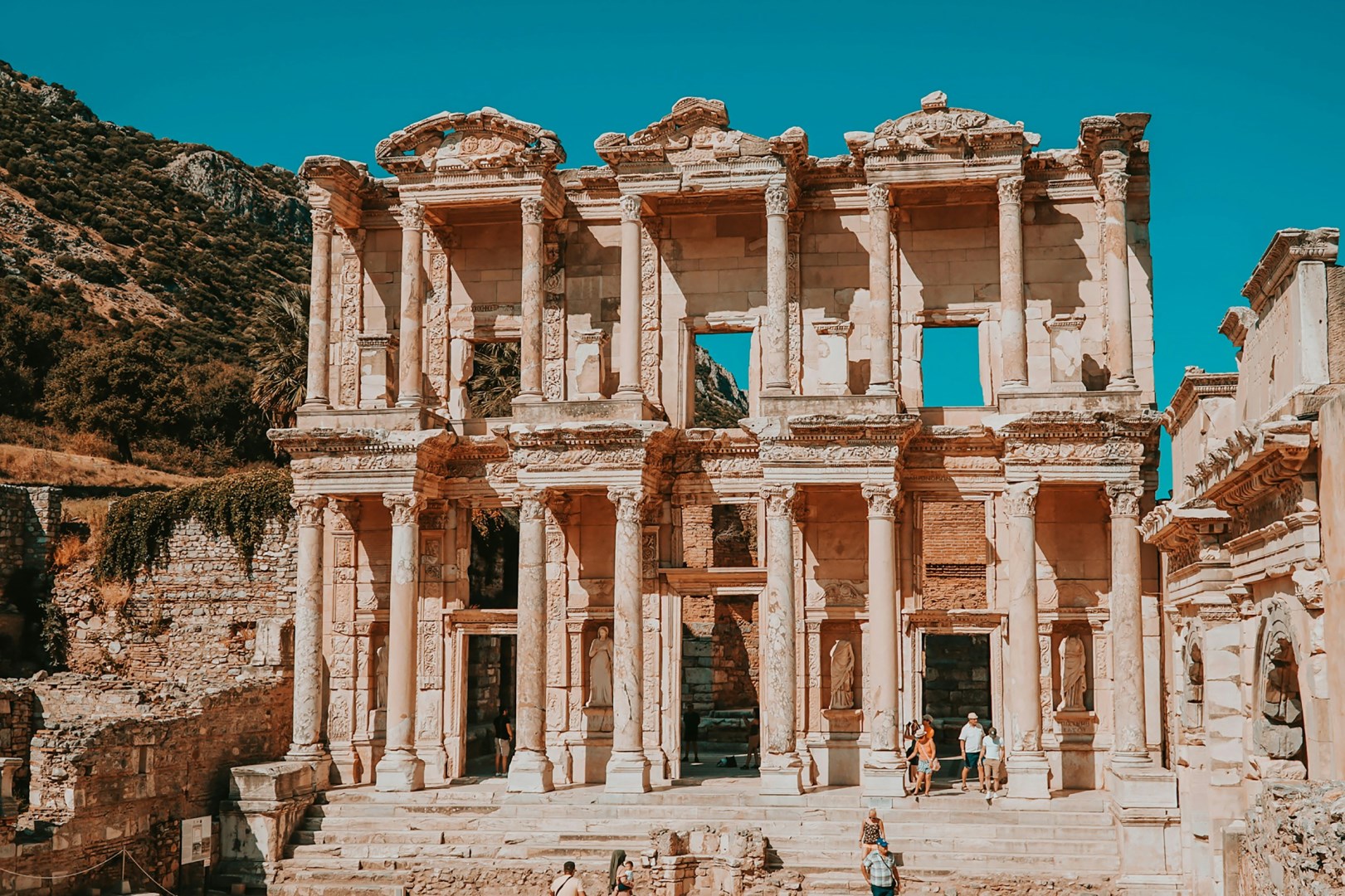
Ephesus
Once the commercial center of the ancient world, Ephesus is an archaeological splendor and an essential stop on any visit to Turkey. The city, whose wealth and patronage support its splendid architectural program, was dedicated to the goddess Artemis.