Lombok
Lombok offers an experience that blends adventure, relaxation, and cultural discovery. Whether trekking volcanic peaks, lounging on secluded shores, or immersing in local traditions, visitors will find a destination that remains true to its natural and cultural roots.

Rouen
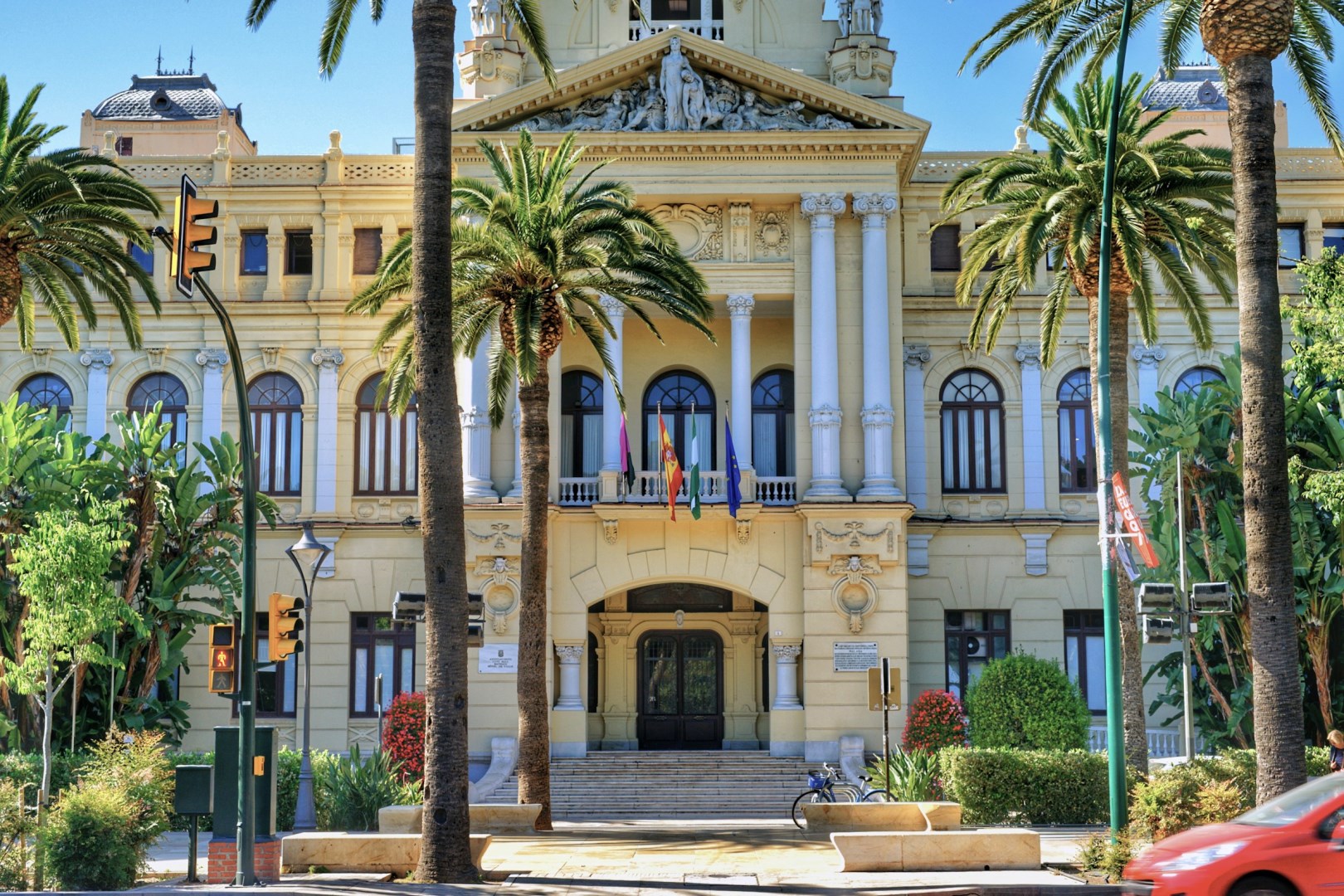
Set on the River Seine, Rouen is Normandy's capital and a breathtaking city steeped in history, art, and romance. Marvel at the exquisite Gothic architecture of the Palais de Justice, l'Église Saint-Maclou, l'Abbatiale Saint-Ouen, and the Cathédrale Notre-Dame de Rouen.
Boysun
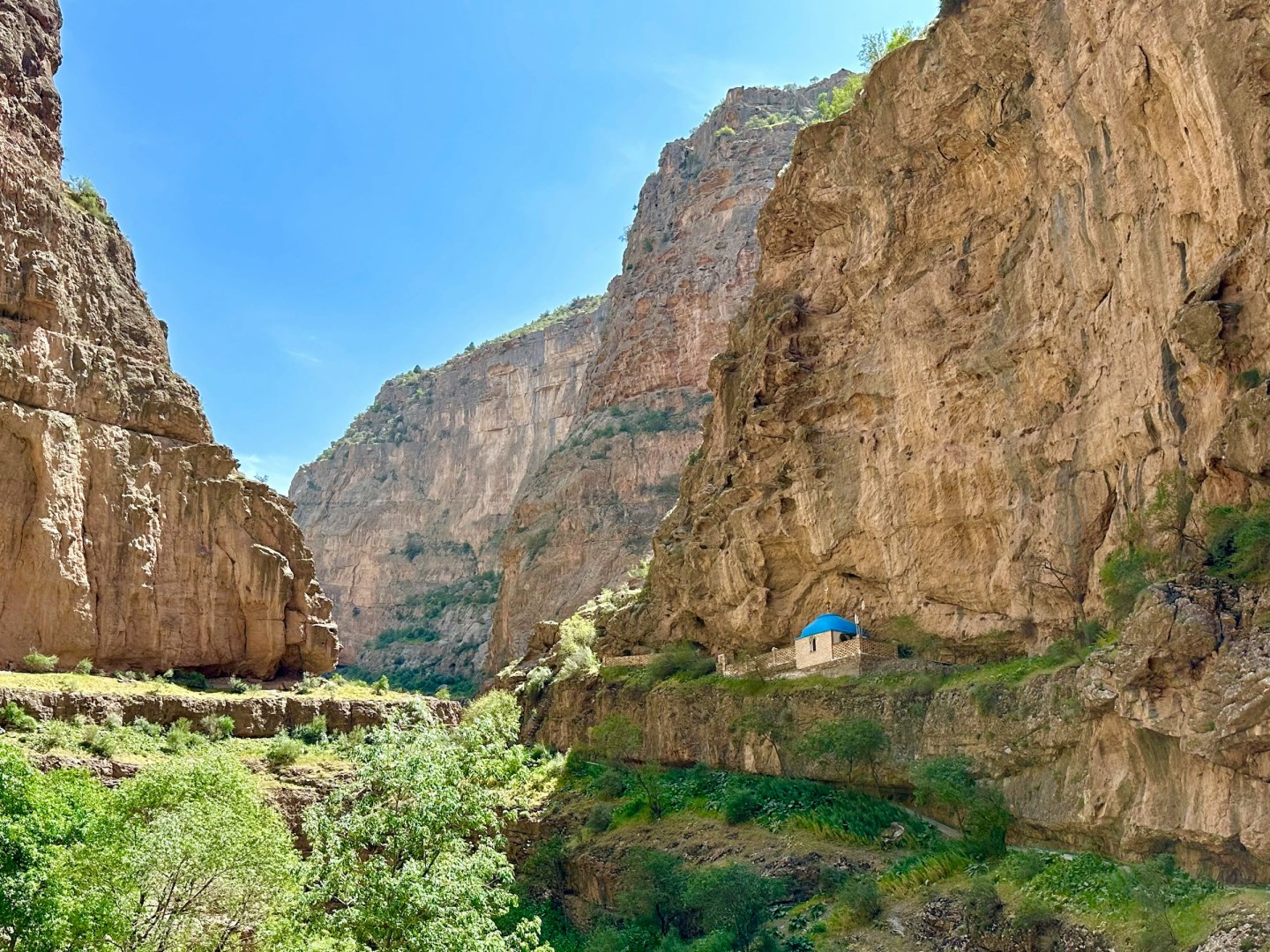
Boysun is a mountain town in the Surkhandarya Region of southern Uzbekistan, set near the western slopes of the Boysuntog‘ range. The surrounding area is known for rugged mountains, deep gorges, caves, and traditional settlements. Boysun’s remote setting has helped preserve distinctive customs, crafts, music, and oral traditions that remain an important part of local identity. The wider Boysun district is recognized by UNESCO for its cultural space, which includes traditional performing arts, ri
Cap Malheureux
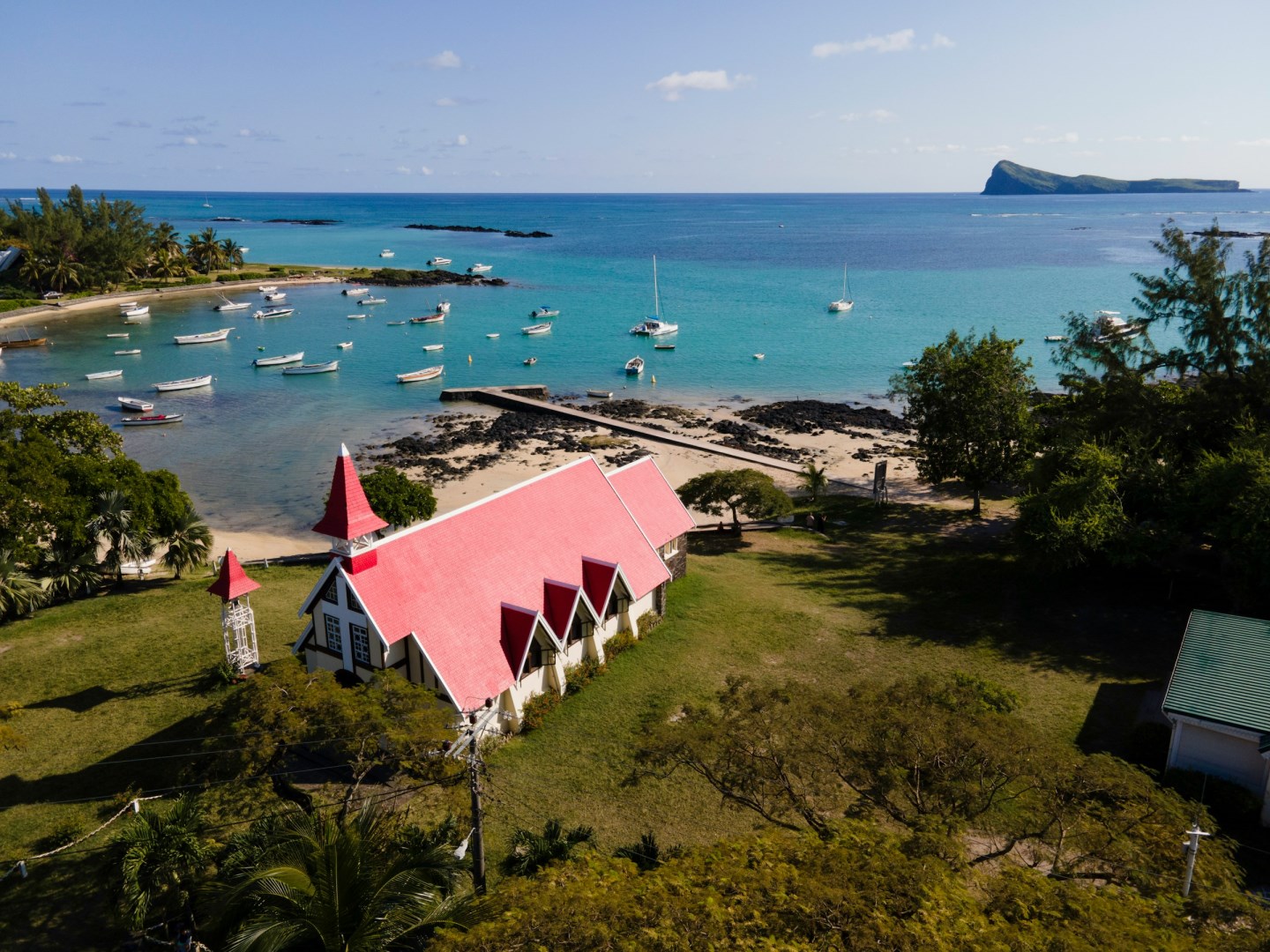
Cap Malheureux is a small coastal village at the northern tip of Mauritius, facing the islands and open waters beyond Grand Baie. It is best known for Notre-Dame Auxiliatrice, a Catholic chapel with a bright red roof that stands beside the shoreline and has become one of northern Mauritius’s most recognizable landmarks.
Raja Ampat
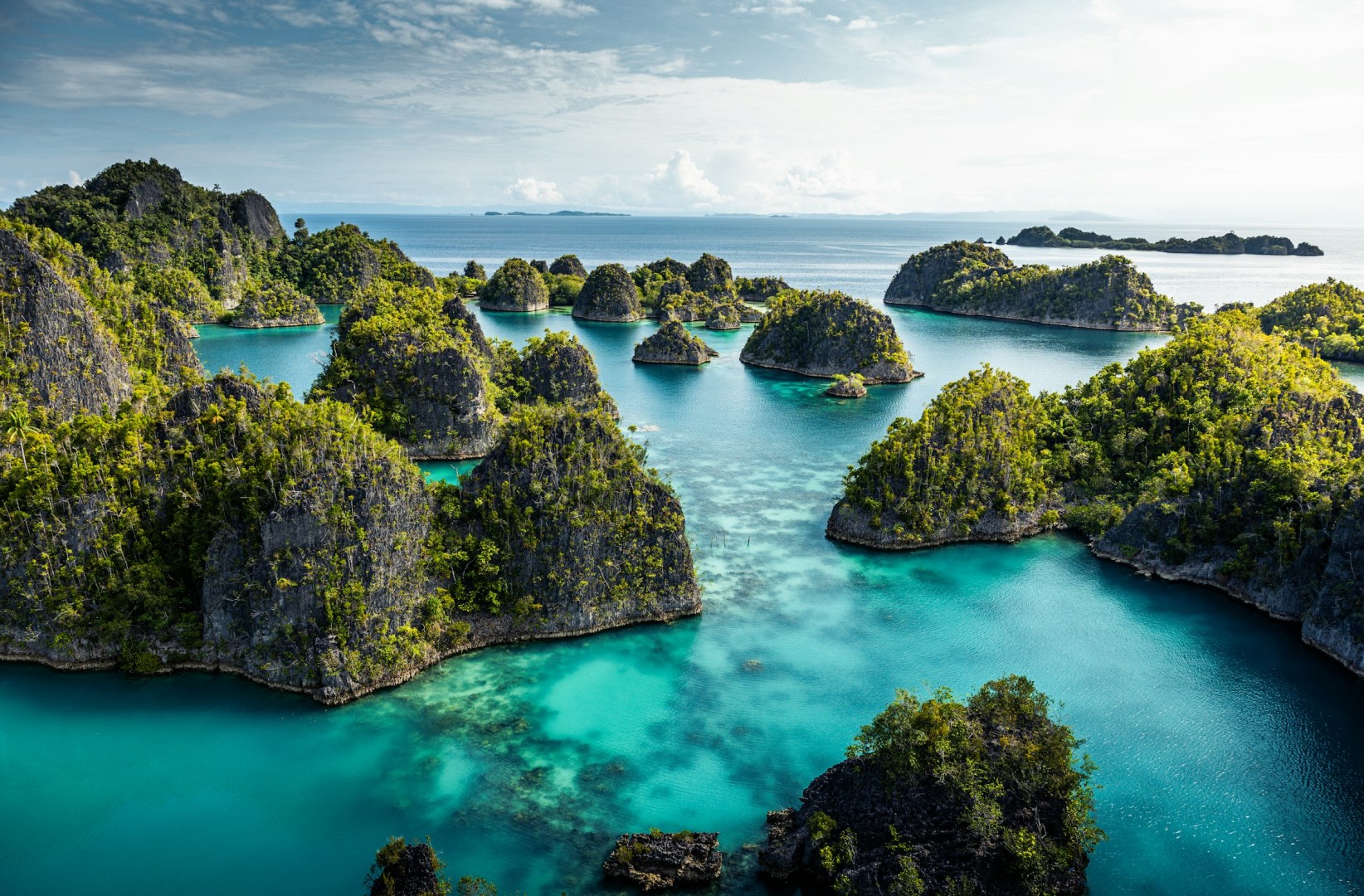
Raja Ampat is an archipelago in Southwest Papua, Indonesia, centered around the four major islands of Waigeo, Batanta, Salawati, and Misool. More than 1,500 smaller islands, cays, and reefs surround these larger islands, creating a landscape of forested hills, limestone formations, sheltered bays, and clear tropical waters.