Thingvellir, a captivating site in Iceland, seamlessly combines natural beauty and historical significance. Located in the Thingvellir National Park, this UNESCO World Heritage Site is a geological wonder where the North American and Eurasian tectonic plates meet. The dramatic landscape features rift valleys and stunning volcanic formations, making it a paradise for hikers and nature enthusiasts.
Glencoe lies in the western Highlands of Scotland, where a long, steep-sided valley cuts through mountains shaped by ancient volcanic activity and glaciation.
Bulgaria is a republic in southeastern Europe. The capital and largest city is Sofiya. Bulgarian culture has been influenced successively by Byzantine, Greek, Russian, and Western cultures.
Cebu sits at the center of the central Philippines, shaped by seafaring trade and early colonial contact. It was here that Spanish rule first took hold in the 16th century, leaving a legacy visible in churches, street patterns, and long-standing ties to Catholic tradition.
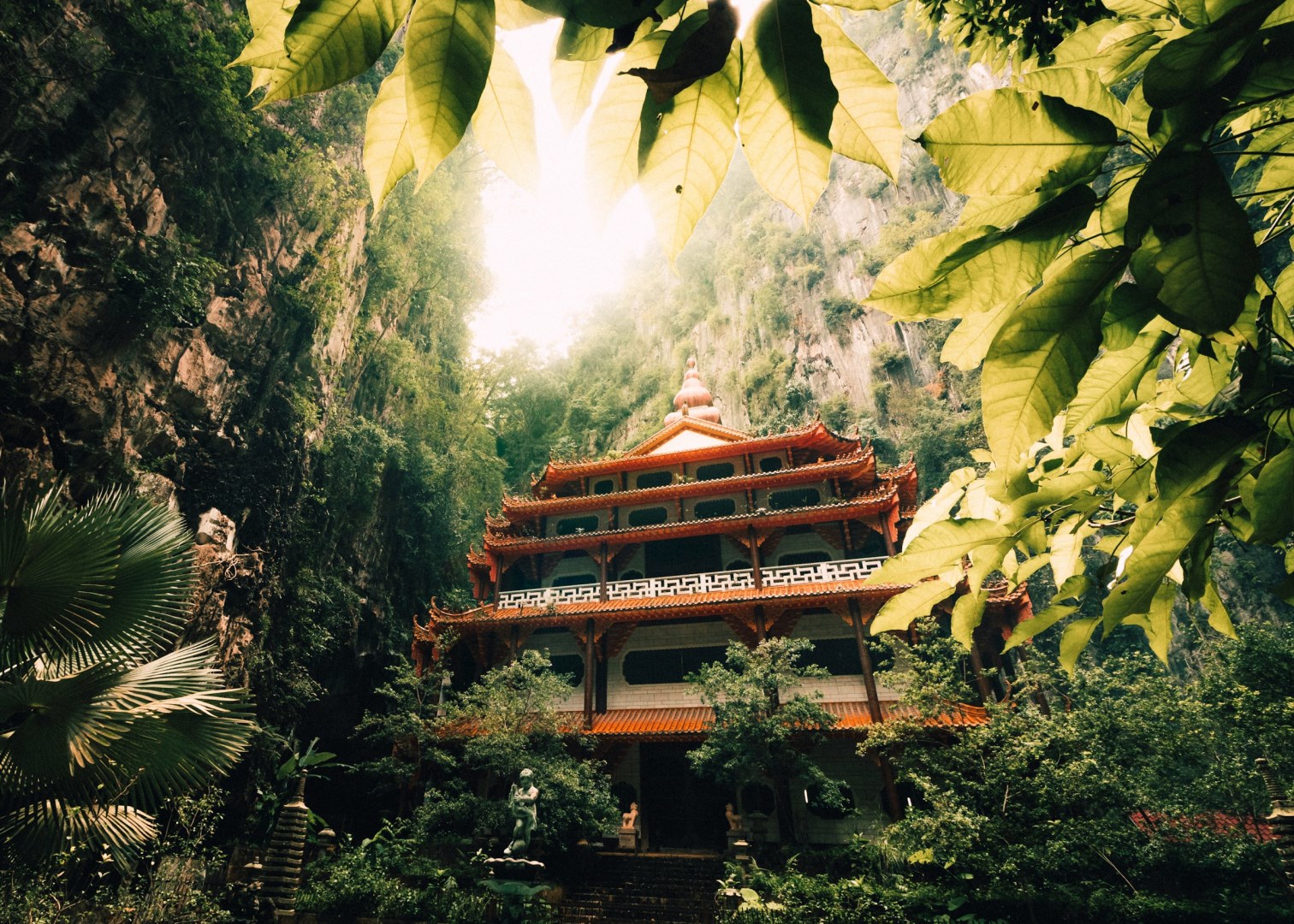
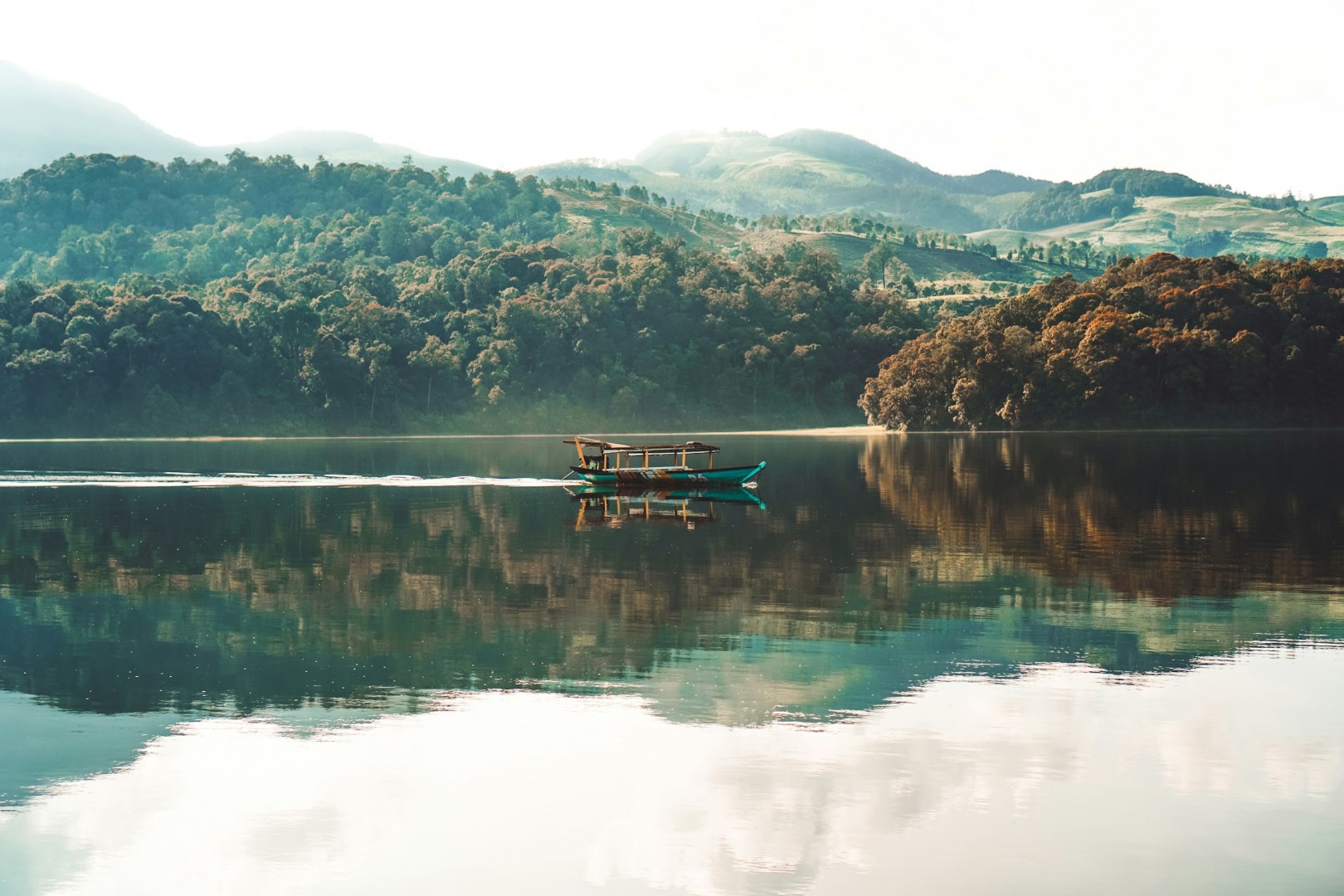
Laos, a landlocked country in Southeast Asia, is known for its lush landscapes, winding rivers, and rich Buddhist culture. The Mekong River flows along much of the country’s western border, offering both vital transportation routes and scenic vistas. Rolling hills, dense forests, and limestone karsts provide opportunities for hiking, kayaking, and exploring remote villages.
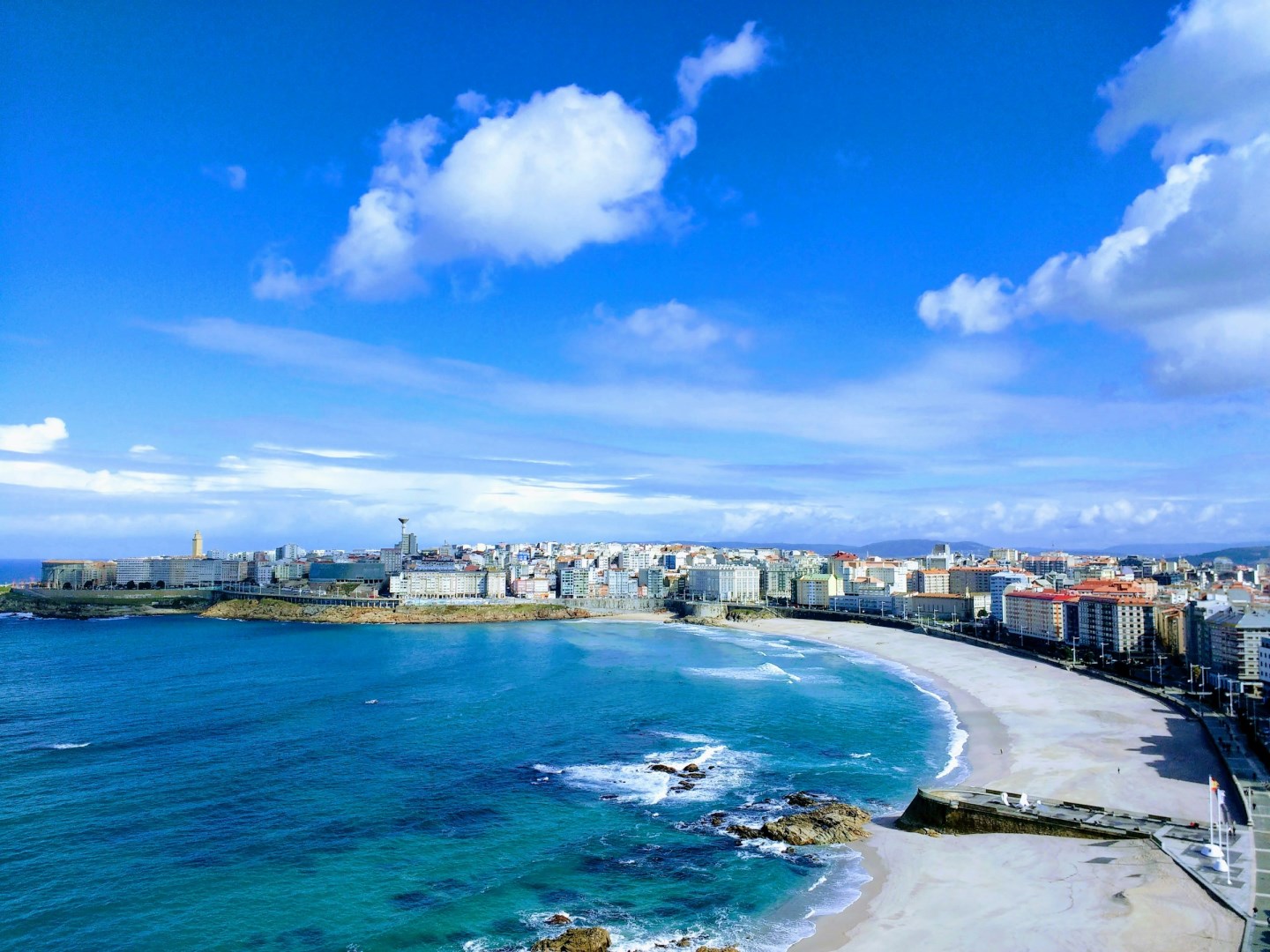
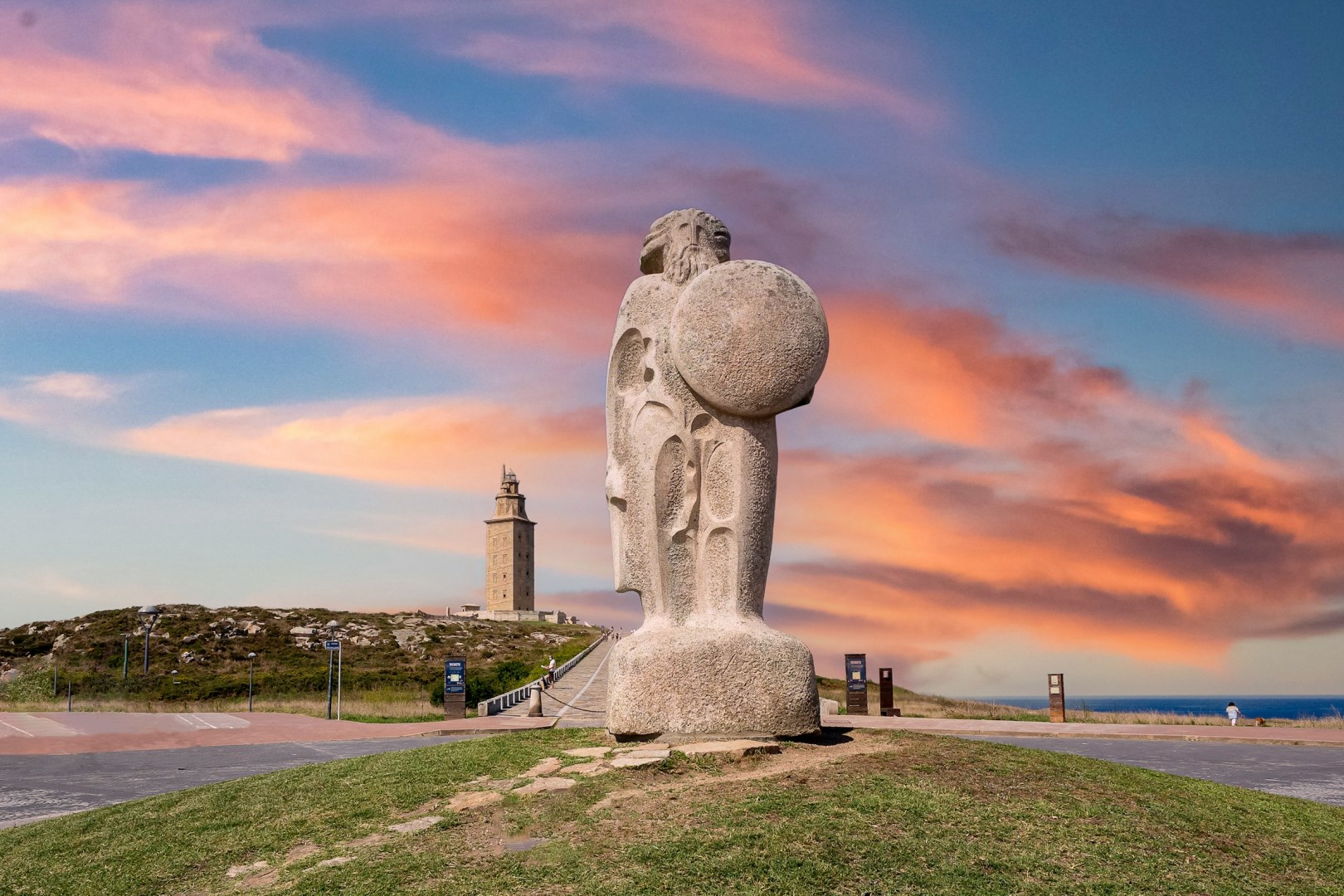
Perched on the northern coast of Spain, A Coruña (or La Coruña) is a captivating city with a rich maritime heritage and scenic beauty. Dominated by its iconic lighthouse, the Torre de Hércules, which is the oldest functioning lighthouse in the world, A Coruña offers a unique glimpse into ancient engineering. The Torre de Hércules, a UNESCO World Heritage Site, stands as a beacon of the city's historical and cultural significance source.
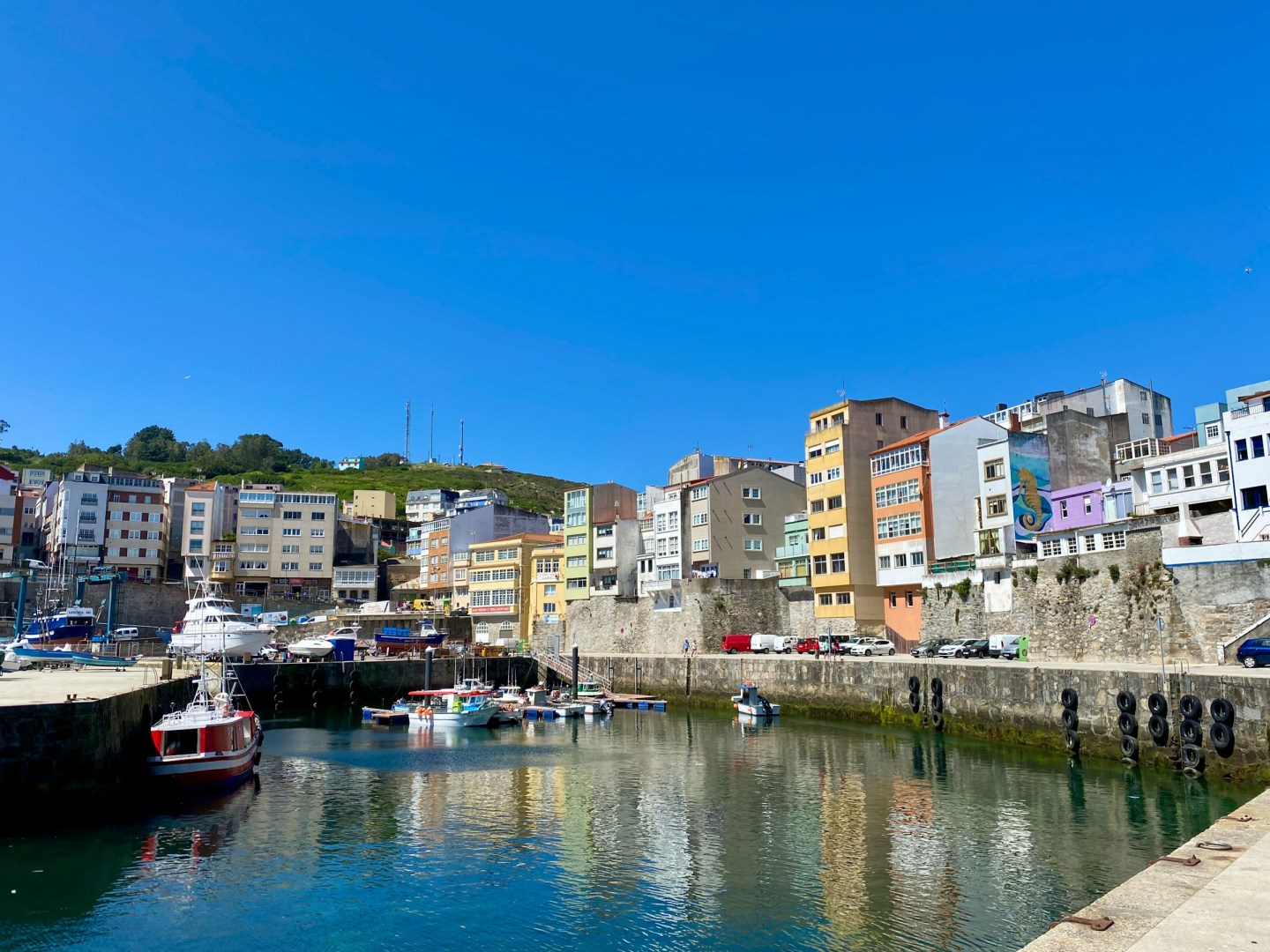
A Coruña's charm extends to its bustling Old Town, where you can wander through picturesque streets lined with colorful Galician buildings and traditional tapas bars. The Plaza de María Pita, named after the local heroine who defended the city from English invaders, serves as the heart of the city’s social life and features impressive architectural landmarks like the City Hall source. Don’t miss a stroll along the scenic promenade that encircles the city, offering panoramic views of the Atlantic Ocean and the rugged coastline source.
For nature enthusiasts, A Coruña provides easy access to the stunning beaches of Riazor and Orzán, ideal for sunbathing and water sports. The city is also a gateway to the lush green landscapes of Galicia, with numerous trails and parks such as the beautiful Monte de San Pedro, which offers spectacular views over the city and the sea source.
Slogan: "A Coruña: Where Ancient Legends Meet Atlantic Breezes."
Fun Fact: A Coruña is famous for its "meigas" or witches, a nod to the region’s rich folklore and magical traditions source.
Visiting A Coruña in the spring or early fall provides the best weather for exploring its outdoor attractions and enjoying its cultural events with fewer crowds.