

Quintana Roo
Quintana Roo, nestled on the Caribbean coast of Mexico’s Yucatán Peninsula, is a paradise that seamlessly blends ancient history with modern luxury. The state is perhaps best known for its glittering beaches and turquoise waters, epitomized by destinations like Cancún and Playa del Carmen.
Leros Island
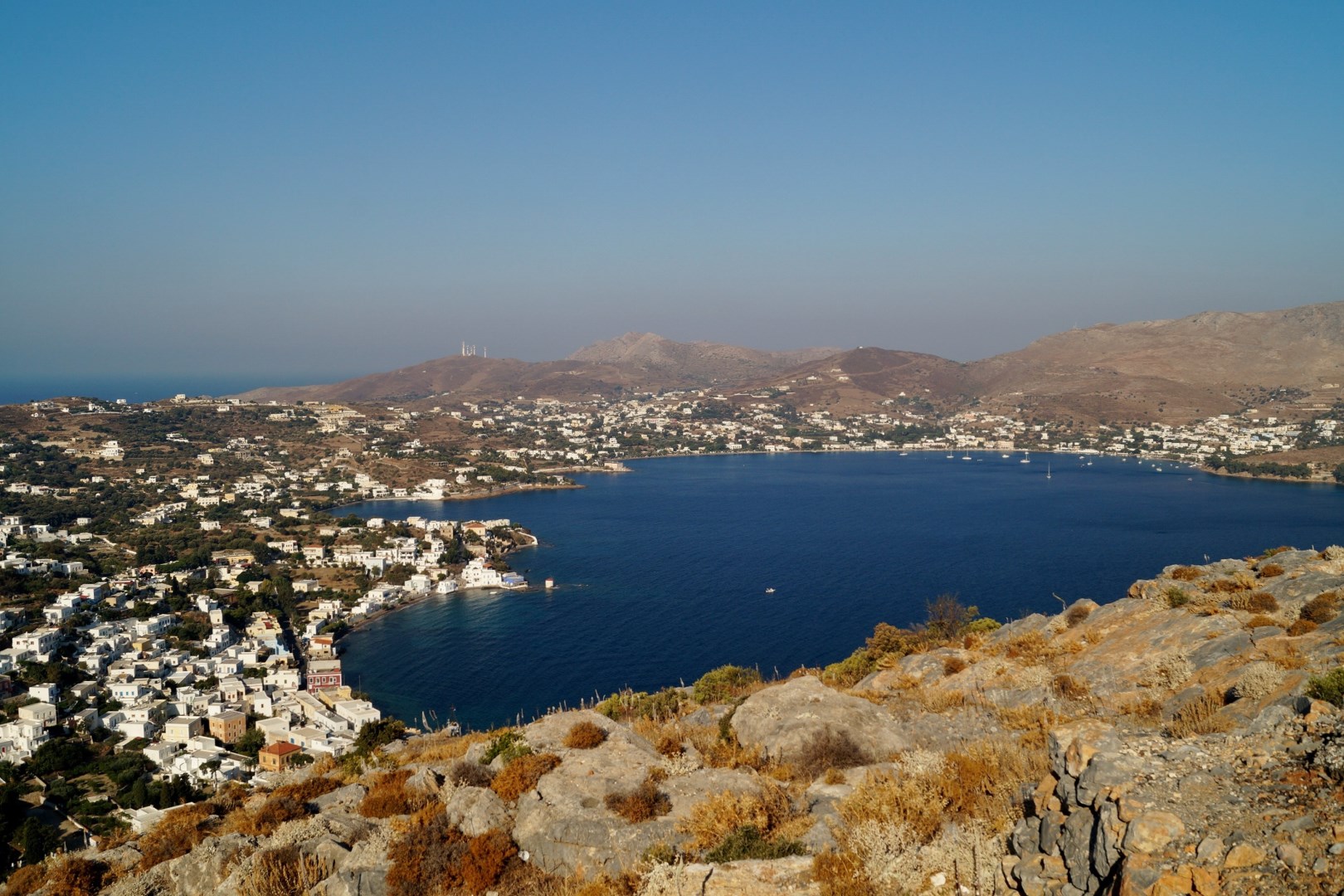
Leros Island, Greece, rests quietly in the Aegean Sea, offering a combination of sun-drenched beaches and historical landmarks that invite exploration. The main town, Agia Marina, spreads along a natural harbor, where fishing boats and small yachts sway gently against the backdrop of colorful houses climbing the hillside. Winding streets reveal a mix of architecture, from traditional whitewashed homes to neoclassical buildings.

Rhode Island
Rhode Island may be the smallest state in the U.S., but it offers an outsized variety of experiences, from colonial history to coastline escapes. Founded in 1636 by Roger Williams as a haven for religious freedom, the state still reflects its independent spirit. In Providence, travelers can visit the John Brown House Museum to explore the city’s role in early American commerce, or walk Benefit Street, lined with preserved 18th- and 19th-century homes.
Kimberley
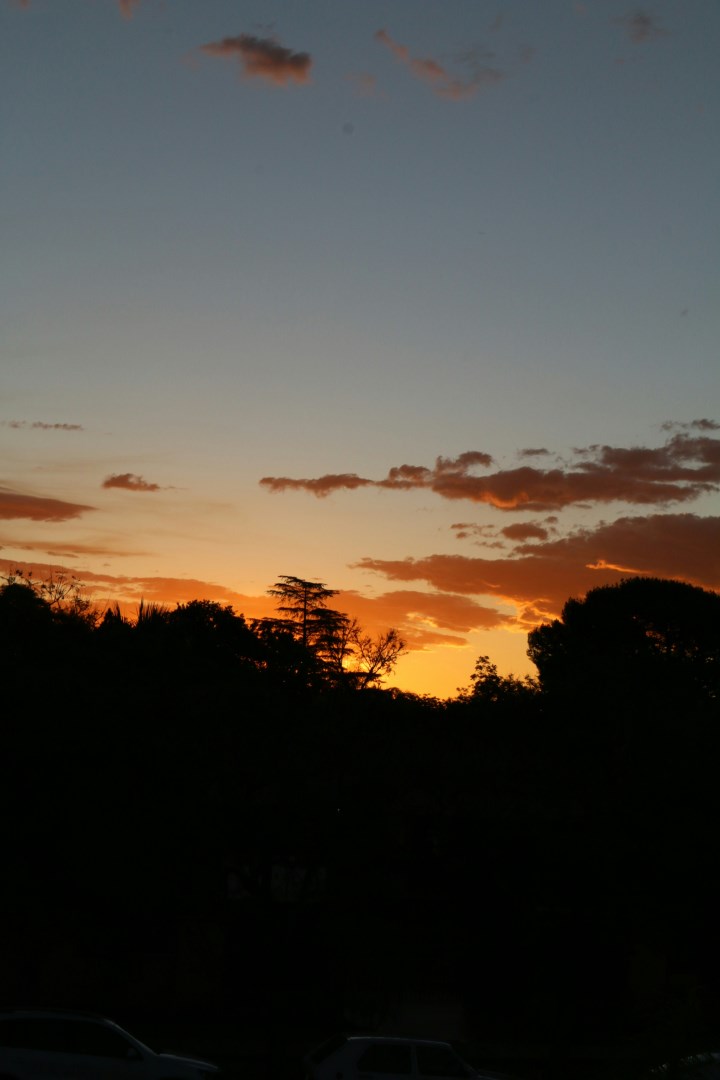
Kimberley is a city in South Africa’s Northern Cape province, known for its strong connection to diamond mining. It stands on a semi-arid plateau, where wide skies and dry landscapes shape daily life.
Sigiriya
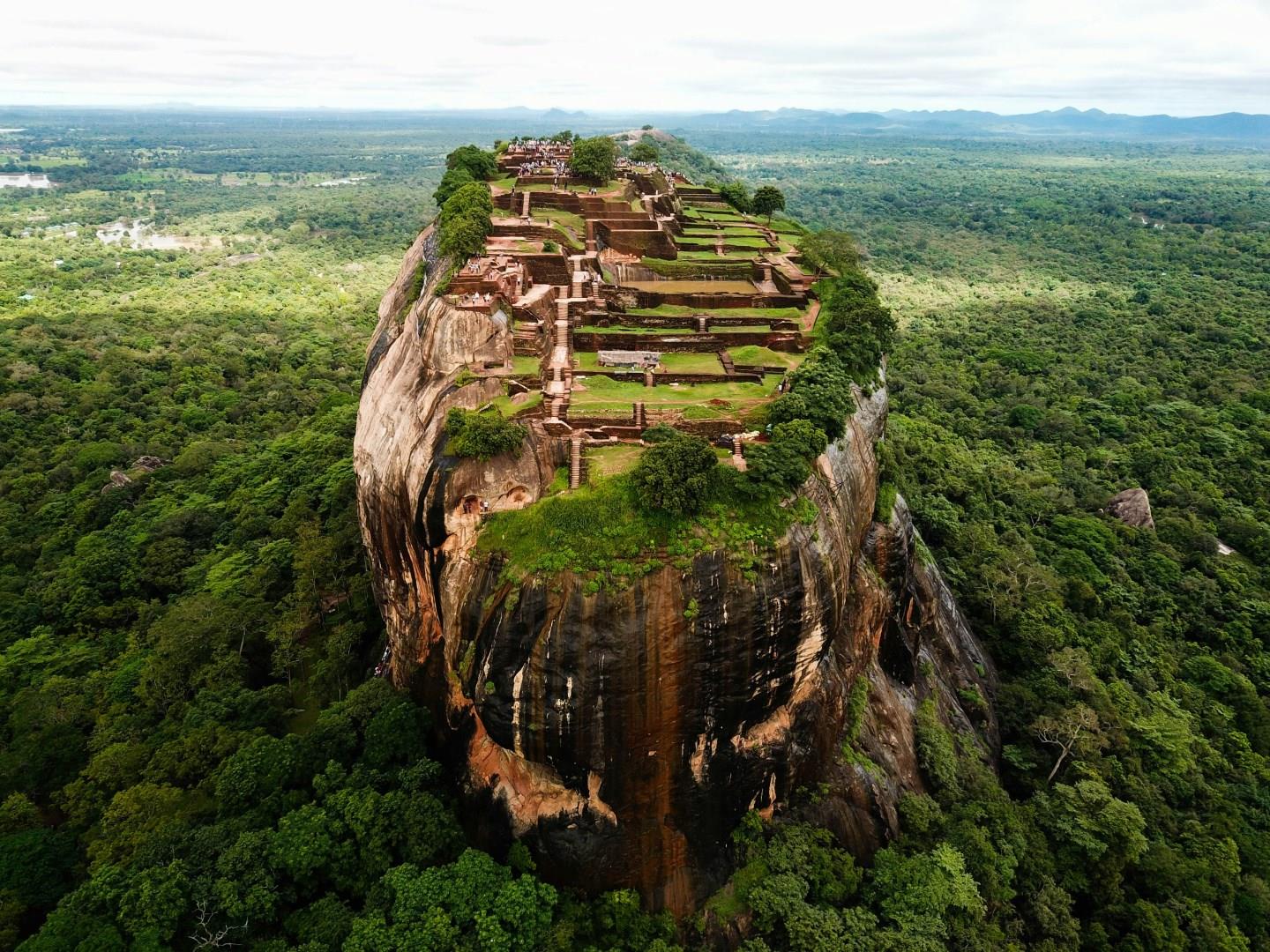
Sigiriya, in central Sri Lanka, is an ancient rock fortress and one of the country’s most iconic archaeological sites. Rising nearly 200 meters from the surrounding plains, the massive granite column is crowned by the ruins of a royal palace built in the 5th century CE by King Kasyapa.


