Ishigaki
Ishigaki, the vibrant hub of the Yaeyama Islands in Japan, is a tropical paradise renowned for its stunning natural beauty and unique cultural heritage. As the largest island in the Yaeyama group, Ishigaki is celebrated for its breathtaking beaches and crystal-clear waters, such as the pristine Kabira Bay, famous for its turquoise hues and coral reefs.
Mexico City
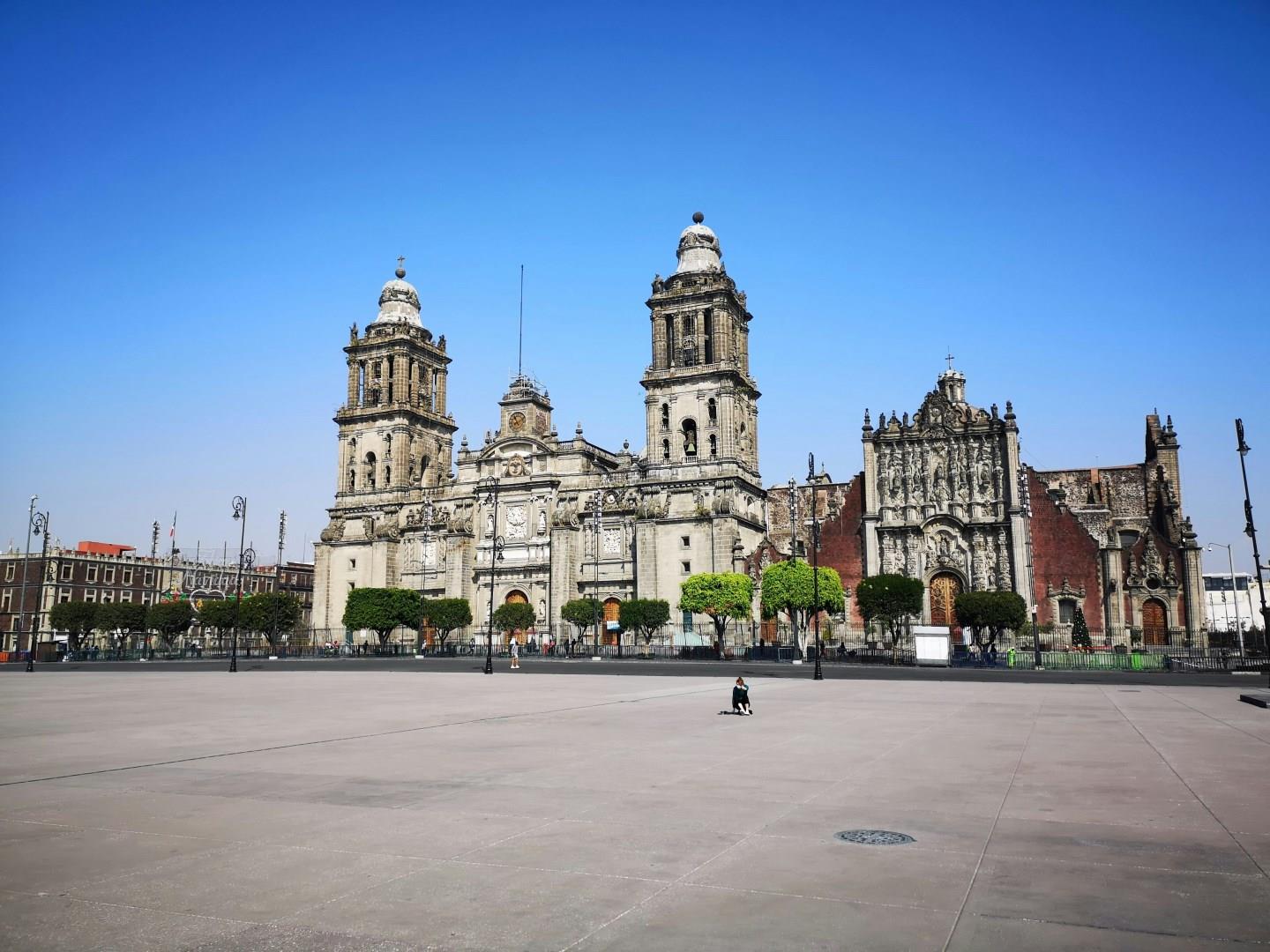
Mexico City sits on the high plateau of central Mexico, layered with more than seven centuries of history and culture. Built atop the ruins of the Aztec capital Tenochtitlán, the city reflects a continuous dialogue between Indigenous foundations, Spanish colonial influence, and modern urban life.

New York City
New York City is a city that pulses with movement, sound, and stories at every corner. Whether it's the echo of footsteps under Grand Central Terminal’s iconic ceiling or the quiet shuffle of chess pieces in Washington Square Park, every detail is part of a larger rhythm. New York’s cultural offerings are unmatched in scope. A single day could include a visit to the Museum of Modern Art, a Broadway matinee, and live jazz at an underground club in the Village.

Beverly Hills
Beverly Hills, California, is synonymous with luxury, glamour, and a unique blend of history and modern sophistication. Nestled within the heart of Los Angeles County, this iconic city is best known for its world-famous shopping district, Rodeo Drive, where upscale boutiques and designer stores, like Gucci, Prada, and Louis Vuitton, line the palm-tree-fringed streets.
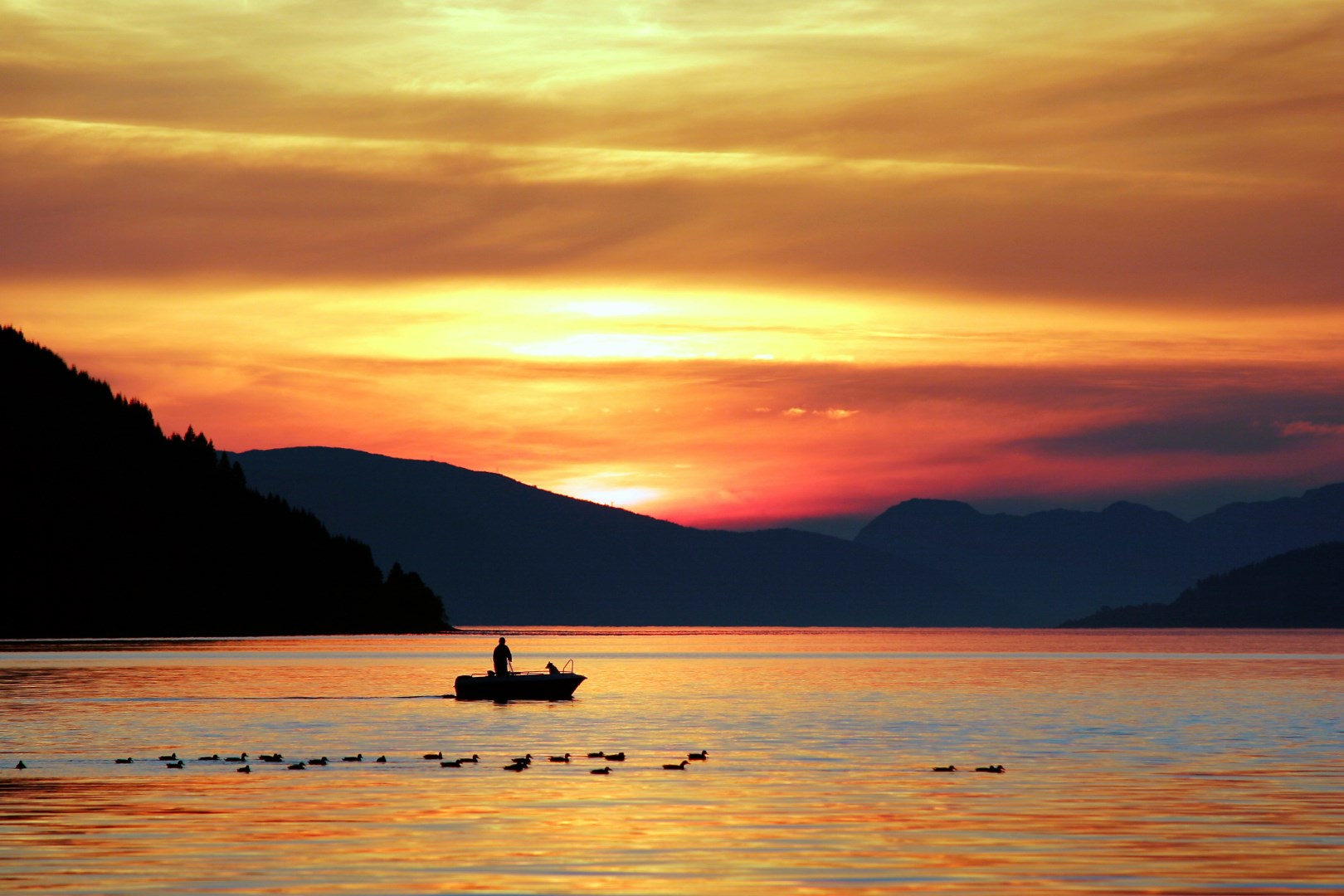
Nordfjordeid
Nordfjordeid is a town in Vestland county, western Norway, situated at the end of the Eidsfjorden branch of the larger Nordfjord. Surrounded by steep mountains, fertile valleys, and deep fjord waters, it serves as the administrative center of Stad Municipality.