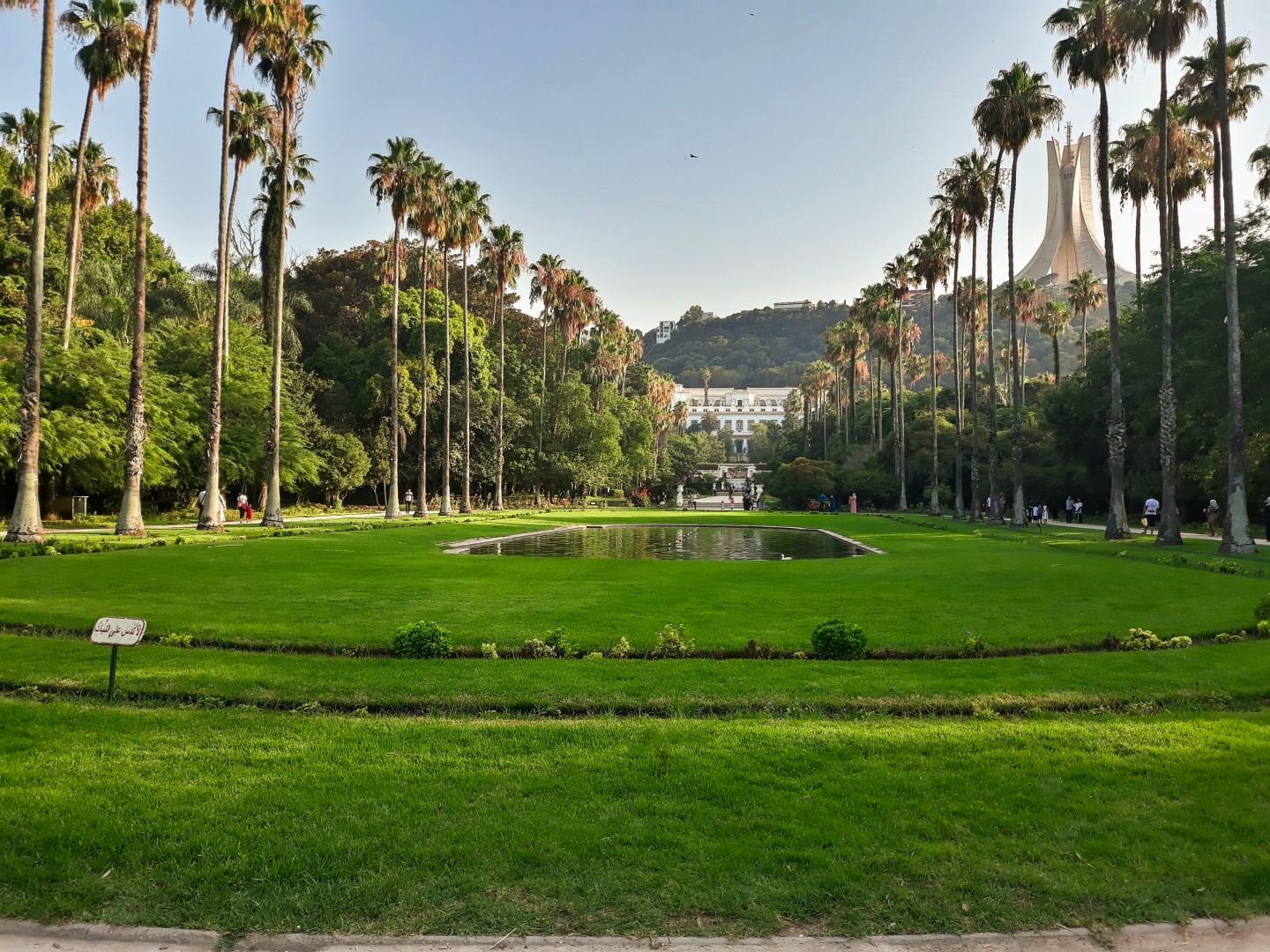
Serbia is a country where centuries-old monasteries sit just a short drive from lively cities, and where the past is never far from daily life. In Belgrade, the capital, Kalemegdan Fortress offers panoramic views where the Danube meets the Sava River. This fortress has witnessed more than 100 battles and been rebuilt many times over two millennia. Within its walls are Roman ruins, an open-air military museum, and quiet park paths perfect for wandering between centuries of layered history.
Chiang Mai, located in northern Thailand, is a city where ancient walls surround over 30 historic temples, and daily life continues just steps away from centuries-old rituals. Founded in 1296 as the capital of the Lanna Kingdom, the city still reflects its origins through distinctive architecture, moats, and cultural practices. Wat Phra Singh and Wat Chedi Luang are two of the most visited temples within the Old City, offering a chance to see traditional Lanna-style design.
Dominica, known as the “Nature Island of the Caribbean,” is a haven for eco-tourists and adventure seekers. Nestled between the French islands of Guadeloupe and Martinique, this lush island boasts a remarkable landscape of volcanic mountains, dense rainforests, and stunning waterfalls. Dominica’s most iconic natural wonder is the Boiling Lake, the second-largest hot spring in the world.
Alberobello in southern Italy’s Puglia region captures the imagination with its distinctive trulli houses. These structures were built using a dry-stone technique passed down over centuries, without mortar or cement, and their unique form comes from layer upon layer of limestone nestled from nearby fields. Alberobello’s trulli are so remarkable that in 1996 the historic center was inscribed as a UNESCO World Heritage Site, where more than 1,600 of these buildings still stand.
Nestled high in the Pyrenees between France and Spain, Andorra is a hidden gem that beckons nature lovers, adventure seekers, and history enthusiasts alike. This tiny principality, known for its dramatic mountainous landscapes, offers world-class skiing at resorts like Grandvalira and Vallnord, making it a winter sports haven. In the warmer months, hiking trails open up, providing access to pristine valleys, glacial lakes, and panoramic vistas that seem to stretch forever.
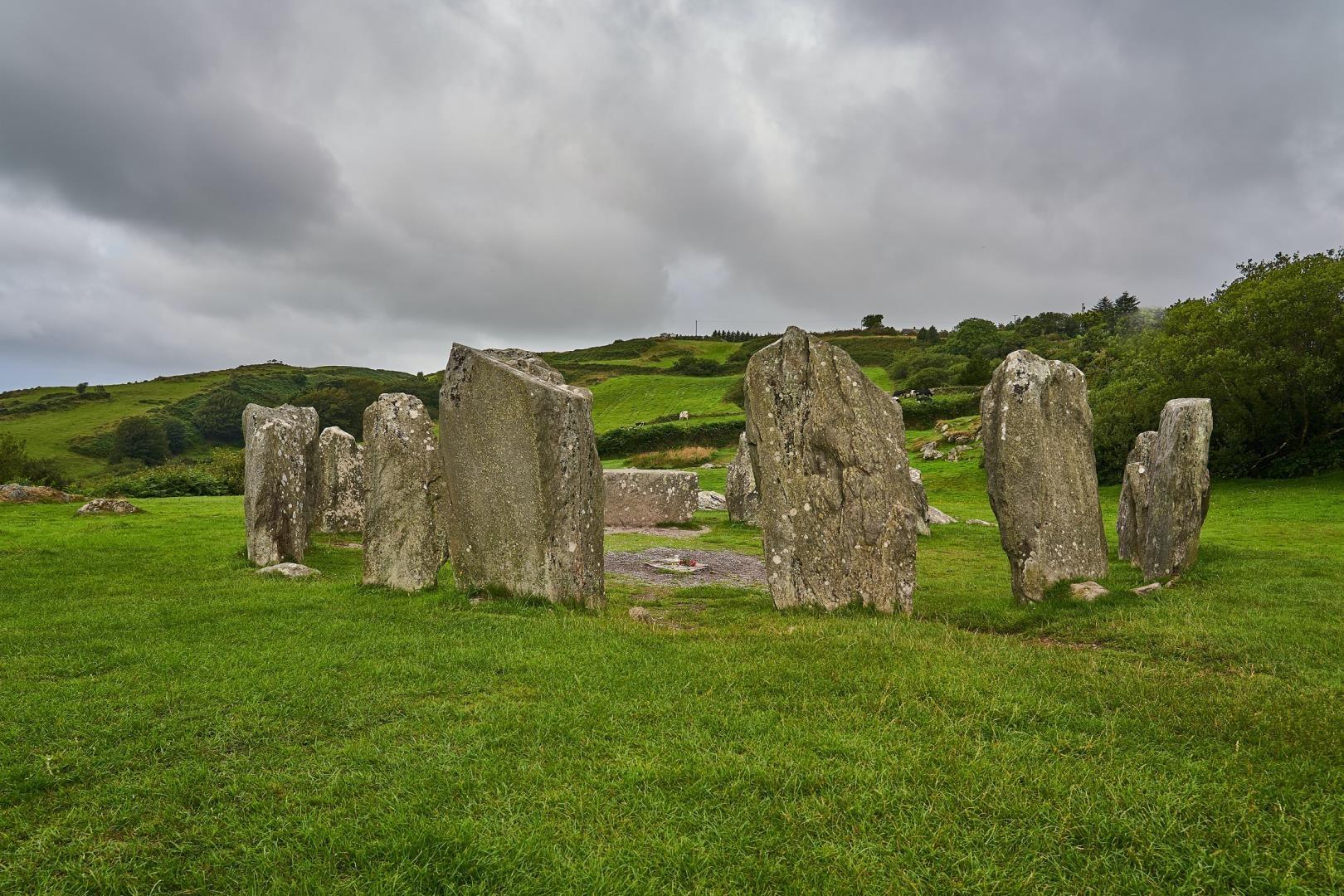
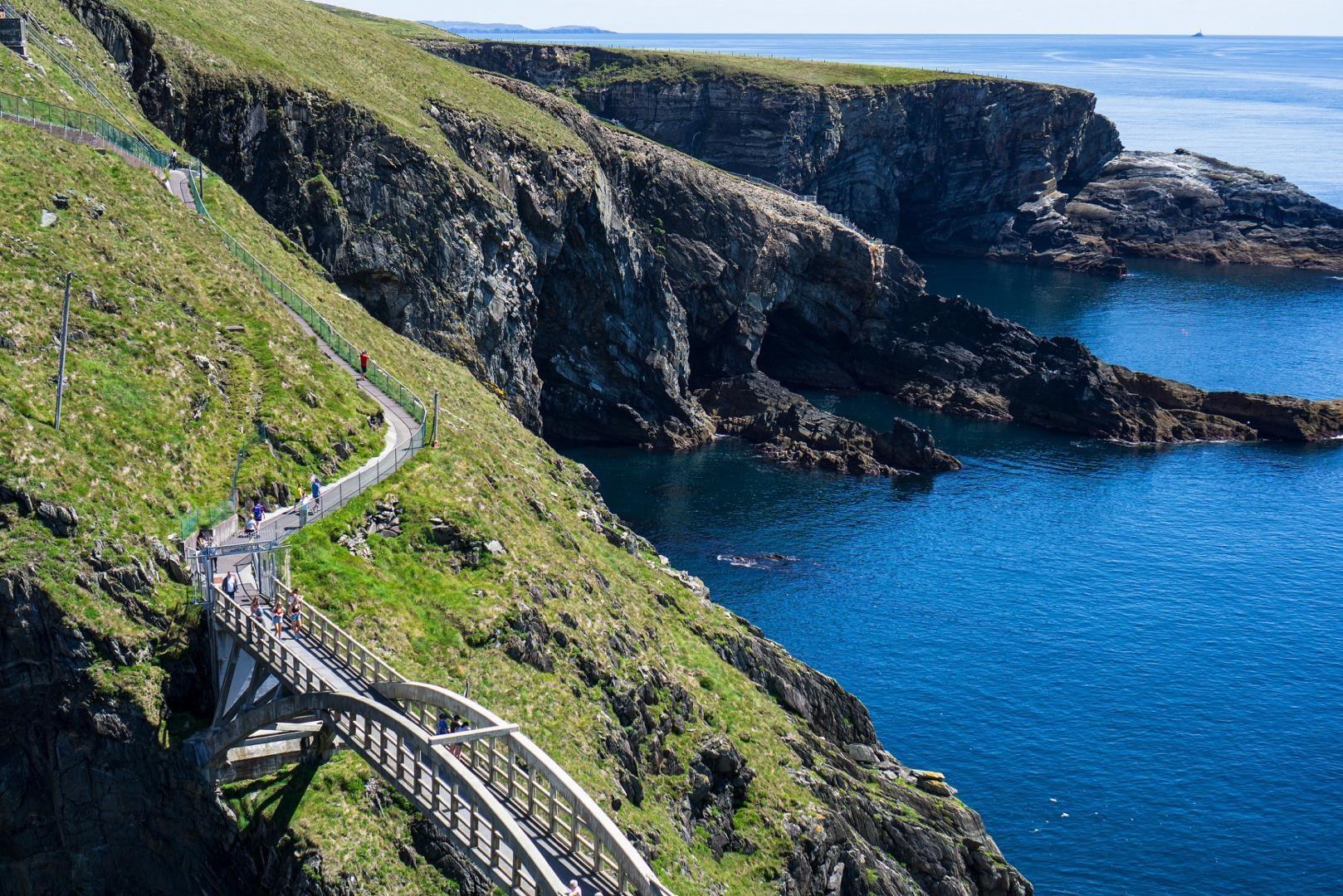
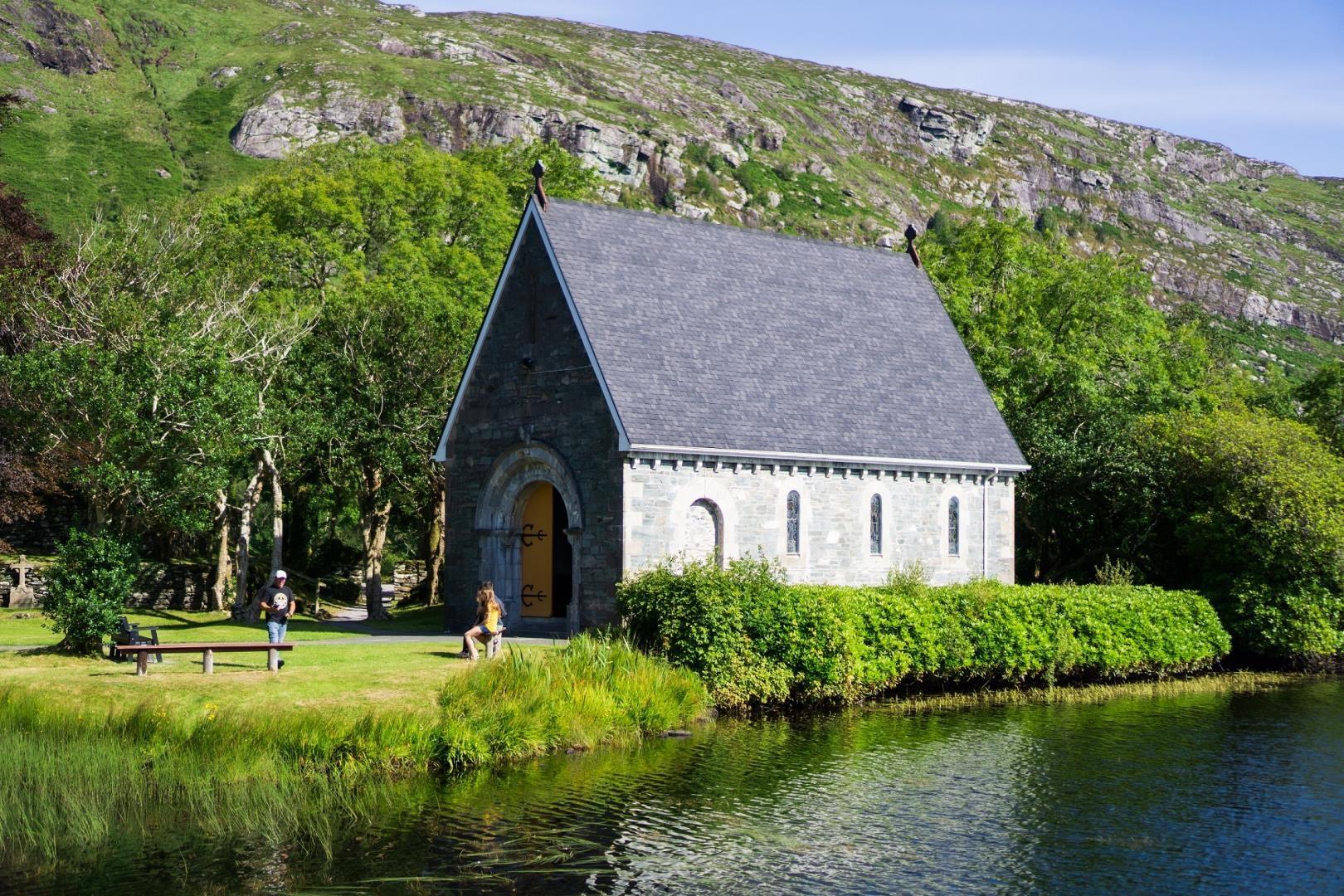
The Irish Republic's second largest city is a surprisingly appealing place - you'll find time passes effortlessly during the day, and by night the pub scene is lively. The town center is uniquely situated on an island between two channels of the Lee River. North of the river, in the Shandon area, is an interesting historic part of the city, if a bit run down today. Sights to the south include Protestant St Finbarr's Cathedral, the Cork Museum (largely given over to the nationalist struggle in which Cork played an important role), the 19th century Cork Jail, the City Hall and numerous churches, breweries and chapels.
Cork prides itself on its cultural pursuits, and apart from a heap of cozy pubs, the Cork Opera House, Crawford Art Gallery and Firkin Crane Centre offer both traditional and mainstream fare. A popular day trip from Cork is to Blarney Castle, where even the most un-touristy visitor may feel compelled to kiss the Blarney Stone. Cork is around five hours to the south of Dublin by bus.
Learn More About Cork
Randy Feltface
On 3/14/2026
Randy Feltface is a purple puppet comedian whose rapid-fire delivery and philosophical tangents mix absurdity with insight. His unique blend of stand-up and puppetry delivers laughs with surprising depth.