Borneo
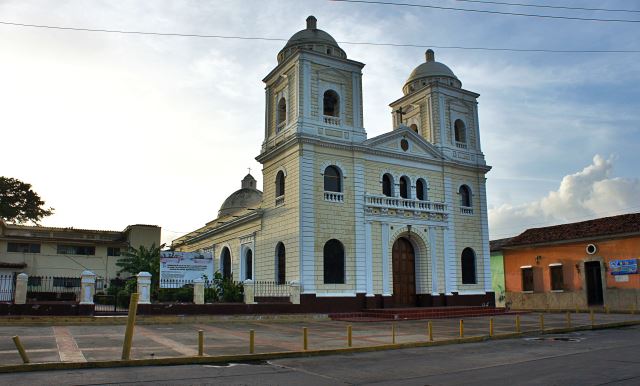
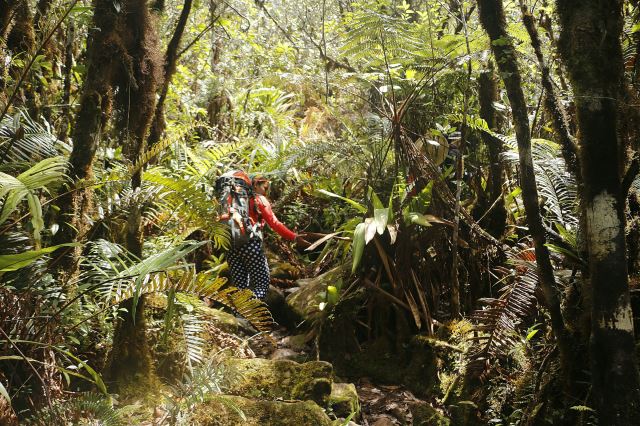
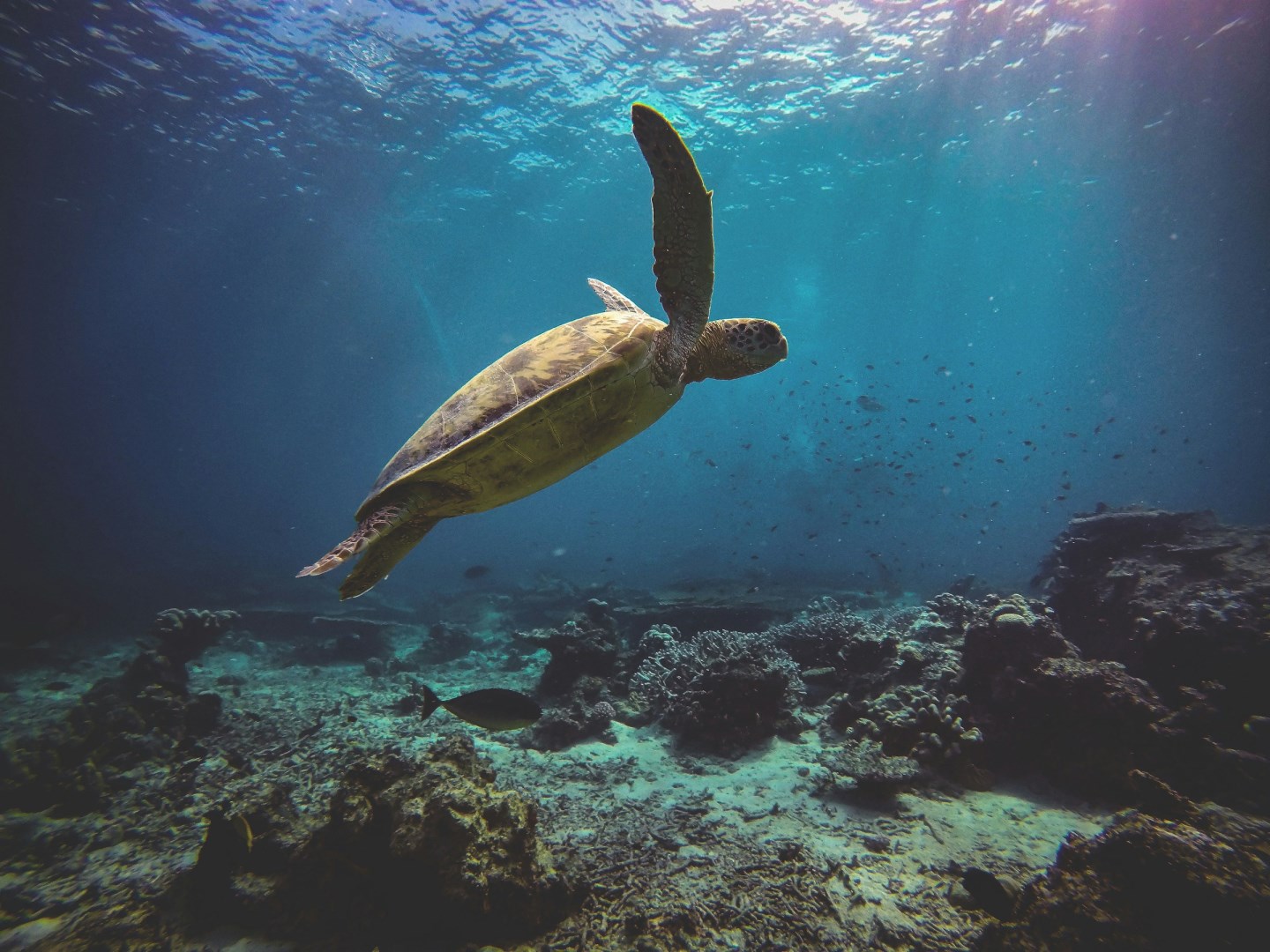
Malaysian Borneo occupies the northern part of Borneo, the world's third-largest island, and consists of the states of Sabah and Sarawak together with the federal territory of Labuan. The region is marked by extensive rainforests, rivers, mountains, limestone formations, and a long coastline along the South China, Sulu, and Celebes seas. Kota Kinabalu and Kuching are the principal urban centers, while smaller communities extend into forest and river regions.

Haugesund
Haugesund, located on the southwestern coast of Norway, is known for its rich Viking heritage and natural landscapes. The town's maritime history is celebrated at the Nordvegen History Centre, where you can learn about the Viking kings who once ruled the area. Nature enthusiasts will appreciate the proximity to the Folgefonna Glacier, where they can enjoy guided glacier hikes and breathtaking views of the surrounding fjords.
Pohnpei
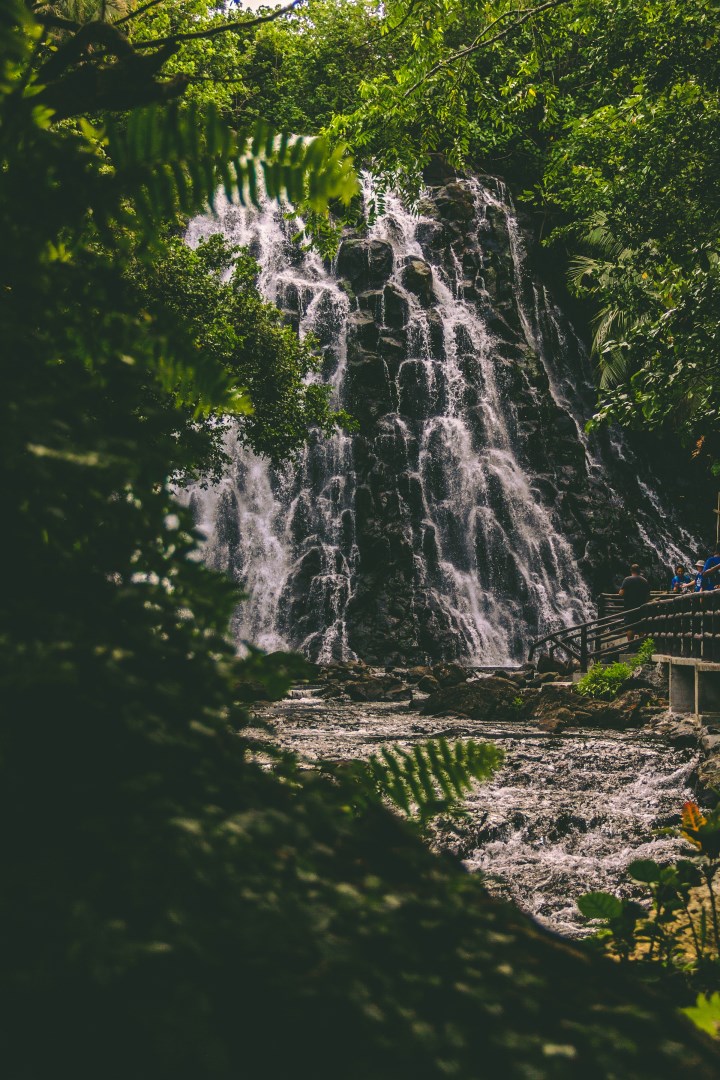
Pohnpei is the largest island in the Federated States of Micronesia and the administrative center of Pohnpei State. It lies in the western Pacific and is known for its mountainous interior, dense tropical vegetation, and high rainfall. The island is surrounded by a barrier reef and numerous small islets, creating a landscape of forested slopes, mangroves, rivers, and coastal waters.
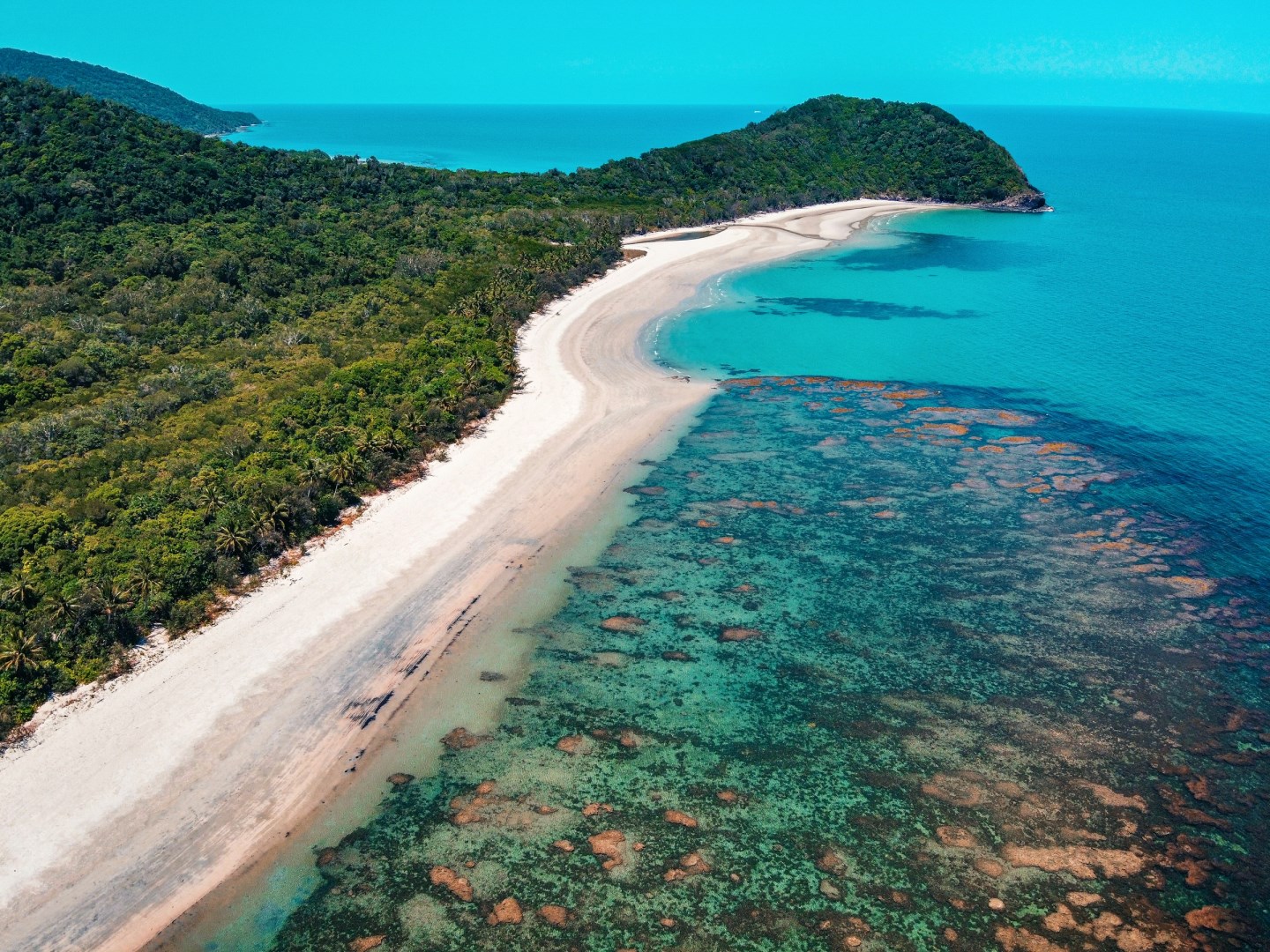
Cape Tribulation
The largest virgin tract of rainforest in Australia (and the second largest in the world), this lush, tropical World Heritage area is a living testimonial to the ancient rainforests which once covered the earth's surface. Cool forest streams, primitive rainforests, stunning mountain scenery and abundant wildlife - a naturalists and bird watchers paradise.
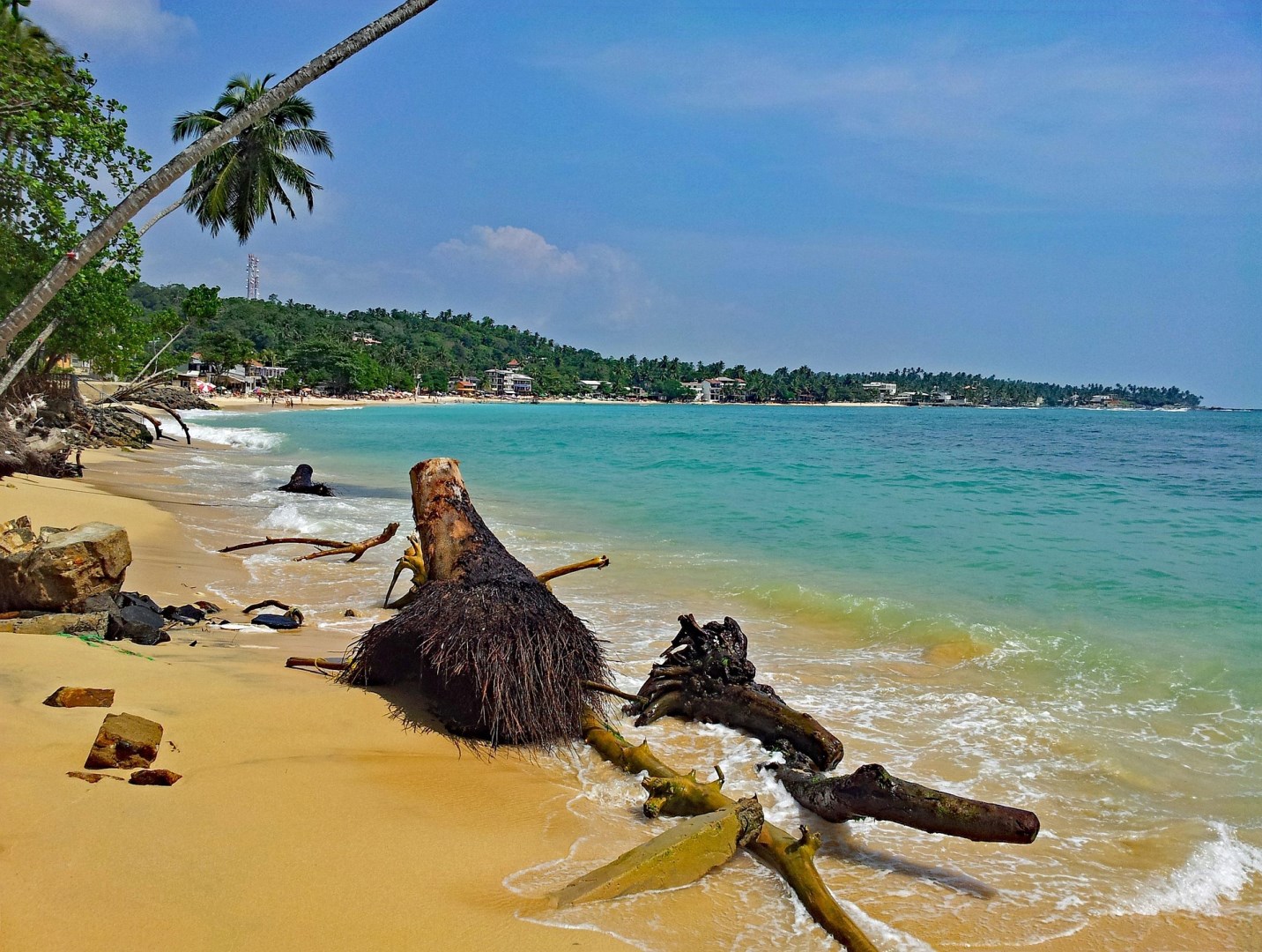
Unawatuna
Unawatuna lies along Sri Lanka’s southern coast, shaped by maritime trade, colonial encounters, and a long relationship with the sea. Once a small fishing village, it developed near historic Galle and reflects layers of Portuguese, Dutch, and British influence that passed through the region.