Clarksville
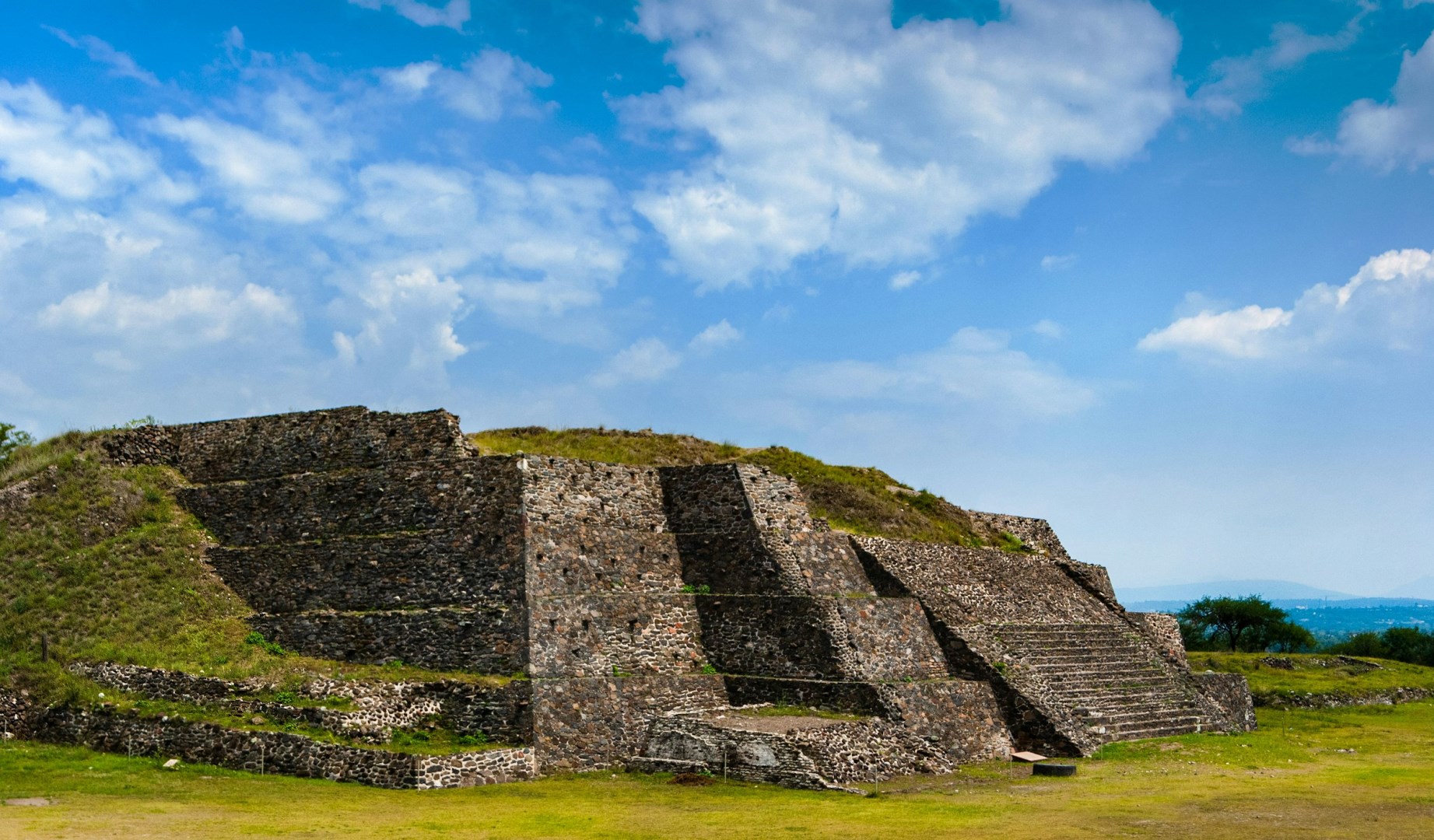
Clarksville, located along the Cumberland River in northwestern Tennessee, is a historic city that blends military heritage, cultural attractions, and scenic natural surroundings. Established in the late 18th century, Clarksville grew as a river trading hub and later became closely linked to Fort Campbell, a major U.S. Army base, which has shaped much of the city’s identity and economy.

Aruba
Aruba's consistent sunny weather and gentle trade winds make it an ideal destination for beach lovers and water sports enthusiasts.

Nosy Be
Nosy Be, often called the “Perfume Island” due to its fragrant ylang-ylang trees, is Madagascar’s largest and most popular tourist destination. Situated off the northwest coast of Madagascar, this tropical paradise boasts powdery white sand beaches, turquoise waters, and lush inland rainforests, making it an idyllic escape for beach lovers, nature enthusiasts, and adventure seekers alike. Nosy Be is renowned for its stunning marine life.
Deauville
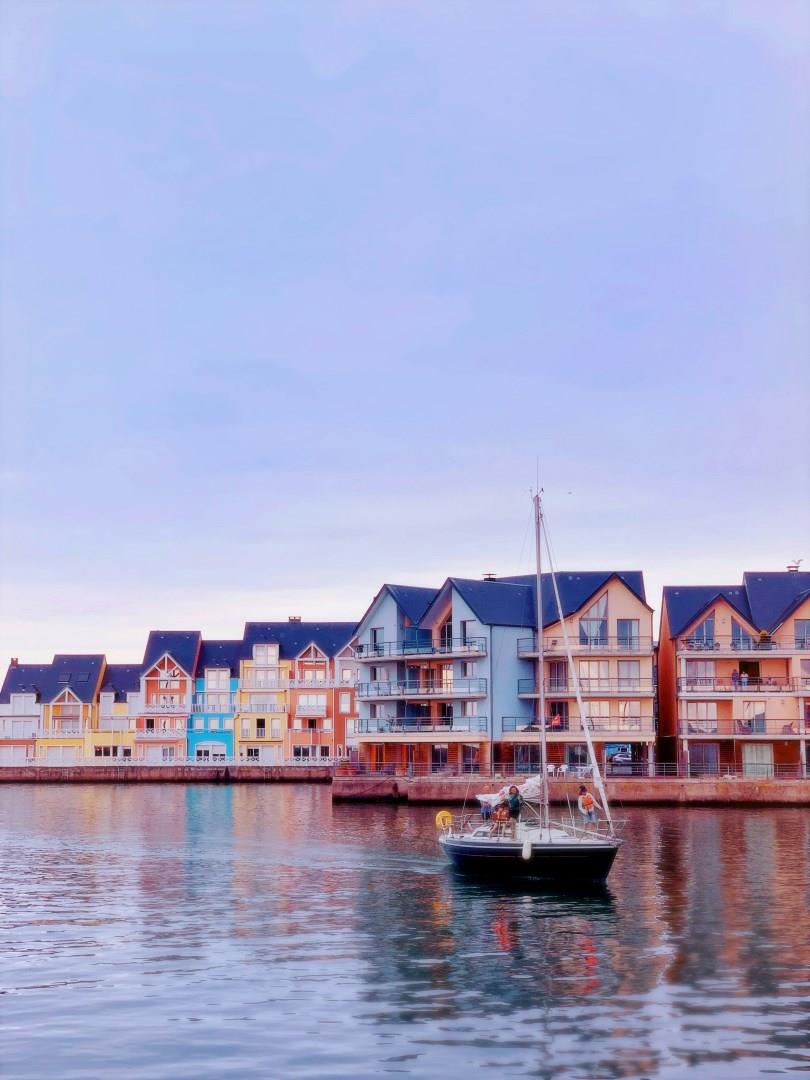
Deauville sits on the Normandy coast of northern France and has long been associated with seaside leisure, elegance, and cultural life. Developed in the mid-19th century as a resort for Parisian society, the town quickly became a place where architecture, fashion, and social rituals shaped its identity.
Torquay
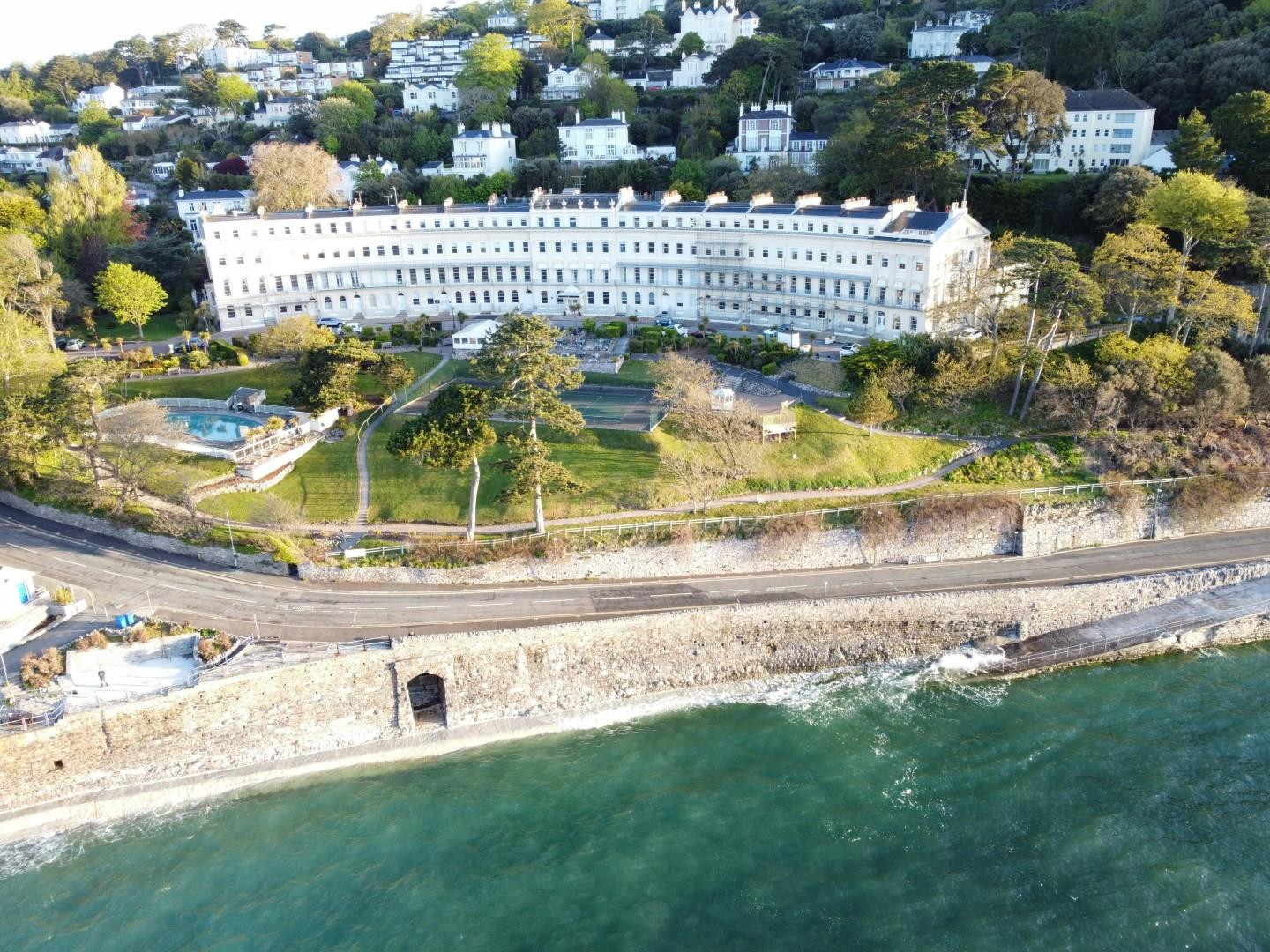
Torquay, located on England’s southwest coast in Devon, is often referred to as the gateway to the English Riviera. With origins as a small fishing village, it expanded rapidly in the 19th century as a seaside resort, attracting visitors with its mild climate, sandy beaches, and scenic coastline.