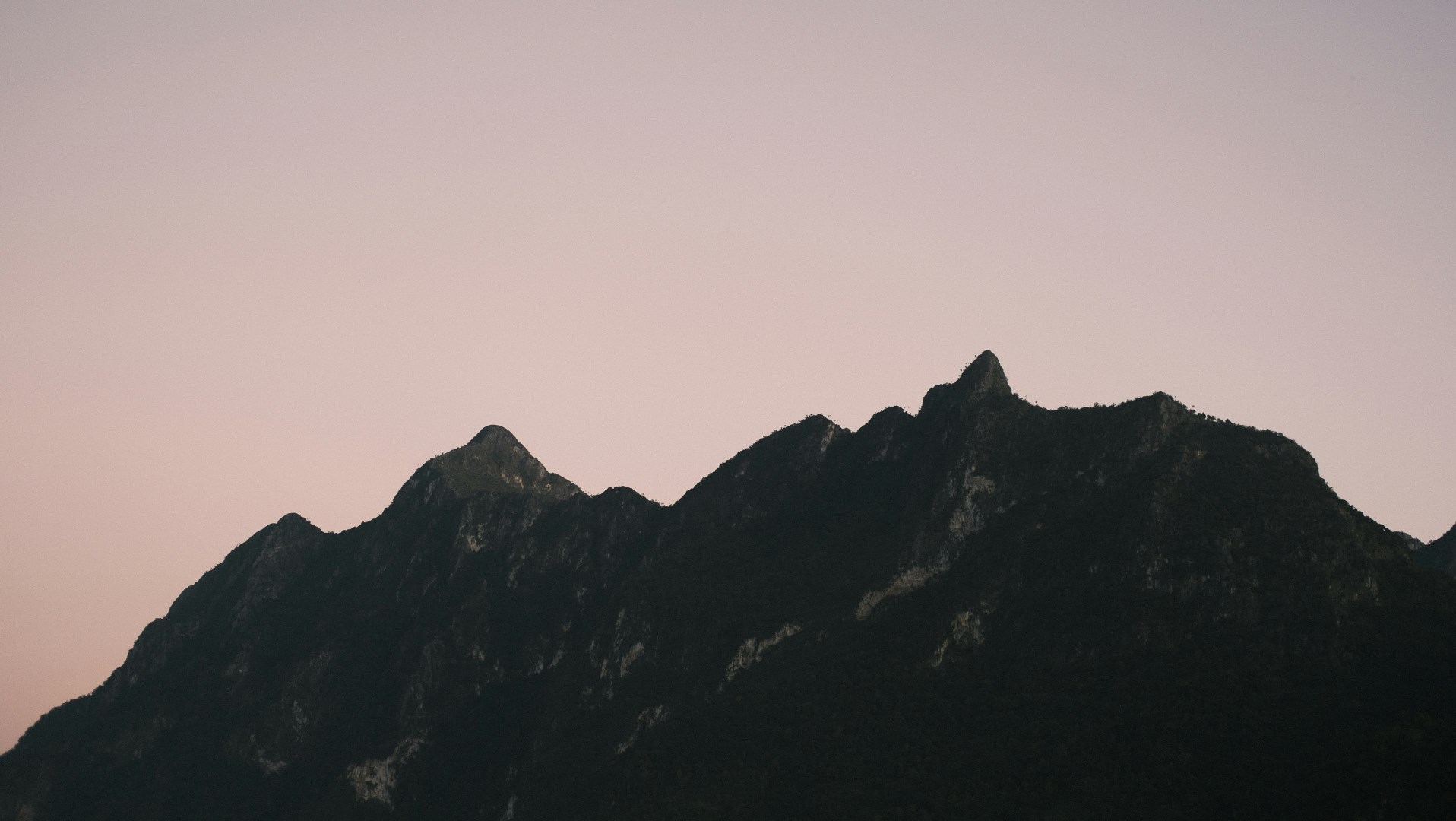
Chiang Dao is a mountain district in Chiang Mai Province, northern Thailand, known for its limestone peaks, cave systems, and quiet agricultural valleys. The town sits beneath Doi Luang Chiang Dao, one of the highest mountains in Thailand, which shapes the landscape and daily life of the area. Compared with larger destinations in the north, Chiang Dao moves at a slower pace, with small markets, roadside cafés, and villages surrounded by rice fields and fruit orchards. Many visitors come for trekking and nature, but the district also attracts people interested in meditation retreats, traditional farming, and local craft workshops.
The culture of Chiang Dao reflects both Lanna traditions and the influence of ethnic communities living in the surrounding hills, including Karen, Lisu, and Akha groups. Buddhist practices remain central to the area, especially at Wat Tham Pha Plong, a forest temple reached by a staircase lined with teachings and prayer messages. Chiang Dao Cave is another important spiritual site, containing shrines, Buddha statues, and chambers used for worship. Local folklore often connects the mountain and caves with guardian spirits and sacred beings, and many residents continue to treat the landscape with deep respect.
Doi Luang Chiang Dao dominates the horizon with steep limestone cliffs and forested slopes protected within a wildlife sanctuary recognized by UNESCO as a biosphere reserve. Hiking routes pass through bamboo forests, highland grasslands, and bird habitats, while the lower valleys contain garlic farms, citrus groves, and tea fields. Popular attractions include Chiang Dao Cave, Pong Arng Hot Springs, and Sri Sangwan Waterfall. The district also has small rural roads that lead to viewpoints, hill villages, and seasonal markets. During cooler months, early mornings often bring low clouds that settle around the mountain base.
Food in Chiang Dao focuses on northern Thai cooking and locally grown produce. Khao soi, the region’s well-known coconut curry noodle soup, is widely served alongside grilled meats, sai ua sausage, sticky rice, and spicy nam phrik dips. Coffee culture has also become part of the local identity, with small cafés roasting beans grown in nearby highlands. Thursday walking markets feature handmade textiles, herbal products, and snacks prepared by local families. The district is also known within Thailand for its garlic production, and many roadside stalls sell dried garlic, pickled vegetables, and mountain honey collected from nearby forests.