West Point Island
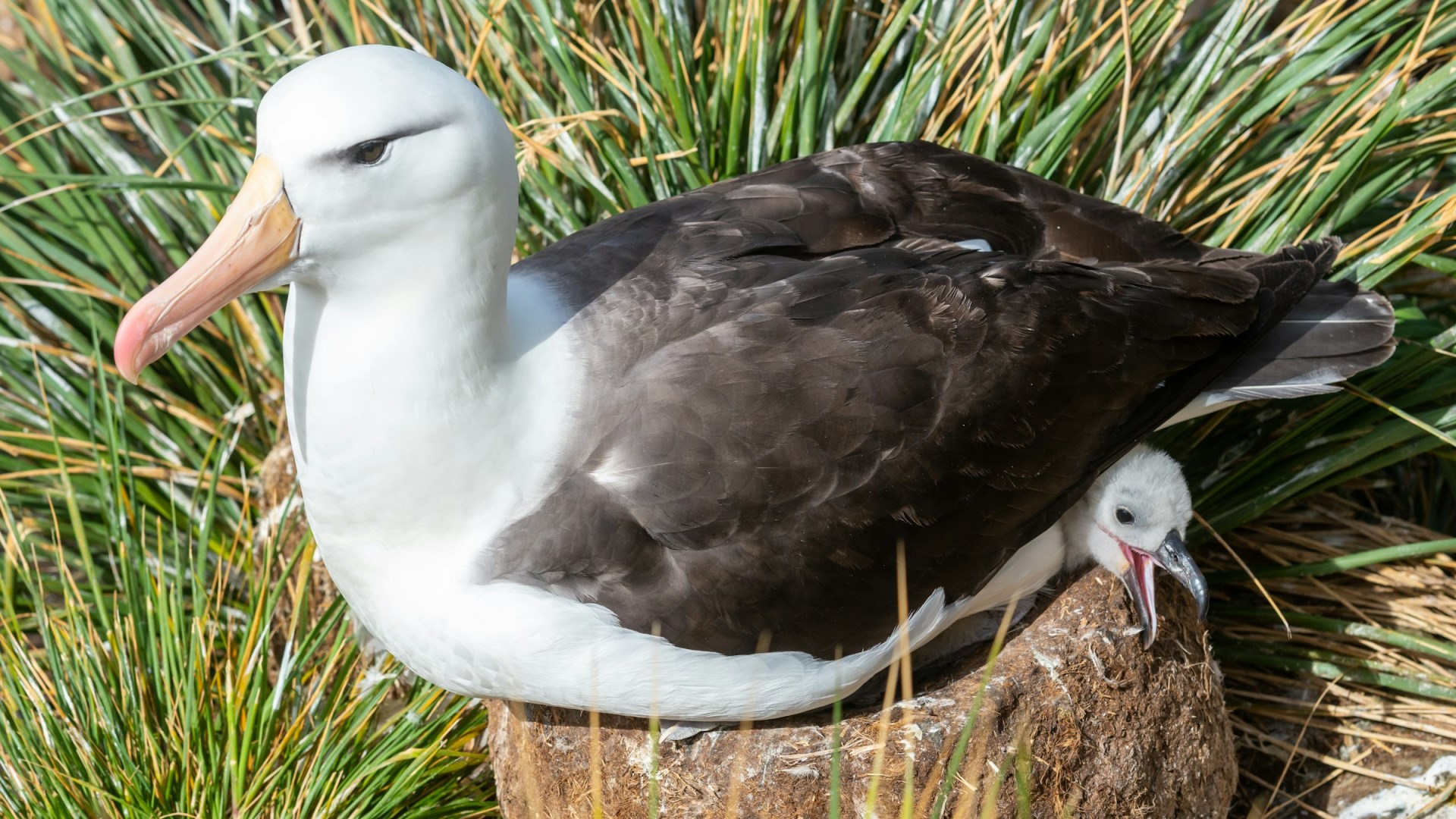
Originally known as Albatross Island, West Point Island boats some of the most spectacular coastal scenery in the Falklands as well as numerous species of plants, birds and marine mammals.
Dundee
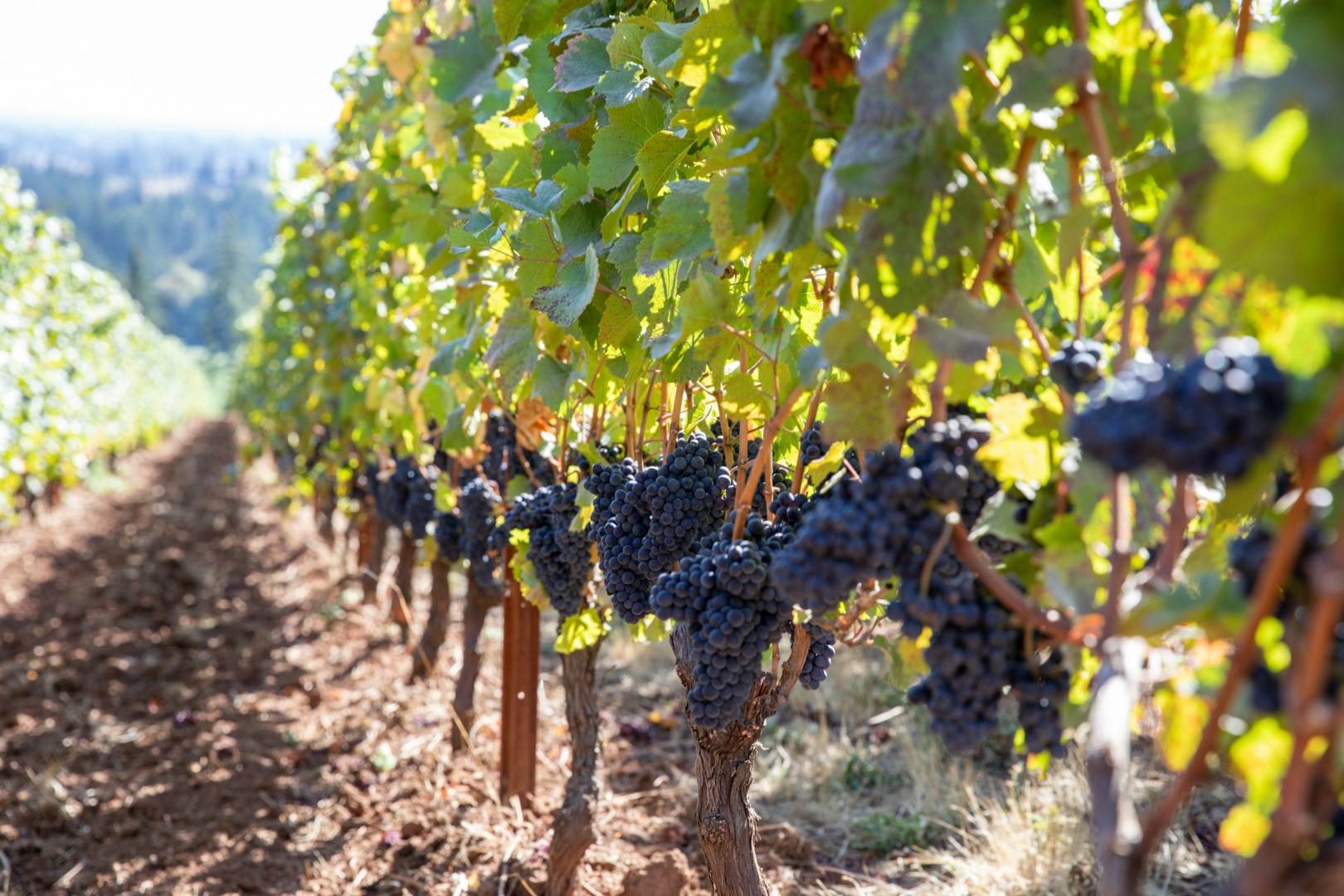
Dundee is a small city in Oregon’s Willamette Valley, surrounded by vineyards, orchards, and rolling farmland in the heart of the state’s wine country. Located southwest of Portland, the community sits along the foothills of the Chehalem Mountains and is closely associated with the Dundee Hills American Viticultural Area. Its compact center contains tasting rooms, restaurants, galleries, and locally owned businesses, while the surrounding countryside is characterized by vineyards and forested sl
Labuan Bajo
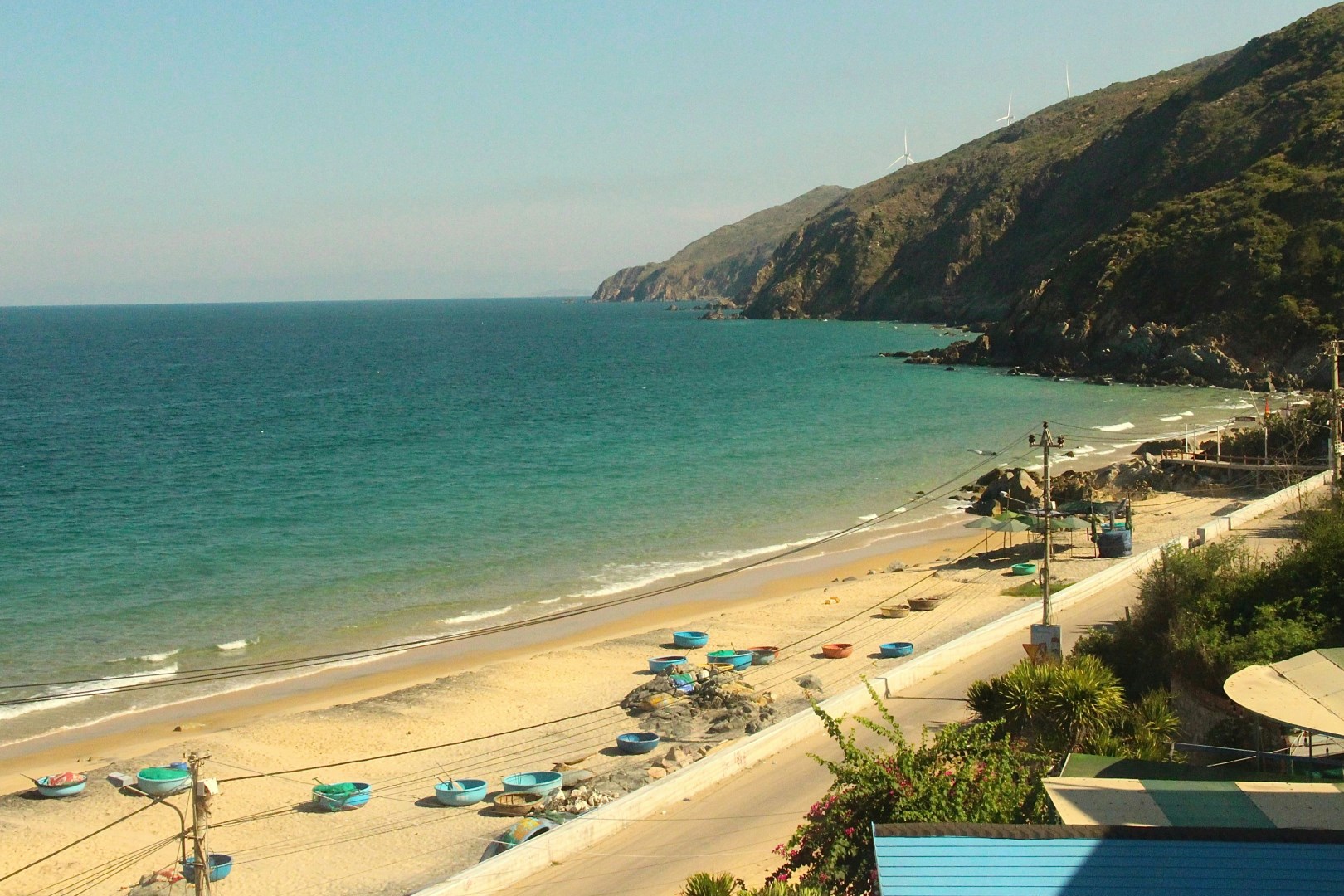
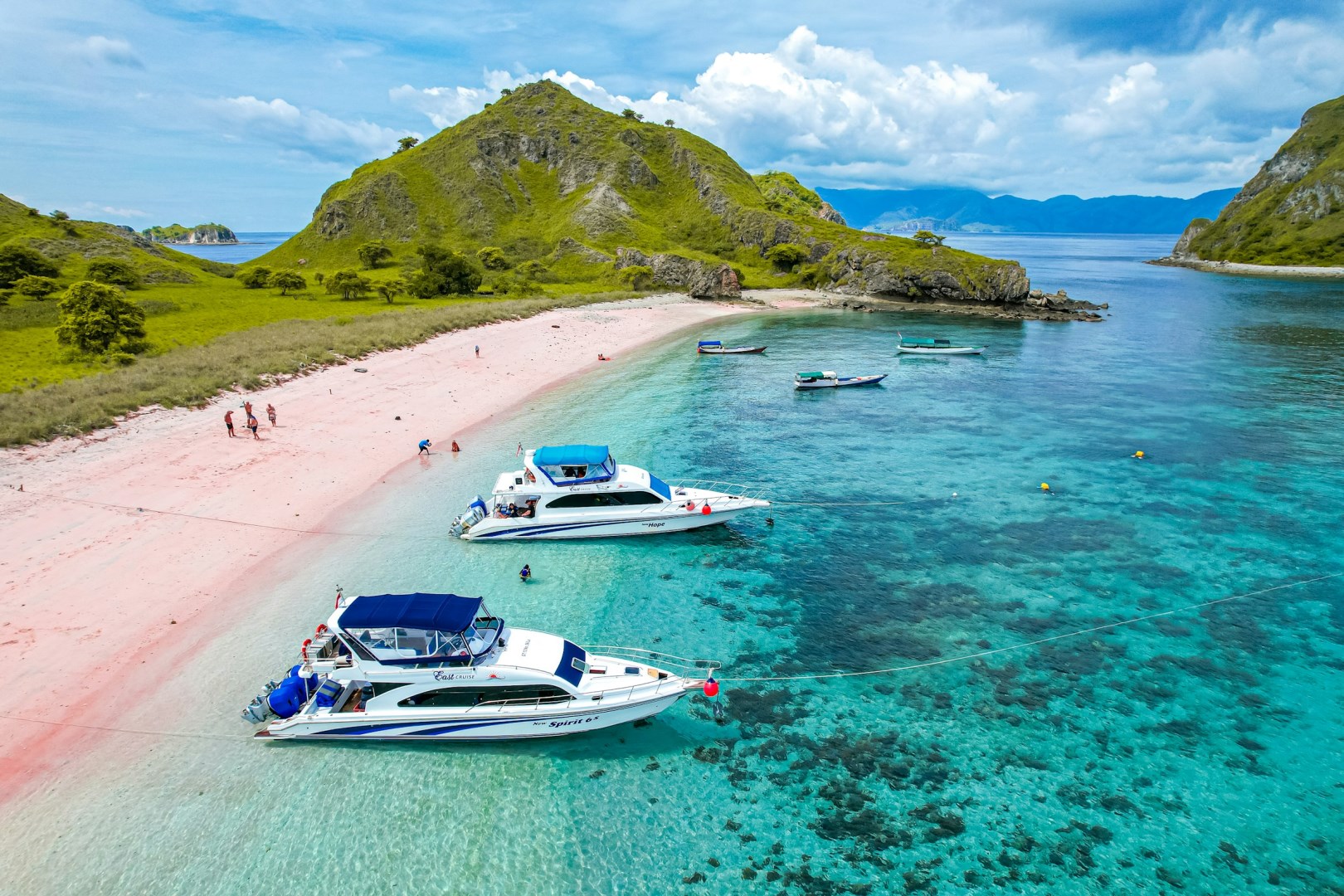
Labuan Bajo is a coastal town on the western tip of Flores in East Nusa Tenggara, facing the waters between Flores and Sumbawa. It serves as the main gateway to Komodo National Park and is also a center for travel across western Flores. The town sits beside a sheltered harbor surrounded by small islands, dry hills, and coastal landscapes.

Mahé Island
Mahé Island is the largest and most culturally central island in the Seychelles, home to the capital city of Victoria and the majority of the country’s population.
Adiyaman
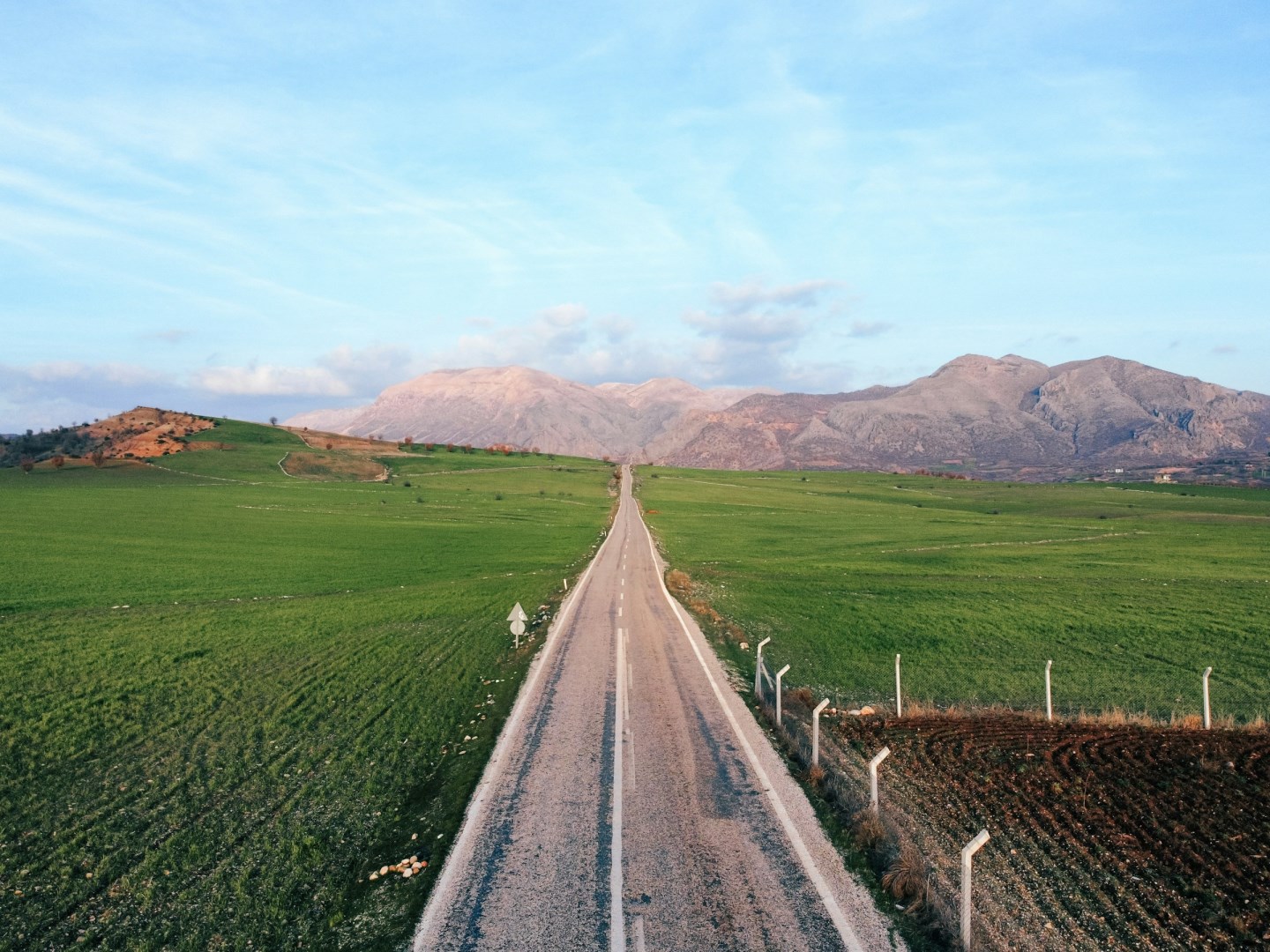
Adiyaman makes a good base from which to visit Nemrut Dagi National Park. On the summit of Nemrut Daagi (Mount Nemrut), at an altitude of 2,150 meters- the highest mountain in northern mesopotamia - sits the gigantic funerary sunctuary erected in the first century B.C. by King Antiochos I of Commagene. The engineering involved in creating the artificial tumulus- flanked by terraces on which rest the colossal statues of Apollo, Zeus, Heracles, Tyche and Antiochus - continue to amaze visitors.