Bayonne
Bayonne, nestled in the heart of France's Basque Country, offers a delightful blend of history, culture, and gastronomy. This charming city, with its half-timbered houses and narrow cobbled streets, sits at the confluence of the Nive and Adour rivers, creating a picturesque setting that invites leisurely exploration. The Gothic Bayonne Cathedral, a UNESCO World Heritage Site offers stunning views and an opportunity to admire its breathtaking 13th-century architecture.
Saunders Island
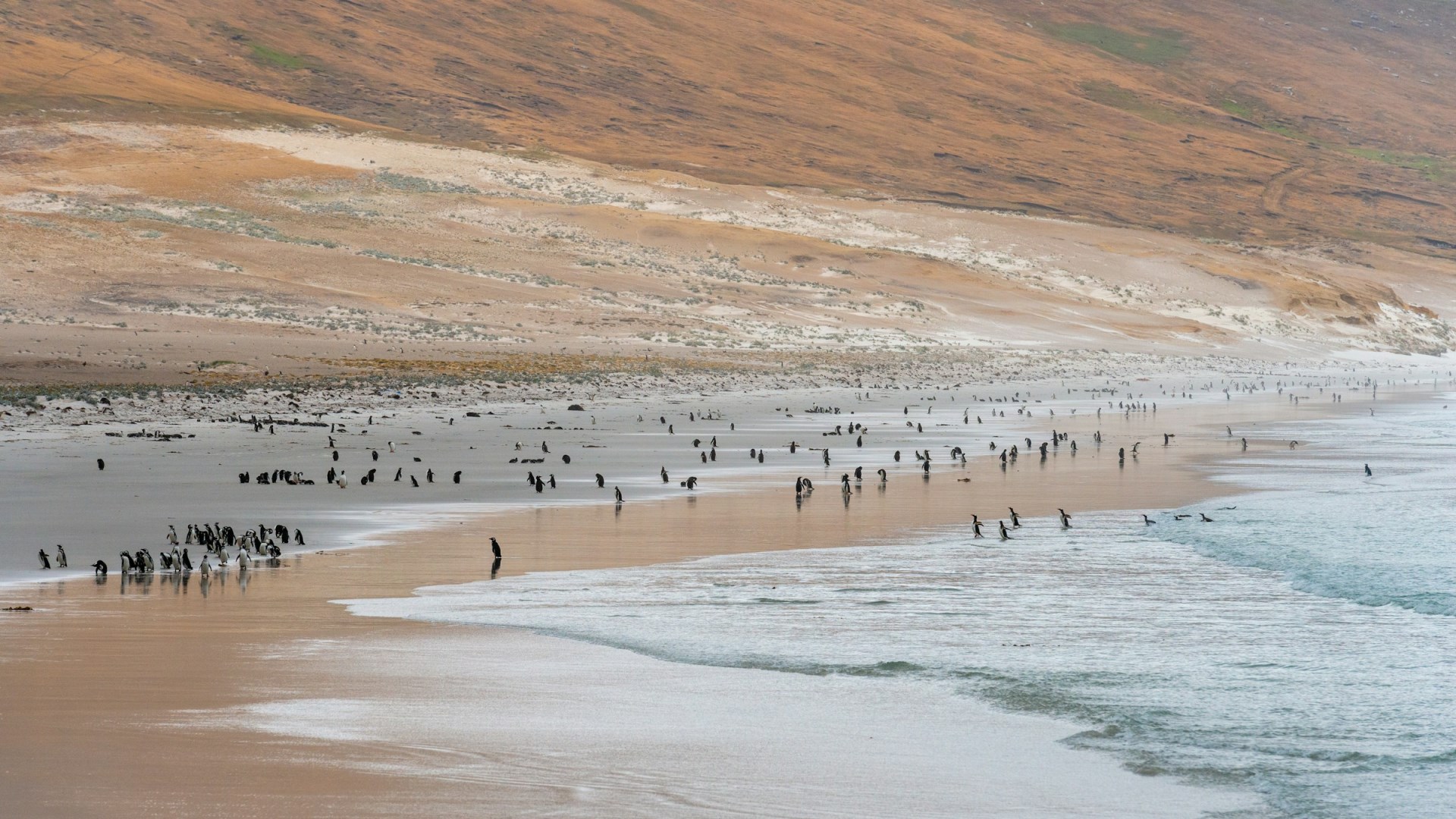
Saunders Island, located in the northwestern part of the Falkland Islands, is a haven for wildlife enthusiasts and history buffs alike. This remote and rugged island, covering over 49 square miles, offers visitors the chance to experience nature at its most pristine. Saunders Island is one of the few places in the world where you can observe five species of penguins, Gentoo, King, Magellanic, Rockhopper, and the occasional Macaroni, all in one location.
Puerto Escondido
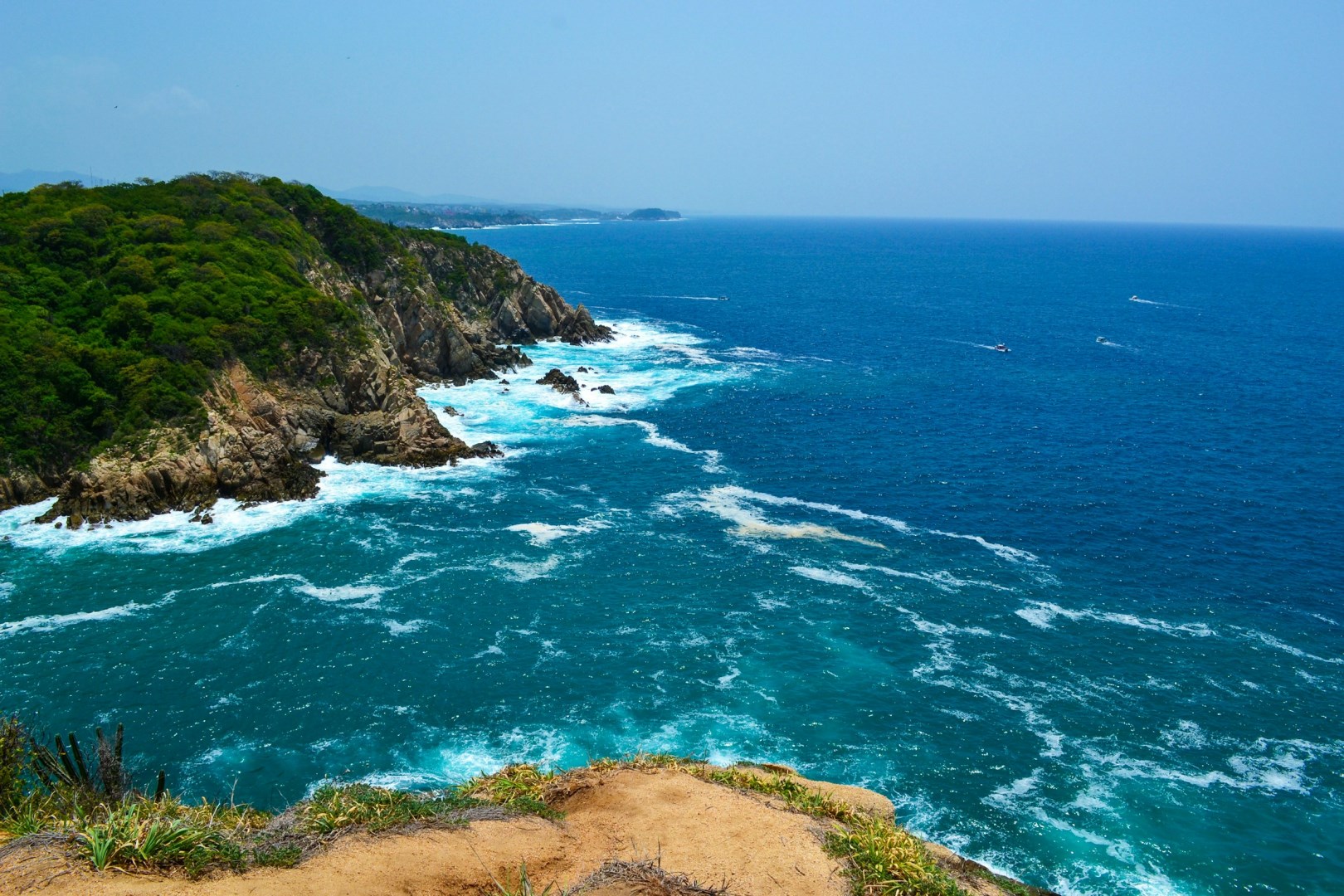
Just a few years ago, Puerto Escondido was a fishing village. Now Puerto Escondido is still remote enough to avoid the crowds of the more established resort areas and a perfect "out of the way" spot for those looking for a great, romantic escape.

Fort Lauderdale
Fort Lauderdale is known for its sun-soaked beaches, diverse culture, and network of scenic canals that stretch over 300 miles. Visitors can take a water taxi or book a sunset cruise to explore the city from a different perspective.

Spitz
Located on the banks of the Danube, Spitz an der Donau is a charming market town in Austria's Wachau valley. Occupied since Celtic times, Spitz offers spectacular views of the Danube valley.