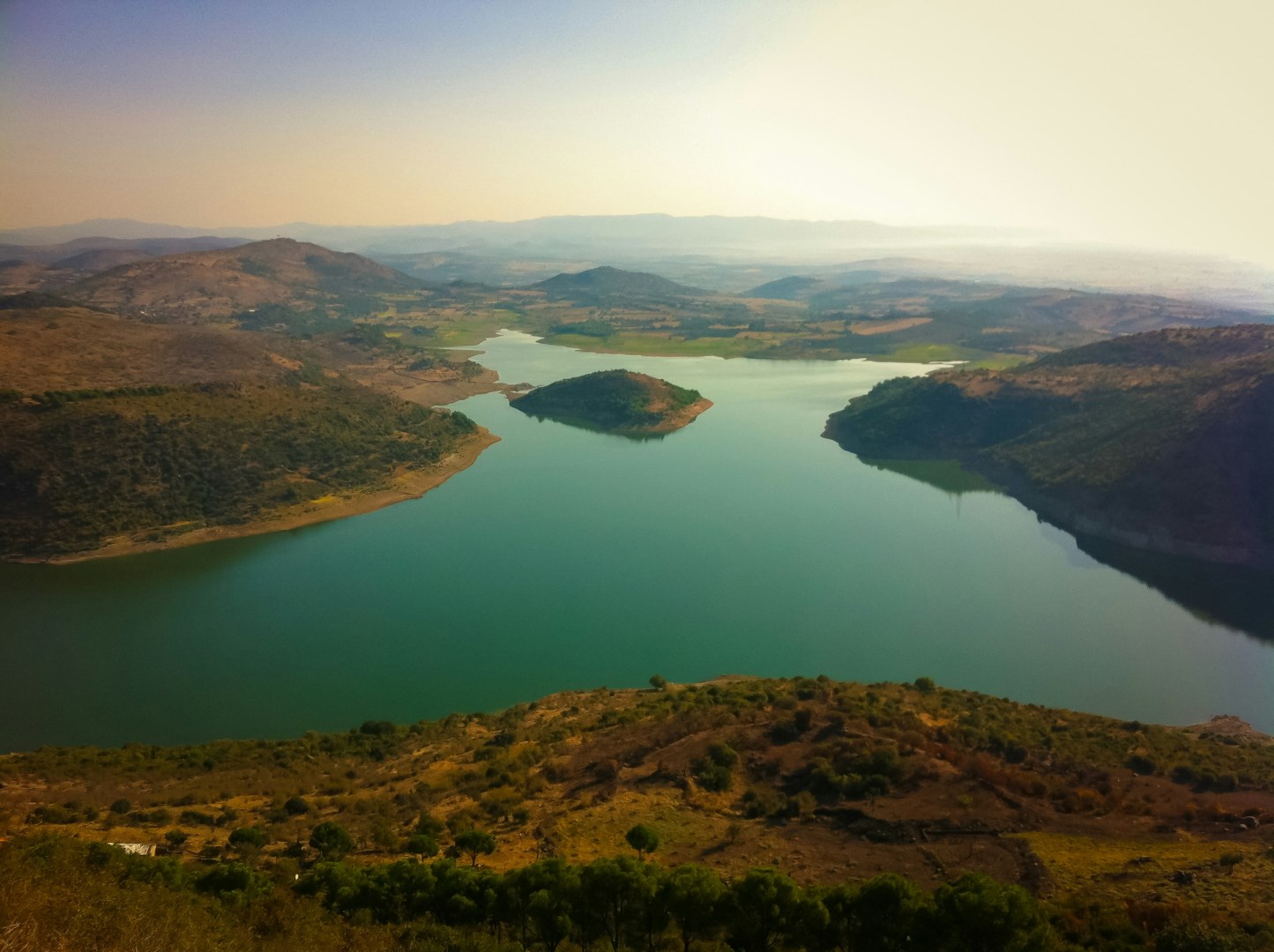
Dingle
Nestled along the picturesque southwest coast of Ireland, the charming town of Dingle offers a quintessential Irish experience with its stunning landscapes and rich cultural heritage. The town is renowned for its vibrant harbor and traditional pubs, where visitors can enjoy lively music sessions and savor local seafood dishes. The Dingle Peninsula, with its rugged cliffs and scenic drives, is a highlight for nature enthusiasts and those seeking breathtaking vistas.
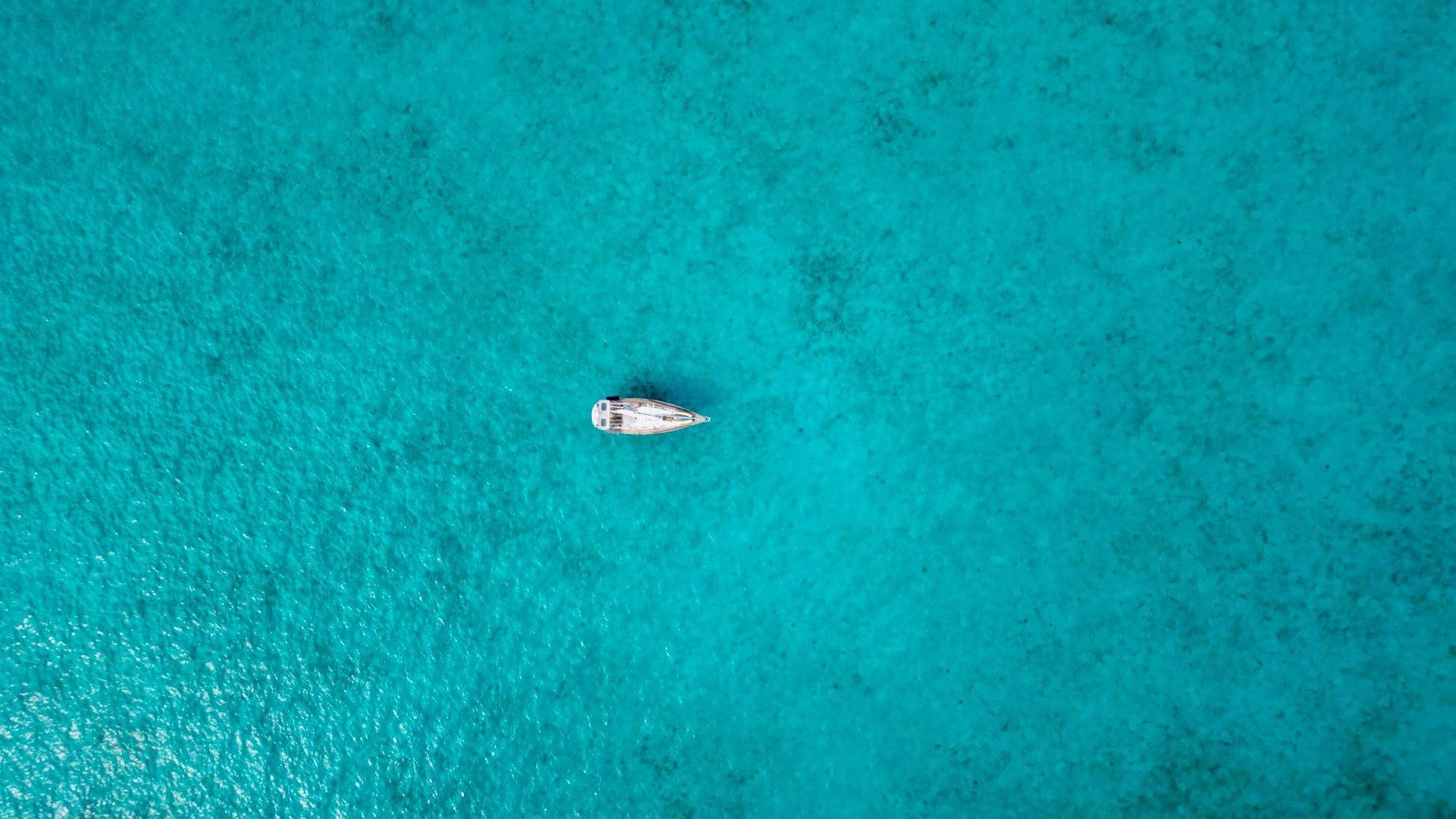
Long Island
One of the "Out Islands" of the Bahamas, Long Island lies at the eastern reaches of the more than 700 islands and cays that make up thisspectacular archipelago. Located on the Tropic of Cancer, approximately 160 miles southeast of Nassau (a one hour flight), it covers nearly 230 square miles and is 70 miles long by five miles at its widest point.
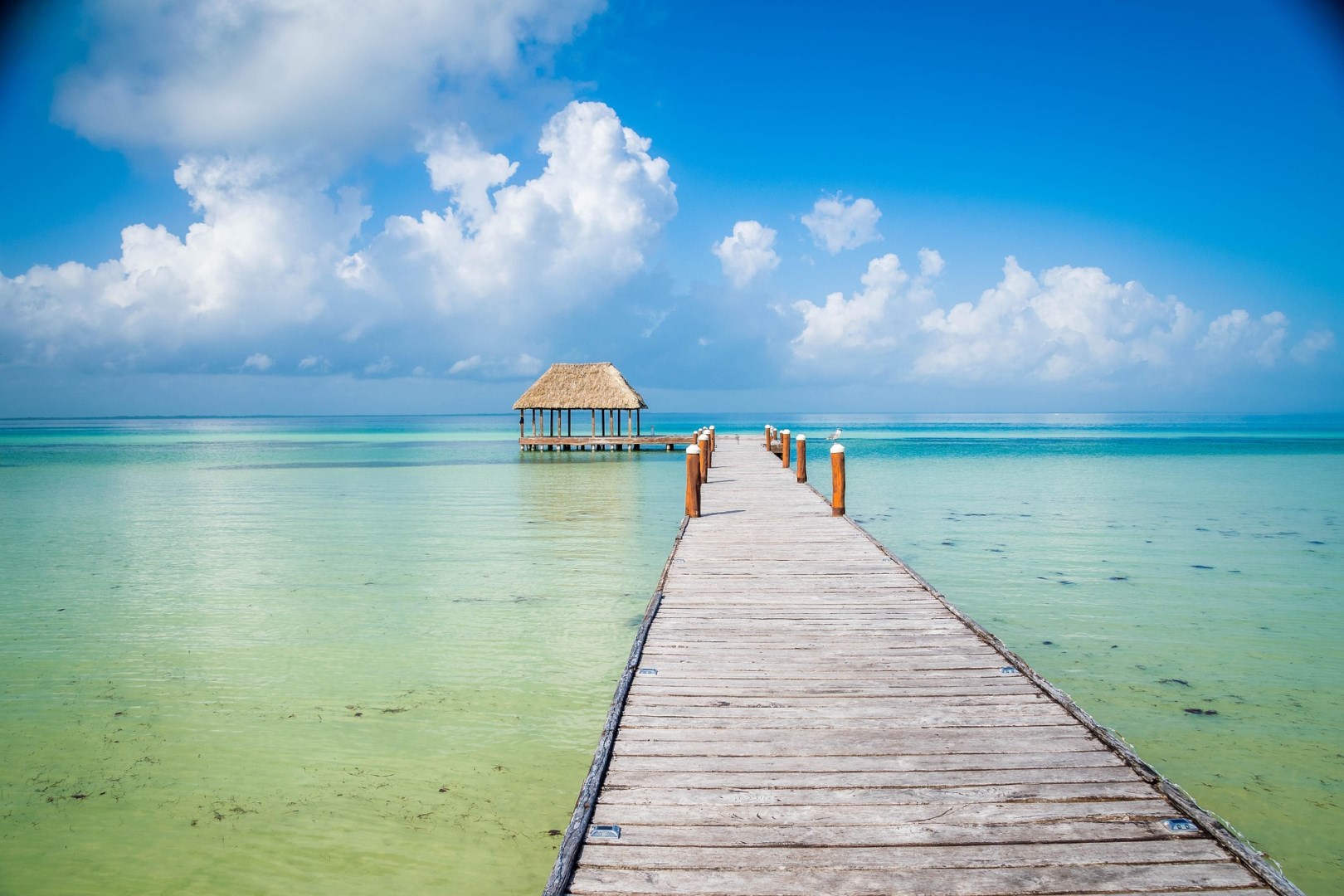
Isla Holbox
Holbox is known for sandy streets, laid-back beach bars, and calm turquoise water. It is a place where shoes are optional and bikes are the preferred way to roam. Perfect for travelers who want to unwind and slow everything down.

St. Malo
Saint-Malo, a captivating walled city on the coast of Brittany, France, invites visitors to step back in time while embracing the beauty of the rugged coastline. Known for its rich maritime history, this former pirate stronghold has retained its medieval charm, with narrow cobblestone streets, towering granite walls, and fortifications that echo tales of seafaring adventures.

Bellingham
Located in northern Washington State, near the Canadian Border, Bellingham is the southern port for the Alaska Marine Highway System. Area attractions inlcude the San Juan Islands, winter skiing and the popular resort of Semi-Ah-Moo.