Pula
Pula, a historic city located on the Istrian Peninsula in Croatia, is renowned for its impressive Roman heritage and vibrant cultural scene. The city's centerpiece is the Pula Arena, one of the best-preserved Roman amphitheaters in the world. This monumental structure, built in the 1st century AD, offers visitors a glimpse into ancient spectacles and gladiatorial contests. Today, it hosts various events, including concerts and film festivals.

Makarska
Makarska, nestled along the stunning Dalmatian Coast of Croatia, is a gem that blends natural beauty with vibrant culture. The town is renowned for its picturesque setting between the Biokovo Mountain range and the azure waters of the Adriatic Sea. The Makarska Riviera boasts some of Croatia's most beautiful beaches, such as Punta Rata, known for its fine pebbles and crystal-clear water.
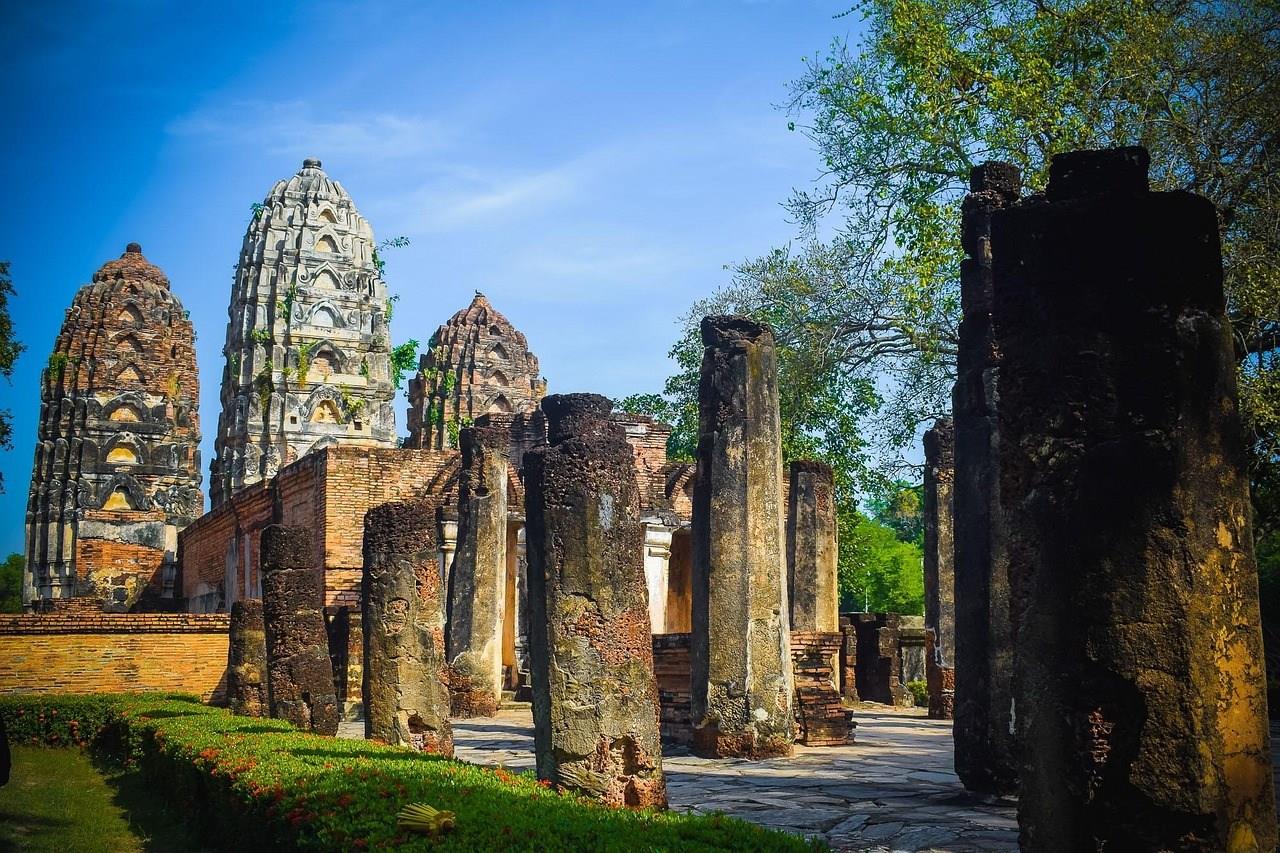
Sukhothai
Sukhothai, located in north-central Thailand, was once the capital of the first independent Thai kingdom in the 13th century. Today, it’s best known for the Sukhothai Historical Park, a UNESCO World Heritage Site filled with stone temples, lotus-filled moats, and ancient Buddha statues. The park spans over 70 square kilometers and features more than 190 ruins.

Ouarzazate
The whole south of Morocco is summarized in the historical, traditional and exotic sounding word "Ouarzazate". In Ouarzazate everything is calm, beautiful and fresh - the very image of the authentic south of Morocco, where time has stood still for centuries. The town has been located in three different places during its existence, two of them still inhabited
today.
today.
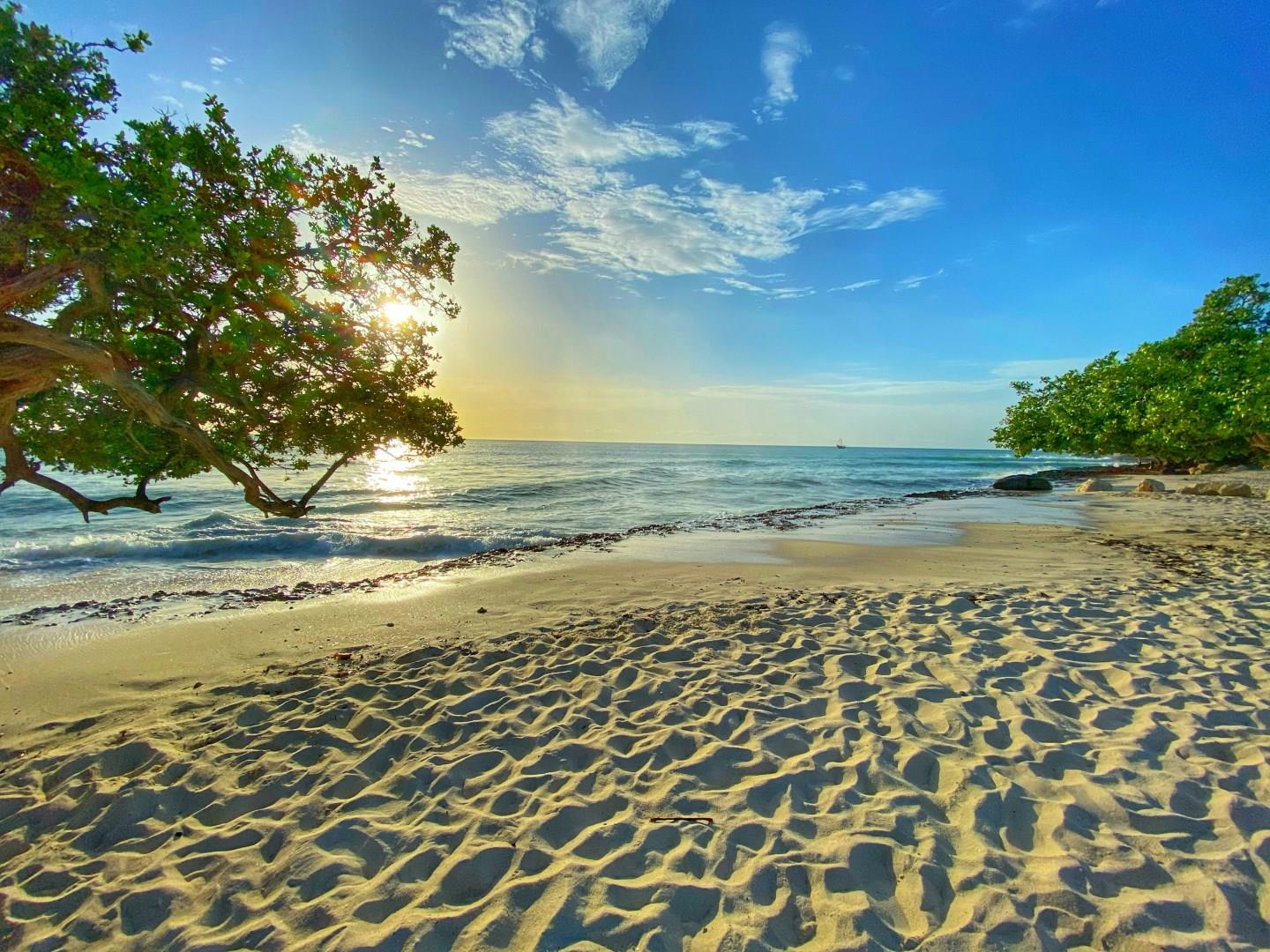
Eagle Beach
Eagle Beach, on Aruba’s western coast, is often celebrated as one of the most beautiful beaches in the Caribbean. Known for its wide stretch of soft white sand and calm turquoise waters, it offers a peaceful setting away from the livelier resort areas.