León
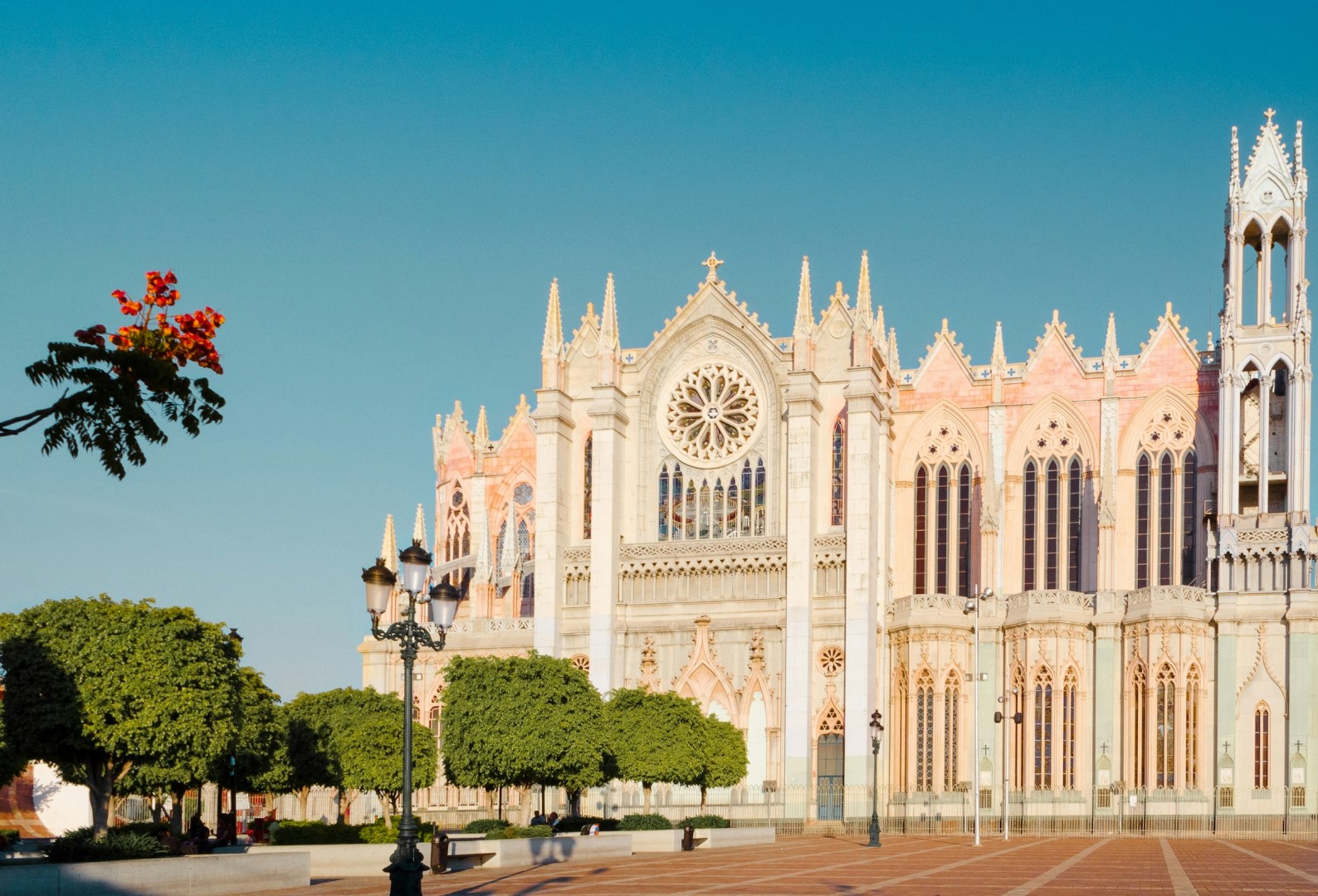
León, central Mexico, in Guanajuato State, in a fertile river valley, at an altitude of about 6000 ft. León is the industrial, commercial, and transportation center for a rich agricultural region and is a shoe-manufacturing center. Founded in 1576, León was a Spanish colonial administrative center.
Matobo National Park
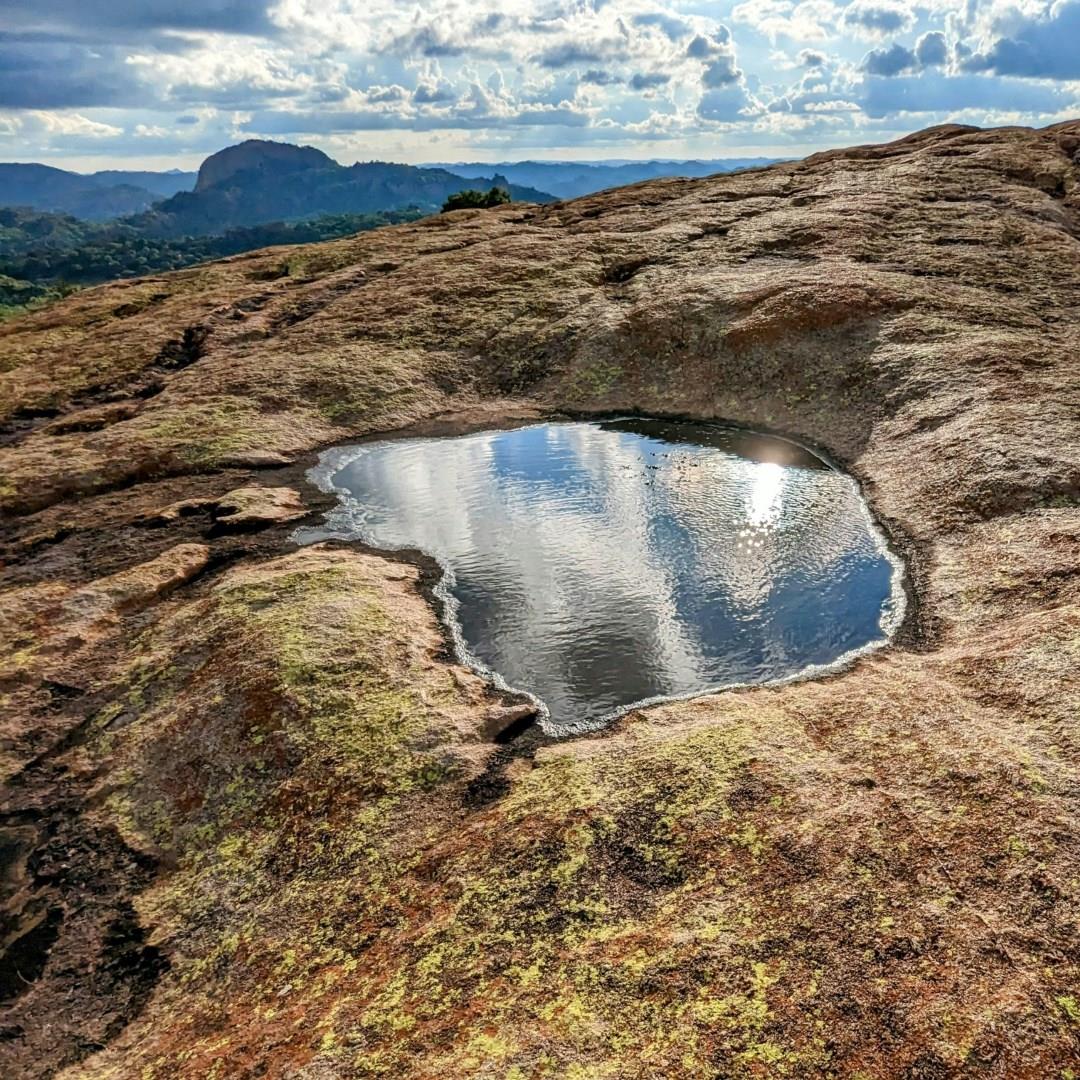
Matobo National Park sits in the rolling hills of southern Zimbabwe stands as one of the country’s most remarkable landscapes. Its granite domes, balancing rocks and wooded valleys have formed over more than two billion years, creating a setting that feels both ancient and alive. As a UNESCO World Heritage cultural site, the park preserves a landscape that has shaped human life here for millennia, drawing travelers to explore its unusual terrain and storied past.
Guatemala City
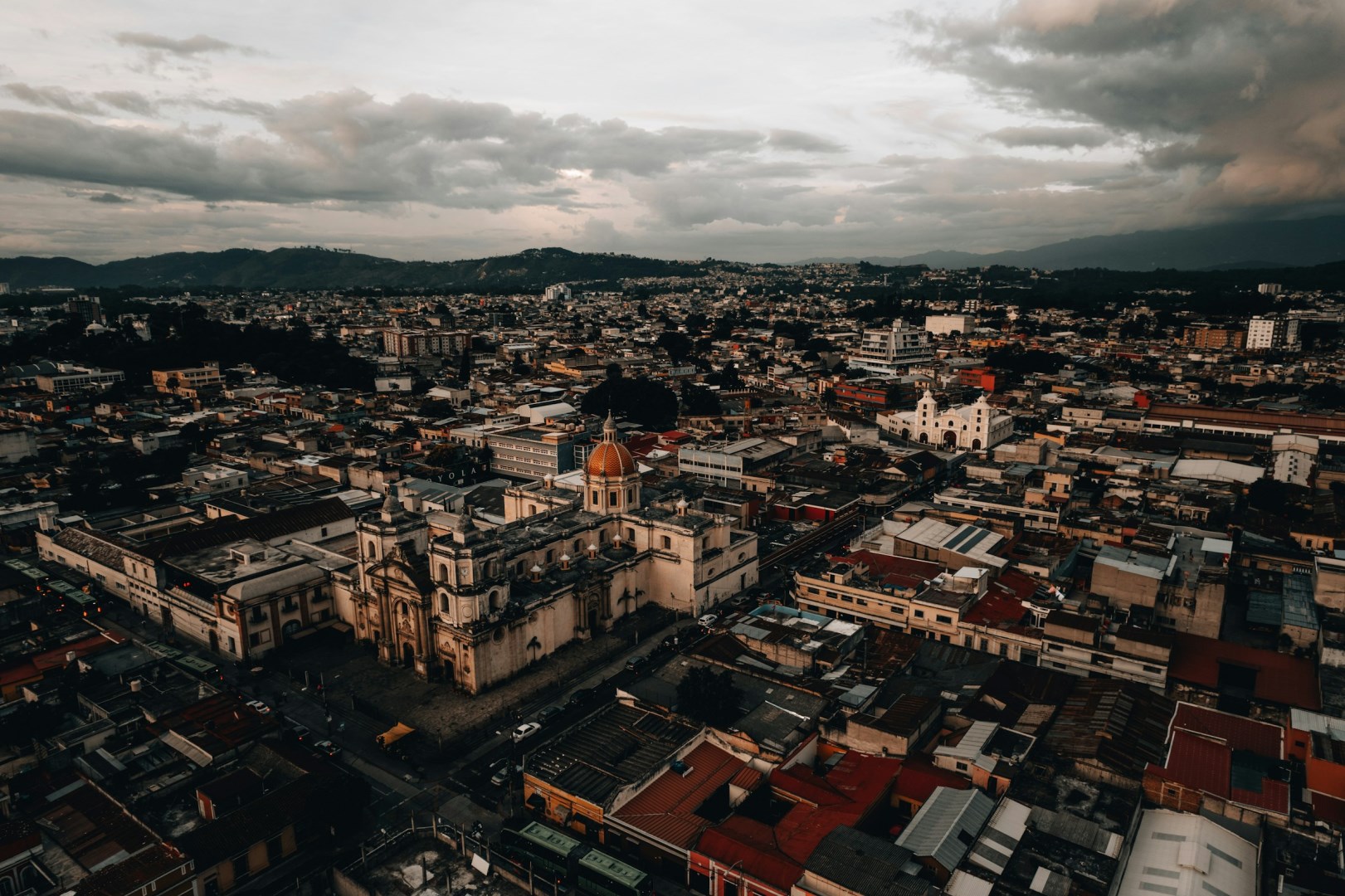
In the newer area you will find excellent hotels, chic shops, and good restaurants. Near the old downtown commercial center, behind the Catedral Metropolitana, and a block off Central Park, the Central Market where everything made or produced in the country is sold.
Tainan
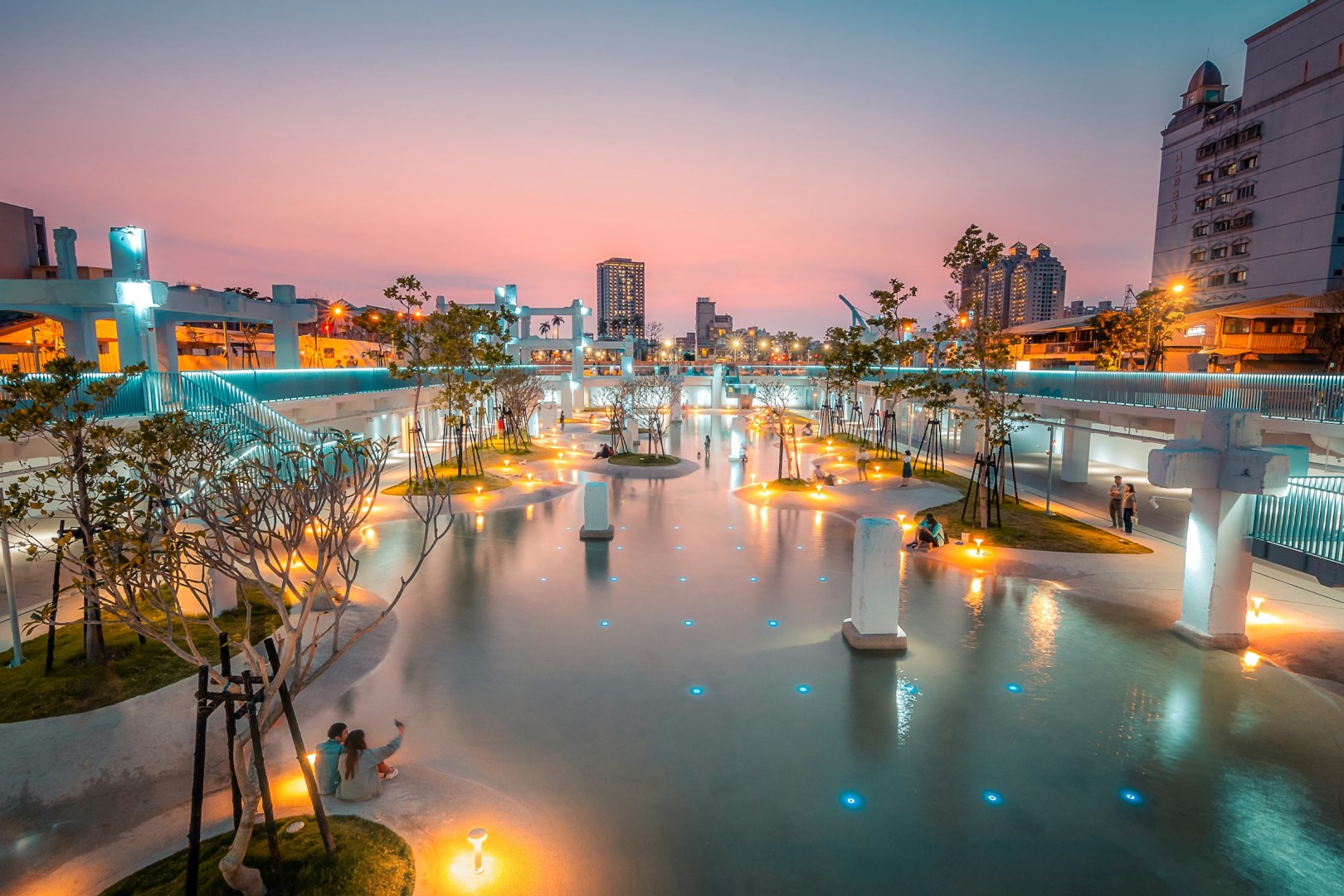
Tainan is a historic city in southwestern Taiwan known for its temples, traditional neighborhoods, food culture, and surviving architectural landmarks. As one of Taiwan's oldest urban centers, it contains a dense collection of religious buildings, historic residences, markets, and former administrative sites. The city is generally low-lying, with coastal plains extending westward toward the Taiwan Strait.
Cefalù
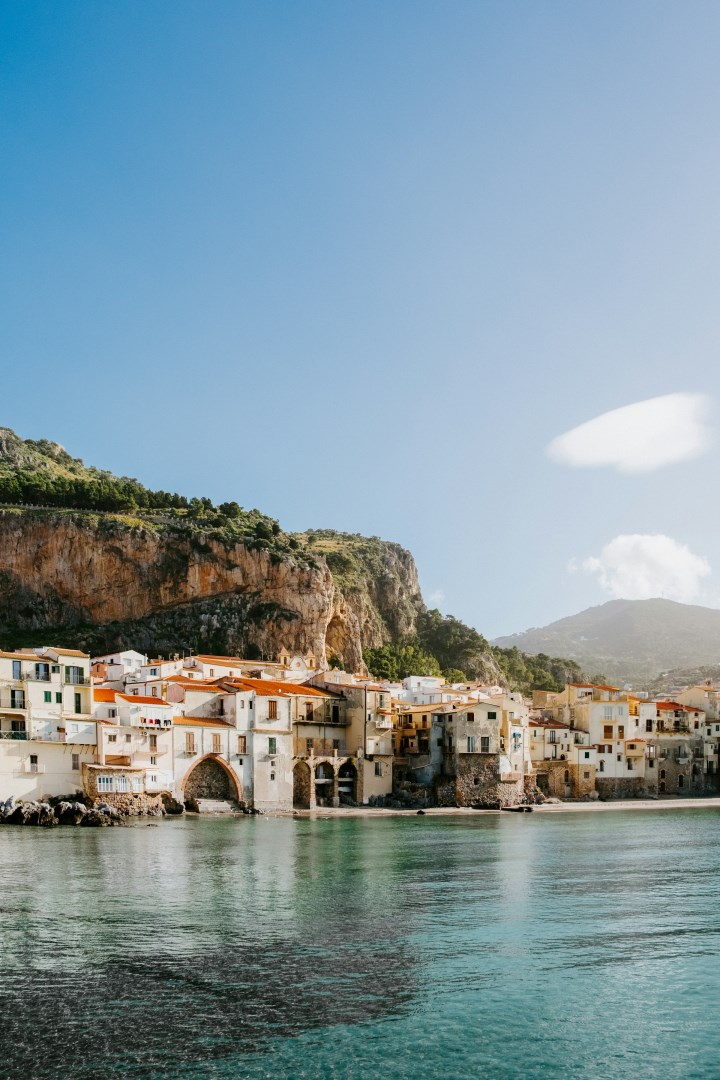
Cefalù is a coastal town on Sicily’s northern shore, set between the Tyrrhenian Sea and the steep slopes of La Rocca, the large limestone outcrop that rises directly behind the historic center. Its old town is arranged around narrow stone streets leading toward Piazza Duomo, while a sandy beach stretches beside the settlement below the town walls. The combination of a compact historic core, prominent mountain, and seafront gives Cefalù a distinctive physical setting.