Gettysburg
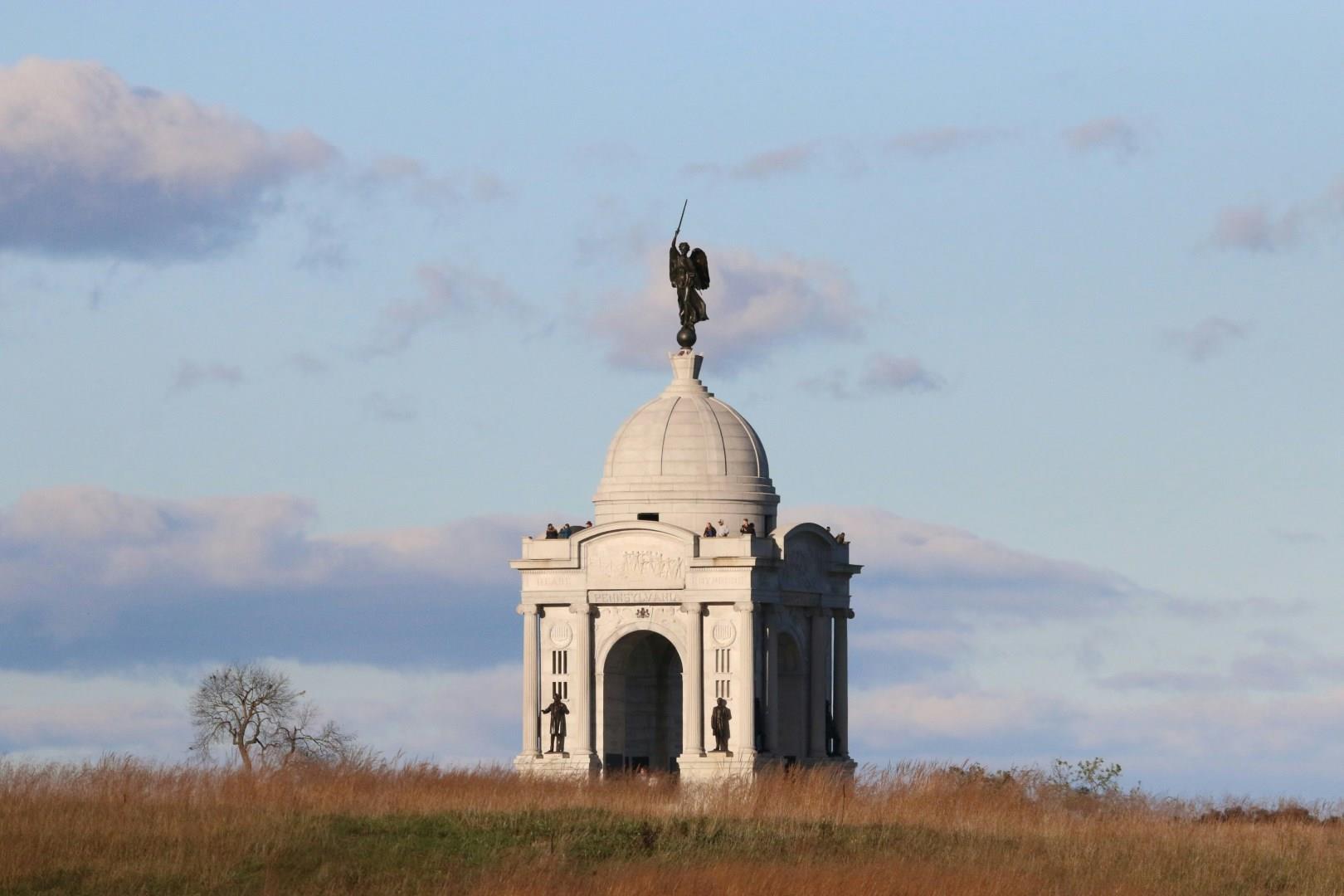
Gettysburg, Pennsylvania is best known as the site of the most significant battle of the American Civil War, fought over three days in July 1863. Today, visitors can explore the 6,000-acre Gettysburg National Military Park, which preserves the battlefield in remarkable detail. Over 1,300 monuments, cannons, and markers dot the landscape, each telling a piece of the story. One of the most visited spots is Little Round Top, where Union forces held their ground in a pivotal moment of the battle.

Castelmezzano
Nestled in the dramatic landscape of the Basilicata region in southern Italy, Castelmezzano is a hidden gem that captivates visitors with its stunning natural beauty and medieval charm. The town, perched on the edge of the Lucanian Dolomites, is renowned for its unique architecture, with houses clinging to the steep rock faces, creating a picturesque and almost otherworldly scene. The dramatic peaks surrounding the town offer breathtaking views and a range of outdoor activities.

Kenya
Kenya, a jewel of East Africa, is a tapestry of vibrant cultures, breathtaking landscapes, and incredible wildlife. Nairobi, the bustling capital, offers a gateway to numerous adventures, from visiting the Giraffe Centre, where you can feed endangered Rothschild’s giraffes, to exploring the Nairobi National Park, where lions roam against a backdrop of city skyscrapers.
Sturbridge
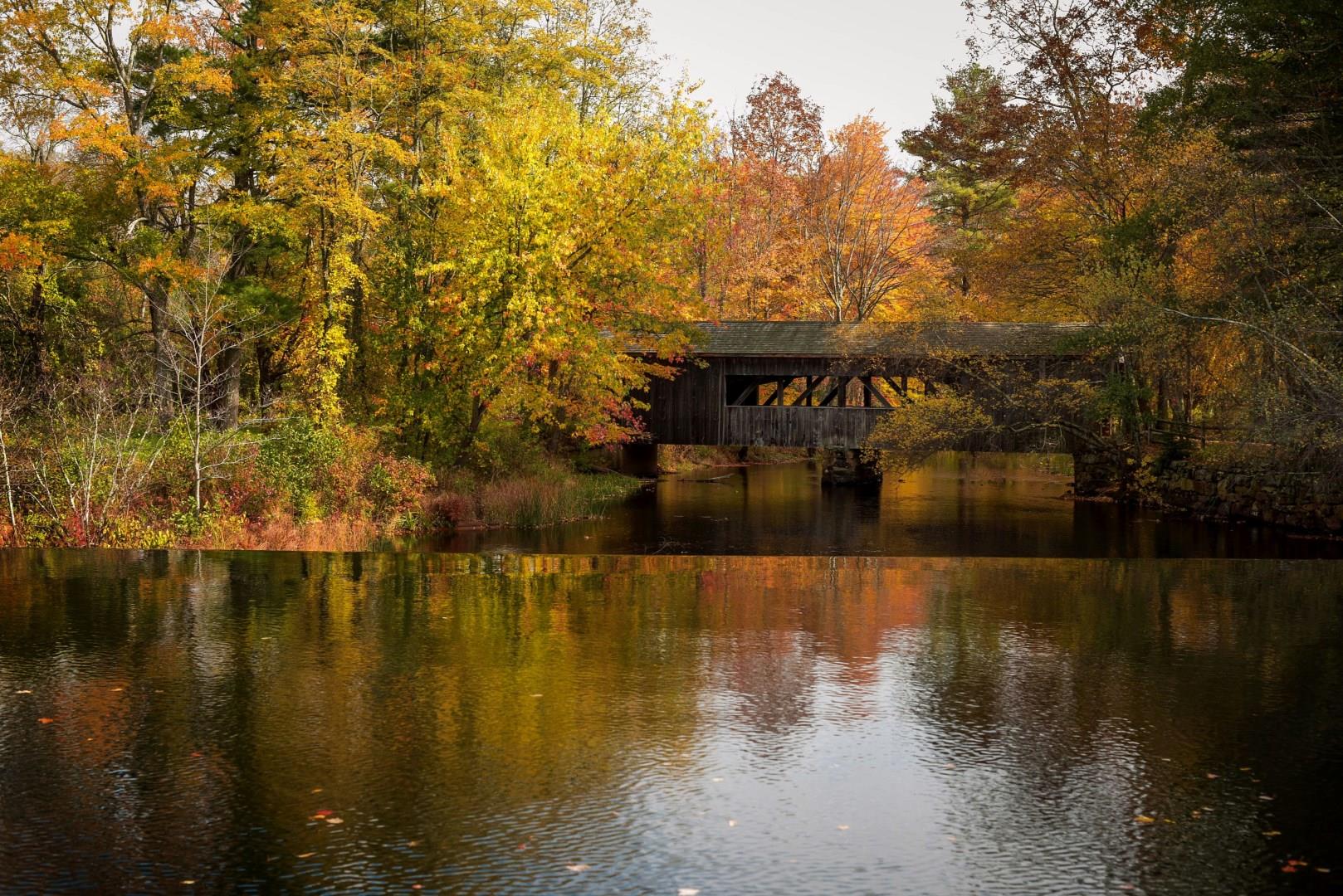
Nestled in the scenic heart of central Massachusetts, Sturbridge is a charming town that offers a delightful blend of historical intrigue and natural beauty. One of the town’s prime attractions is the Old Sturbridge Village, a living history museum that brings the early 19th century to life. The village is renowned for its extensive collection of artifacts and its engaging, hands-on exhibits that provide a fascinating look at life in the early 1800s.

Dusseldorf
The commercial and cultural center for the Ruhr region on the Rhine River, Duseldorff is also the site of the Felderhof Cave where Neanderthal man was found in 1856.