Ubud
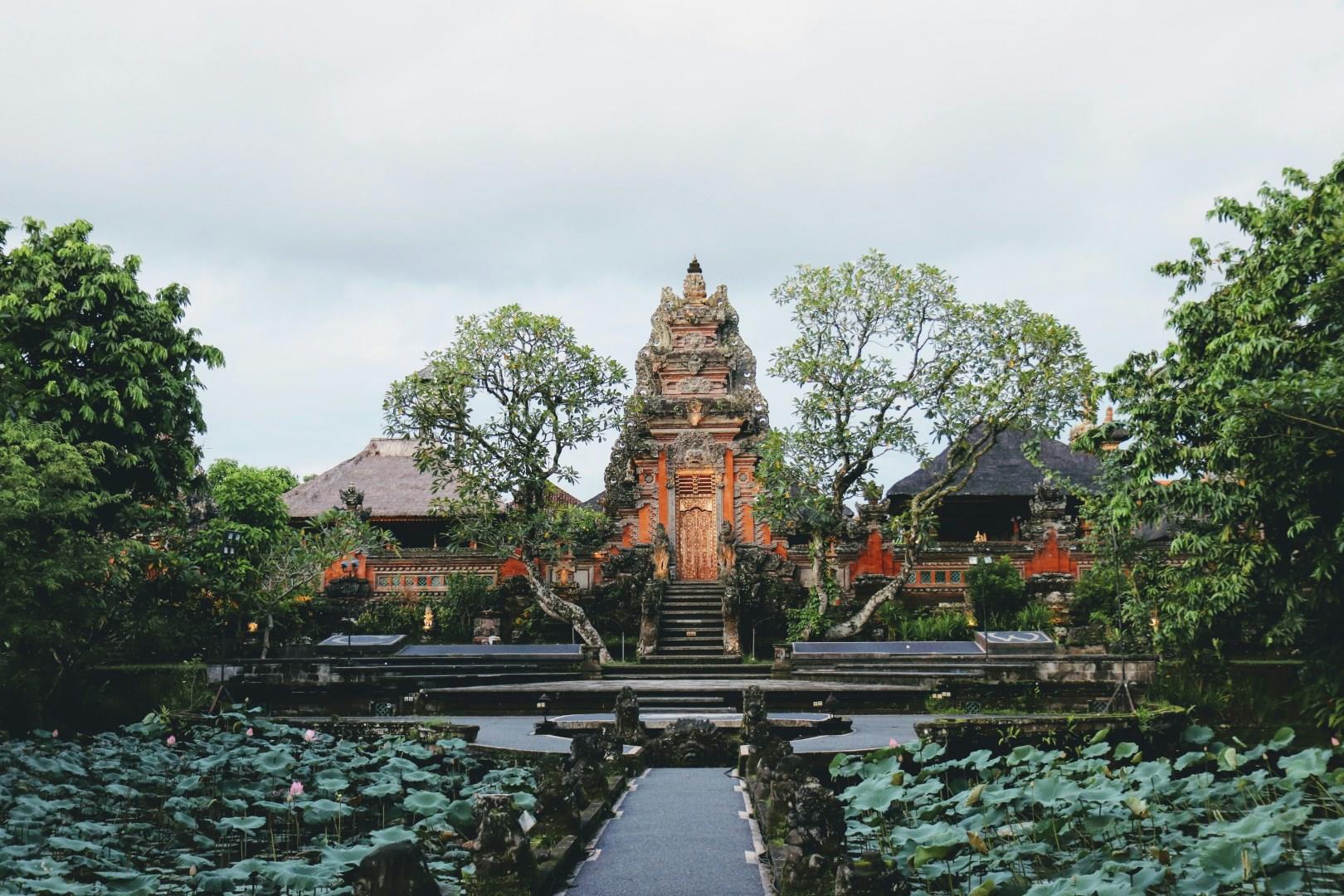
Ubud lies in the uplands of central Bali and has long been regarded as the island’s cultural and spiritual heart. Historically a center for healing and royal patronage, the town developed around temples, palaces, and traditional villages that supported dance, painting, woodcarving, and ritual life.
Palm Beach
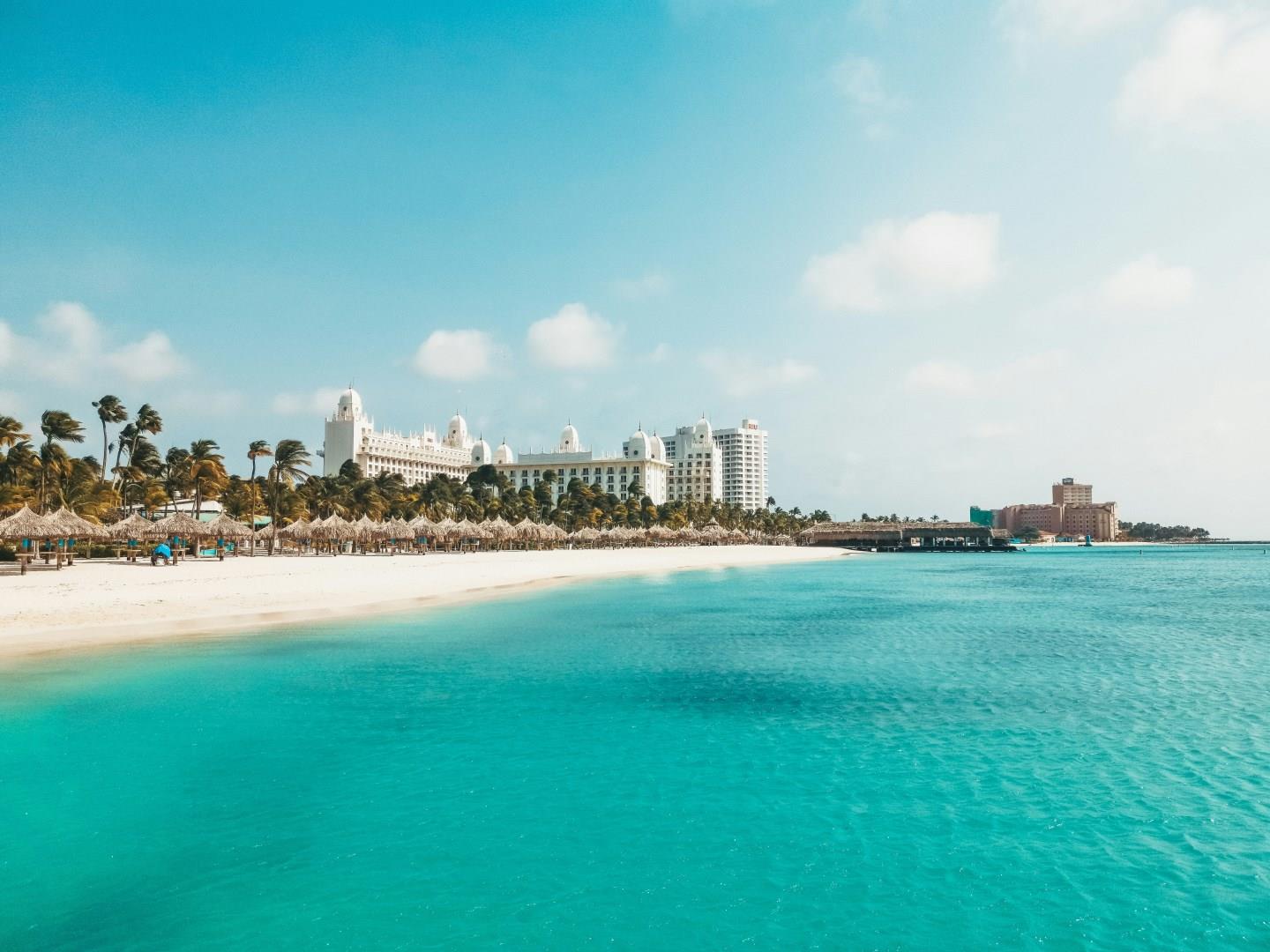
Palm Beach, located on Aruba’s northwest coast, is the island’s most famous stretch of sand: a two-mile ribbon of soft white shore lined with turquoise waters and a lively resort scene.
Bajos del Toro
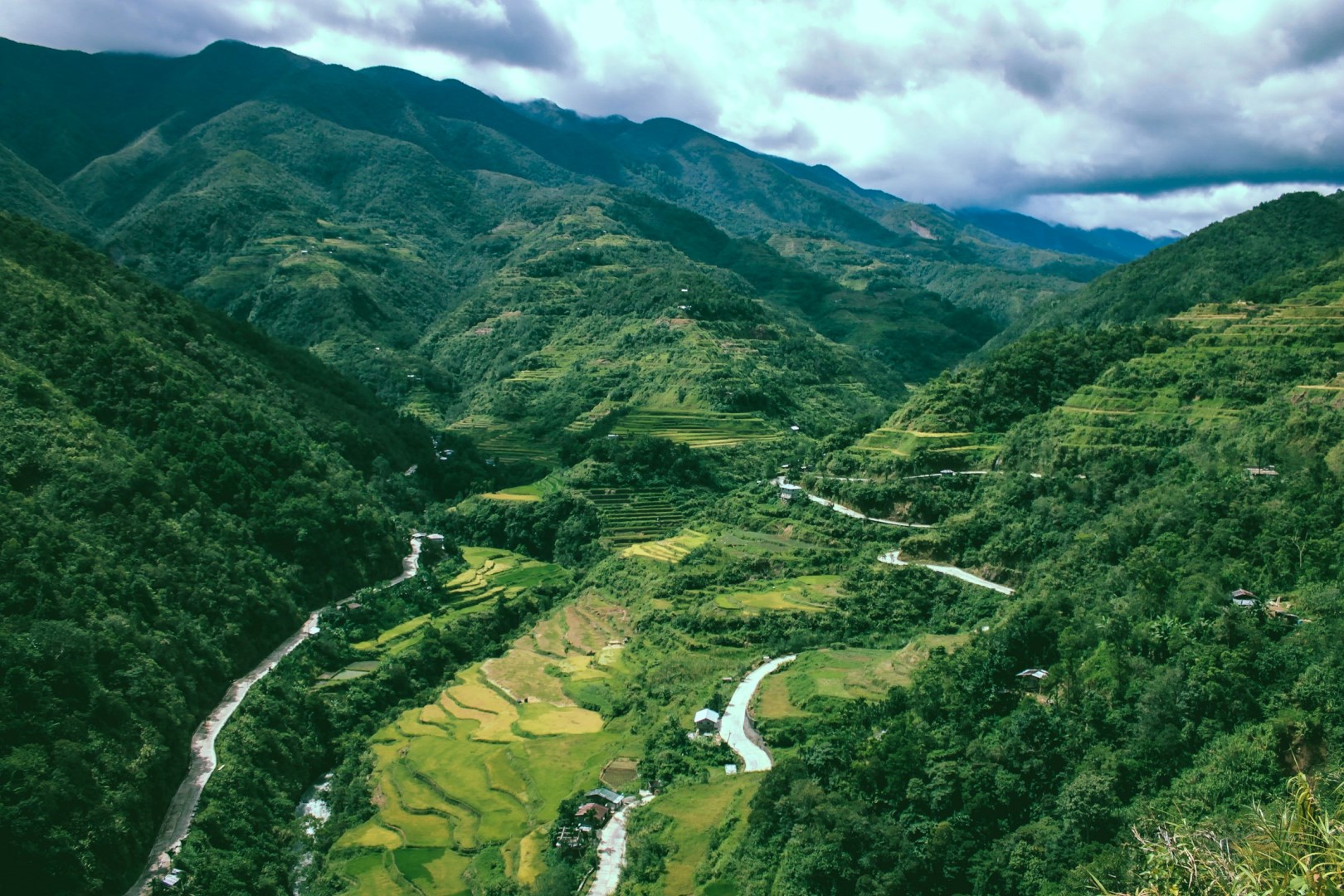
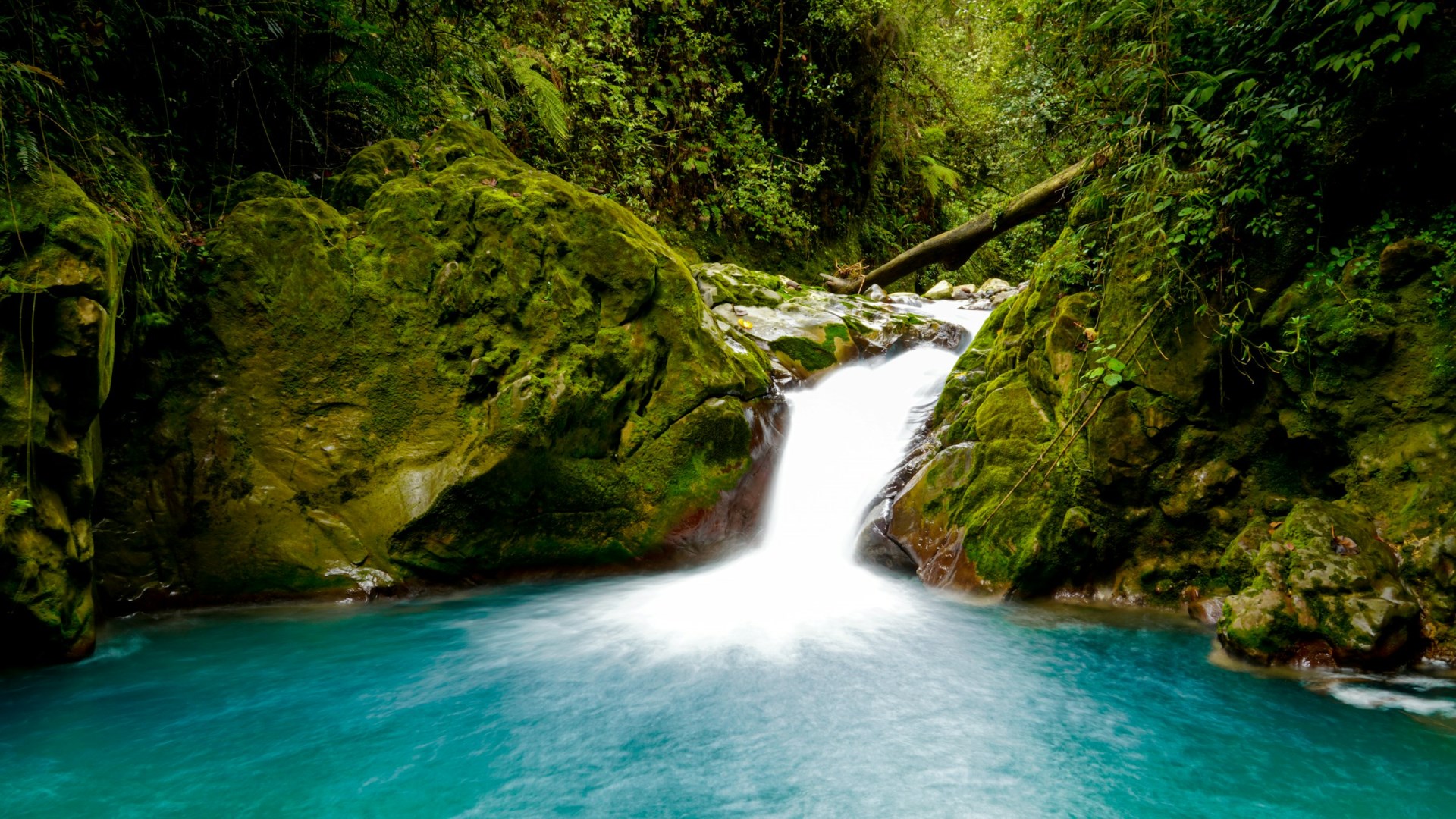
Bajos del Toro is a small mountain community in Alajuela Province, set in a highland valley between Poás Volcano and the Juan Castro Blanco National Park area. The region is known for its cool climate, forested slopes, rivers, and concentration of waterfalls. Its rural landscape includes farms, pastures, wooded hills, and small settlements connected by winding roads.
Pigeon Point Beach
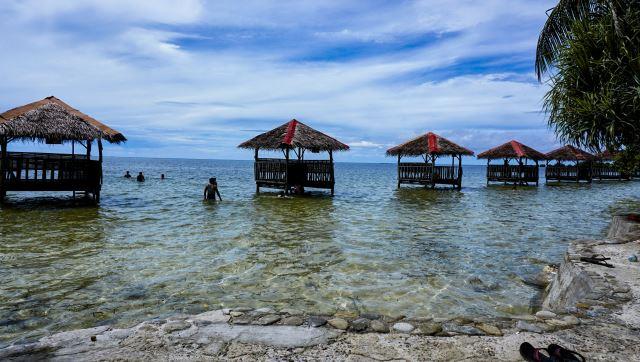
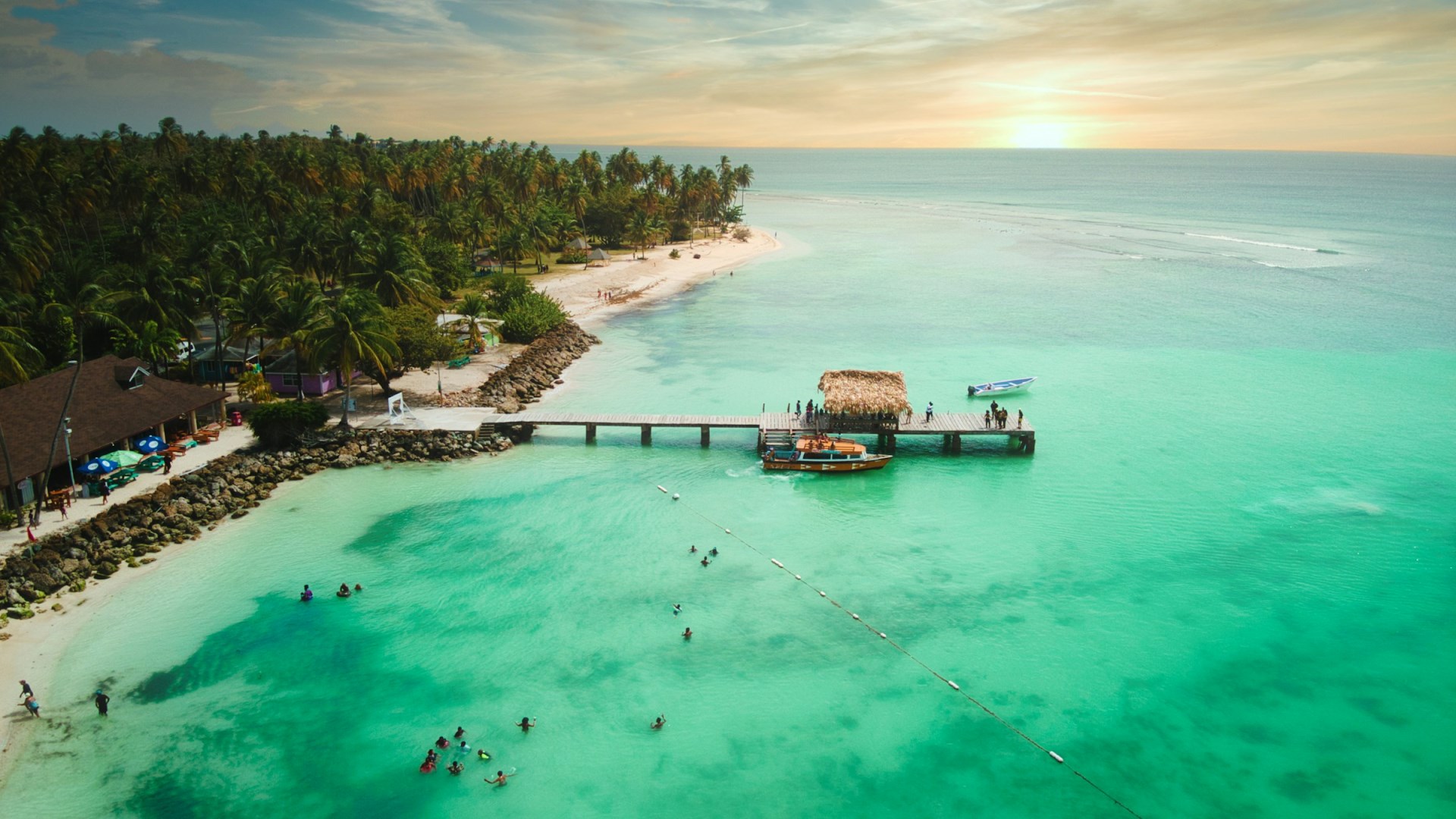
Pigeon Point Beach is on the southwestern coast of Tobago, within Pigeon Point Heritage Park near Crown Point. The beach faces the Caribbean Sea and is known for its pale sand, shallow clear water, coconut palms, and the distinctive thatched-roof jetty extending into the bay. The surrounding park contains landscaped areas, walking paths, food stalls, craft vendors, and facilities for visitors.
Tofino
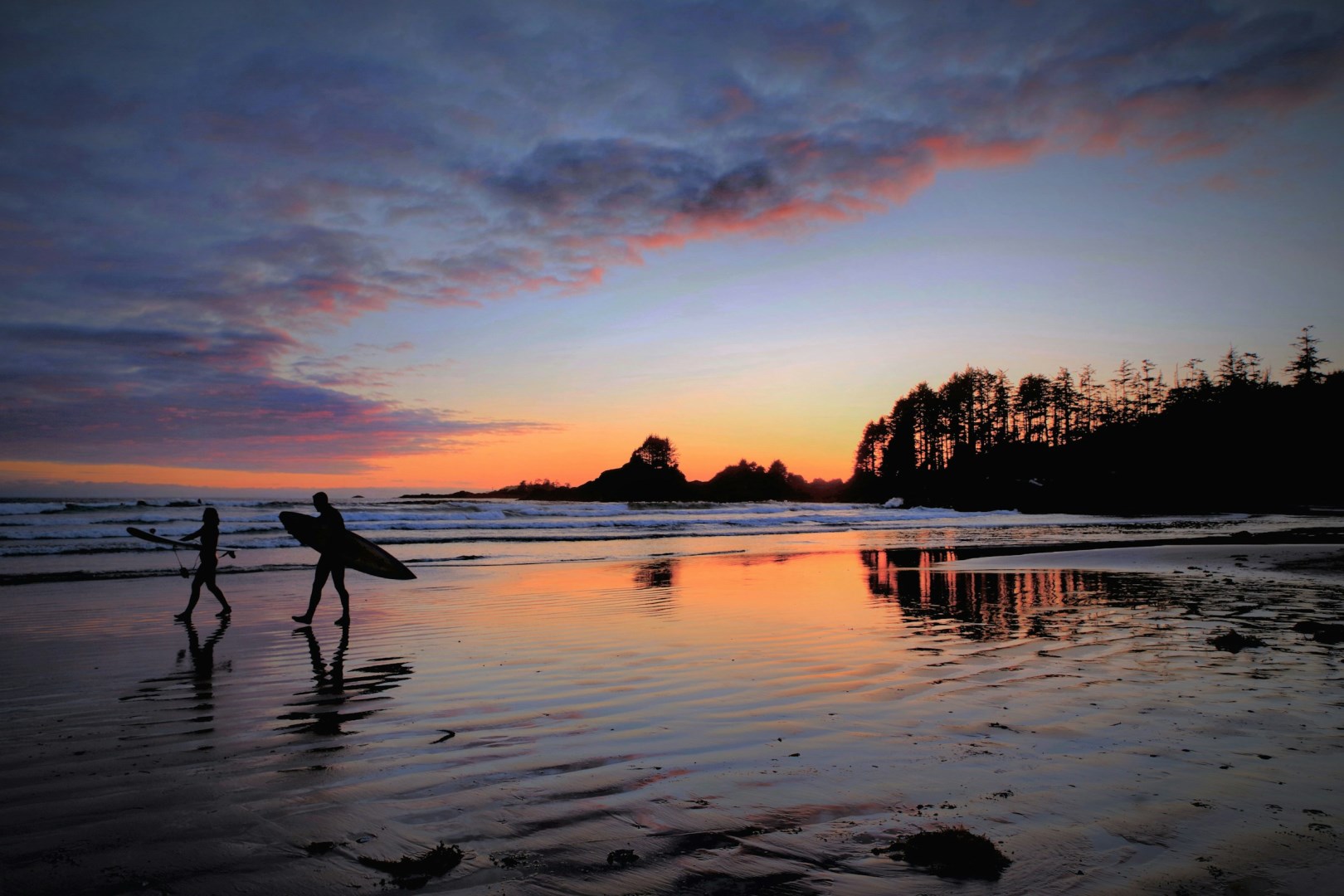
Tofino is a small coastal community on the western edge of Vancouver Island, surrounded by Pacific Ocean waters, forested mountains, islands, and temperate rainforest. It sits within the traditional territory of the Tla-o-qui-aht First Nation and the Clayoquot Sound UNESCO Biosphere Region. Once known primarily for fishing and logging, Tofino has developed into a community closely associated with surfing, marine activities, outdoor recreation, and environmental stewardship.