Rhode Island may be the smallest state in the U.S., but it offers an outsized variety of experiences, from colonial history to coastline escapes. Founded in 1636 by Roger Williams as a haven for religious freedom, the state still reflects its independent spirit. In Providence, travelers can visit the John Brown House Museum to explore the city’s role in early American commerce, or walk Benefit Street, lined with preserved 18th- and 19th-century homes.
Who would have thought, back in the tumultuous coup and counter coup days of the 1970s, that Burkina Faso would become the cultural darling of West Africa? Unlikely as it seems, Burkina Faso has become the Utah of West Africa, hosting a biennial film festival that rivals the Sundance Film Festival for cultural clout. When it's not hosting film festivals, it's busy organizing its other biennial cultural festival.
Turin carries a regal atmosphere reflected in its palaces, wide boulevards, and arcaded streets. Its history as a political and cultural powerhouse is still evident today, while its role as the birthplace of Fiat underscores its influence on modern industry.
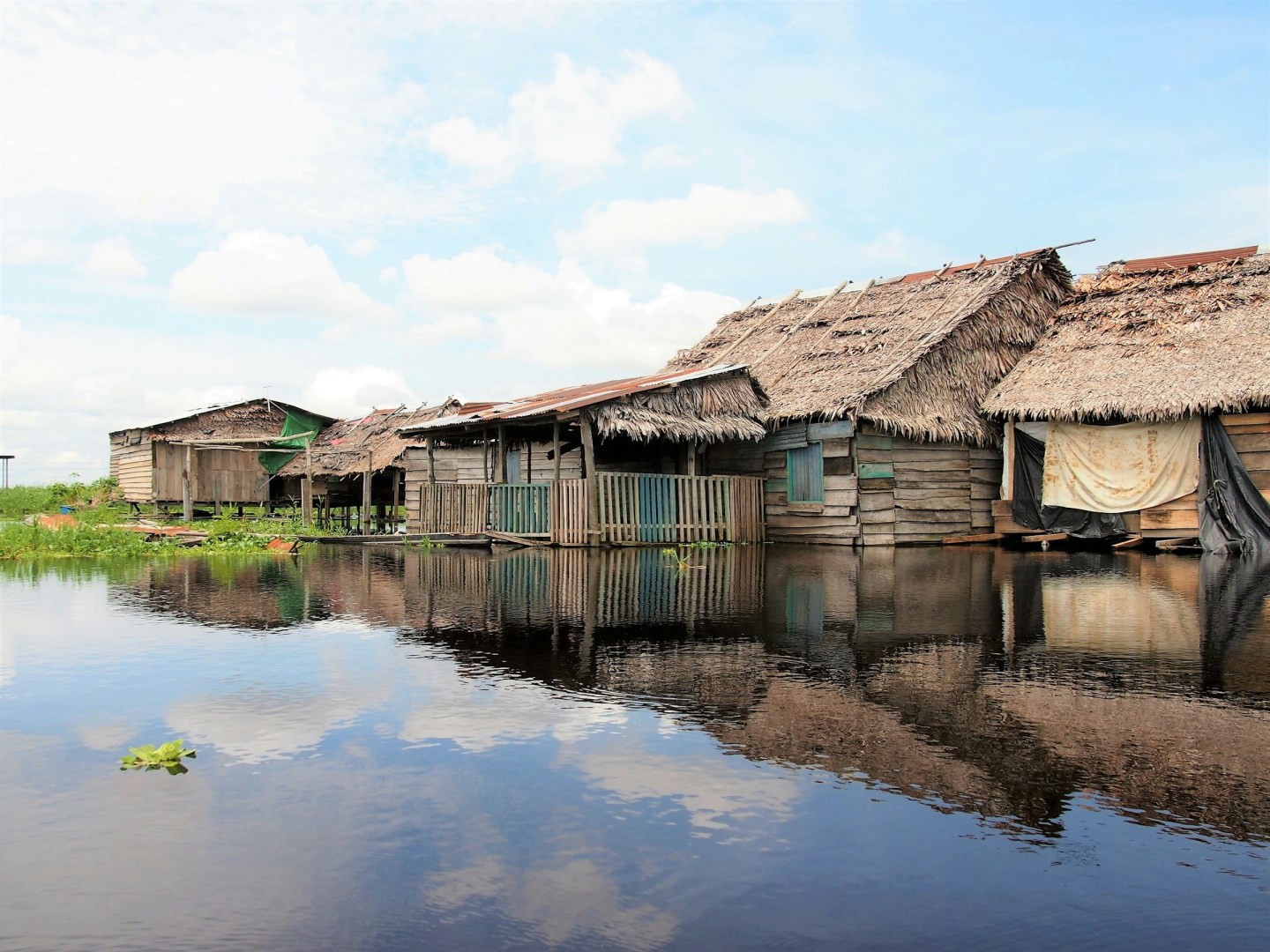
South America is a continent of striking contrasts, where towering mountain ranges meet vast rainforests, arid deserts, and sprawling coastlines. From the icy fjords of the south to the tropical warmth of the north, each region offers its own landscapes, wildlife, and cultural expressions.
Siem Reap is best known as the gateway to Angkor, the ancient capital of the Khmer Empire, but the town itself offers far more than a launching point for temple exploration. Located in northwestern Cambodia, Siem Reap balances centuries-old traditions with a rapidly evolving cultural scene. Its streets are lined with colonial-era buildings, Buddhist pagodas, bustling markets, and open-air cafés.
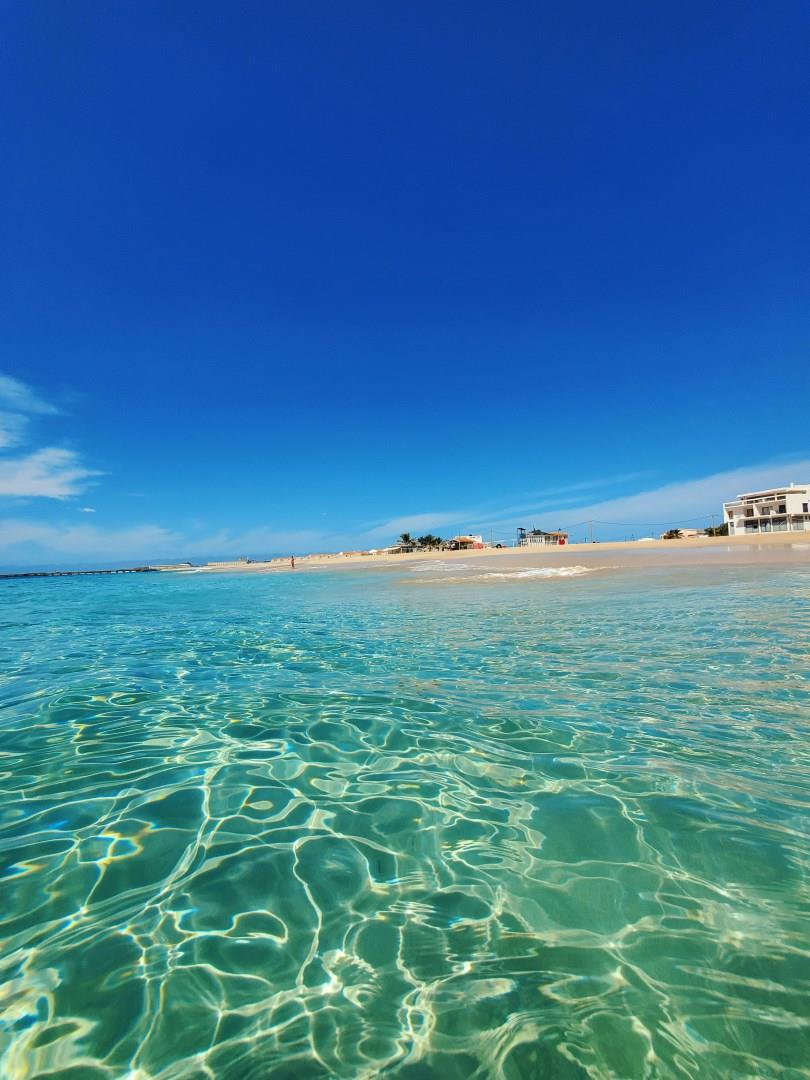
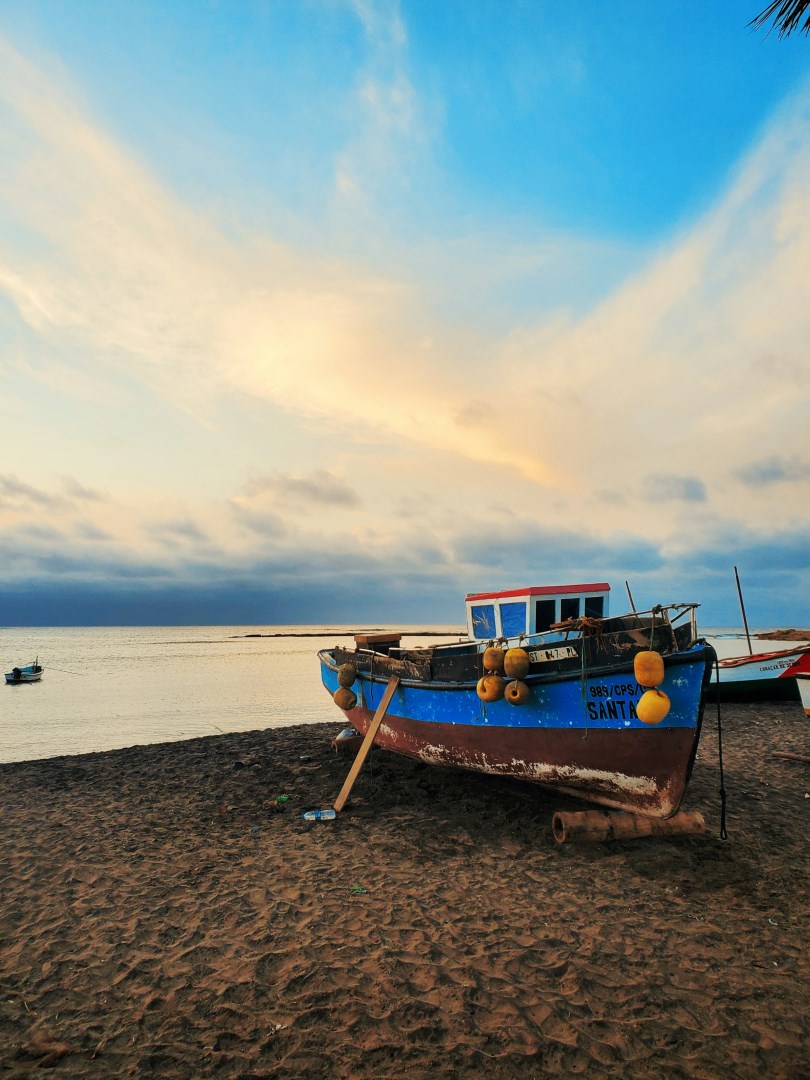
Maio, one of Cape Verde's hidden gems, offers a serene escape with its unspoiled landscapes and charming island atmosphere. This tranquil island, part of the Cape Verde archipelago, is renowned for its stunning beaches and laid-back vibe. The white sandy shores of Praia do Morro, with its crystal-clear waters and gentle waves, provide the perfect setting for relaxation and sunbathing, while the surrounding salt pans showcase Maio's historical role in the salt industry.
Cultural and natural exploration awaits in Maio's diverse landscape. The island is dotted with traditional villages that offer insights into local life and customs. The vibrant Festa de São João in the town of Vila do Maio is a highlight, featuring lively music, dance, and local cuisine that capture the island’s rich cultural heritage. Maio’s arid interior is also an intriguing area to explore, with its unique flora and fauna and the impressive Monte d'Igreja offering panoramic views.
For the adventure-seeker, Maio’s landscape provides opportunities for hiking and exploring its diverse terrain. The island's quiet nature reserves and remote beaches are ideal for those looking to escape the more crowded tourist spots and immerse themselves in nature. Trekking through the island’s rugged hills and dunes offers a chance to witness rare bird species and endemic plant life.
Fun Fact: Maio is the least populated of Cape Verde's islands, making it a pristine retreat where you can enjoy the untouched beauty of the Atlantic Ocean without the bustle of heavy tourism.