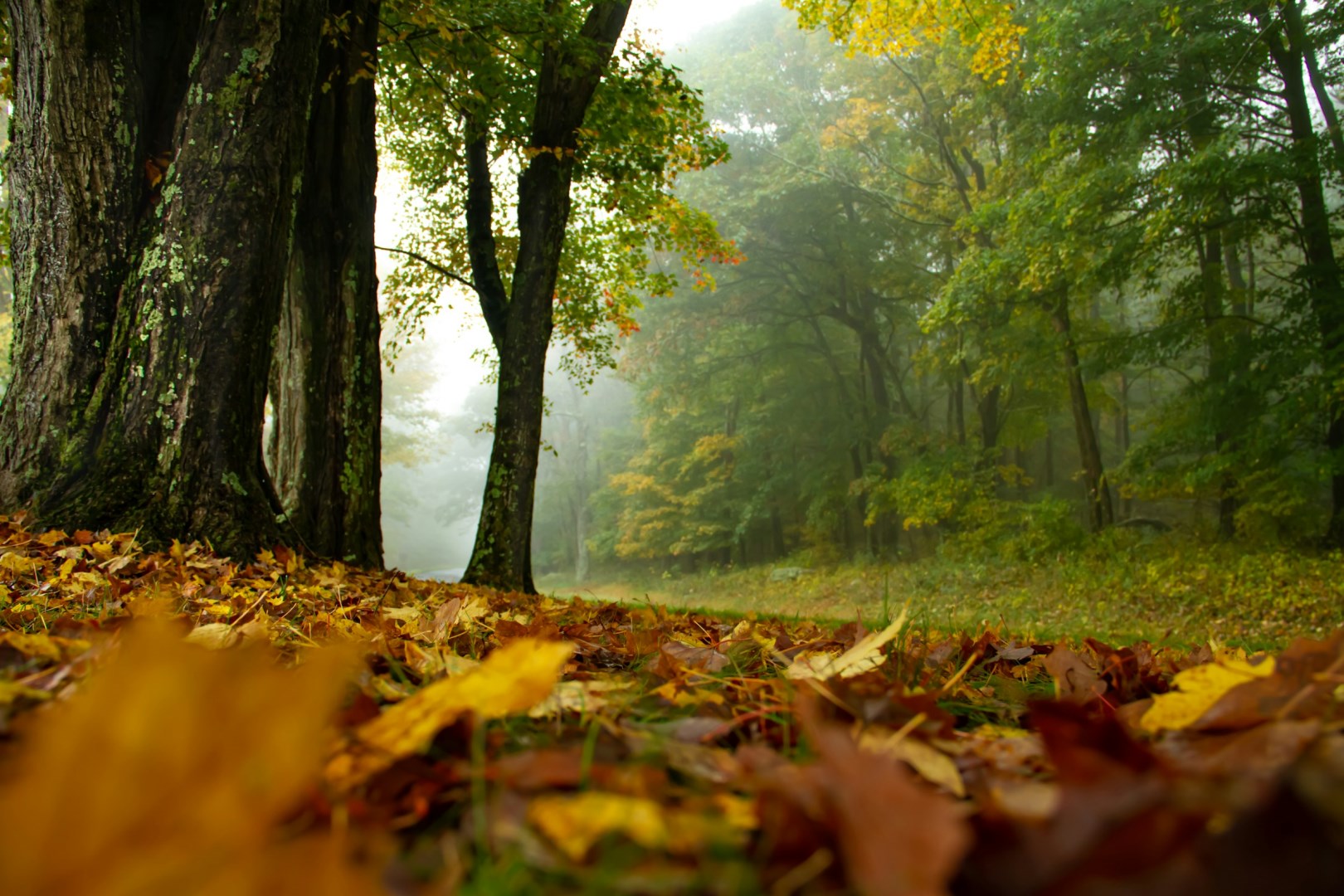
Shenandoah National Park
Shenandoah National Park follows the crest and eastern slopes of Virginia’s Blue Ridge Mountains, protecting a long, narrow landscape of forests, ridges, streams, and mountain valleys. The park stretches along Skyline Drive, a scenic road that provides access to numerous overlooks and trailheads. Elevations vary considerably across the park, creating changes in vegetation and climate over relatively short distances.

Nunavut
Nunavut comprises a major portion of Northern Canada, and most of the Canadian Arctic Archipelago. Its vast territory makes it the fifth-largest country subdivision in the world, as well as the largest in North America.
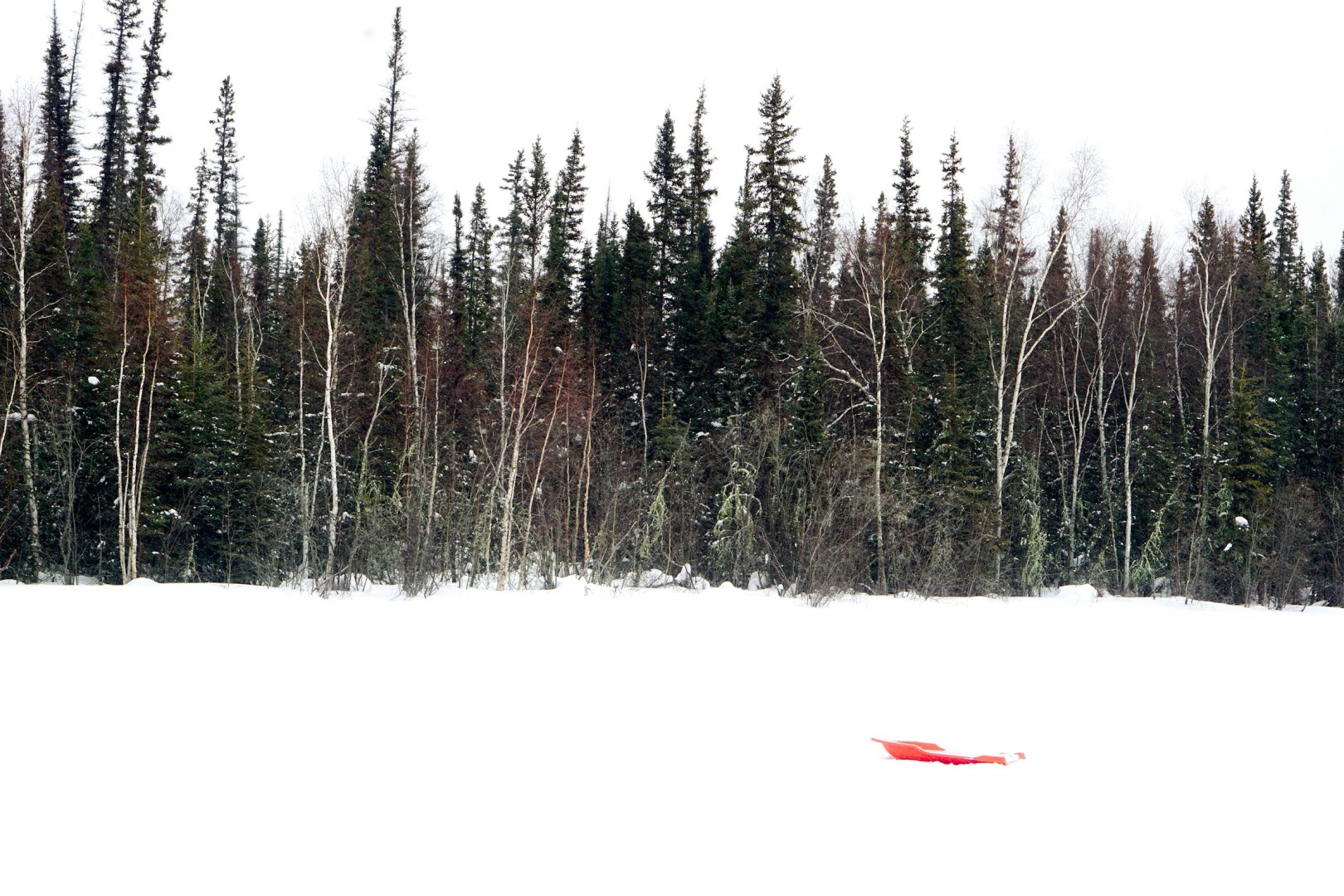
Northwest Territories
The Northwest Territories is a vast northern region of Canada defined by open tundra, boreal forests, major rivers, and some of the country’s largest lakes. Yellowknife, the territorial capital, sits on the northern shore of Great Slave Lake and serves as a central hub for travel, government, arts, and northern commerce. Farther north, communities such as Inuvik and Tuktoyaktuk provide access to the Arctic landscape and coastal regions. T
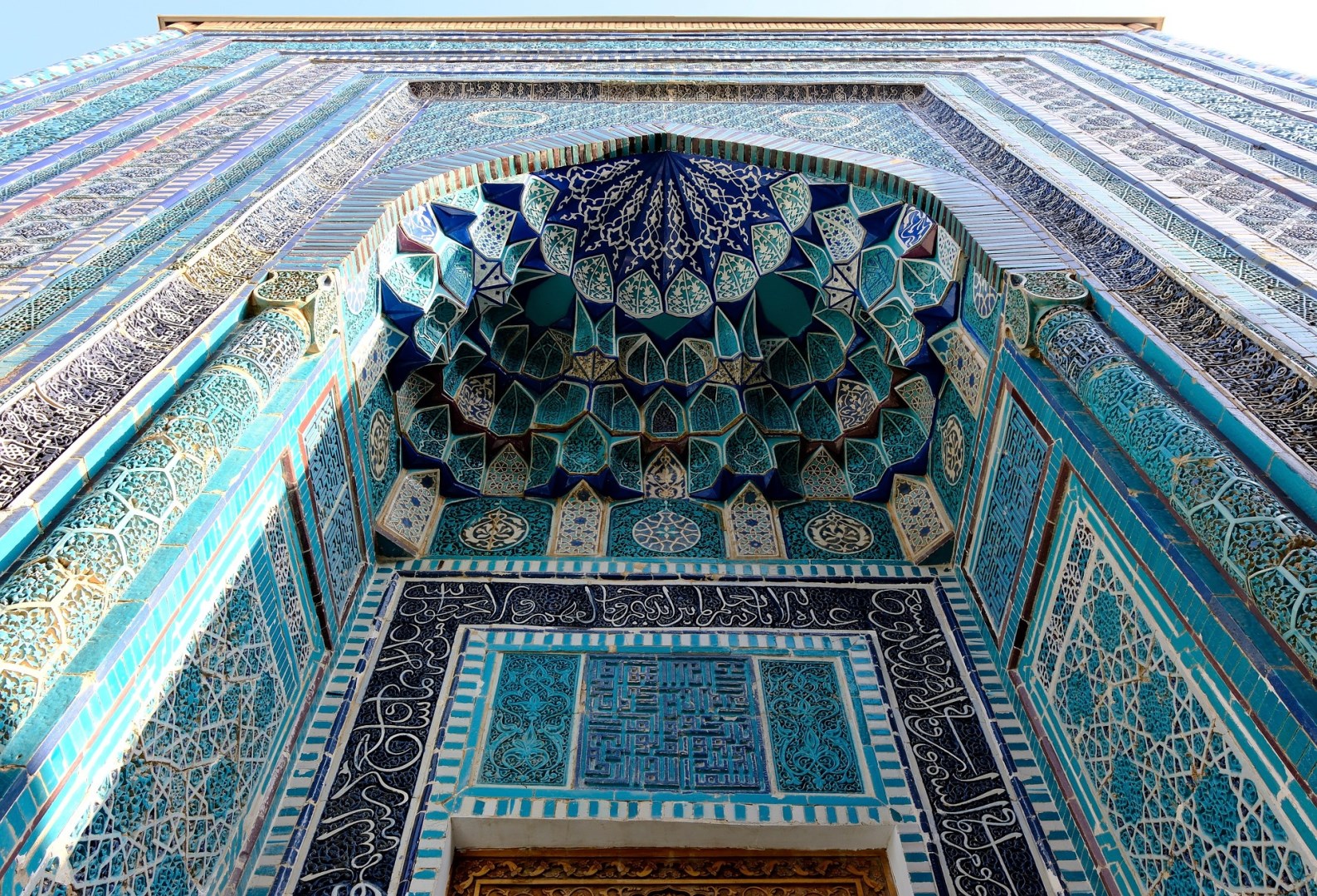
Tashkent
Tashkent, the capital of Uzbekistan, lies at the crossroads of Central Asia and has long been a hub of culture, trade, and political life. Its history stretches back over two millennia, shaped by Persian, Mongol, and Russian influences.
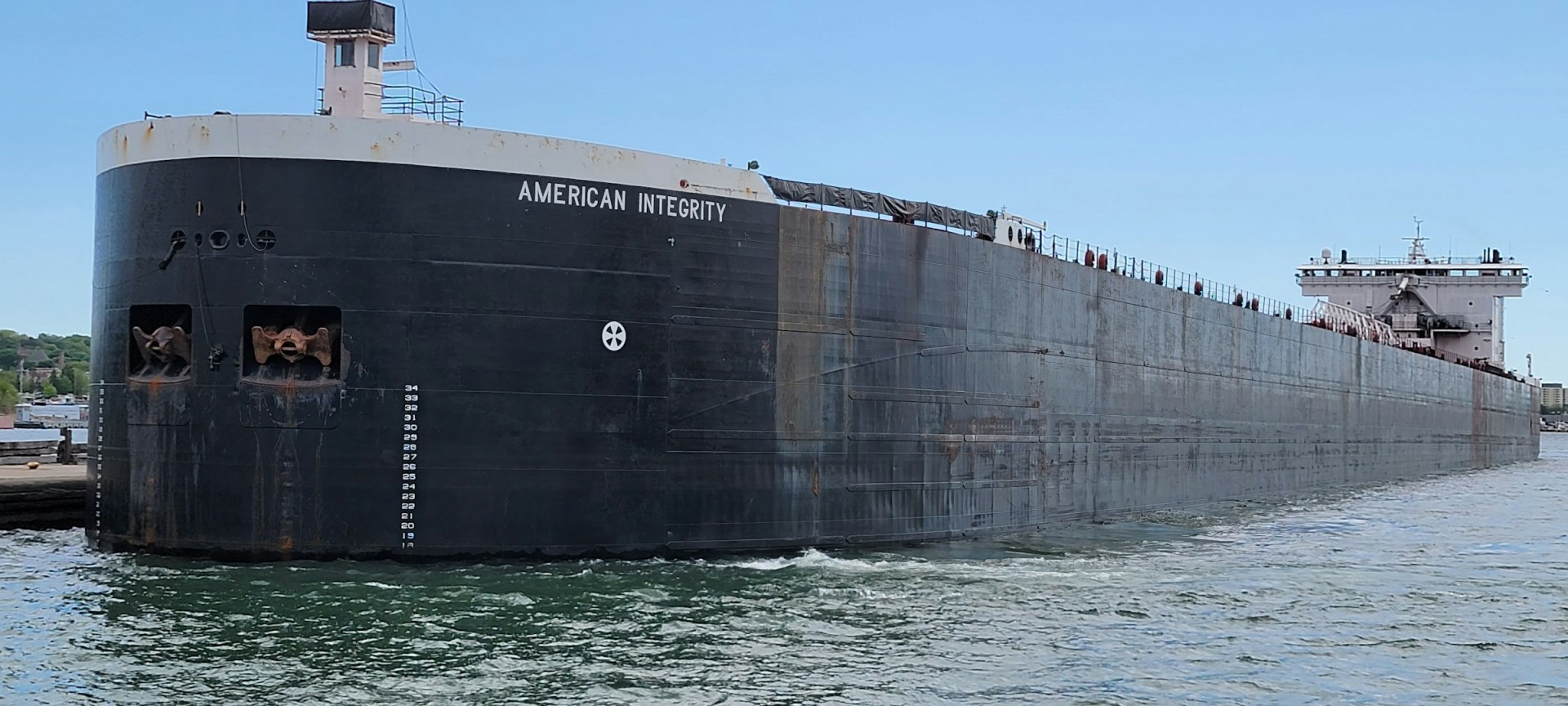
Sault Sainte Marie
On the Canadian border where Lake Huron and Lake Superior meet, a canal built in 1895 still is used to have boats bypass the rapids of the St. Mary's river.