Morelia, the capital of Michoacán, is a city that wears its history in stone. Built in the 16th century and recognized as a UNESCO World Heritage Site, its historic center is filled with over 200 colonial-era buildings made from pink cantera, a soft volcanic stone that gives the city its distinct look. The centerpiece is the Morelia Cathedral, a massive baroque structure that features twin towers that light up every Saturday night with a fireworks and music display.

Ninh Binh, located about 100 kilometers south of Hanoi, offers a landscape shaped by limestone karsts, winding rivers, and flooded rice paddies. Often referred to as “Ha Long Bay on land,” the area is best explored by rowboat. At Trang An Scenic Landscape Complex, boat routes pass through caves, ancient pagodas, and valleys surrounded by towering cliffs. Local rowers often use their feet to paddle, an unusual technique that surprises many first-time visitors.
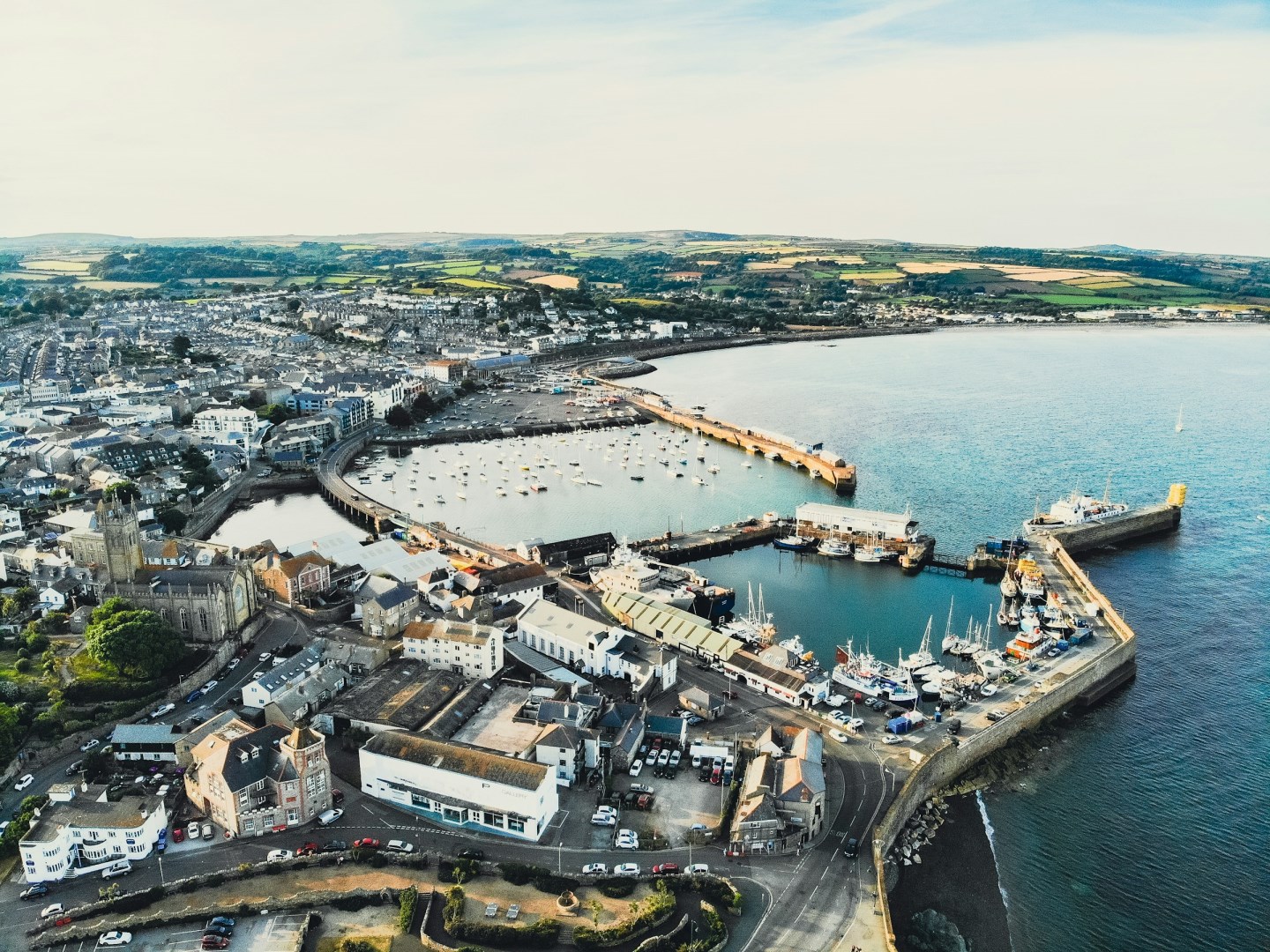
This fishing port in southwestern England's county of Cornwall rests along the sheltered Mount's Bay and is blessed with a mild climate year-round, as evidenced by the subtropical plants in Morrab gardens. Near Penzance is the town of St.Ives, a quaint place with a reputation as an artist's colony.
Belize, tucked between Mexico, Guatemala, and the Caribbean Sea, is a country where ancient history and untamed nature meet. Once the heartland of the Maya civilization, Belize is dotted with impressive archaeological sites such as Caracol and Xunantunich, where towering pyramids rise above jungle canopies.
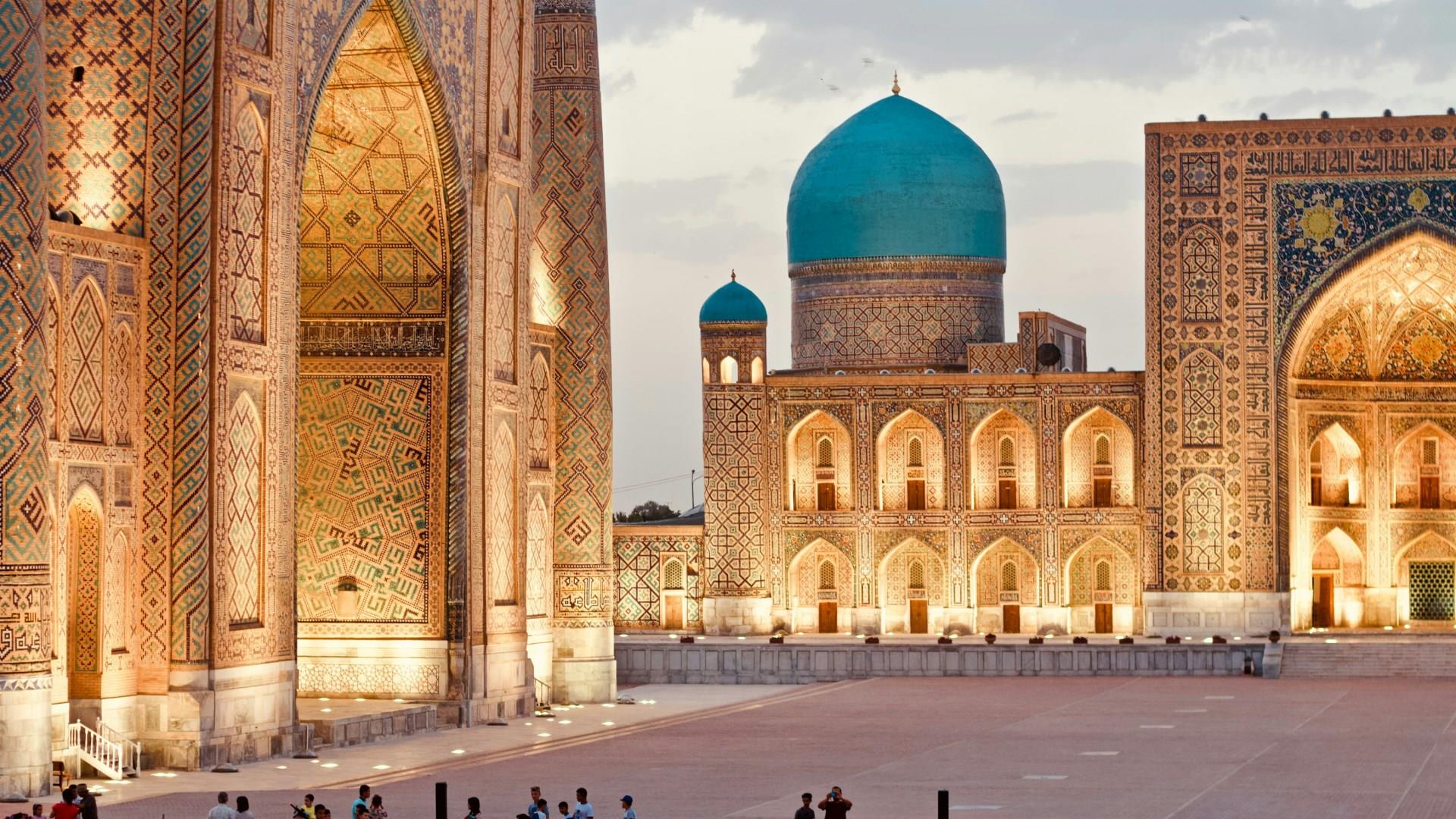
Uzbekistan lies at the heart of Central Asia and is renowned for its pivotal role along the ancient Silk Road. The country is home to some of the world’s most storied cities, where intricate Islamic architecture and centuries of trade have left a rich cultural legacy.
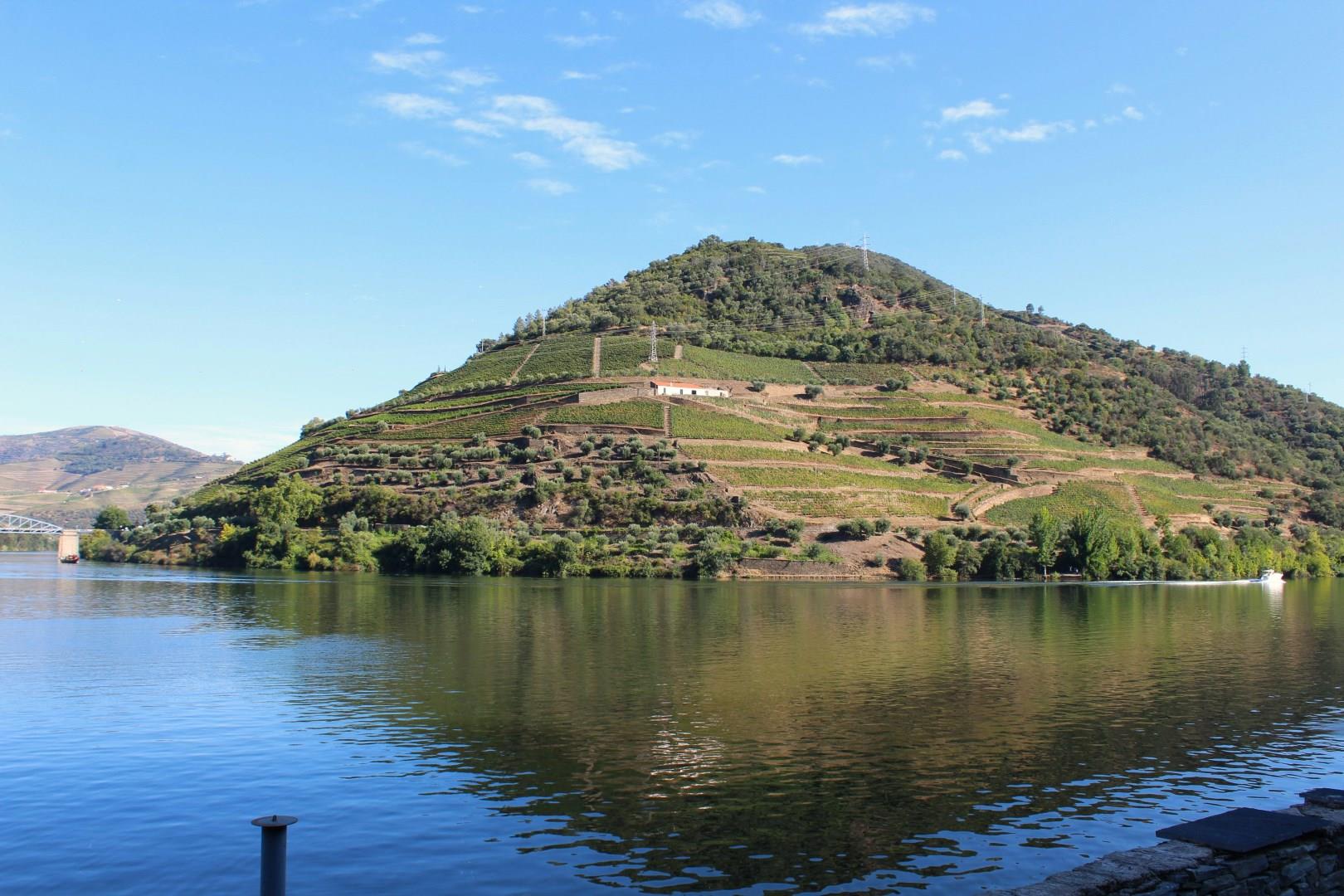
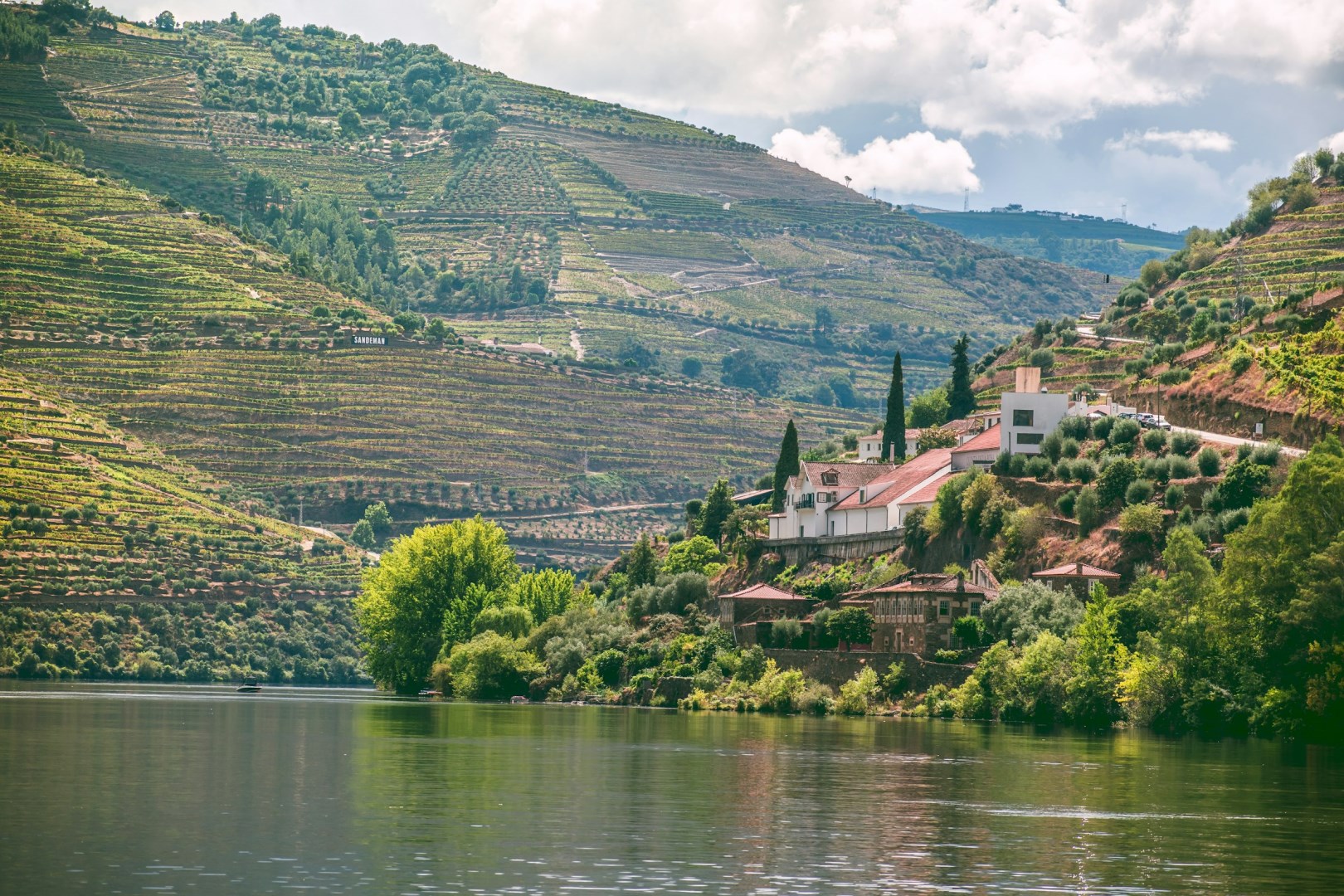
Pinhão, nestled in the heart of Portugal’s Douro Valley, is a small town with a big reputation for its world-renowned port wine and stunning landscapes. Surrounded by terraced vineyards that cascade down to the banks of the Douro River, Pinhão is a paradise for wine lovers and nature enthusiasts alike. The town is a key stop on the Douro Wine Route, where visitors can explore historic quintas (wine estates), sample exceptional vintages, and learn about the centuries-old winemaking traditions that have made the region a UNESCO World Heritage Site.
One of Pinhão’s most iconic attractions is its charming railway station, adorned with beautiful azulejos—traditional Portuguese tiles—that depict scenes of the local wine harvest and river life. The station is a gateway to some of the most scenic train journeys in Europe, offering panoramic views of the Douro Valley’s rugged cliffs and serene river as you travel along its winding tracks. A river cruise from Pinhão is another must-do, providing an unforgettable perspective of the valley’s dramatic landscapes and allowing you to experience the tranquility of this enchanting region.
In addition to its wine heritage, Pinhão offers visitors a taste of authentic Portuguese culture. The town’s quiet streets are dotted with family-run restaurants where you can savor regional dishes like bacalhau (salted cod) and the locally produced olive oil. The warm hospitality of the locals adds to the town’s charm, making every visitor feel like they’ve discovered a hidden gem. For those seeking outdoor adventure, the surrounding hills and vineyards offer excellent opportunities for hiking, with trails that lead to breathtaking viewpoints over the Douro River.
Pinhão invites you to "Sip, Savor, and Soak in the Beauty of the Douro Valley." Whether you’re exploring its historic wineries, enjoying a leisurely boat ride, or simply taking in the stunning scenery, Pinhão offers a serene and unforgettable escape into the heart of Portugal’s wine country.