Lead
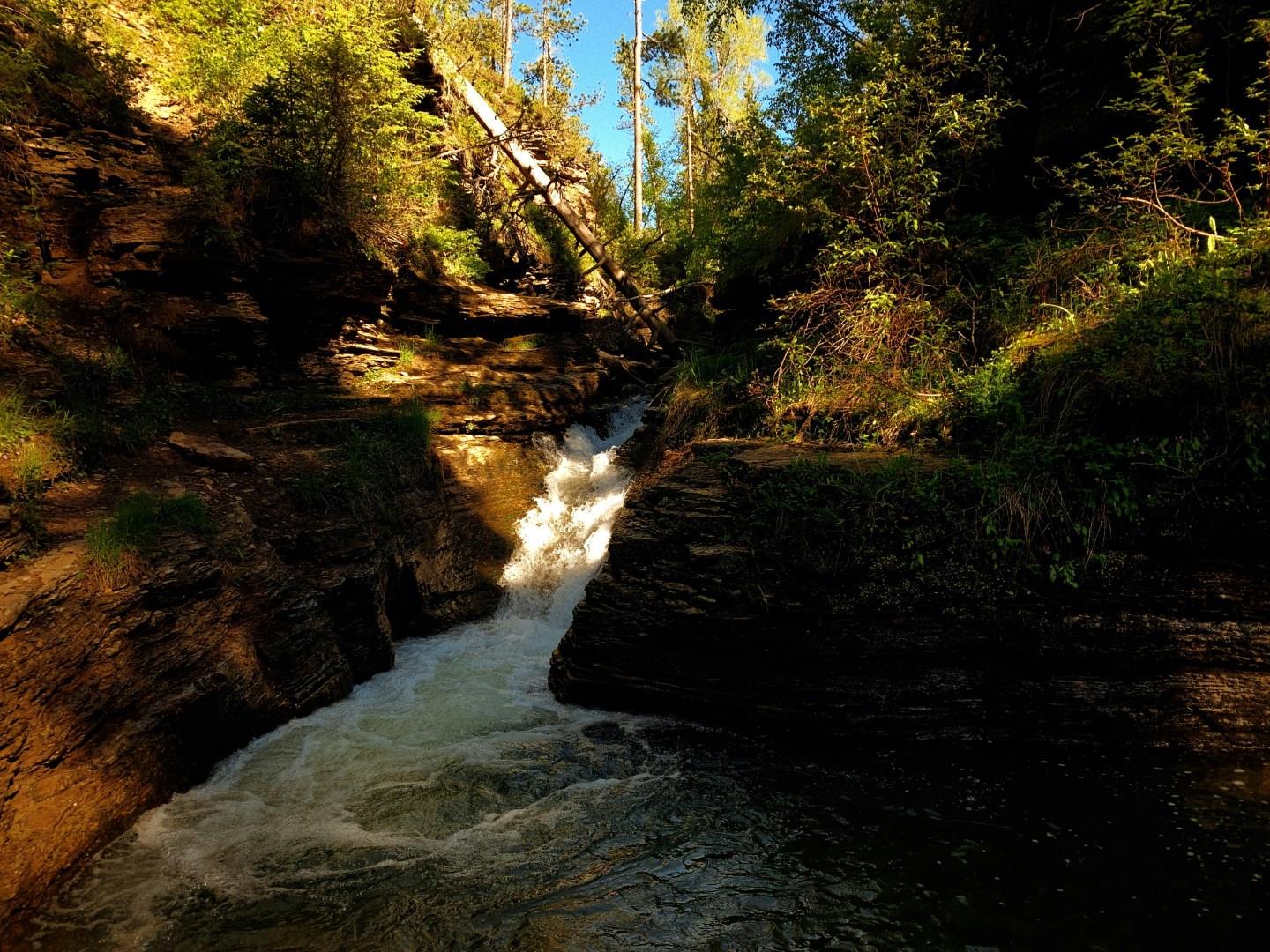
Lead’s Main Street reflects its long history with places that invite people to explore local life beyond mining. The Black Hills Mining Museum offers displays of mining tools, machinery and a simulated underground mine experience that brings to life how miners worked the Black Hills over generations. Along the same street, galleries, cafés and historic buildings make for pleasant stops between deeper dives into the past.
Monterrey
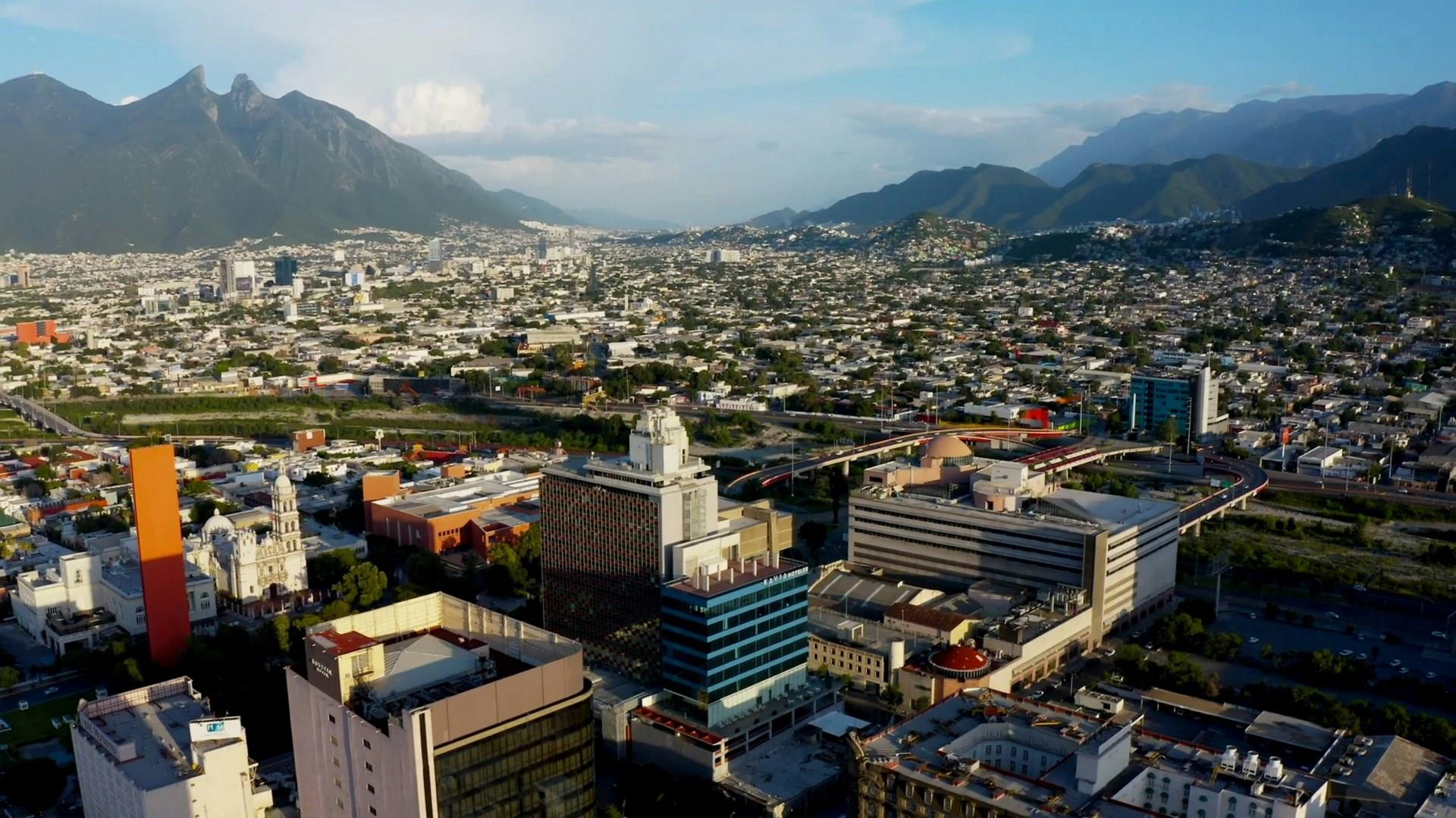
Monterrey, the capital of Nuevo León, stands at the foot of the Sierra Madre Oriental and has long been recognized as one of Mexico’s most industrial and innovative cities. The Macroplaza is one of the largest public squares in Latin America and links historic buildings like the 18th-century Metropolitan Cathedral with newer sites like the Museo de Historia Mexicana and the Faro del Comercio, a towering orange structure that beams a green laser across the sky each night.
San Simeon
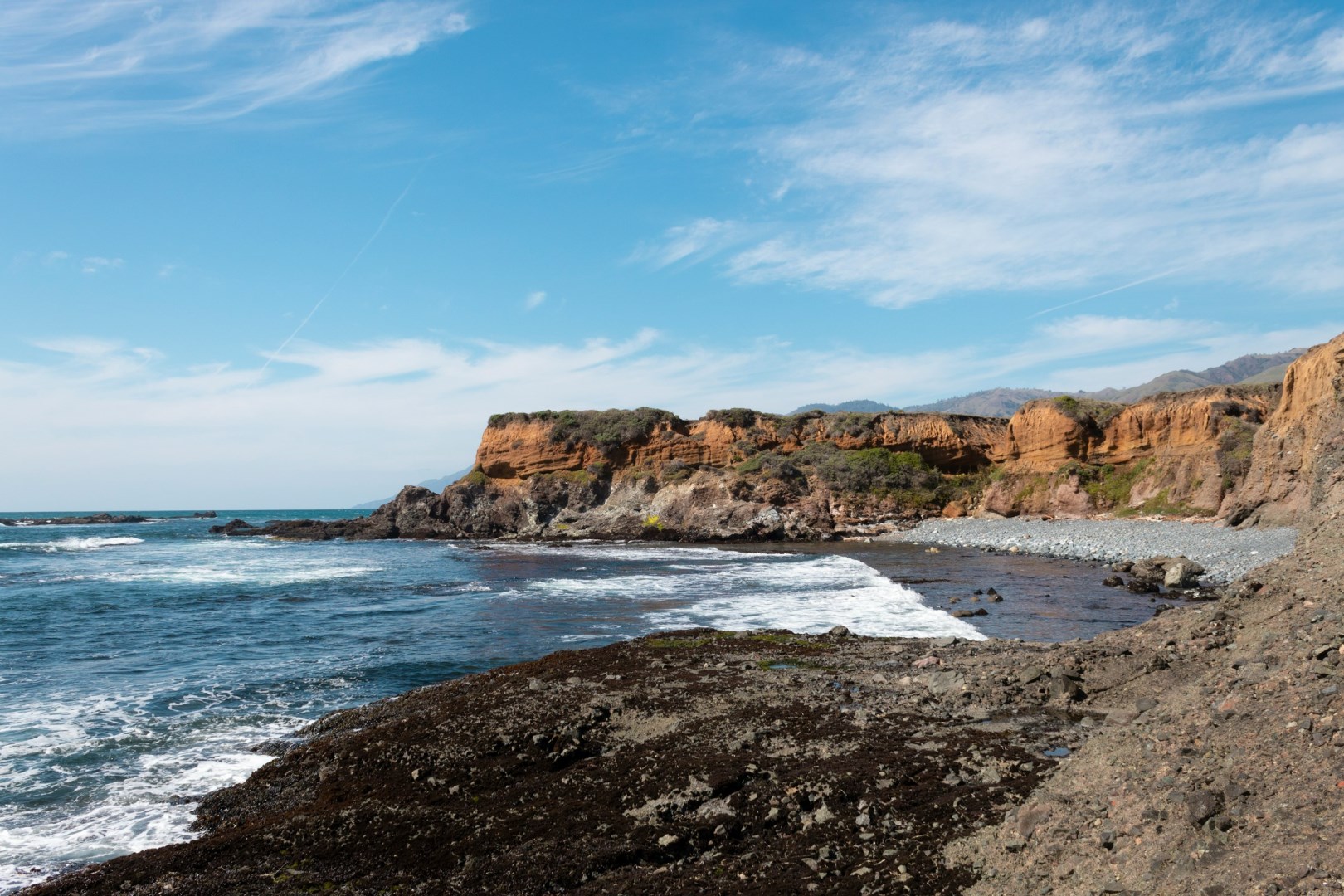
San Simeon is a small coastal community on California’s Central Coast, set along the Pacific Ocean between Cambria and Big Sur. The area is known for rugged shoreline, coastal grasslands, forested hills, and offshore rocks, with the Santa Lucia Mountains rising inland.
Unawatuna
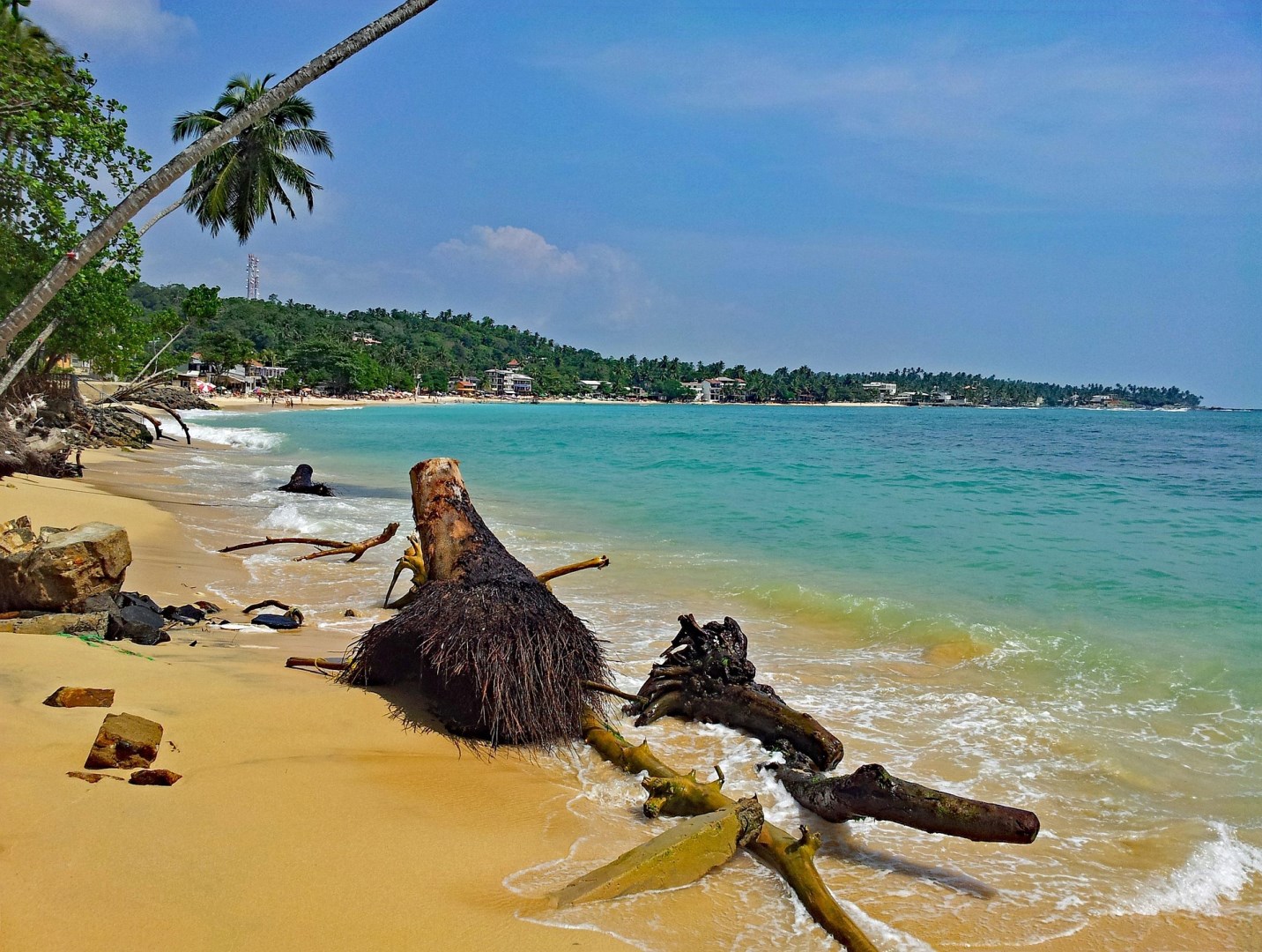
Unawatuna lies along Sri Lanka’s southern coast, shaped by maritime trade, colonial encounters, and a long relationship with the sea. Once a small fishing village, it developed near historic Galle and reflects layers of Portuguese, Dutch, and British influence that passed through the region.

Sacred Valley
The Sacred Valley, located in the Andes and divided by Urubamba River, was part of the larger Inca Empire, along with Machu Picchu and the closeby town of Cusco. Tourists will see green agricultural landscapes and Spanish hamlets like Ollantaytambo and Pisac, the latter featuring a Sunday market.