

Coromandel Peninsula
The Coromandel Peninsula on New Zealand’s North Island is a place where coastline and culture come alive in ways that stay with visitors long after they’ve left. Stretching for about 110 kilometers between the Hauraki Gulf and the Bay of Plenty, this region has deep roots that go back to the arrival of Māori long before Europeans stepped ashore.
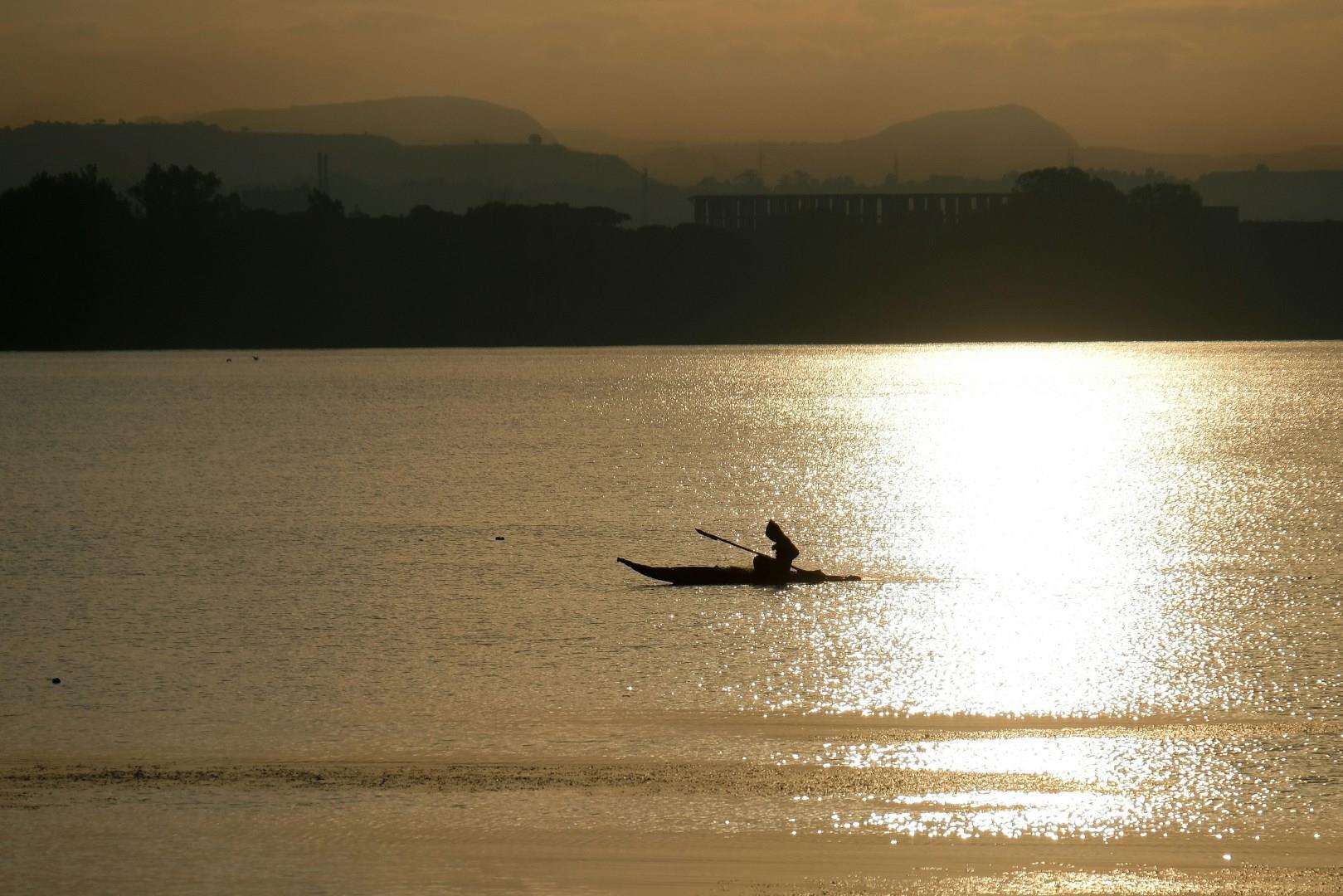
Lake Tana
Lake Tana, located in the northwest of Ethiopia, is the country’s largest freshwater lake and the source of the Blue Nile. Its calm waters are dotted with more than 30 islands, many of which are home to ancient monasteries adorned with religious paintings and manuscripts.
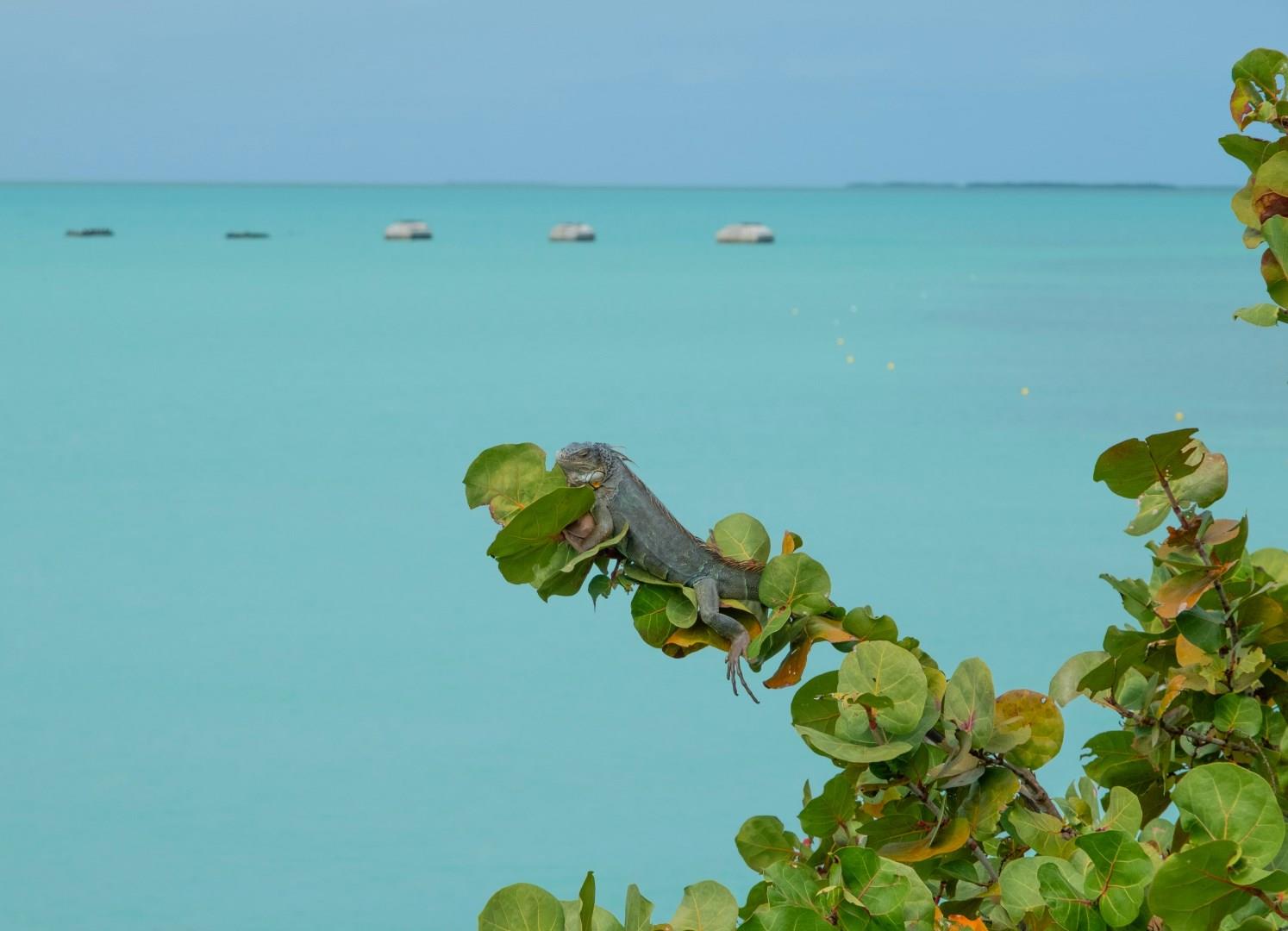
Marathon
Marathon, located near the center of the Florida Keys, is a vibrant island city known for its fishing, boating, and tropical charm. Nestled between Key Largo and Big Pine Key, Marathon is surrounded by clear waters, coral reefs, and sandy beaches, making it a prime destination for water-based recreation.
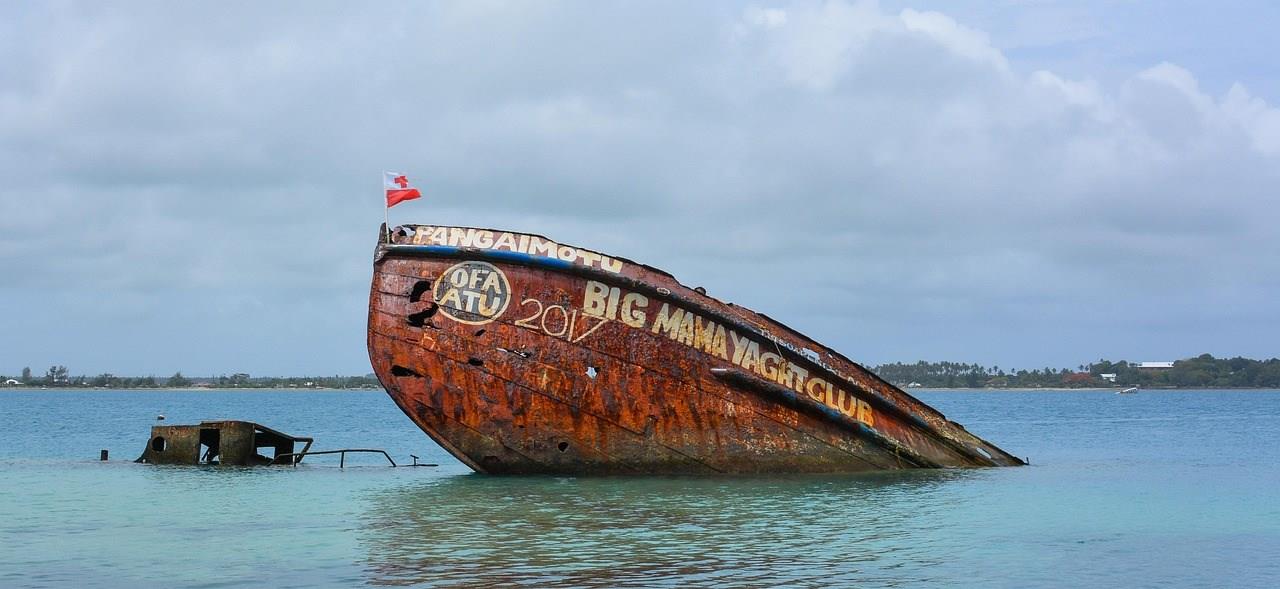
Tongatapu Island
Tongatapu, the main island of Tonga, is where tradition, history, and the South Pacific’s natural world intersect in quiet and unexpected ways. As the political and cultural center of the Kingdom of Tonga, it is home to the capital city, Nukuʻalofa, as well as ancient royal burial grounds, dramatic coastal blowholes, and friendly villages where daily life unfolds slowly.

St. Malo
Saint-Malo, a captivating walled city on the coast of Brittany, France, invites visitors to step back in time while embracing the beauty of the rugged coastline. Known for its rich maritime history, this former pirate stronghold has retained its medieval charm, with narrow cobblestone streets, towering granite walls, and fortifications that echo tales of seafaring adventures.


